
Guides
Farm to Table Ingredients: Sourcing & Pantry Discipline
Quick Answer
Treat Farm to Table ingredients as restaurant commitments: reserve staples for the next service, separate machine inputs from market overflow, and expand the menu only when the pantry can support the dish repeatedly.
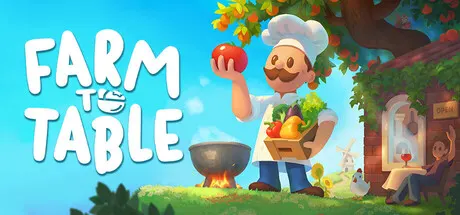
Farm to Table ingredients include more than crops. Steam describes crops, animals, fishing, wild gathering such as mushrooms and berries, and machine-processed goods that feed advanced recipes. That means the pantry is the heart of the restaurant. If the pantry is messy, the menu becomes fragile even when the farm looks productive.
Navigate broader planning through the Farm to Table game guide hub.
Last checked: May 13, 2026. Reflects Steam Early Access EA positioning for indieGiant title App ID 3582250.
Quick Answer
Run the pantry with three labels in mind: restaurant reserve, machine input, and market overflow. Reserve staples for the next service first. Keep machine inputs only when they support a dish or test you actually plan to run. Sell or use overflow after those commitments are safe.
Ingredient Source Table
| Source | Best use | Main risk |
|---|---|---|
| Field crops | Staple dishes, machine inputs, and market overflow. | Harvest timing can miss prep windows. |
| Wild gathers | Recipe discovery, specials, and rare ingredients. | Long routes can steal time from service. |
| Fishing | Menu variety and possible higher-value dishes. | Catch timing and route time can be inconsistent. |
| Animal goods | Repeating ingredients once care is stable. | Feed, care, or timing can add another chore loop. |
| Machine outputs | Advanced recipes and stronger menu tests. | Batches can finish too late or crowd storage. |
Pair this with Farm to Table recipes when deciding whether an ingredient deserves a menu slot.
Pantry Reserve Rules
Use a simple order before opening:
- Reserve ingredients for the next service.
- Reserve raw inputs for any machine batch tied to that service.
- Hold a small sample of new or rare ingredients for recipe testing.
- Move fragile items into dishes first if freshness matters.
- Sell only the remaining safe overflow.
This stops the market from draining the same ingredients the kitchen needs. It also helps you notice when the menu is too wide for the current farm.
Gathering Route Planning
Gathering is useful when it supports a dish, recipe test, or known shortage. It becomes expensive when you wander during the hours that should prepare the restaurant. Keep routes compact:
| Route choice | Use when |
|---|---|
| Short loop near the farm | You need one ingredient before service. |
| Longer exploration loop | The restaurant has buffers and you are testing recipes. |
| Fishing session | The menu or discovery plan needs fish soon. |
| Wild gather sweep | Several useful nodes sit close together. |
If the basket fills with ingredients that do not support tonight, the route may be interesting but not profitable yet.
Ingredient Quality Gates Before Menu Expansion
Before adding a dish, check whether its ingredients can repeat.
| Gate | Question |
|---|---|
| Availability | Can you get the ingredient several times, not just once? |
| Timing | Does it arrive before the prep window? |
| Storage | Can you keep enough without spoilage or clutter? |
| Processing | Does a machine need to finish first? |
| Staff pressure | Does gathering or hauling steal workers from service? |
If two gates fail, keep the dish as a test, not a main menu item.
Farmers’ Market Versus Kitchen Demand
Steam describes selling produce through the Farmers’ Market alongside restaurant service. That is useful, but both systems compete for the same pantry. Market sales should happen after restaurant reserves, not before. When money feels short, check Farm to Table money making so you know whether the issue is price, waste, menu size, or a supply mismatch.
Storage Mistakes To Avoid
One mixed pile for everything. If restaurant ingredients and market overflow live in the same mental bucket, you will sell the wrong stack eventually.
Keeping every rare item forever. Rare finds should lead to tests, specials, or known future dishes. Otherwise they block space.
Ignoring processed ingredients. Machine outputs are not leftovers. They are ingredients with timers, value, and menu purpose.
Expanding recipes before storage. A new recipe can require several extra items. Make room before adding it to the menu.
Pantry Check Before Service
| Check | Ready signal |
|---|---|
| Staple dishes | Enough ingredients for the expected service. |
| Machine dishes | Processed items are ready or will finish before prep. |
| Market stock | Only true overflow is marked for sale. |
| Test items | New ingredients are separated from staples. |
| Fragile items | Older or spoil-prone items are used first if freshness exists. |
Related Guides
- Farm to Table crops for soil-first planners.
- Farm to Table machines before stacking intermediates.
- Farm to Table money making when ingredient waste drains margins.
FAQ
Should I automate ingredient hauling later?
Automate or hire around hauling when ingredient movement repeatedly interrupts prep or service. If the pantry is simply overcomplicated, simplify the menu first.
How granular should inventory bins be?
Keep ingredients close to the stations that use them. A simple storage layout near prep is better than a pretty pantry that makes workers cross the whole room.
Are berries worth farming vs wild?
Compare the route time, respawn or growth timing, and menu value in your current build. Wild sources are great when they are close and repeatable.
Do pets affect ingredient drops?
Do not plan around pet bonuses unless the current build shows them clearly. Treat any passive perk as a bonus, not the base route.
What about allergens UI?
If guest preference or restriction icons appear, add coverage slowly. A small menu that clearly meets demand is safer than a broad menu that misses ingredients.
Source And Community Notes
Community notes are useful for spotting recipe, staff, and market bottlenecks, but do not copy forum routes or trust exact values until they are checked in the current Steam build.
Sources
FAQ
Where do Farm to Table ingredients come from?
Official Steam marketing lists crops, animals, fishing, wild gathers such as mushrooms and berries, and machine-processed goods feeding advanced recipes.
How should I prioritize gathering routes?
Secure ingredients needed for the next service first, then gather optional items for experiments or specials. Exploration should not leave the dinner menu short.
Do intermediates count as ingredients?
Yes. Treat machine outputs as ingredients with their own timers, storage needs, and menu commitments.
What storage habits prevent spoilage?
Separate restaurant reserves, machine inputs, and market overflow in your planning. Use older or fragile items first when the current build tracks freshness.
When should I stop hoarding rare finds?
Use rare finds for small recipe tests or specials once the pantry has enough staples. Hoarding too many rare items can block storage for everyday dishes.