
Guides
Farm to Table Crops Guide: Fields & Harvest Rhythm
Quick Answer
Plan Farm to Table crops backward from the dishes you want to serve: reserve staple ingredients for the next service, stagger harvests so the kitchen is not flooded at once, and sell only true overflow through the Farmers' Market.
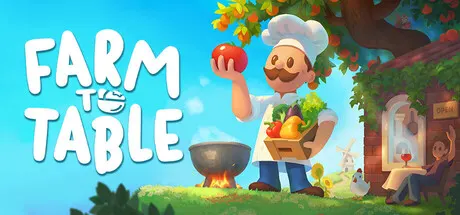
Farm to Table crops are not just farm income. They decide what the restaurant can cook, what machines can process, and what you can safely sell at the Farmers’ Market. A field that matures at the wrong time can still cause a bad shift if the harvest arrives after prep or floods storage with items the menu cannot use.
Keep the wider route open through the Farm to Table game guide hub.
Last checked: May 13, 2026. Anchored to Steam Early Access marketing for indieGiant Farm to Table App ID 3582250.
Quick Answer
Plan crops from the restaurant backward. Pick the dishes you want to serve, reserve enough ingredients for the next service, stagger planting so harvests do not hit all at once, and sell only the crops that are not needed for dishes or machine batches.
Crop Planning Matrix
Use this structure even before you know every exact crop value in the current build.
| Crop type | Best use | Main risk |
|---|---|---|
| Fast crops | Early dishes, emergency buffers, and small market sales. | They can mature during a busy service and create hauling pressure. |
| Mid-cycle staples | Reliable restaurant dishes and machine inputs. | Planting too many can crowd storage. |
| Slow or premium crops | Higher-value dishes, specials, or rating pushes. | Cash is tied up longer and shortages hurt more. |
| Experiment crops | Recipe discovery and new menu tests. | They can displace staples if you plant too many. |
| Overflow crops | Farmers’ Market sales after buffers are safe. | Selling them too early can starve the menu. |
Exact names, growth times, quality grades, and prices should come from your current build. The planning logic stays useful even when values change.
The Next-Service Rule
Before selling or replanting, ask what the next service needs:
| Step | Question |
|---|---|
| 1 | Which dishes are on the menu tonight or tomorrow? |
| 2 | Which crops do those dishes need in raw or processed form? |
| 3 | How many servings can the pantry support right now? |
| 4 | What must be held for a machine batch? |
| 5 | What remains as safe market overflow? |
This prevents the common mistake of selling a crop because it looks extra, then discovering the same crop blocks dinner.
Staggered Planting Rhythm
Avoid planting every plot with the same timer unless you already have storage and machines ready. Split staples into waves. For example, plant one batch for the next service, one batch for backup, and one smaller batch for experiments or market sales. If a day goes badly, the next harvest can repair the pantry instead of arriving too late.
| Rhythm | Use when | Watch for |
|---|---|---|
| Single large batch | A machine needs a lot of one input soon. | Storage overflow and same-day hauling stress. |
| Two-wave planting | The crop supports a staple dish. | Keep both waves tied to actual menu needs. |
| Small test strip | You are checking a new recipe or crop. | Do not let experiments replace staples. |
| Market row | You need extra cash after buffers are full. | Re-check restaurant needs before selling. |
Integrating Machines Into Crop Thinking
Machines change crop planning because a raw harvest may be more useful as a processed ingredient. Reserve crops for machine batches before selling overflow. If machines sit idle, fields may be too small or planted on the wrong rhythm. If crops pile up, the machine chain or menu may be too slow.
Coordinate upgrades inside machines.
When To Expand Fields
Expand fields when you can answer all five questions:
| Question | Safe answer |
|---|---|
| What dish, machine, or market sale will this plot support? | A specific one. |
| Can storage hold the harvest? | Yes, without blocking staples. |
| Can staff or the player harvest it before service suffers? | Yes. |
| Does the crop help cash after restock costs? | Yes, across several shifts. |
| Will it stay useful after a small patch? | Likely, because it supports a basic route. |
If the answer is “I just have space,” wait. Empty space is less dangerous than a field full of crops the restaurant cannot use.
Crop Mistakes That Hurt The Restaurant
Planting for value only. A valuable crop is not useful if the kitchen cannot cook with it yet.
Ignoring harvest timing. A crop that matures after the rush may still be too late for the dish it was supposed to support.
Selling all overflow. Keep next-service and next-batch reserves before market sales.
Expanding before hauling is solved. More fields can make farm work steal time from kitchen work. Use Farm to Table staff guide if harvest pressure becomes the repeated bottleneck.
Crop Quality And Prestige
If the current build includes crop quality, send better stacks toward dishes that affect guest satisfaction or a Farm to Table 5-star restaurant push. Use lower-grade or excess crops for safer dishes, testing, or market overflow. If quality is not visible, avoid writing routes around it until the UI confirms the system.
Related Guides
- Farm to Table beginner guide if pacing collapses before fields expand.
- Farm to Table recipes when menus overshoot harvest realities.
- Farm to Table restaurant layout when hauling distances negate yields.
FAQ
Should I automate watering?
Automate or upgrade watering when farm chores regularly steal time from prep, cooking, or service. If the field is still small, cash may be better spent on storage, layout, or a key machine.
Do seasons reset strategies?
If seasons or events change crop availability, rebuild the plan around current dishes and timers. Do not assume a route from one season will carry the next.
How granular should per-plot notes be?
Write enough to remember which crop supports which dish, machine batch, or market sale. A simple note is better than guessing after a few sessions away.
Are greenhouse plots mandatory?
Only if the current build gives them a clear advantage. If unlocked, use them for crops that protect important dishes from seasonal or timing problems.
Does crop quality vary?
Use quality grades only when the UI shows them. Send better crops to important dishes, and keep ordinary stacks for reliable staples or overflow.
Source And Community Notes
Community notes are useful for spotting recipe, staff, and market bottlenecks, but do not copy forum routes or trust exact values until they are checked in the current Steam build.
Sources
FAQ
What crops should beginners plant first?
Start with crops that feed simple dishes you can cook reliably. Avoid crops tied to advanced stations or fragile recipe chains until the kitchen and pantry are stable.
How do I align crops with menus?
Work backward from the next service. Harvests should finish before prep, and plantings should be staggered so every crop does not mature on the same busy day.
Do animals replace crops?
No. Animals and crops support different ingredient needs. Use animals alongside fields once the restaurant can handle the extra supply path.
Should I reserve plots for experiments?
Yes. Keep a small test plot for new ingredients, but do not risk the crops that keep your main dishes available.
When should I expand fields versus upgrading processing?
Expand fields when machines or recipes are short on raw inputs. Improve processing when crops pile up faster than the kitchen can use them.