
Guides
Farm to Table Restaurant Layout: Flow & Service Speed
Quick Answer
A good Farm to Table restaurant layout keeps guest seating, waiter movement, kitchen prep, and farm-to-pantry hauling in separate short loops, then expands only after the busiest path stays clear for several services.
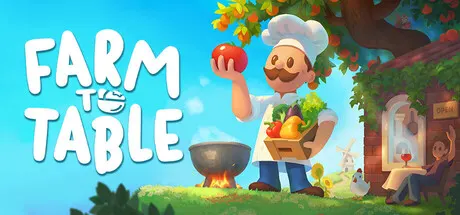
Farm to Table restaurant layout decisions decide whether the day feels calm or constantly late. Steam highlights restaurant customization across walls, flooring, windows, decorations, and furniture, but a pretty room still needs short paths between crops, storage, prep, cooking, serving, tables, and seats. Treat the layout like a working kitchen first and a display room second.
Return to the Farm to Table game guide hub when you need the wider route. If menu rating is the problem, pair this page with recipes and best recipes before adding more tables.
Last checked: May 13, 2026. Early Access build App ID 3582250; snap grid rules may evolve.
Quick Answer
Build three short loops: guest entry to tables, staff movement from kitchen to tables, and farm or pantry movement into prep. Keep those loops from crossing whenever possible. If everyone uses the same tile or doorway, that spot becomes the hidden reason food arrives late.
Service Flow Checklist
Run this checklist before blaming a recipe, staff member, or guest mood.
| Check | What to watch | Fix if it fails |
|---|---|---|
| Table and seat connection | Guests can sit, servers can reach the table, and chairs do not block the lane | Rotate or move chairs, then test a service shift |
| Guest entry | Guests do not stack at the door or first table row | Move the first row away from the entrance |
| Kitchen access | Cooks reach storage, prep, and hot stations without crossing guests | Create a kitchen-only lane |
| Serving path | Finished plates reach tables without squeezing through chairs | Move the serving pass toward the dining edge |
| Machine output | Processed ingredients arrive near prep before service | Move machines or schedule batches earlier |
| Menu rating | Food variety, service speed, and ingredient supply all support the active menu | Cut the weakest dish before adding complexity |
| Moving buildings or stations | One move creates a measurable improvement | Avoid full rebuilds until you know the choke point |
First Layout That Works
Start with a compact rectangle rather than a clever shape. Put storage near the kitchen entrance, prep beside storage, hot stations beside prep, and the serving path on the outside edge of the kitchen. Place early tables close enough for fast service but not so close that chairs block the kitchen door.
| Zone | Place it near | Leave room for |
|---|---|---|
| Storage or pantry | Farm exits, delivery points, and prep stations. | Staff turning and item drops. |
| Cold prep | Storage and machines that feed ingredients. | Multiple workers using the same counter. |
| Hot line | Prep and serving pass. | Chefs entering without crossing waiters. |
| Serving pass | Dining room edge. | Waiters collecting plates without blocking cooks. |
| Dining | Guest entry and decor sightlines. | Chair pull-out space and waiter lanes. |
If the current build uses grid snapping, test every doorway and chair with an actual service shift. A route that looks open in build mode can still be awkward when guests, staff, pets, and object animations overlap.
Walk Path Test
Before expanding, run one service and watch the busiest staff member. You are looking for hesitation, repeated backtracking, and long diagonal trips. Check these four paths:
| Path | Warning sign | Fix |
|---|---|---|
| Pantry to prep | Staff repeatedly cross the dining room. | Move storage closer or create a kitchen-only lane. |
| Prep to hot station | Chefs stand still while another worker blocks the station. | Split prep counters or widen the aisle. |
| Hot station to serving pass | Finished food waits while waiters squeeze through chairs. | Move the pass to the dining edge. |
| Tables to exit | Guests bunch near the door after eating. | Shift the first table row away from the entrance. |
Do not solve every delay by hiring. If a worker is walking too far, Farm to Table staff guide will not rescue the layout. Hire after the path makes sense.
Outdoor Farm Adjacency
Because Farm to Table connects farming with restaurant service, outdoor placement matters. If the game lets you choose farm exits, fences, gates, or storage points, aim the harvest route toward the pantry rather than toward the front door. A short farm-to-pantry path lets crops become dishes without sending workers through the guest area.
Keep market or sale areas close enough to overflow storage that you can sell extras without disturbing dinner prep. The Farmers’ Market should help clear surplus; it should not pull workers through the hot line every time a crop stack moves.
Before Expanding Seating
More seats can make less money if the kitchen cannot keep up. Before adding tables, pass this checklist:
| Check | Safe signal |
|---|---|
| Kitchen | Cooks rarely wait for space, ingredients, or machine output. |
| Waiters | Plates reach tables without repeated pathing delays. |
| Pantry | Core ingredients last through the shift. |
| Guests | Entry, seating, and exit do not stack at one doorway. |
| Cash | The extra seats will be filled often enough to repay the remodel. |
If one check fails, fix that piece first. A seating expansion multiplies existing problems. If service is already slow, more guests simply create more late orders.
Decor Layering Strategy
Decor should support the room without trapping the workers. Put visual pieces where guests spend time looking: walls near table rows, corners that do not carry service traffic, and outdoor edges that frame the restaurant. Keep main staff corridors plain unless the current build clearly rewards decorations there.
Use decorations to shape the room after the path is stable. A beautiful chair grid that blocks the serving lane will hurt more than it helps. If comfort or mood bonuses exist in your build, test decor one area at a time so you know whether the improvement came from the object or from the path change you made at the same time.
Troubleshooting Flow
When the restaurant feels slow, use this order:
- Watch one full shift without redesigning during service.
- Mark the first spot where movement breaks down.
- Move one object or station, then test again.
- If the same path still breaks, widen the lane.
- If the path is clean but work is still late, then consider staff or menu changes.
This keeps the room from turning into a constant rebuild. One clear fix is easier to measure than moving every table, counter, and decoration at once.
Layouts For Different Goals
| Goal | Layout bias | Tradeoff |
|---|---|---|
| Early cash | Compact dining room and short kitchen path. | Less visual flair. |
| Recipe testing | Extra prep and storage space near machines. | Fewer tables until the chain is stable. |
| Five-star push | Wider aisles, smoother service, careful decor. | Higher remodel cost. |
| Market overflow | Storage close to market sale points. | Must protect restaurant ingredients from being sold. |
Tie these goals to Farm to Table money making before spending heavily. A layout should pay for the problem it solves.
Related Guides
- Farm to Table money making for deciding whether a remodel is worth the cash.
- Farm to Table 5-star restaurant for linking service, comfort, and rating goals.
- Farm to Table machines for placing production without blocking prep.
FAQ
Grid snapping tricks?
Use them only after a normal path works. Fancy diagonal or compact placements can look efficient while creating small pathing delays during service.
Copy paste blueprints community?
Community blueprints are useful inspiration, but copy the path logic, not just the look. Your unlocked stations, table count, and crop route may need a different shape.
Lighting affecting mood?
If the current build rewards lighting or mood, test it after movement is stable. Lighting should not be used to hide blocked chairs, narrow doors, or messy kitchen access.
Should the Farmers’ Market be near the kitchen?
Keep it near storage or overflow crops, not in the middle of the kitchen line. It should clear surplus without stealing the space needed for dinner service.
Pets blocking?
If pets or decorative companions move through the restaurant, leave them away from the serving pass and hot stations. Any moving object near the busiest lane should be treated as a possible delay until tested.
Source And Community Notes
Community notes are useful for spotting recipe, staff, and market bottlenecks, but do not copy forum routes or trust exact values until they are checked in the current Steam build.
Sources
FAQ
What makes a strong Farm to Table restaurant layout?
Prioritize short walking loops between pantry drops, prep stations, hot stations, serving points, and tables while leaving clearance for guests and staff movement. Customization helps most when the room still works during service.
How do I connect seats to tables in Farm to Table?
Place tables and chairs with clear access on the sides guests and servers need, then test a real service shift. If guests hesitate or servers detour, widen the lane or move the chair row.
How do I improve menu rating?
Check food variety, ingredient supply, service speed, station pressure, and whether late dishes are hurting guest reactions before adding more recipes.
Can I move buildings or stations safely?
Move one piece at a time when possible, then test service. Large rebuilds make it harder to know which change fixed or broke the room.
Kitchen triangle metaphor applies?
Yes as a planning shortcut. Think of the triangle as storage, cooking, and serving, then adapt it to the stations your current build gives you.
Should Farmers' Market stalls sit far away?
Unless narrative demands isolation, keep produce egress near cold storage to reduce duplicate hauling legs described across farming-to-service flows.
How often should I redesign?
Redesign after major station unlocks, seating expansions, or repeated complaints. Smaller tweaks are easier to measure than moving the whole restaurant every time.
Can too much decor block service?
Yes, it can if decorations narrow the busiest paths. Keep wide lanes near doors, counters, the serving pass, and crowded table rows.