
Guides
Farm to Table Staff Guide: Chefs, Waiters & Farmers
Quick Answer
Hire Farm to Table staff only when a specific bottleneck repeats across several shifts: chefs for prep or stove backlogs, waiters for table service delays, and farmers when harvest or hauling steals time from the restaurant.
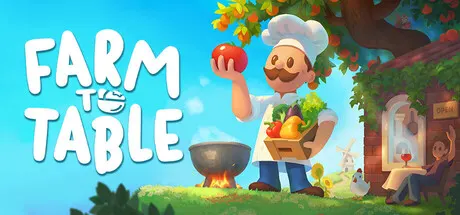
Farm to Table staff can make the restaurant feel smooth, but only when each hire answers a real problem. Steam describes hiring chefs, waiters, and farmers as part of the management loop. In practice, that means you should watch where the day breaks before spending money on wages.
Route outward through Farm to Table game guide hub.
Last checked: May 13, 2026. Early Access expectations App ID 3582250; verify wages and skill UI live.
Quick Answer
Hire staff after the same delay repeats across several shifts. Add a chef when prep or cooking blocks service, a waiter when food is ready but tables wait, and a farmer when crops or hauling steal the time needed to run the kitchen. If the path is bad, fix Farm to Table restaurant layout before adding payroll.
Staff Role Table
| Role | Hire when you see… | Do not hire when… |
|---|---|---|
| Chef | Orders pile up before cooking or dishes need more prep than one worker can finish. | Ingredients are missing or the station is blocked by layout. |
| Waiter | Finished plates sit too long or guests wait after food is ready. | The serving path is too narrow or too far from the tables. |
| Farmer | Mature crops, animal goods, or hauling tasks delay kitchen work. | You planted too much without a menu plan. |
| Flexible helper if available | One role swings between farm and restaurant tasks cleanly. | The UI does not clearly show priorities or assignments. |
The best hire removes a repeated delay and creates a calmer next shift. A poor hire creates a bigger wage bill while the same bottleneck remains.
The Three-Shift Hiring Test
Before hiring, run three similar shifts and track the first delay of each day.
| Delay you notice first | Likely fix |
|---|---|
| Cooks wait for ingredients. | Fix pantry, crops, or hauling before hiring a chef. |
| Ingredients are ready but orders wait at prep. | Hire or train a chef if layout is clear. |
| Plates are ready but tables wait. | Add a waiter or shorten the serving route. |
| Guests wait to sit or leave in a crowd. | Fix seating and entrance flow before hiring. |
| Farm tasks interrupt service. | Add a farmer after you confirm the crops are needed. |
If the first delay changes every day, your menu may be too wide. Tighten Farm to Table recipes before adding people.
Hiring Timing Gates
Cash gate: keep enough money for several weak shifts after wages. Judge the hire by profit after payroll, not by busy-looking service.
Menu gate: a staff member should support a menu that already makes sense. Hiring for a menu full of fragile dishes can make the restaurant more expensive without making it safer.
Layout gate: if workers take long walks or squeeze through the same tile, the building is the issue. Fix the room before paying another person to walk the same bad path.
Supply gate: chefs and waiters cannot fix missing ingredients. Use Farm to Table crops and Farm to Table ingredients when the kitchen runs out before the shift ends.
Scheduling Skeleton During Rush
If the current build lets you assign shifts or priorities, start kitchen work before the rush that needs it. Prep-heavy menus need chefs or helpers ready early. Fast plates with heavy table traffic need waiters positioned near the serving pass. Farmers are most useful before service when harvests and pantry movement decide what the kitchen can cook.
| Service phase | Staff focus |
|---|---|
| Before opening | Harvest, restock, prep, and machine output checks. |
| Early rush | Cooks and waiters cover the first wave without pathing delays. |
| Mid-service | Watch for shortages, ready plates, and guest queues. |
| After closing | Restock, clean up storage, and prepare tomorrow’s batches if supported. |
Training And Morale Checks
If the game shows training, morale, fatigue, or wage satisfaction, test those systems carefully. Raise one thing, then compare the next few shifts. If a worker gets faster only after a training step, the hire may need investment before it pays back. If fatigue exists, breaks may matter more than another hire.
Do not assume morale bonuses until the UI confirms them. If decor, wages, or rest areas affect staff, keep the test small so you know what changed.
Payroll Stress Test
| Question | Healthy answer |
|---|---|
| Can the restaurant survive two weak nights after this hire? | Yes, with restock money left. |
| Does the worker stay busy during the bottleneck? | Yes, without waiting on missing inputs. |
| Does profit improve after wages? | Yes, across several comparable shifts. |
| Did complaints move in the right direction? | Yes, especially complaints tied to the role. |
Financial tuning belongs with money making.
Common Hiring Mistakes
Hiring during a layout problem. A waiter cannot serve quickly through a maze of chairs. A chef cannot move faster if the prep counter blocks the stove.
Hiring before the menu is stable. If every dish needs a different rare ingredient, staff will spend the day reacting to shortages instead of making service smooth.
Hiring for a one-night spike. A busy event or lucky crop day is not enough proof. Wait for a repeated pattern unless the current build clearly demands a story hire.
Ignoring idle time. If a staff member stands around between rushes, the restaurant may need better scheduling, not more people.
What To Fix Before Hiring
| Symptom | Fix before payroll |
|---|---|
| Missing ingredients | Crop plan, pantry reserve, or machine timing. |
| Staff walk too far | Layout and station placement. |
| Too many order types | Smaller menu and better recipe choice. |
| Tables stay empty | Pricing, reputation, or opening rhythm. |
| Money swings wildly | Simpler dishes and a stronger cash buffer. |
Related Guides
- Farm to Table beginner guide if hires confuse pacing.
- Farm to Table 5-star restaurant when service ratings stagnate.
- Farm to Table restaurant layout before blaming workers for long paths.
FAQ
Do duplicate chefs stack linearly?
Usually not if they share the same blocked station, storage point, or ingredient shortage. Add another chef only when the first one stays busy and the kitchen path is clear.
Should waiters outnumber chefs?
Only when plates are ready but tables wait. If food is late before it reaches the pass, the kitchen needs attention first.
Are farmers worth night shifts?
They are worth it if the current build has overnight or early-morning farm work that directly protects restaurant service. Otherwise, keep the role tied to real harvest pressure.
Does firing free payroll instantly?
Check the current build before relying on it. Some management games charge through a pay cycle or apply penalties, so keep cash available before changing the roster.
Co-op hiring implications?
Use the staff system shown in your current build. If co-op or shared management changes later, re-test assignments, wages, and priorities.
Source And Community Notes
Community notes are useful for spotting recipe, staff, and market bottlenecks, but do not copy forum routes or trust exact values until they are checked in the current Steam build.
Sources
FAQ
Which staff role should I hire first in Farm to Table?
Hire the role that fixes the repeated delay you can see: a chef for prep or stove backlogs, a waiter for late table service, or a farmer when crops and hauling steal time from the kitchen.
Does hiring replace layout fixes?
No. Staff can speed up a workable room, but blocked doors, narrow aisles, and long serving paths still need layout changes.
How do I avoid payroll bankruptcy?
Keep enough cash for several weak shifts before hiring, then compare profit after wages rather than judging by gross sales.
Can staff learn specials?
Check the current build for training, morale, or skill UI. If those systems are present, test one change at a time so you can see whether speed improves.
Should farmers automate hauling?
Use farmers when harvest, storage, or farm-to-kitchen hauling regularly interrupts prep. Do not hire them just because fields look busy.