
Guides
SpaceCraft Base Building Guide: Planet Layout and Storage
Quick Answer
Build SpaceCraft bases around flow: input access, processing, output storage, transport, and expansion space. A clean base makes automation and trading easier.
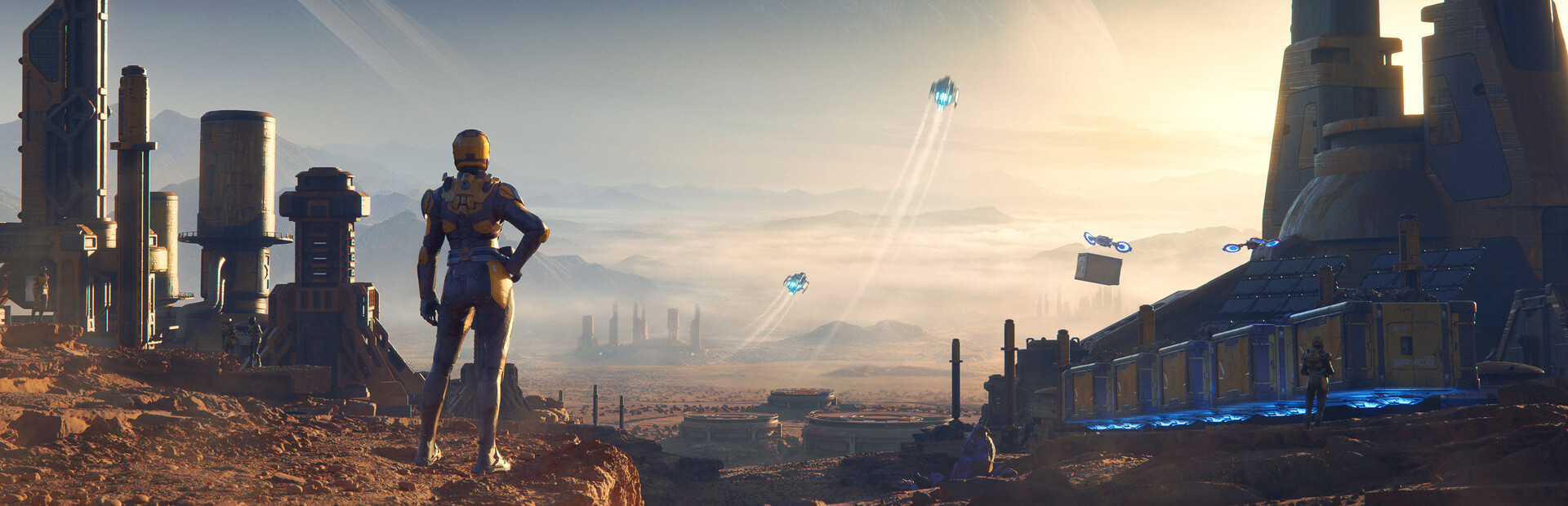
SpaceCraft base building should start with flow. Steam describes creating and automating planetary bases, which means bases are not just places to decorate. They are production, storage, transport, and expansion systems. A clean base helps ships, automation, trading, and co-op players all work from the same plan.
Open the SpaceCraft guide hub for the wider route across resources, ships, planets, co-op, and trading.
Last updated on: June 23, 2026. Use current item checks to choose the chain first, then place base modules around input, processing, output, and transport.
Quick Answer
Build the first base around one chain. Place input access near processing, output near storage, and transport near ships or routes. Leave expansion space, but do not sprawl. A base that produces one useful thing reliably is stronger than a huge base full of disconnected modules.
Base Layout Template
| Zone | Purpose | Placement advice |
|---|---|---|
| Input zone | Raw material arrival or extraction | Close to processing and easy to refill |
| Processing zone | Machines or production steps | Keep connected to input and output |
| Output storage | Finished goods and components | Separate build goods from trade goods |
| Ship access | Cargo pickup and delivery | Keep routes clear and readable |
| Automation spine | Repeated machine links | Build in a line or loop players understand |
| Expansion lane | Future machines or modules | Reserve room before filling every gap |
| Co-op work area | Shared tasks and handoff point | Put where everyone can find it |
First Base Priorities
| Priority | Why |
|---|---|
| Storage clarity | Prevents hidden shortages |
| One useful production chain | Makes the base valuable immediately |
| Transport route | Connects base output to ships and planets |
| Automation access | Lets machines scale without rebuilding |
| Expansion room | Avoids tearing down the base after one upgrade |
| Co-op rules | Keeps players from building disconnected corners |
Compact Beats Huge Early
Early bases should be compact because module size, throughput, planet yield, and traffic patterns can change the layout quickly. A compact layout is easier to fix. A giant layout with wrong assumptions can become a beautiful bottleneck.
Compact does not mean cramped. Leave space for the next machine, storage, or transport link. The point is to keep related functions close: input, processing, output, and pickup. If players must cross the base every time a material moves one step, the layout is doing too much.
Storage Categories
Use categories from the start. Raw resources, processed components, ship parts, base modules, trade goods, and protected upgrade materials should not all live in the same mental pile. Use labeling or filters when available. When they are not enough, use physical placement: raw inputs near machines, ship goods near docking, trade goods in their own area.
Storage categories matter because trading and co-op can both accidentally drain the wrong goods. A trader should never sell the component needed for the next ship because it looked like surplus.
Base And Ship Connection
A base should answer a ship question. Does the ship need cargo? Fuel? Modules? Components? A route destination? If the base cannot feed a ship or receive goods from one, its role may be unclear.
Likewise, ships should serve bases. A cargo ship moves outputs. A scout finds the next planet. A construction ship brings modules. A trade ship moves surplus. Bases and ships are one network, not separate hobbies.
Planet-Specific Bases
Each planet should have a job. If a planet supplies one key resource, build around extraction, processing, and transport for that resource. If a planet is mostly a waypoint, keep the base small. If a planet becomes a production hub, then invest in storage and automation.
Do not copy the same layout onto every planet without checking what that planet actually provides. The best base shape depends on the chain it supports.
Co-op Building Rules
| Rule | Why |
|---|---|
| One layout lead | Prevents disconnected zones |
| One automation lead | Keeps machine chains readable |
| One logistics lead | Protects storage and transport |
| Build from current bottleneck | Avoids decorative overexpansion |
| Label protected goods if possible | Stops accidental trade or spending |
| Review routes before expanding | Saves rebuilding later |
Troubleshooting Base Problems
| Problem | First fix |
|---|---|
| Machines idle | Move input storage closer or improve supply |
| Output piles up | Add storage or transport before more machines |
| Ships wait too long | Place pickup near output |
| Players cannot find goods | Separate categories and improve layout |
| New modules have no room | Stop filling expansion lanes |
| Trade slows progress | Protect build-critical goods from market storage |
First Base Review
Before leaving a planet, walk through the base as if you are a returning pilot. Can you see where raw goods enter? Can you tell which container holds processed output? Is there a clear pickup point for ships? Is the next machine space obvious? If the answer is no, fix readability before adding one more module. A readable base is faster to repair, easier for co-op players to use, and safer when a patch changes production values.
Common Base Mistakes
Do not build around decoration first. Do not place machines without input and output plans. Do not mix trade goods with ship parts. Do not let every co-op player expand in a different direction. Do not turn the first planet into a megabase before you understand planet value, automation rates, and ship routes.
The best first base is the one you can explain in one sentence: “This base turns this input into this output for this ship, module, or trade route.”
Next Pages To Open
- SpaceCraft automation guide
- SpaceCraft resources guide
- SpaceCraft ships guide
- SpaceCraft planets guide
- SpaceCraft co-op guide
Sources
FAQ
How should I build my first SpaceCraft base?
Keep the first base compact: input near processing, output near storage, and transport routes clear enough for ships and automation.
Should I make a huge planetary base immediately?
No. Start with the chain the planet supports, then expand after you know the bottleneck.
How should I choose base modules?
Start from the item or resource chain you want to support, then place only the modules that keep input, processing, storage, and transport readable.
How should co-op players build bases together?
Give one player layout ownership, one player automation ownership, and one player logistics ownership so the base stays readable.