
Guides
SpaceCraft Beginner Guide: First Route and Logistics Setup
Quick Answer
In SpaceCraft, start with one reliable resource chain, clear storage, one useful automation link, and a ship built for a specific job before expanding into planets or trading.
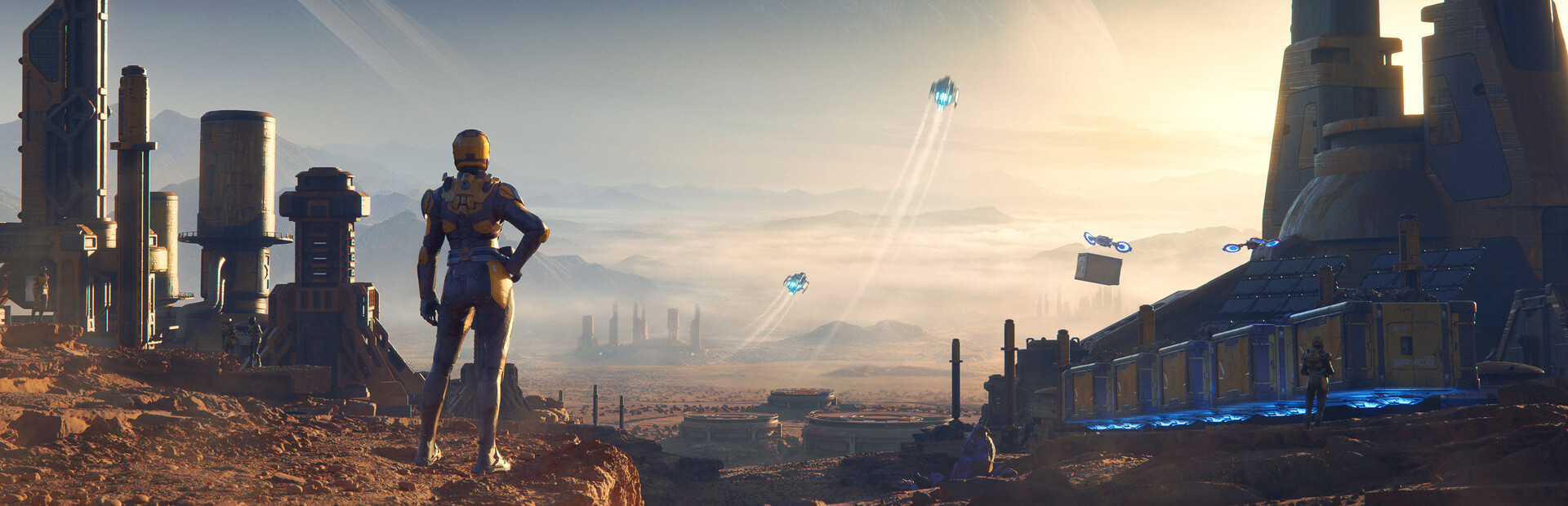
SpaceCraft beginners should resist the urge to sprint straight into the biggest ship or the widest factory. The public pitch is about space exploration, building, automation, trade, and cooperation, but those systems all depend on one foundation: a resource chain that can reliably feed the next build.
Open the SpaceCraft guide hub for the full guide route.
Last updated on: June 23, 2026. Use the database for items and direct inputs, then confirm server-specific market and rare-item choices in your own save.
Quick Answer
Start with one clean loop: gather a needed resource, turn it into a useful craft, store the output clearly, automate one repeated step, then build a ship or base part that extends the loop. Do not expand to more planets, trade lanes, or ship designs until you know what resource bottleneck you are solving.
First Session Route
| Phase | Action | Success sign |
|---|---|---|
| First login | Check server, settings, region, and controls | You can play without account or input friction |
| Starter gather | Mine or collect only the materials the first build needs | Your inventory has fewer random extras |
| First craft | Build the first useful component or station | The next task gets easier |
| Storage setup | Separate raw inputs, processed outputs, ship goods, and trade goods | You can spot shortages quickly |
| First automation | Automate one repeated input or output | It feeds a real project |
| First ship goal | Decide whether the ship is for cargo, scouting, construction, or trade | Design choices have a purpose |
| First expansion | Pick a planet or route that solves a shortage | New travel feeds the network |
The Beginner Mindset
SpaceCraft is likely to reward players who ask “what feeds what?” A resource is not just something to collect. It feeds crafting. Crafting feeds ships and bases. Bases feed automation. Automation feeds logistics. Logistics feeds trading and exploration. If one link is weak, the whole company slows down.
That means beginners should not judge progress by how many systems they touched. Judge progress by whether one chain works. If you can gather, process, store, move, and use a material without confusion, you are ready to scale.
Beginner Priority Table
| Priority | Do this | Delay this |
|---|---|---|
| Resource clarity | Know what each early resource is used for | Stockpiling unknown materials forever |
| Storage | Separate categories from the start | One giant mixed container |
| Automation | Automate repeated tasks with clear output | Building machines with no input plan |
| Ship design | Build for one job | A ship that tries to do everything |
| Base layout | Keep inputs, processing, and transport close | Decorative sprawl |
| Trading | Sell surplus after supply is stable | Chasing prices before production exists |
| Co-op | Assign jobs by system | Everyone mining the same node |
First Resource Chain
Your first chain should be short enough to understand. Search the item you want, gather the direct inputs, process them into the component, place that component into storage, and spend it on a station or ship part.
Once the chain works manually, automate one repeated step. Do not automate every visible recipe. A small machine that reliably feeds your next ship part is better than a huge base that produces goods nobody needs.
First Ship Decision
Ships are exciting, but the first ship should have a job. Cargo ships move goods. Scouting ships find routes or planets. Construction ships support building. Trade ships move valuable surplus. Even a specialist ship should serve a clear company need.
Before adding modules or upgrades, ask what the ship cannot do yet. Is cargo the problem? Range? Speed? Docking? Fuel? Crew? Storage? Upgrade the weakest link first.
First Planetary Base
Your first base should make a resource chain stronger. Place production close to input and output. Keep storage readable. Leave room for expansion. Do not spread machines across a planet because the terrain looks nice. A base is a logistics object first and a visual project second.
If a planet only solves a small shortage, keep the base small. If it becomes a major production site, then invest in layout, transport, and automation.
Beginner Co-op Roles
| Role | First job |
|---|---|
| Miner | Bring in the current target resource |
| Builder | Place storage, production, and base modules cleanly |
| Automation lead | Connect one useful chain without overbuilding |
| Pilot | Test ship handling, routes, and cargo needs |
| Trader | Watch prices, surplus, and market access after supply exists |
| Logistics lead | Decide where materials move and where bottlenecks sit |
Common Beginner Mistakes
Do not treat every material as equally important. Do not build automation before storage. Do not build ships without a route or job. Do not trade away the material needed for your next upgrade. Do not let a co-op group become six players mining separately while nobody builds the chain.
The cleanest beginner rule is: finish one loop before starting three more. SpaceCraft will almost certainly tempt you with wide systems. A narrow working chain beats a wide broken one.
Pause after each new station, ship module, or route and ask whether it made the original chain easier to run. If the answer is unclear, sort storage, check the next direct input, and fix the bottleneck before adding another system.
Next Pages To Open
- SpaceCraft resources guide
- SpaceCraft automation guide
- SpaceCraft ships guide
- SpaceCraft base building guide
- SpaceCraft co-op guide
Sources
FAQ
What should I do first in SpaceCraft?
Build a reliable resource chain and storage setup before chasing advanced ships, trade routes, or large planetary bases.
Should beginners focus on automation immediately?
Use automation early, but only for a repeated task that feeds your next build. Avoid decorative automation that solves nothing.
When should I build my first ship?
Build a ship once you know its job: cargo, scouting, construction support, travel, or trade.
Can beginners play SpaceCraft in co-op?
Yes, but co-op groups should assign roles around mining, building, automation, ships, trading, and logistics before the first session drifts.