
Game Hub
Farm to Table Game Guide Hub: Recipes & Restaurant Tips
A restaurant-farm hub for recipes, ingredients, machines, staff, layout, crops, money, and 5-star reputation.
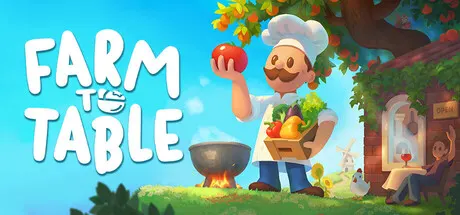
Popular Checks
4 quick linksIn Farm to Table, your first goal is one stable farm-to-kitchen-to-table loop: grow or gather reliable ingredients, prep a short menu before service, then reinvest into the single bottleneck that slowed the last shift.
Check Recipes Check RecipesBuild Farm to Table recipes around a small reliable menu first: keep staple dishes that the pantry can repeat, test ingredients such as eggs, flour, tomatoes, fish, and mollusks during quiet windows, and add advanced recipes only when machines, staff, and service paths can support them.
Fix Profit Fix ProfitFarm to Table restaurant not earning money guide for diagnosing menu costs, service speed, ingredient supply, staff wages, Farmers' Market sales, and layout problems.
Improve Layout Improve LayoutA good Farm to Table restaurant layout keeps guest seating, waiter movement, kitchen prep, and farm-to-pantry hauling in separate short loops, then expands only after the busiest path stays clear for several services.
All Guides
11 pagesTools & Databases
Start Farm to Table with a short menu, steady crop supply, clear table and kitchen paths, and machines only when a processed ingredient is blocking a dish you can actually serve.
Version focusSteam Early Access build checked May 14, 2026
Current statusMedium. Steam confirms the farming, restaurant, staff, machines, Farmers' Market, and Early Access context, but exact values, timers, recipe names, and unlock order should be checked in the current build.
Official pageOpen official page
Guide Map
Choose the route that fits your save.
Start with the problem in front of you, then move sideways into the next useful guide.
Kitchen and Farm
Crops, recipes, ingredients, machines, and menu planning.
In Farm to Table, your first goal is one stable farm-to-kitchen-to-table loop: grow or gather reliable ingredients, prep a short menu before service, then reinvest into the single bottleneck that slowed the last shift.
Crops Farm to Table Crops Guide: Fields & Harvest RhythmPlan Farm to Table crops backward from the dishes you want to serve: reserve staple ingredients for the next service, stagger harvests so the kitchen is not flooded at once, and sell only true overflow through the Farmers' Market.
Recipes Farm to Table Recipes Guide: All Recipes, Ingredients, and Menu TipsBuild Farm to Table recipes around a small reliable menu first: keep staple dishes that the pantry can repeat, test ingredients such as eggs, flour, tomatoes, fish, and mollusks during quiet windows, and add advanced recipes only when machines, staff, and service paths can support them.
Recipes Farm to Table Best Recipes to Rush ProgressionThe best Farm to Table recipes are the dishes your restaurant can repeat without shortages, station jams, or late service. Start with one staple, one backup dish, one surplus dish, and only one test recipe at a time.
Ingredients Farm to Table Ingredients: Sourcing & Pantry DisciplineTreat Farm to Table ingredients as restaurant commitments: reserve staples for the next service, separate machine inputs from market overflow, and expand the menu only when the pantry can support the dish repeatedly.
Machines Farm to Table Machines Guide: Processing ChainsBuy Farm to Table machines when a processed ingredient repeatedly blocks a profitable menu, then place the machine near storage, schedule batches before service, and keep enough raw inputs reserved for the next run.
Restaurant Flow
Money, reputation, layout, staff, and profit troubleshooting.
The safest Farm to Table money loop is to run a small menu with reliable ingredients, compare three shifts of dining income against Farmers' Market overflow, then reinvest only where a machine, staff hire, or layout change removes the bottleneck you can actually see.
Reputation Farm to Table 5-Star Restaurant Reputation GuideThe most reliable way to push a Farm to Table restaurant toward five stars is to stabilize the menu, shorten service paths, remove recurring complaints, and then add prestige dishes or decor one piece at a time.
Layout Farm to Table Restaurant Layout: Flow & Service SpeedA good Farm to Table restaurant layout keeps guest seating, waiter movement, kitchen prep, and farm-to-pantry hauling in separate short loops, then expands only after the busiest path stays clear for several services.
Staff Farm to Table Staff Guide: Chefs, Waiters & FarmersHire Farm to Table staff only when a specific bottleneck repeats across several shifts: chefs for prep or stove backlogs, waiters for table service delays, and farmers when harvest or hauling steals time from the restaurant.
Money Farm to Table Restaurant Not Earning Money: Profit TroubleshootingFarm to Table restaurant not earning money guide for diagnosing menu costs, service speed, ingredient supply, staff wages, Farmers' Market sales, and layout problems.
Farm to Table is a farming and restaurant management sim about growing ingredients behind the restaurant, turning them into dishes, serving guests, hiring staff, using machines, and selling produce through a Farmers’ Market lane. This hub keeps those systems connected so you can move from a messy first week to a stable farm-to-kitchen routine.
Last checked: May 14, 2026. This hub uses the Steam store page, Steam Community, and SteamDB as source anchors. Exact recipe values, timers, staff costs, and machine outputs should be checked in the current build because Farm to Table is in Early Access.
Quick Route
Start with recipes if the menu is the problem, layout if orders are late, machines if processed ingredients are blocking dishes, crops if the pantry is empty, and the beginner guide if the whole first week feels noisy.
| If your problem is… | Open this first | What to fix |
|---|---|---|
| You need all recipes or menu tests | Recipes | Test ingredients, keep the menu short, and record what unlocks |
| You want a smaller menu shortlist | Best Recipes | Pick staples, backup dishes, and one controlled experiment |
| Guests or staff move awkwardly | Restaurant Layout | Connect tables and seats, reduce walk distance, and clear station collisions |
| Processing falls behind | Machines | Batch intermediates before dinner pressure starts |
| The pantry empties mid-shift | Ingredients and Crops | Match farm output to active dishes |
| The first week feels chaotic | Beginner Guide | Build one daily loop before chasing every unlock |
| Orders fail during service | Recipes and Staff | Shorten the menu and match hires to the actual bottleneck |
| Cash stops upgrades | Money Making | Separate steady income from reputation experiments |
| The restaurant is open but not earning | Restaurant Not Earning Money | Diagnose menu margin, staff wages, service speed, layout, and market leakage |
| Rating stalls | 5-Star Restaurant | Stabilize food, service, layout, and menu breadth together |
Official Source Notes
| Public detail | How this hub uses it |
|---|---|
| Steam describes Farm to Table as farming plus restaurant management | Every guide ties field planning to kitchen and service outcomes |
| The store copy mentions crops, gathering, fishing, animals, machines, recipes, staff, and Farmers’ Market selling | The hub separates supply, prep, service, market, and reputation instead of treating them as one article |
| The game launched in Early Access on Steam in May 2026 | Numbers and exact unlock order are written cautiously until stable patch data is available |
| The developer frames growth around feedback, balance, economy, and pacing | Pages prefer practical routing and checklists over brittle “best value forever” claims |
Guide Map
| Guide | Best for | Link |
|---|---|---|
| Beginner Guide | First sessions and loop clarity | /guides/farm-to-table-game-beginner-guide/ |
| Recipes | Discovery and menu planning | /guides/farm-to-table-recipes/ |
| Ingredients | Sourcing and prep discipline | /guides/farm-to-table-ingredients/ |
| Crops | Field planning and harvest rhythm | /guides/farm-to-table-crops/ |
| Staff Guide | Hiring chefs, waiters, farmers | /guides/farm-to-table-staff-guide/ |
| Machines | Processing chains and throughput | /guides/farm-to-table-machines/ |
| Money Making | Coins per hour and reinvestment | /guides/farm-to-table-money-making/ |
| Restaurant Not Earning Money | Profit troubleshooting and bottleneck checks | /guides/farm-to-table-restaurant-not-earning-money/ |
| 5-Star Restaurant | Reputation and quality gates | /guides/farm-to-table-5-star-restaurant/ |
| Restaurant Layout | Flow, spacing, service speed | /guides/farm-to-table-restaurant-layout/ |
| Best Recipes | High-value picks when unsure | /guides/farm-to-table-best-recipes/ |
Farm-To-Restaurant Loop
Farm to Table is easiest to read as a chain. When one link is weak, do not widen the whole restaurant. Fix the link.
| Link | Healthy sign | Warning sign |
|---|---|---|
| Farm and gathering | Key inputs arrive before prep time | Cooks wait for ingredients during service |
| Pantry | Staples cover several dishes | Every recipe needs a unique fragile item |
| Machines | Processors run in planned batches | Raw goods pile up while advanced dishes stall |
| Menu | Two or three staples carry service | Too many dishes fight over the same station |
| Staff | Each hire removes a repeated bottleneck | Payroll rises but tickets still wait |
| Profit | The menu, staff, and market all support the same money route | Guests arrive but payroll, waste, or missing ingredients eat the margin |
| Layout | Walk paths are short and readable | Guests, servers, and cooks cross the same choke point |
| Market | Surplus converts to cash without starving the menu | Market sales empty tomorrow’s ingredients |
First Stable Week Checklist
- Keep the menu short enough that every dish has a reliable ingredient path.
- Plant or gather for tomorrow’s prep, not only tonight’s sale.
- Use machines when raw ingredients are no longer the bottleneck.
- Hire staff only when a repeated task is blocking service or farm output.
- Sell overflow at the Farmers’ Market only after protecting the restaurant menu.
- Change one variable per day when testing prices, layout, or recipe breadth.
- If money stalls, run one shift with a narrow menu before buying more staff, decor, or seats.
- Save notes after patches if a recipe, timer, or price feels different.
Market vs Dining Room
The Steam page mentions both seated service and Farmers’ Market selling. Treat them as two lanes with different jobs:
| Lane | Best use | Risk | | --- | --- | | Dining room | Reputation, recipe testing, staff value, higher service fantasy | Too many dishes can collapse prep and service | | Farmers’ Market | Surplus conversion, simple cash, pressure relief after harvest spikes | Selling the wrong surplus can starve tomorrow’s menu | | Machines | Turning common goods into advanced inputs | Overbuilding processing before crop supply is stable | | Animals and fishing | Menu variety and ingredient diversity | Volatile supply if treated as the main staple too early |
Confirmed vs Needs Verification
| Confirmed from public sources | Needs current build checking |
|---|---|
| Farming and restaurant management are the core loop | Exact crop growth times and sell values |
| Recipes are tied to ingredient exploration and kitchen play | Full recipe list and best-profit ranking |
| Machines support better food production | Machine output rates, fuel costs, and unlock order |
| Staff can support the restaurant operation | Exact wages, role caps, and best hiring sequence |
| Farmers’ Market selling exists alongside restaurant service | Whether market reputation affects restaurant score |
| Early Access can change balance and content | Timers, prices, complaints, and recipe names after patches |
FAQ
Does Farm to Table include combat?
Public Steam material centers on farming, cooking, building, exploration, staff, machines, and restaurant management. Treat exploration as an ingredient and discovery lane unless a future patch clearly changes that.
Should I rush five stars immediately?
No. Five-star progress is easier after the farm, pantry, machines, staff, and layout can support a consistent menu.
Is the Farmers’ Market separate from the dining room?
Steam copy presents Farmers’ Market selling as another outlet for produce. Use it for planned surplus, not ingredients the restaurant needs tomorrow.
Where do recipes come from?
Official language emphasizes discovering recipes through ingredients and island exploration. The recipes guide keeps that as a planning checklist instead of pretending the full final recipe database is stable.
Why split crops and ingredients?
Fields answer “what should I grow and when?” Ingredients answer “what does my kitchen actually need?” The two overlap, but they solve different problems.
Will guides stay updated?
Yes. Pages with unstable Early Access details should be checked again after major Steam patches, especially recipe values, machine outputs, staff costs, and market behavior.
Sources
FAQ
What is Farm to Table in one sentence?
It is a farming and restaurant management sim on Steam where you grow ingredients, cook, serve guests, hire staff, unlock machines, and push toward a five-star organic restaurant on a colourful island.
Which Farm to Table guide should I read first?
New players should start with the beginner guide, then choose recipes, crops, or staff depending on whether your bottleneck is menu depth, ingredient supply, or service pressure.
Does Farm to Table have multiplayer yet?
The Steam Early Access developer notes describe single-player first, with co-op possibility evaluated later based on support. Treat multiplayer as uncertain until an official announcement confirms it.
How long is Early Access expected to last?
Developer messaging on the Steam page cites roughly six to twelve months of Early Access, with flexibility based on feedback and polish goals.
Where should I report bugs or balance issues?
Use Steam Discussions for the app and the developer's active Discord community spaces linked from official channels for bug reports and balance feedback—this walkthrough hub is not a support inbox.