
Guides
Outbound Solar Power Guide: Build a Reliable Solar Setup
Quick Answer
Build Outbound solar around critical load, daylight surplus, and night battery buffer. Add panels before heavy new stations, but add batteries whenever daytime power is being wasted or the van browns out after sunset.
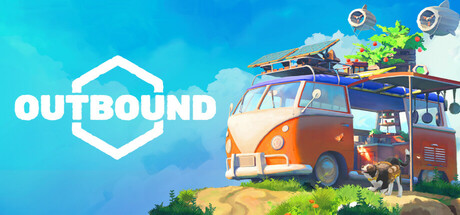
Outbound solar power is about reliability, not just sustainability aesthetics. In the current live game, a good solar build keeps essential systems online through travel, crafting bursts, weather changes, and night use.
Use this together with the Outbound guide hub and the general energy page.
Last checked: July 3, 2026. Confirm exact panel output, battery capacity, weather behavior, and station draw in your own save before spending rare materials on a permanent solar setup.
Quick Answer
Design solar around three numbers: critical load, daytime surplus target, and night buffer duration. If one of those is unknown, test with a short crafting batch before adding another appliance.
How Solar Power Works in Outbound
Outbound’s van runs on a renewable energy system where solar panels convert sunlight into power that charges your batteries and runs onboard stations. Unlike a static base, the van moves through different biomes and weather conditions, which makes solar planning more dynamic than in typical base builders.
Key solar variables in Outbound:
| Variable | How it affects your setup | What to watch |
|---|---|---|
| Time of day | Generation peaks at midday and drops toward evening | Run power-hungry crafting during peak generation windows |
| Weather and biome | Some biomes have less sunlight or more cloud cover | In low-light areas, battery reserves become critical |
| Panel capacity | More or larger panels increase peak generation | Scale panels before adding high-draw stations |
| Battery storage | Determines how long you can run without active generation | Size batteries for overnight demand plus a margin |
| Panel placement on the van | Roof placement affects available surface area | Upgrade to higher-capacity panels when roof space is limited |
Solar Planning by Stage
| Stage | Panel target | Battery target | Decision point |
|---|---|---|---|
| First van build | Cover all critical stations at peak load | Enough for 6–8 hours without sun | When to stop adding panels and start adding batteries |
| Expanding load | Add panels before adding stations | Scale batteries proportionally | Never add a new high-draw station without matching generation |
| Late van optimization | High-efficiency panels replace starter tier | Deep battery bank for extended cloudy or night travel | When to switch from capacity expansion to efficiency upgrade |
Avoiding the Most Common Solar Failures
Brownout during crafting: Most crafting stations draw high power for short periods. If your battery is low and the sun is down, even a single crafting run can drop below the minimum threshold for other stations. The fix is to batch high-draw crafting tasks during peak solar hours rather than running them at any time.
No buffer for weather transitions: Moving between biomes in Outbound can change your solar income suddenly. A fully-charged battery bank at biome entry means you can handle a low-sun period without losing progress.
Mismatched panel and battery scaling: Adding panels without batteries wastes daytime surplus. Adding batteries without panels leaves them empty. They scale together — every panel upgrade should come with a storage review.
Solar vs Other Generation
Solar is strongest when it covers regular daytime demand and recharges a battery bank for night or cloudy stretches. If your current build offers another source, use it as backup for low-light zones or high-draw crafting rather than treating solar as the only answer.
Starting solar build checklist:
- Panels installed and connected to the power system
- Battery bank sized for overnight critical load plus a 20% margin buffer for unexpected demand peaks
- Critical stations confirmed as highest-priority in the load order
- At least one full day cycle observed before adding any new high-draw stations to the van
- Battery state above 50% before starting a long crafting batch
Solar Planning Table
| Metric | Goal |
|---|---|
| Daylight coverage | 100% of critical load |
| Charge surplus | Enough for evening peak |
| Night reserve | No critical downtime |
Related Guides
FAQ
Should I overbuild panels early?
Moderately, but not at the cost of core progression systems.
Is battery or panel upgrade better first?
Depends on whether your issue is generation or storage.
Can solar support co-op sessions?
Yes, with stronger storage and clearer load scheduling.
What is the top solar mistake?
Ignoring night-time demand when sizing the system.
Current Solar Route
Use this route before placing permanent panels or adding a heavy station:
- List the stations that must stay online.
- Watch the battery during one normal day and one night.
- Add panels if daytime demand is not covered.
- Add batteries if daytime surplus is wasted or night demand fails.
- Run one crafting batch before expanding the van load again.
Live Solar Decision Table
| Situation | Best move | Why it matters |
|---|---|---|
| Starter power | Cover constant demand first | Prevents stop-start crafting |
| Expansion | Add power before adding workload | Keeps systems stable |
| Battery drops after sunset | Add storage before another station | Panels cannot help when the sun is gone |
| Daylight power is wasted | Add storage or schedule work at peak sun | Surplus only helps if it becomes usable buffer |
| Co-op van load grows | Recheck solar and battery together | More players usually means more stations running |
Before You Rely On Exact Values
- Recheck official notes, in-game menus, or patch notes if a value, route, schedule, or unlock looks different.
- Use the table for the decision, then update exact numbers from the current build when needed.
- Save rare resources before spending them on an unconfirmed route.
- Move to the next guide only when this system starts depending on another one.
Where To Go Next
Use the Outbound hub as the starting point, then move through beginner guide, resources, crafting, energy, solar power, van building, and co-op. Pick the page that matches your current blocker rather than reading every guide in order.
Sources
FAQ
Is solar power enough in Outbound?
Solar can be excellent for baseline loads if paired with proper battery sizing and a backup plan for low-generation periods.
How many panels should I build first?
Start with enough to cover critical daytime load plus charging margin, then scale with consumption.
Why does my solar setup still brown out?
Most brownouts come from poor storage sizing or unscheduled heavy loads outside generation windows.
Should I run hybrid energy systems?
Hybrid setups are often safer for growth because they reduce dependency on one generation pattern.