
Guides
Time to Sow Crops Guide: Planning Fields Before Launch
Quick Answer
Before exact Time to Sow crop values are known, group crops by role: starter income, unlock materials, robot test fields, biome crops, and keep-sample crops.
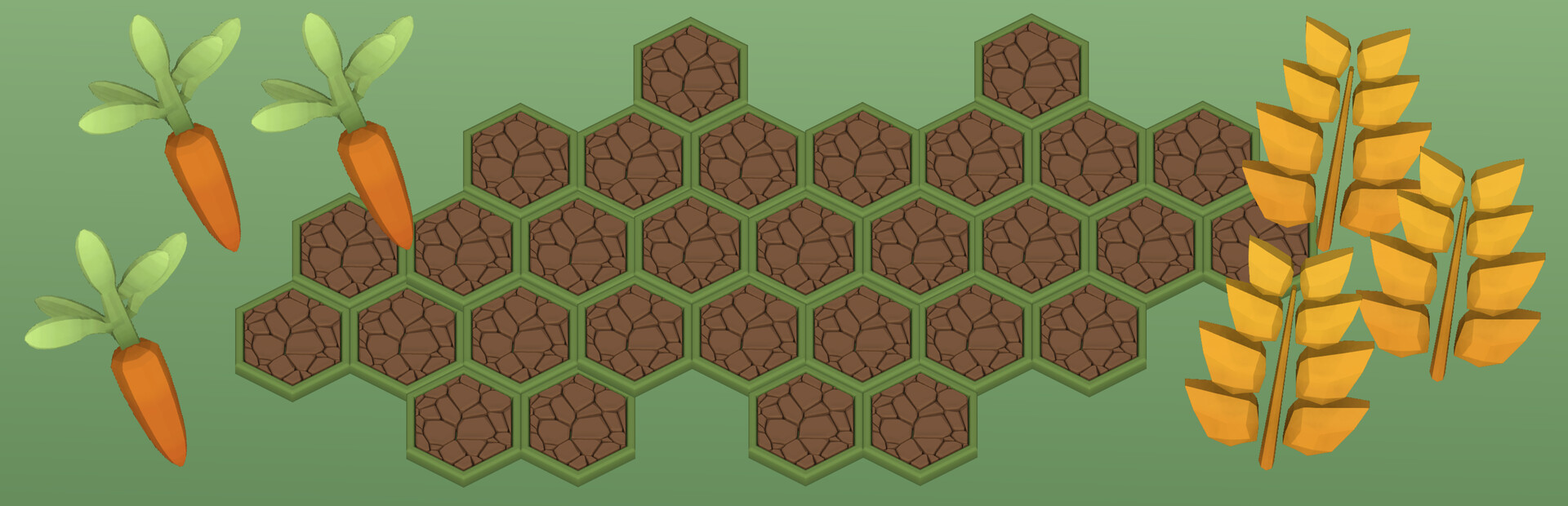
Time to Sow crops should be planned around layout and automation before exact values are known. Steam confirms crop cultivation and varied biomes, but it does not provide a final crop list, growth chart, seed list, or sell-value list before launch. That means the useful pre-launch guide is about field planning and crop roles.
Last checked: June 23, 2026. Steam currently shows Time to Sow as coming soon and highlights farming, Harvesting Robots, terraforms, biomes, decor, and a skill tree. Exact crop data needs a playable build.
Quick Answer
Group crops by purpose, not by excitement. Keep starter crops compact, keep samples of new crops, leave clear paths for robots, and delay final biome planning until the launch build proves how crops interact with land and terraforms.
Crop Role Table
| Crop role | What it means | First-farm habit |
|---|---|---|
| Starter crop | First reliable harvest loop | Plant in a simple block |
| Income crop | Crop that funds tools, robots, or unlocks | Compare after launch before scaling |
| Unlock crop | Crop used for skills, terraforms, or quests if present | Keep samples before selling |
| Robot test crop | Crop used to test automated harvest routes | Place in a clean, repeatable shape |
| Biome crop | Crop tied to a specific land type if confirmed | Test in small batches first |
| Decor-adjacent crop | Crop used to make the farm look good | Add after utility routes work |
Field Shape Before Values
The safest pre-launch assumption is that clean fields beat scattered fields. If robots harvest crops, then pathing and reach can matter. If terraforms reshape land, then field shape can change later. If biomes affect crops, then grouping by biome may matter. All three possibilities reward readable farm design.
Use rectangles, rows, or compact patches until the game proves a better layout. Leave enough walking space around each crop group. Avoid placing every new crop in a different corner of the map. If a field is difficult for you to inspect manually, it will probably be difficult to automate cleanly.
Starter Crop Strategy
The first crop should teach the loop rather than maximize profit. Plant enough to see how harvesting feels, but not so much that the entire first session becomes manual cleanup. If Time to Sow gives several seeds early, separate them into small groups. That lets you compare growth rhythm, output, and robot compatibility without mixing the results together.
Keep at least one harvest sample from each new crop until the game proves what it is for. Farming games often use early crops for unlocks, recipes, upgrades, quests, or skill gates. Selling everything immediately can feel efficient and still slow progression later.
Biome Crop Planning
Steam mentions varied biomes, so crops may eventually care about land type, region, or terraform state. Until that is proven, treat each biome crop as a small experiment. Plant a small patch, watch whether the game gives any warning or bonus, and only scale after the crop behaves predictably.
If the launch build makes biome rules obvious, split fields by biome early. If biome rules are cosmetic or light, group by harvest timing instead. The point is to let the current build decide the farm structure.
First Crop Checklist
| Check | Why |
|---|---|
| Seed source | Determines whether the crop is repeatable |
| Growth time | Decides whether it fits short or long loops |
| Harvest method | Shows whether robots can help |
| Output use | Prevents selling unlock materials |
| Biome effect | Decides where to plant next |
| Skill interaction | Helps choose early upgrades |
| Terraform interaction | Shows whether land shape matters |
What To Check After Launch
After release, exact crop checks should include crop name, seed source, growth time, harvest output, sell value, biome requirement, robot compatibility, skill interaction, and whether the crop is needed for unlocks. Until those details are visible in the current build, a clean role list is safer than a fake value list.
Robot-Friendly Crop Layout
| Layout habit | Why it helps |
|---|---|
| Keep crop groups compact | Robots and players can cover the area faster |
| Leave straight paths | Automation is easier to inspect |
| Separate test fields | New crops do not disrupt reliable income |
| Keep storage nearby if storage exists | Reduces travel and manual cleanup |
| Leave expansion room | Lets the farm grow without demolition |
Crop Scaling Decision
| Scale up when… | Stay small when… |
|---|---|
| You can repeat seeds reliably | Seed source is unclear |
| The crop funds a useful unlock | You have not checked its other uses |
| Robots can harvest it cleanly | Robot behavior is still unknown |
| The field can expand without blocking paths | The crop patch is in a temporary spot |
| The skill tree supports it | You have not seen crop-related skills yet |
Scaling should feel like removing uncertainty. If the crop still has unknown uses, unknown seed access, or unknown automation behavior, keep it as a test patch.
Common Crop Mistakes
| Mistake | Better move |
|---|---|
| Scaling the first crop blindly | Wait until values and uses are clear |
| Selling every new crop | Keep samples for unlock checks |
| Mixing every crop together | Group by purpose and harvest rhythm |
| Ignoring robot access | Design fields robots can actually serve |
| Treating biomes as cosmetic only | Check whether biome affects crop behavior |
Next Pages To Open
- Time to Sow beginner guide
- Time to Sow robots
- Time to Sow automation
- Time to Sow terraforms
- Time to Sow skill tree
Sources
FAQ
Are all Time to Sow crops known before launch?
No. Steam confirms crop cultivation, but exact crop names, values, growth times, and seed sources need a playable build.
How should I arrange crops first?
Use compact groups with clear paths so robots and manual harvesting stay readable.
Do biomes affect crops?
Steam mentions varied biomes, but exact biome crop rules need a playable build.
Should I sell every first harvest?
Keep samples of new crops until you know whether they are needed for unlocks, skills, robots, or terraforms.