
Guides
Time to Sow Terraforms Guide: Land Shape and Farm Layout
Quick Answer
Use Time to Sow terraforms to solve real layout problems: blocked movement, awkward crop groups, robot paths, biome placement, or expansion space.
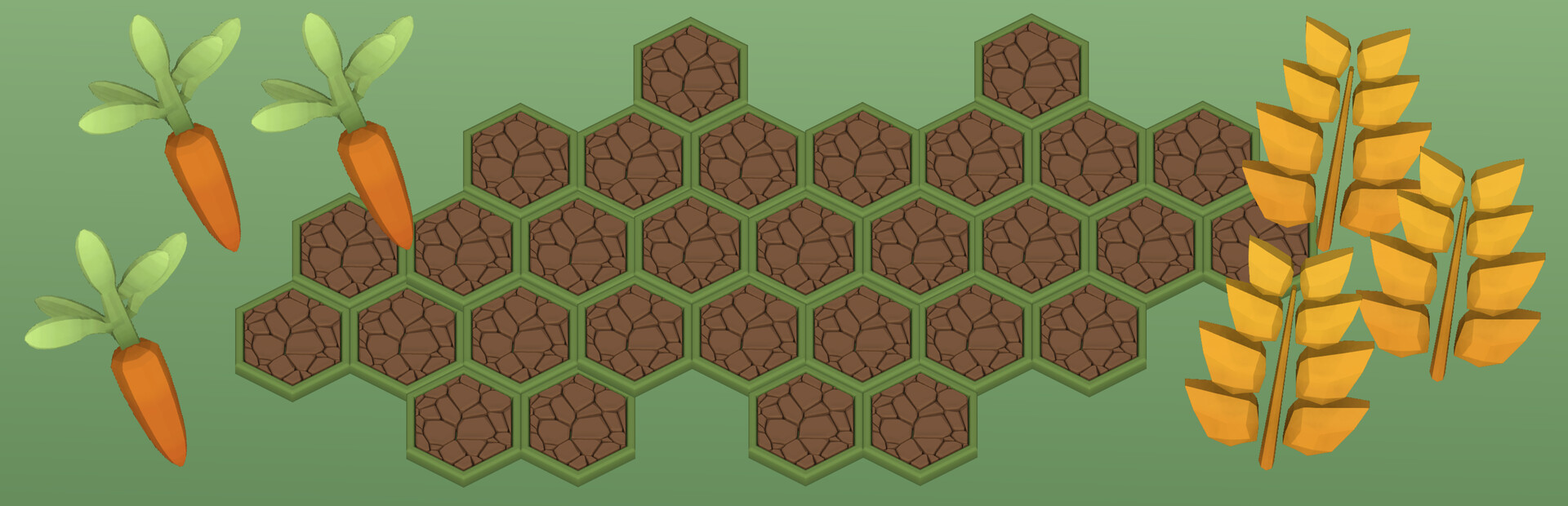
Time to Sow terraforms are worth treating as a farm-planning system, not just decoration. Steam lists terraforms alongside crops, Harvesting Robots, varied biomes, decor, and a skill tree. That combination suggests land shape may affect how comfortable the farm is to run, how robots move, and how crop zones are arranged.
Last checked: June 23, 2026. Steam currently shows Time to Sow as coming soon and confirms terraforms as a public feature. Exact terraform names, costs, unlocks, limits, biome behavior, and reversibility need a playable build.
Quick Answer
Terraform when the land is causing a real problem. Good reasons include blocked movement, awkward field shapes, poor robot access, confusing biome boundaries, or no room to expand. Bad reasons include changing everything immediately because the tool exists.
Terraform Decision Table
| Problem | Terraform may help if | Wait if |
|---|---|---|
| Movement feels slow | A path or land change shortens daily routes | You have not learned the map yet |
| Crops are awkward | The land prevents compact fields | You can fix it with simpler placement |
| Robots struggle | Range or pathing is blocked by terrain | Robot behavior is not understood |
| Biomes matter | Crop types need specific land zones | Biome rules are still unknown |
| Farm looks messy | Utility layout is already stable | Core crop and robot loops still fail |
First Terraform Rule
Do not terraform the whole farm before you know the cost of mistakes. The first terraform should solve one visible friction point. If you cannot name the problem, wait. A farming automation game can become painful if early land changes force awkward robot routes or make crop groups harder to read.
First Safe Terraform Test
Use the smallest practical land change first. Pick a low-risk spot near a starter field, then see whether the game lets you preview, cancel, reverse, or rebuild the change. If the terraform is easy to undo, you can experiment more freely. If it costs rare resources or becomes permanent, treat the first farm as temporary and save major reshaping for later.
The best early terraform is usually a path improvement or field cleanup. Straighten one route between crops and the place you return to most often. Open one expansion area beside a reliable crop group. Do not carve the whole map into a final design before robots and biomes prove their rules.
Terraform Questions That Change Everything
| Question | If yes | If no |
|---|---|---|
| Can terraforms be reversed? | Experiment on the main farm | Test away from core fields |
| Do terraforms affect crops? | Group crop tests by land type | Use terraforms mostly for movement |
| Do robots care about terrain? | Build robot lanes first | Focus on human movement and field shape |
| Are terraforms skill-locked? | Plan skills around layout needs | Spend points elsewhere first |
| Are terraforms expensive? | Use only for major friction | Use for polish after the farm works |
Practical Uses
| Use | Why it can be valuable |
|---|---|
| Straightening a crop block | Makes harvesting and robot coverage easier |
| Opening a path | Reduces repeated travel |
| Creating an expansion zone | Keeps new crops from scattering |
| Separating biome fields | Helps compare crop behavior |
| Clearing robot lanes | Makes automation easier to inspect |
| Supporting decor later | Lets the farm look good after it works |
Launch-Build Checks
The launch build should answer whether terraforms are free, crafted, bought, unlocked by skills, limited by biome, reversible, tied to crop behavior, or purely visual. Each answer changes the route. Free reversible terraforms invite experimentation. Expensive irreversible terraforms demand caution. Skill-locked terraforms may compete with robot or crop upgrades.
Terraform And Robots
If robots work by radius, land shape should support compact work zones. If robots work by path, land shape should create clean lanes. If robots deliver outputs, land shape should shorten the path to storage. Until those rules are confirmed, leave more space than you think you need.
Terraform And Decor
Decor is part of Time to Sow’s public feature set, but decor should follow the working route early. Once crop groups, robot lanes, and terraforms make sense, decoration becomes much easier. You can make edges, paths, and biome zones look intentional without blocking the machinery that keeps the farm running.
If decor pieces have bonuses in the launch build, treat them as utility. If they are cosmetic only, place them after repeated work is handled. A beautiful farm that slows every harvest will feel worse than a plain farm that runs smoothly.
Before And After Check
Before changing land, walk the route once and name the problem. After changing land, walk the route again and confirm it is shorter, clearer, or easier for robots to use. If the change only looks better but does not improve movement, crop grouping, or expansion, save that style of terraforming for later.
Good terraforming should make tomorrow’s farm routine easier, not just today’s screenshot cleaner.
Common Terraform Mistakes
| Mistake | Better move |
|---|---|
| Reshaping land before learning crops | Plant a test field first |
| Building for looks before automation | Make the farm work, then decorate |
| Ignoring robot lanes | Leave clear paths |
| Assuming terraforms are reversible | Test on a low-risk patch first |
| Mixing biome experiments | Keep test fields separated |
Next Pages To Open
- Time to Sow beginner guide
- Time to Sow automation
- Time to Sow robots
- Time to Sow crops
- Time to Sow skill tree
Sources
FAQ
What are terraforms in Time to Sow?
Steam lists terraforms as a feature tied to shaping the farm, but exact types and limits need a playable build.
Should I terraform early?
Only when land shape is blocking movement, crop grouping, robot routes, or expansion.
Can terraforms affect crops?
Possibly if biomes or land types matter, but exact crop interactions need the current build.
Are terraforms decoration?
They can support the look of the farm, but the safest early use is practical layout improvement.