
Guides
Subnautica 2 Beginner Guide 2026: First Hour Route and Early Survival
Quick Answer
In your first Subnautica 2 session, keep the loop small: stabilize oxygen, food, water, scanning, one safe resource route, and one practical base plan before chasing deep biomes or rare materials.
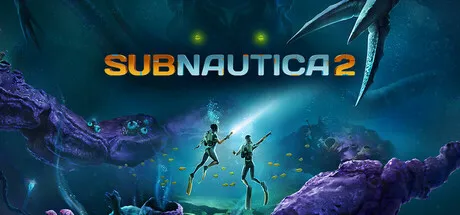
Subnautica 2 is easiest to learn when the first session stays small. You do not need a perfect route, a giant base, or a full map. You need a repeatable rhythm that keeps you alive long enough to learn the ocean: breathe, gather, scan, craft, return, sort storage, then push one step farther.
Early Access balance, progression, and performance can shift. Keep this first-hour route conservative, and check exact costs or unlocks inside the current build before spending rare materials.
Quick Answer
Spend the first hour building confidence, not depth. Keep dives short, scan anything that looks like it may unlock a tool or clue, gather only what you can safely bring home, and set up one tidy base or staging point before trying to solve every biome at once.
First Hour Route
| Time | Goal | What to do | Stop when… |
|---|---|---|---|
| 0-10 minutes | Learn survival pressure | Check oxygen rhythm, food/water needs, and safe swim distance | You know how far you can go without panic |
| 10-25 minutes | Build a starter loop | Gather common materials near safety and return before warnings feel urgent | You can repeat the loop twice |
| 25-40 minutes | Scan and craft | Scan useful objects, craft survival utility, and avoid luxury items | One new tool or station changes your route |
| 40-60 minutes | Choose a base anchor | Pick a place near repeatable resources and a clear return path | Storage and crafting feel less chaotic |
Do not judge the save by how deep you went. Judge it by whether you can repeat a useful trip without getting lost.
Beginner Priorities
| Priority | Why it matters | Common mistake |
|---|---|---|
| Oxygen margin | It controls every other decision | Turning back only after the warning |
| Scanner habits | New recipes and clues often come from observation | Swimming past scannable objects while chasing resources |
| Safe resource loop | Crafting improves when materials are predictable | Grabbing random items with no recipe goal |
| Storage labels | Saves time and prevents accidental spending | Dumping everything into mixed containers |
| One next objective | Keeps the session focused | Trying to explore, build, craft, and scout all at once |
First Co-op Roles
Steam lists online co-op, and groups can make the opening smoother if they start with simple jobs. Avoid four players doing four unrelated things.
| Role | First job | Rule |
|---|---|---|
| Navigator | Name routes and call return points | No vague directions like “over there” |
| Gatherer | Bring back requested materials | Do not hoard random items |
| Scanner | Check objects, clues, and creatures carefully | Scan only with a safe exit |
| Builder | Keep storage and base layout readable | Function before decoration |
Two-player groups can merge navigator with scanner and gatherer with builder. The important part is that someone owns storage and someone owns route language.
Early Base Timing
Build when the base solves a real problem. If you are carrying materials back and forth, losing track of recipe needs, or repeatedly returning to the same route, a small base helps. If you are still learning basic survival, keep the build modest.
| Build now if… | Wait if… |
|---|---|
| You have a repeatable resource route | You are not sure where you are spending most time |
| Storage is slowing crafting | You are building mainly because the view is pretty |
| You need a safe return point | You have not tested the area twice |
| Co-op players need a shared anchor | Your group has no storage rules yet |
Mistakes That Waste The First Save
- Diving deeper because you saw something shiny.
- Crafting side items before survival and scanning tools.
- Keeping no notes on dangerous routes.
- Splitting co-op players before the base has labels.
- Treating Early Access route advice as final numbers.
If a mistake costs you materials, write down what happened. Subnautica-style progress often comes from improving the route, not from never making errors.
Ten-Minute Save Audit
Before you end the first session, pause and check the save like a player who will return tomorrow. A messy first hour can still become a good save if the next login is obvious.
| Question | Good answer | Fix before logging out |
|---|---|---|
| Where is home? | A clear marker, landmark, or base direction | Move supplies closer to a safer return point |
| What is the next craft? | One named tool, upgrade, or module | Sort materials and pick a single target |
| Which route is safe? | A repeatable starter loop | Stop exploring and repeat a known route once |
| What is unknown? | One biome edge, recipe, or scan target | Write it down instead of chasing it now |
| What should co-op players not touch? | Rare or reserved storage is labeled | Rename containers or move items out of public storage |
This audit matters because the second session often decides whether the save feels exciting or exhausting. If you come back to unlabeled storage, half-remembered routes, and no craft target, you will spend the next hour repairing yesterday’s confusion.
Solo vs Co-op Opening Rhythm
Solo players should make shorter trips and accept slower progress. You do not have a second inventory, a second scanner, or someone watching the route while you inspect an object. The tradeoff is focus: every item you gather supports your plan.
Co-op players can move faster, but the group needs rules immediately. One player should call the return time. One player should decide what gets scanned. One player should keep storage readable. Without that, the group looks productive while quietly wasting materials on duplicate tools and unclear objectives.
| Playstyle | Best first habit | Warning sign |
|---|---|---|
| Solo | Return early and sort every trip | You keep carrying random items with no recipe goal |
| Two-player | Split scanner and gatherer roles | Both players chase the same object |
| Three or four players | Assign storage, route, scan, and gather jobs | Nobody knows who spent rare materials |
Current-Build Caveats
Do not lock your whole save around one launch-week tip. Early Access can change recipe costs, progression order, creature behavior, performance, or route safety. The safest beginner advice is the part that survives patches: keep oxygen margin, scan carefully, label storage, build only when it solves travel, and leave unknown deep routes for prepared trips.
What To Read Next
| Problem | Next page |
|---|---|
| You keep getting lost | Subnautica 2 Map Guide |
| You lack specific materials | Subnautica 2 Resources Guide |
| A new area feels too dangerous | Subnautica 2 Biomes Guide |
| Recipes are competing for materials | Subnautica 2 Crafting Guide |
| Storage and travel feel messy | Subnautica 2 Base Building Guide |
Sources
FAQ
What should I do first in Subnautica 2?
Stabilize oxygen, food, water, scanning, and one safe resource loop before pushing deeper.
Should I build a base immediately?
Build a small practical base once repeated crafting and storage trips start slowing you down.
Is co-op easier for beginners?
Co-op helps with gathering, but beginners still need storage rules, route calls, and a return plan.
What is the biggest beginner mistake?
Diving deeper because something looks interesting before you have enough oxygen margin and a safe route home.