
Guides
Romestead Biomes: Plains, Desert, Swamp, Volcano Route
Quick Answer
Plan Romestead biomes as five route tiers: Plains for the first settlement, Forest for support materials, Desert for the first major spike and two boss routes, Swamp for cautious scouting, and Volcano for late-game danger, ash, concrete planning, and late boss scouting.
Biome Checklist
Choose The Next Romestead Biome Route
Compare what to carry, when to return, and which route should wait until the settlement is stronger.Check Enemy Pressure Before Extending A Biome Route
Search creature names, weaknesses, drops, and danger zones before turning a new biome into a long route.
Search and save the checks that matter to your current route.
Costs, footprints, workers, upgrades, town roles, and placement cautions.
Bosses, enemies, weaknesses, drop leads, and first-copy storage rules.
Shrines, quest gates, offerings, rare items, and routes that need save confirmation.
- Routevolcanic combat
- RequirementWeak to: Bludgeoning & Water
- Stat70 HP; 6 armor
- PayoffUse this as a combat-read row before pushing the route.
- ProtectRare drops, first creature materials, and any item that feeds a future recipe or offering.
- CheckEnemy stats and drop rates can move during Early Access, so confirm a risky farm route in your save before relying on it.
Bring a weapon that matches the weakness when possible, fight one safely, then store the first unusual drop before crafting or offering it.
creature / combat / drops / ashen / jumping / skull / bludgeoning / water- Routevolcanic combat
- RequirementWeak to: Bludgeoning & Water
- Stat100 HP; 12 armor
- PayoffDrop leads: Iron Arrow x 10–20 Bone 40 % x 1 Coal 50 % x 1
- ProtectRare drops, first creature materials, and any item that feeds a future recipe or offering.
- CheckEnemy stats and drop rates can move during Early Access, so confirm a risky farm route in your save before relying on it.
Bring a weapon that matches the weakness when possible, fight one safely, then store the first unusual drop before crafting or offering it.
creature / combat / drops / ashen / skeleton / archer / bludgeoning / water / iron / arrow / bone / coal- Routevolcanic combat
- RequirementWeak to: Bludgeoning & Water
- Stat100 HP; 12 armor
- PayoffDrop leads: Bone 40 % x 1 Coal 50 % x 1
- ProtectRare drops, first creature materials, and any item that feeds a future recipe or offering.
- CheckEnemy stats and drop rates can move during Early Access, so confirm a risky farm route in your save before relying on it.
Bring a weapon that matches the weakness when possible, fight one safely, then store the first unusual drop before crafting or offering it.
creature / combat / drops / ashen / skeleton / warrior / bludgeoning / water / bone / coal- Routevolcanic combat
- RequirementWeak to: Slashing & Piercing & Bludgeoning & Water
- Stat10 HP; 0 armor
- PayoffUse this as a combat-read row before pushing the route.
- ProtectRare drops, first creature materials, and any item that feeds a future recipe or offering.
- CheckEnemy stats and drop rates can move during Early Access, so confirm a risky farm route in your save before relying on it.
Bring a weapon that matches the weakness when possible, fight one safely, then store the first unusual drop before crafting or offering it.
creature / combat / drops / ashman / slashing / piercing / bludgeoning / water- Routevolcanic combat
- RequirementWeak to: Fire & Nature
- Stat25 HP; 0 armor
- PayoffDrop leads: Wood Stick 1 % x 1 Leather x 1
- ProtectRare drops, first creature materials, and any item that feeds a future recipe or offering.
- CheckEnemy stats and drop rates can move during Early Access, so confirm a risky farm route in your save before relying on it.
Bring a weapon that matches the weakness when possible, fight one safely, then store the first unusual drop before crafting or offering it.
creature / combat / drops / bear / cub / fire / nature / wood / stick / leather- Routevolcanic combat
- RequirementWeak to: Fire & Nature
- Stat50 HP; 3 armor
- PayoffDrop leads: Wood Stick 1 % x 1 Cured Hide x 2 Leather 66 % x 1–2 Leather 33 % x 1–2 Raw Meat Haunch 40 % x 1
- ProtectRare drops, first creature materials, and any item that feeds a future recipe or offering.
- CheckEnemy stats and drop rates can move during Early Access, so confirm a risky farm route in your save before relying on it.
Bring a weapon that matches the weakness when possible, fight one safely, then store the first unusual drop before crafting or offering it.
creature / combat / drops / bear / fire / nature / wood / stick / cured / hide / leather / raw- Routedesert combat
- RequirementWeak to: —
- Stat45 HP; 6 armor
- PayoffDrop leads: Poison Gland 50 % x 1 Chitin x 1–2 Raw Scorpion Meat 70 % x 1 Raw Scorpion Meat 10 % x 1
- ProtectRare drops, first creature materials, and any item that feeds a future recipe or offering.
- CheckEnemy stats and drop rates can move during Early Access, so confirm a risky farm route in your save before relying on it.
Bring a weapon that matches the weakness when possible, fight one safely, then store the first unusual drop before crafting or offering it.
creature / combat / drops / big / scorpion / poison / gland / chitin / raw / meat- Routecombat drop route
- RequirementWeak to: Bludgeoning & Water
- Stat50 HP; 0 armor
- PayoffUse this as a combat-read row before pushing the route.
- ProtectRare drops, first creature materials, and any item that feeds a future recipe or offering.
- CheckEnemy stats and drop rates can move during Early Access, so confirm a risky farm route in your save before relying on it.
Bring a weapon that matches the weakness when possible, fight one safely, then store the first unusual drop before crafting or offering it.
creature / combat / drops / bilian / bludgeoning / water- Routecombat drop route
- RequirementWeak to: Check weapon match
- Stat2 HP; 0 armor
- PayoffDrop leads: Egg 40 % x 1 Raw Small Game Meat x 1
- ProtectRare drops, first creature materials, and any item that feeds a future recipe or offering.
- CheckEnemy stats and drop rates can move during Early Access, so confirm a risky farm route in your save before relying on it.
Bring a weapon that matches the weakness when possible, fight one safely, then store the first unusual drop before crafting or offering it.
creature / combat / drops / bird / check / weapon / match / egg / raw / small / game / meat- Routeforest food and hide route
- RequirementWeak to: Check weapon match
- Stat20 HP; 0 armor
- PayoffDrop leads: Leather x 1–2 Leather 20 % x 1 Raw Meat Cut x 1
- ProtectRare drops, first creature materials, and any item that feeds a future recipe or offering.
- CheckEnemy stats and drop rates can move during Early Access, so confirm a risky farm route in your save before relying on it.
Bring a weapon that matches the weakness when possible, fight one safely, then store the first unusual drop before crafting or offering it.
creature / combat / drops / boar / check / weapon / match / leather / raw / meat / cut- Routeswamp or water-edge combat
- RequirementWeak to: Piercing & Water
- Stat70 HP; 12 armor
- PayoffDrop leads: Bone x 2–3 Fossilised Skull 1 % x 1 Strange crab Meat x 1–3
- ProtectRare drops, first creature materials, and any item that feeds a future recipe or offering.
- CheckEnemy stats and drop rates can move during Early Access, so confirm a risky farm route in your save before relying on it.
Bring a weapon that matches the weakness when possible, fight one safely, then store the first unusual drop before crafting or offering it.
creature / combat / drops / bone / crab / piercing / water / fossilised / skull / strange / meat- Routevolcanic combat
- RequirementWeak to: Water & Cosmo
- Stat70 HP; 12 armor
- PayoffDrop leads: Bone 33 % x 1 Coal 50 % x 1
- ProtectRare drops, first creature materials, and any item that feeds a future recipe or offering.
- CheckEnemy stats and drop rates can move during Early Access, so confirm a risky farm route in your save before relying on it.
Bring a weapon that matches the weakness when possible, fight one safely, then store the first unusual drop before crafting or offering it.
creature / combat / drops / burning / bloat / water / cosmo / bone / coal- Routevolcanic combat
- RequirementWeak to: Water & Cosmo
- Stat80 HP; 12 armor
- PayoffDrop leads: Bone 33 % x 1 Coal 50 % x 1
- ProtectRare drops, first creature materials, and any item that feeds a future recipe or offering.
- CheckEnemy stats and drop rates can move during Early Access, so confirm a risky farm route in your save before relying on it.
Bring a weapon that matches the weakness when possible, fight one safely, then store the first unusual drop before crafting or offering it.
creature / combat / drops / burning / centurion / water / cosmo / bone / coal- Routevolcanic combat
- RequirementWeak to: Water & Cosmo
- Stat60 HP; 6 armor
- PayoffDrop leads: Bone 33 % x 1 Coal 50 % x 1
- ProtectRare drops, first creature materials, and any item that feeds a future recipe or offering.
- CheckEnemy stats and drop rates can move during Early Access, so confirm a risky farm route in your save before relying on it.
Bring a weapon that matches the weakness when possible, fight one safely, then store the first unusual drop before crafting or offering it.
creature / combat / drops / burning / crawler / water / cosmo / bone / coal- Routevolcanic combat
- RequirementWeak to: Water & Cosmo
- Stat60 HP; 6 armor
- PayoffDrop leads: Bone 33 % x 1 Coal 50 % x 1
- ProtectRare drops, first creature materials, and any item that feeds a future recipe or offering.
- CheckEnemy stats and drop rates can move during Early Access, so confirm a risky farm route in your save before relying on it.
Bring a weapon that matches the weakness when possible, fight one safely, then store the first unusual drop before crafting or offering it.
creature / combat / drops / burning / walker / water / cosmo / bone / coal- Routevolcanic combat
- RequirementWeak to: Slashing & Fire & Necro
- Stat15 HP; 0 armor
- PayoffDrop leads: Strange crab Meat x 1–2 Strange crab Meat 30 % x 1 Oak Gall 1 % x 1
- ProtectRare drops, first creature materials, and any item that feeds a future recipe or offering.
- CheckEnemy stats and drop rates can move during Early Access, so confirm a risky farm route in your save before relying on it.
Bring a weapon that matches the weakness when possible, fight one safely, then store the first unusual drop before crafting or offering it.
creature / combat / drops / bush / crab / slashing / fire / necro / strange / meat / oak / gall- Routeforest food and hide route
- RequirementWeak to: Check weapon match
- Stat20 HP; 0 armor
- PayoffDrop leads: Leather 50 % x 1 Cured Hide x 1 Cured Hide 66 % x 1 Raw Meat Haunch x 1
- ProtectRare drops, first creature materials, and any item that feeds a future recipe or offering.
- CheckEnemy stats and drop rates can move during Early Access, so confirm a risky farm route in your save before relying on it.
Bring a weapon that matches the weakness when possible, fight one safely, then store the first unusual drop before crafting or offering it.
creature / combat / drops / deer / female / check / weapon / match / leather / cured / hide / raw- Routeforest food and hide route
- RequirementWeak to: Check weapon match
- Stat20 HP; 0 armor
- PayoffDrop leads: Leather 50 % x 1 Cured Hide x 1 Cured Hide 66 % x 1 Raw Meat Haunch x 1
- ProtectRare drops, first creature materials, and any item that feeds a future recipe or offering.
- CheckEnemy stats and drop rates can move during Early Access, so confirm a risky farm route in your save before relying on it.
Bring a weapon that matches the weakness when possible, fight one safely, then store the first unusual drop before crafting or offering it.
creature / combat / drops / deer / male / check / weapon / match / leather / cured / hide / raw- Routecombat drop route
- RequirementWeak to: Nature
- Stat45 HP; 6 armor
- PayoffDrop leads: Quadrans 40 % x 10–30 Iron Bar 3 % x 1 Salamander Jerky 10 % x 1
- ProtectRare drops, first creature materials, and any item that feeds a future recipe or offering.
- CheckEnemy stats and drop rates can move during Early Access, so confirm a risky farm route in your save before relying on it.
Bring a weapon that matches the weakness when possible, fight one safely, then store the first unusual drop before crafting or offering it.
creature / combat / drops / engineer / nature / quadrans / iron / bar / salamander / jerky- Routevolcanic combat
- RequirementWeak to: Bludgeoning & Fire & Cosmo
- Stat10 HP; 0 armor
- PayoffUse this as a combat-read row before pushing the route.
- ProtectRare drops, first creature materials, and any item that feeds a future recipe or offering.
- CheckEnemy stats and drop rates can move during Early Access, so confirm a risky farm route in your save before relying on it.
Bring a weapon that matches the weakness when possible, fight one safely, then store the first unusual drop before crafting or offering it.
creature / combat / drops / explosive / jumping / skull / bludgeoning / fire / cosmo- Routecombat drop route
- RequirementWeak to: —
- Stat50 HP; 0 armor
- PayoffUse this as a combat-read row before pushing the route.
- ProtectRare drops, first creature materials, and any item that feeds a future recipe or offering.
- CheckEnemy stats and drop rates can move during Early Access, so confirm a risky farm route in your save before relying on it.
Bring a weapon that matches the weakness when possible, fight one safely, then store the first unusual drop before crafting or offering it.
creature / combat / drops / explosive / turtle- Routevolcanic combat
- RequirementWeak to: Fire & Nature & Cosmo
- Stat20 HP; 0 armor
- PayoffDrop leads: Bone 33 % x 1
- ProtectRare drops, first creature materials, and any item that feeds a future recipe or offering.
- CheckEnemy stats and drop rates can move during Early Access, so confirm a risky farm route in your save before relying on it.
Bring a weapon that matches the weakness when possible, fight one safely, then store the first unusual drop before crafting or offering it.
creature / combat / drops / fallen / bloat / fire / nature / cosmo / bone- Routebone and coal route
- RequirementWeak to: Check weapon match
- Stat20 HP; 2 armor
- PayoffDrop leads: Bone 33 % x 1 Coal 50 % x 1
- ProtectRare drops, first creature materials, and any item that feeds a future recipe or offering.
- CheckEnemy stats and drop rates can move during Early Access, so confirm a risky farm route in your save before relying on it.
Bring a weapon that matches the weakness when possible, fight one safely, then store the first unusual drop before crafting or offering it.
creature / combat / drops / fallen / centurion / check / weapon / match / bone / coal- Routevolcanic combat
- RequirementWeak to: Fire & Nature & Cosmo
- Stat10 HP; 0 armor
- PayoffDrop leads: Bone 50 % x 1
- ProtectRare drops, first creature materials, and any item that feeds a future recipe or offering.
- CheckEnemy stats and drop rates can move during Early Access, so confirm a risky farm route in your save before relying on it.
Bring a weapon that matches the weakness when possible, fight one safely, then store the first unusual drop before crafting or offering it.
creature / combat / drops / fallen / crawler / fire / nature / cosmo / bone- Routevolcanic combat
- RequirementWeak to: Fire & Nature & Cosmo
- Stat10 HP; 0 armor
- PayoffDrop leads: Bone 33 % x 1
- ProtectRare drops, first creature materials, and any item that feeds a future recipe or offering.
- CheckEnemy stats and drop rates can move during Early Access, so confirm a risky farm route in your save before relying on it.
Bring a weapon that matches the weakness when possible, fight one safely, then store the first unusual drop before crafting or offering it.
creature / combat / drops / fallen / spear / fire / nature / cosmo / bone- Routevolcanic combat
- RequirementWeak to: Fire & Nature & Cosmo
- Stat10 HP; 0 armor
- PayoffDrop leads: Bone 33 % x 1
- ProtectRare drops, first creature materials, and any item that feeds a future recipe or offering.
- CheckEnemy stats and drop rates can move during Early Access, so confirm a risky farm route in your save before relying on it.
Bring a weapon that matches the weakness when possible, fight one safely, then store the first unusual drop before crafting or offering it.
creature / combat / drops / fallen / sword / fire / nature / cosmo / bone- Routevolcanic combat
- RequirementWeak to: Fire & Nature & Cosmo
- Stat10 HP; 0 armor
- PayoffDrop leads: Bone 33 % x 1
- ProtectRare drops, first creature materials, and any item that feeds a future recipe or offering.
- CheckEnemy stats and drop rates can move during Early Access, so confirm a risky farm route in your save before relying on it.
Bring a weapon that matches the weakness when possible, fight one safely, then store the first unusual drop before crafting or offering it.
creature / combat / drops / fallen / fire / nature / cosmo / bone- Routevolcanic combat
- RequirementWeak to: Water & Cosmo
- Stat100 HP; 10 armor
- PayoffDrop leads: Radiant Pilum Tip 1 % x 1
- ProtectRare drops, first creature materials, and any item that feeds a future recipe or offering.
- CheckEnemy stats and drop rates can move during Early Access, so confirm a risky farm route in your save before relying on it.
Bring a weapon that matches the weakness when possible, fight one safely, then store the first unusual drop before crafting or offering it.
creature / combat / drops / fire / elemental / water / cosmo / radiant / pilum / tip- Routevolcanic combat
- RequirementWeak to: —
- Stat50 HP; 0 armor
- PayoffUse this as a combat-read row before pushing the route.
- ProtectRare drops, first creature materials, and any item that feeds a future recipe or offering.
- CheckEnemy stats and drop rates can move during Early Access, so confirm a risky farm route in your save before relying on it.
Bring a weapon that matches the weakness when possible, fight one safely, then store the first unusual drop before crafting or offering it.
creature / combat / drops / fire / statue- Routecombat drop route
- RequirementWeak to: Check weapon match
- Stat2 HP; 0 armor
- PayoffUse this as a combat-read row before pushing the route.
- ProtectRare drops, first creature materials, and any item that feeds a future recipe or offering.
- CheckEnemy stats and drop rates can move during Early Access, so confirm a risky farm route in your save before relying on it.
Bring a weapon that matches the weakness when possible, fight one safely, then store the first unusual drop before crafting or offering it.
creature / combat / drops / frog / check / weapon / match- Routecombat drop route
- RequirementWeak to: Check weapon match
- Stat10 HP; 0 armor
- PayoffDrop leads: Wool x 1 Cheese 20 % x 1 Leather 40 % x 1 Raw Meat Cut 40 % x 1
- ProtectRare drops, first creature materials, and any item that feeds a future recipe or offering.
- CheckEnemy stats and drop rates can move during Early Access, so confirm a risky farm route in your save before relying on it.
Bring a weapon that matches the weakness when possible, fight one safely, then store the first unusual drop before crafting or offering it.
creature / combat / drops / goat / female / check / weapon / match / wool / cheese / leather / raw- Routecombat drop route
- RequirementWeak to: Check weapon match
- Stat10 HP; 0 armor
- PayoffDrop leads: Wool x 1 Cheese 20 % x 1 Leather 40 % x 1 Raw Meat Cut 40 % x 1
- ProtectRare drops, first creature materials, and any item that feeds a future recipe or offering.
- CheckEnemy stats and drop rates can move during Early Access, so confirm a risky farm route in your save before relying on it.
Bring a weapon that matches the weakness when possible, fight one safely, then store the first unusual drop before crafting or offering it.
creature / combat / drops / goat / male / check / weapon / match / wool / cheese / leather / raw- Routecombat drop route
- RequirementWeak to: Nature & Necro
- Stat110 HP; 6 armor
- PayoffDrop leads: Mirror 4 % x 1 Medusa's Head 33 % x 1 Stone Heart 10 % x 1 Quadrans x 8–16
- ProtectRare drops, first creature materials, and any item that feeds a future recipe or offering.
- CheckEnemy stats and drop rates can move during Early Access, so confirm a risky farm route in your save before relying on it.
Bring a weapon that matches the weakness when possible, fight one safely, then store the first unusual drop before crafting or offering it.
creature / combat / drops / gorgon / nature / necro / mirror / medusa / head / stone / heart / quadrans- Routedesert combat
- RequirementWeak to: —
- Stat25 HP; 3 armor
- PayoffDrop leads: Quadrans x 2–5 Brittonic Ring 0.5 % x 1
- ProtectRare drops, first creature materials, and any item that feeds a future recipe or offering.
- CheckEnemy stats and drop rates can move during Early Access, so confirm a risky farm route in your save before relying on it.
Bring a weapon that matches the weakness when possible, fight one safely, then store the first unusual drop before crafting or offering it.
creature / combat / drops / grey / satyr / barbarian / quadrans / brittonic / ring- Routedesert combat
- RequirementWeak to: —
- Stat30 HP; 3 armor
- PayoffDrop leads: Quadrans x 3–5 Copper Bar 25 % x 1
- ProtectRare drops, first creature materials, and any item that feeds a future recipe or offering.
- CheckEnemy stats and drop rates can move during Early Access, so confirm a risky farm route in your save before relying on it.
Bring a weapon that matches the weakness when possible, fight one safely, then store the first unusual drop before crafting or offering it.
creature / combat / drops / grey / satyr / brute / quadrans / copper / bar- Routedesert combat
- RequirementWeak to: —
- Stat30 HP; 3 armor
- PayoffDrop leads: Quadrans x 1–5 White Currant 5 % x 1–3
- ProtectRare drops, first creature materials, and any item that feeds a future recipe or offering.
- CheckEnemy stats and drop rates can move during Early Access, so confirm a risky farm route in your save before relying on it.
Bring a weapon that matches the weakness when possible, fight one safely, then store the first unusual drop before crafting or offering it.
creature / combat / drops / grey / satyr / ranger / quadrans / white / currant- Routedesert combat
- RequirementWeak to: —
- Stat35 HP; 3 armor
- PayoffDrop leads: Quadrans x 1–2 Flint Arrow 10 % x 1–10 Food Nuts 10 % x 2–3
- ProtectRare drops, first creature materials, and any item that feeds a future recipe or offering.
- CheckEnemy stats and drop rates can move during Early Access, so confirm a risky farm route in your save before relying on it.
Bring a weapon that matches the weakness when possible, fight one safely, then store the first unusual drop before crafting or offering it.
creature / combat / drops / grey / satyr / tiny / quadrans / flint / arrow / food / nuts- Routecombat drop route
- RequirementWeak to: Bludgeoning & Cosmo
- Stat10 HP; 0 armor
- PayoffUse this as a combat-read row before pushing the route.
- ProtectRare drops, first creature materials, and any item that feeds a future recipe or offering.
- CheckEnemy stats and drop rates can move during Early Access, so confirm a risky farm route in your save before relying on it.
Bring a weapon that matches the weakness when possible, fight one safely, then store the first unusual drop before crafting or offering it.
creature / combat / drops / jumping / skull / bludgeoning / cosmo- Routecombat drop route
- RequirementWeak to: Water & Cosmo
- Stat200 HP; 18 armor
- PayoffUse this as a combat-read row before pushing the route.
- ProtectRare drops, first creature materials, and any item that feeds a future recipe or offering.
- CheckEnemy stats and drop rates can move during Early Access, so confirm a risky farm route in your save before relying on it.
Bring a weapon that matches the weakness when possible, fight one safely, then store the first unusual drop before crafting or offering it.
creature / combat / drops / lava / construct / water / cosmo- Routecombat drop route
- RequirementWeak to: —
- Stat5 HP; 0 armor
- PayoffDrop leads: Raw Salamander Meat x 1
- ProtectRare drops, first creature materials, and any item that feeds a future recipe or offering.
- CheckEnemy stats and drop rates can move during Early Access, so confirm a risky farm route in your save before relying on it.
Bring a weapon that matches the weakness when possible, fight one safely, then store the first unusual drop before crafting or offering it.
creature / combat / drops / lava / lizard / raw / salamander / meat- Routevolcanic combat
- RequirementWeak to: Water
- Stat60 HP; 6 armor
- PayoffDrop leads: Firescale x 1–3
- ProtectRare drops, first creature materials, and any item that feeds a future recipe or offering.
- CheckEnemy stats and drop rates can move during Early Access, so confirm a risky farm route in your save before relying on it.
Bring a weapon that matches the weakness when possible, fight one safely, then store the first unusual drop before crafting or offering it.
creature / combat / drops / lava / snake / water / firescale- Routecombat drop route
- RequirementWeak to: Water
- Stat65 HP; 6 armor
- PayoffUse this as a combat-read row before pushing the route.
- ProtectRare drops, first creature materials, and any item that feeds a future recipe or offering.
- CheckEnemy stats and drop rates can move during Early Access, so confirm a risky farm route in your save before relying on it.
Bring a weapon that matches the weakness when possible, fight one safely, then store the first unusual drop before crafting or offering it.
creature / combat / drops / lava / spitter / water- Routecombat drop route
- RequirementWeak to: Check weapon match
- Stat5 HP; 0 armor
- PayoffUse this as a combat-read row before pushing the route.
- ProtectRare drops, first creature materials, and any item that feeds a future recipe or offering.
- CheckEnemy stats and drop rates can move during Early Access, so confirm a risky farm route in your save before relying on it.
Bring a weapon that matches the weakness when possible, fight one safely, then store the first unusual drop before crafting or offering it.
creature / combat / drops / lizard / check / weapon / match- Routecombat drop route
- RequirementWeak to: Check weapon match
- Stat80 HP; 10 armor
- PayoffDrop leads: Mystic Potion 5 % x 1 Denarius 60 % x 1 Ember Cloth x 1–2
- ProtectRare drops, first creature materials, and any item that feeds a future recipe or offering.
- CheckEnemy stats and drop rates can move during Early Access, so confirm a risky farm route in your save before relying on it.
Bring a weapon that matches the weakness when possible, fight one safely, then store the first unusual drop before crafting or offering it.
creature / combat / drops / magus / ceres / check / weapon / match / mystic / potion / denarius / ember- Routecombat drop route
- RequirementWeak to: Check weapon match
- Stat30 HP; 3 armor
- PayoffDrop leads: Mystic Potion 1 % x 1 Wool x 1–3
- ProtectRare drops, first creature materials, and any item that feeds a future recipe or offering.
- CheckEnemy stats and drop rates can move during Early Access, so confirm a risky farm route in your save before relying on it.
Bring a weapon that matches the weakness when possible, fight one safely, then store the first unusual drop before crafting or offering it.
creature / combat / drops / magus / diana / check / weapon / match / mystic / potion / wool- Routecombat drop route
- RequirementWeak to: Check weapon match
- Stat55 HP; 3 armor
- PayoffDrop leads: Mystic Potion 4 % x 1 Linen x 1–2
- ProtectRare drops, first creature materials, and any item that feeds a future recipe or offering.
- CheckEnemy stats and drop rates can move during Early Access, so confirm a risky farm route in your save before relying on it.
Bring a weapon that matches the weakness when possible, fight one safely, then store the first unusual drop before crafting or offering it.
creature / combat / drops / magus / mars / check / weapon / match / mystic / potion / linen- Routecombat drop route
- RequirementWeak to: Check weapon match
- Stat55 HP; 3 armor
- PayoffDrop leads: Mystic Potion 4 % x 1 Linen x 1–2
- ProtectRare drops, first creature materials, and any item that feeds a future recipe or offering.
- CheckEnemy stats and drop rates can move during Early Access, so confirm a risky farm route in your save before relying on it.
Bring a weapon that matches the weakness when possible, fight one safely, then store the first unusual drop before crafting or offering it.
creature / combat / drops / magus / mercury / check / weapon / match / mystic / potion / linen- Routecombat drop route
- RequirementWeak to: Check weapon match
- Stat30 HP; 3 armor
- PayoffDrop leads: Mystic Potion 1 % x 1 Wool x 1–3
- ProtectRare drops, first creature materials, and any item that feeds a future recipe or offering.
- CheckEnemy stats and drop rates can move during Early Access, so confirm a risky farm route in your save before relying on it.
Bring a weapon that matches the weakness when possible, fight one safely, then store the first unusual drop before crafting or offering it.
creature / combat / drops / magus / minerva / check / weapon / match / mystic / potion / wool- Routecombat drop route
- RequirementWeak to: Check weapon match
- Stat100 HP; 13 armor
- PayoffDrop leads: Mystic Potion 5 % x 1 Denarius 60 % x 2–4 Ethereal Fabric 0 % x 1
- ProtectRare drops, first creature materials, and any item that feeds a future recipe or offering.
- CheckEnemy stats and drop rates can move during Early Access, so confirm a risky farm route in your save before relying on it.
Bring a weapon that matches the weakness when possible, fight one safely, then store the first unusual drop before crafting or offering it.
creature / combat / drops / magus / orcus / check / weapon / match / mystic / potion / denarius / ethereal- Routecombat drop route
- RequirementWeak to: Check weapon match
- Stat100 HP; 13 armor
- PayoffDrop leads: Mystic Potion 6 % x 1 Denarius 60 % x 2–4 Ethereal Fabric 0 % x 1
- ProtectRare drops, first creature materials, and any item that feeds a future recipe or offering.
- CheckEnemy stats and drop rates can move during Early Access, so confirm a risky farm route in your save before relying on it.
Bring a weapon that matches the weakness when possible, fight one safely, then store the first unusual drop before crafting or offering it.
creature / combat / drops / magus / venus / check / weapon / match / mystic / potion / denarius / ethereal- Routecombat drop route
- RequirementWeak to: Check weapon match
- Stat80 HP; 10 armor
- PayoffDrop leads: Mystic Potion 5 % x 1 Denarius 60 % x 1 Ember Cloth x 1–2
- ProtectRare drops, first creature materials, and any item that feeds a future recipe or offering.
- CheckEnemy stats and drop rates can move during Early Access, so confirm a risky farm route in your save before relying on it.
Bring a weapon that matches the weakness when possible, fight one safely, then store the first unusual drop before crafting or offering it.
creature / combat / drops / magus / vulcan / check / weapon / match / mystic / potion / denarius / ember- Routecombat drop route
- RequirementWeak to: Nature
- Stat45 HP; 6 armor
- PayoffDrop leads: Quadrans 40 % x 10–30 Iron Bar 10 % x 1 Salamander Jerky 33 % x 1
- ProtectRare drops, first creature materials, and any item that feeds a future recipe or offering.
- CheckEnemy stats and drop rates can move during Early Access, so confirm a risky farm route in your save before relying on it.
Bring a weapon that matches the weakness when possible, fight one safely, then store the first unusual drop before crafting or offering it.
creature / combat / drops / master / engineer / nature / quadrans / iron / bar / salamander / jerky- Routecombat drop route
- RequirementWeak to: Check weapon match
- Stat999 HP; 10 armor
- PayoffDrop leads: Schematic: Logistics Tent x 1
- ProtectRare drops, first creature materials, and any item that feeds a future recipe or offering.
- CheckEnemy stats and drop rates can move during Early Access, so confirm a risky farm route in your save before relying on it.
Bring a weapon that matches the weakness when possible, fight one safely, then store the first unusual drop before crafting or offering it.
creature / combat / drops / maximus / memeus / check / weapon / match / schematic / logistics / tent- Routecombat drop route
- RequirementWeak to: Check weapon match
- Stat2 HP; 0 armor
- PayoffDrop leads: Raw Small Game Meat x 1
- ProtectRare drops, first creature materials, and any item that feeds a future recipe or offering.
- CheckEnemy stats and drop rates can move during Early Access, so confirm a risky farm route in your save before relying on it.
Bring a weapon that matches the weakness when possible, fight one safely, then store the first unusual drop before crafting or offering it.
creature / combat / drops / mouse / check / weapon / match / raw / small / game / meat- Routevolcanic combat
- RequirementWeak to: Check weapon match
- Stat40 HP; 0 armor
- PayoffDrop leads: Raw Phoenix Wing x 1–2 Old Phoenix Feather 10 % x 1
- ProtectRare drops, first creature materials, and any item that feeds a future recipe or offering.
- CheckEnemy stats and drop rates can move during Early Access, so confirm a risky farm route in your save before relying on it.
Bring a weapon that matches the weakness when possible, fight one safely, then store the first unusual drop before crafting or offering it.
creature / combat / drops / phoenix / egg / check / weapon / match / raw / wing / old / feather- Routevolcanic combat
- RequirementWeak to: Slashing & Piercing & Bludgeoning
- Stat10 HP; 0 armor
- PayoffUse this as a combat-read row before pushing the route.
- ProtectRare drops, first creature materials, and any item that feeds a future recipe or offering.
- CheckEnemy stats and drop rates can move during Early Access, so confirm a risky farm route in your save before relying on it.
Bring a weapon that matches the weakness when possible, fight one safely, then store the first unusual drop before crafting or offering it.
creature / combat / drops / potman / slashing / piercing / bludgeoning- Routecombat drop route
- RequirementWeak to: Check weapon match
- Stat5 HP; 0 armor
- PayoffDrop leads: Leather 50 % x 1 Raw Small Game Meat x 1
- ProtectRare drops, first creature materials, and any item that feeds a future recipe or offering.
- CheckEnemy stats and drop rates can move during Early Access, so confirm a risky farm route in your save before relying on it.
Bring a weapon that matches the weakness when possible, fight one safely, then store the first unusual drop before crafting or offering it.
creature / combat / drops / rabbit / check / weapon / match / leather / raw / small / game / meat- Routecombat drop route
- RequirementWeak to: Check weapon match
- Stat20 HP; 0 armor
- PayoffDrop leads: Raw Meat Cut x 1
- ProtectRare drops, first creature materials, and any item that feeds a future recipe or offering.
- CheckEnemy stats and drop rates can move during Early Access, so confirm a risky farm route in your save before relying on it.
Bring a weapon that matches the weakness when possible, fight one safely, then store the first unusual drop before crafting or offering it.
creature / combat / drops / rat / big / check / weapon / match / raw / meat / cut- Routecombat drop route
- RequirementWeak to: Check weapon match
- Stat80 HP; 6 armor
- PayoffDrop leads: Raw Meat Haunch x 1
- ProtectRare drops, first creature materials, and any item that feeds a future recipe or offering.
- CheckEnemy stats and drop rates can move during Early Access, so confirm a risky farm route in your save before relying on it.
Bring a weapon that matches the weakness when possible, fight one safely, then store the first unusual drop before crafting or offering it.
creature / combat / drops / rat / giant / check / weapon / match / raw / meat / haunch- Routecombat drop route
- RequirementWeak to: Check weapon match
- Stat7 HP; 0 armor
- PayoffDrop leads: Raw Small Game Meat x 1
- ProtectRare drops, first creature materials, and any item that feeds a future recipe or offering.
- CheckEnemy stats and drop rates can move during Early Access, so confirm a risky farm route in your save before relying on it.
Bring a weapon that matches the weakness when possible, fight one safely, then store the first unusual drop before crafting or offering it.
creature / combat / drops / rat / check / weapon / match / raw / small / game / meat- Routevolcanic combat
- RequirementWeak to: Slashing & Fire & Necro
- Stat20 HP; 10 armor
- PayoffDrop leads: Strange crab Meat x 1–2 Strange crab Meat 30 % x 1 Petrified Wood 1 % x 1 Stone Heart 1 % x 1 Crab Fossil 1 % x 1 Chitin x 1–2
- ProtectRare drops, first creature materials, and any item that feeds a future recipe or offering.
- CheckEnemy stats and drop rates can move during Early Access, so confirm a risky farm route in your save before relying on it.
Bring a weapon that matches the weakness when possible, fight one safely, then store the first unusual drop before crafting or offering it.
creature / combat / drops / rock / crab / slashing / fire / necro / strange / meat / petrified / wood- Routedesert combat
- RequirementWeak to: Nature
- Stat45 HP; 6 armor
- PayoffDrop leads: Quadrans 40 % x 1–10 Cooked Meat Cut x 1
- ProtectRare drops, first creature materials, and any item that feeds a future recipe or offering.
- CheckEnemy stats and drop rates can move during Early Access, so confirm a risky farm route in your save before relying on it.
Bring a weapon that matches the weakness when possible, fight one safely, then store the first unusual drop before crafting or offering it.
creature / combat / drops / satyr / barbarian / nature / quadrans / cooked / meat / cut- Routedesert combat
- RequirementWeak to: Nature
- Stat55 HP; 6 armor
- PayoffDrop leads: Quadrans 40 % x 5–10 Wine 40 % x 1 Grapes x 1–2 Radiant Pilum Shank 1 % x 1
- ProtectRare drops, first creature materials, and any item that feeds a future recipe or offering.
- CheckEnemy stats and drop rates can move during Early Access, so confirm a risky farm route in your save before relying on it.
Bring a weapon that matches the weakness when possible, fight one safely, then store the first unusual drop before crafting or offering it.
creature / combat / drops / satyr / brute / nature / quadrans / wine / grapes / radiant / pilum / shank- Routedesert combat
- RequirementWeak to: Nature
- Stat70 HP; 6 armor
- PayoffDrop leads: Quadrans 40 % x 5–10 Flint Arrow 70 % x 20–30
- ProtectRare drops, first creature materials, and any item that feeds a future recipe or offering.
- CheckEnemy stats and drop rates can move during Early Access, so confirm a risky farm route in your save before relying on it.
Bring a weapon that matches the weakness when possible, fight one safely, then store the first unusual drop before crafting or offering it.
creature / combat / drops / satyr / ranger / nature / quadrans / flint / arrow- Routedesert combat
- RequirementWeak to: Nature
- Stat20 HP; 4 armor
- PayoffDrop leads: Declaration of War - Pyzifax x 1
- ProtectRare drops, first creature materials, and any item that feeds a future recipe or offering.
- CheckEnemy stats and drop rates can move during Early Access, so confirm a risky farm route in your save before relying on it.
Bring a weapon that matches the weakness when possible, fight one safely, then store the first unusual drop before crafting or offering it.
creature / combat / drops / satyr / tiny / pyzifax / scout / nature / declaration / war- Routedesert combat
- RequirementWeak to: Nature
- Stat20 HP; 6 armor
- PayoffDrop leads: Quadrans 40 % x 4–6 Flint Shard 15 % x 5–10
- ProtectRare drops, first creature materials, and any item that feeds a future recipe or offering.
- CheckEnemy stats and drop rates can move during Early Access, so confirm a risky farm route in your save before relying on it.
Bring a weapon that matches the weakness when possible, fight one safely, then store the first unusual drop before crafting or offering it.
creature / combat / drops / satyr / tiny / nature / quadrans / flint / shard- Routedesert combat
- RequirementWeak to: Check weapon match
- Stat80 HP; 10 armor
- PayoffDrop leads: Copper Arrow 90 % x 10–20 Wood Plank 50 % x 2–4 Flint Shard 50 % x 2–4
- ProtectRare drops, first creature materials, and any item that feeds a future recipe or offering.
- CheckEnemy stats and drop rates can move during Early Access, so confirm a risky farm route in your save before relying on it.
Bring a weapon that matches the weakness when possible, fight one safely, then store the first unusual drop before crafting or offering it.
creature / combat / drops / satyr / watchtower / check / weapon / match / copper / arrow / wood / plank- Routecombat drop route
- RequirementWeak to: Check weapon match
- Stat5 HP; 0 armor
- PayoffUse this as a combat-read row before pushing the route.
- ProtectRare drops, first creature materials, and any item that feeds a future recipe or offering.
- CheckEnemy stats and drop rates can move during Early Access, so confirm a risky farm route in your save before relying on it.
Bring a weapon that matches the weakness when possible, fight one safely, then store the first unusual drop before crafting or offering it.
creature / combat / drops / scarab / check / weapon / match- Routevolcanic combat
- RequirementWeak to: Bludgeoning & Fire & Cosmo
- Stat50 HP; 7 armor
- PayoffDrop leads: Copper Arrow x 10–20 Quadrans 50 % x 5–15
- ProtectRare drops, first creature materials, and any item that feeds a future recipe or offering.
- CheckEnemy stats and drop rates can move during Early Access, so confirm a risky farm route in your save before relying on it.
Bring a weapon that matches the weakness when possible, fight one safely, then store the first unusual drop before crafting or offering it.
creature / combat / drops / skeleton / archer / bludgeoning / fire / cosmo / copper / arrow / quadrans- Routevolcanic combat
- RequirementWeak to: Bludgeoning & Fire & Cosmo
- Stat50 HP; 7 armor
- PayoffDrop leads: Bone x 2–5 Quadrans 50 % x 5–15
- ProtectRare drops, first creature materials, and any item that feeds a future recipe or offering.
- CheckEnemy stats and drop rates can move during Early Access, so confirm a risky farm route in your save before relying on it.
Bring a weapon that matches the weakness when possible, fight one safely, then store the first unusual drop before crafting or offering it.
creature / combat / drops / skeleton / warrior / bludgeoning / fire / cosmo / bone / quadrans- Routedesert combat
- RequirementWeak to: —
- Stat20 HP; 0 armor
- PayoffDrop leads: Poison Gland 10 % x 1 Chitin 40 % x 1 Raw Scorpion Meat 20 % x 1
- ProtectRare drops, first creature materials, and any item that feeds a future recipe or offering.
- CheckEnemy stats and drop rates can move during Early Access, so confirm a risky farm route in your save before relying on it.
Bring a weapon that matches the weakness when possible, fight one safely, then store the first unusual drop before crafting or offering it.
creature / combat / drops / small / scorpion / poison / gland / chitin / raw / meat- Routecombat drop route
- RequirementWeak to: Check weapon match
- Stat50 HP; 0 armor
- PayoffUse this as a combat-read row before pushing the route.
- ProtectRare drops, first creature materials, and any item that feeds a future recipe or offering.
- CheckEnemy stats and drop rates can move during Early Access, so confirm a risky farm route in your save before relying on it.
Bring a weapon that matches the weakness when possible, fight one safely, then store the first unusual drop before crafting or offering it.
creature / combat / drops / snake / chest / trap / check / weapon / match- Routeswamp or water-edge combat
- RequirementWeak to: —
- Stat20 HP; 0 armor
- PayoffDrop leads: Poison Gland x 1
- ProtectRare drops, first creature materials, and any item that feeds a future recipe or offering.
- CheckEnemy stats and drop rates can move during Early Access, so confirm a risky farm route in your save before relying on it.
Bring a weapon that matches the weakness when possible, fight one safely, then store the first unusual drop before crafting or offering it.
creature / combat / drops / snake / poison / gland- Routecombat drop route
- RequirementWeak to: Check weapon match
- Stat2 HP; 0 armor
- PayoffDrop leads: Raw Small Game Meat x 1
- ProtectRare drops, first creature materials, and any item that feeds a future recipe or offering.
- CheckEnemy stats and drop rates can move during Early Access, so confirm a risky farm route in your save before relying on it.
Bring a weapon that matches the weakness when possible, fight one safely, then store the first unusual drop before crafting or offering it.
creature / combat / drops / squirrel / check / weapon / match / raw / small / game / meat- Routeswamp or water-edge combat
- RequirementWeak to: Check weapon match
- Stat50 HP; 0 armor
- PayoffDrop leads: Mint Seeds x 1 Mint Seeds 10 % x 1
- ProtectRare drops, first creature materials, and any item that feeds a future recipe or offering.
- CheckEnemy stats and drop rates can move during Early Access, so confirm a risky farm route in your save before relying on it.
Bring a weapon that matches the weakness when possible, fight one safely, then store the first unusual drop before crafting or offering it.
creature / combat / drops / swamp / placeholder / check / weapon / match / mint / seeds- Routecombat drop route
- RequirementWeak to: Check weapon match
- Stat50 HP; 0 armor
- PayoffUse this as a combat-read row before pushing the route.
- ProtectRare drops, first creature materials, and any item that feeds a future recipe or offering.
- CheckEnemy stats and drop rates can move during Early Access, so confirm a risky farm route in your save before relying on it.
Bring a weapon that matches the weakness when possible, fight one safely, then store the first unusual drop before crafting or offering it.
creature / combat / drops / trap / onaggroed / snakes / bush / check / weapon / match- Routecombat drop route
- RequirementWeak to: Check weapon match
- Stat50 HP; 0 armor
- PayoffUse this as a combat-read row before pushing the route.
- ProtectRare drops, first creature materials, and any item that feeds a future recipe or offering.
- CheckEnemy stats and drop rates can move during Early Access, so confirm a risky farm route in your save before relying on it.
Bring a weapon that matches the weakness when possible, fight one safely, then store the first unusual drop before crafting or offering it.
creature / combat / drops / trap / oninteract / snakes / chest / check / weapon / match- Routecombat drop route
- RequirementWeak to: Check weapon match
- Stat1 HP; 0 armor
- PayoffUse this as a combat-read row before pushing the route.
- ProtectRare drops, first creature materials, and any item that feeds a future recipe or offering.
- CheckEnemy stats and drop rates can move during Early Access, so confirm a risky farm route in your save before relying on it.
Bring a weapon that matches the weakness when possible, fight one safely, then store the first unusual drop before crafting or offering it.
creature / combat / drops / trap / onoutofhealth / snakes / barrel / check / weapon / match- Routecombat drop route
- RequirementWeak to: Check weapon match
- Stat50 HP; 0 armor
- PayoffUse this as a combat-read row before pushing the route.
- ProtectRare drops, first creature materials, and any item that feeds a future recipe or offering.
- CheckEnemy stats and drop rates can move during Early Access, so confirm a risky farm route in your save before relying on it.
Bring a weapon that matches the weakness when possible, fight one safely, then store the first unusual drop before crafting or offering it.
creature / combat / drops / turtle / check / weapon / match- Routevolcanic combat
- RequirementWeak to: Fire
- Stat80 HP; 0 armor
- PayoffDrop leads: Egg x 1 Vulture Scent Gland 10 % x 1
- ProtectRare drops, first creature materials, and any item that feeds a future recipe or offering.
- CheckEnemy stats and drop rates can move during Early Access, so confirm a risky farm route in your save before relying on it.
Bring a weapon that matches the weakness when possible, fight one safely, then store the first unusual drop before crafting or offering it.
creature / combat / drops / vulture / fire / egg / scent / gland- Routeforest food and hide route
- RequirementWeak to: Check weapon match
- Stat20 HP; 0 armor
- PayoffDrop leads: Leather x 2–5 Cured Hide x 1–2 Raw Meat Haunch x 2 Torn Pelts x 1
- ProtectRare drops, first creature materials, and any item that feeds a future recipe or offering.
- CheckEnemy stats and drop rates can move during Early Access, so confirm a risky farm route in your save before relying on it.
Bring a weapon that matches the weakness when possible, fight one safely, then store the first unusual drop before crafting or offering it.
creature / combat / drops / white / deer / female / check / weapon / match / leather / cured / hide- Routeforest food and hide route
- RequirementWeak to: Check weapon match
- Stat20 HP; 0 armor
- PayoffDrop leads: Leather x 2–4 Cured Hide x 1–3 Raw Meat Haunch x 2 Torn Pelts x 1
- ProtectRare drops, first creature materials, and any item that feeds a future recipe or offering.
- CheckEnemy stats and drop rates can move during Early Access, so confirm a risky farm route in your save before relying on it.
Bring a weapon that matches the weakness when possible, fight one safely, then store the first unusual drop before crafting or offering it.
creature / combat / drops / white / deer / male / check / weapon / match / leather / cured / hide- Routeforest food and hide route
- RequirementWeak to: Check weapon match
- Stat20 HP; 0 armor
- PayoffDrop leads: Cured Hide x 1 Material Venison x 1
- ProtectRare drops, first creature materials, and any item that feeds a future recipe or offering.
- CheckEnemy stats and drop rates can move during Early Access, so confirm a risky farm route in your save before relying on it.
Bring a weapon that matches the weakness when possible, fight one safely, then store the first unusual drop before crafting or offering it.
creature / combat / drops / white / deer / check / weapon / match / cured / hide / material / venison- Routevolcanic combat
- RequirementWeak to: Fire & Nature
- Stat35 HP; 1 armor
- PayoffUse this as a combat-read row before pushing the route.
- ProtectRare drops, first creature materials, and any item that feeds a future recipe or offering.
- CheckEnemy stats and drop rates can move during Early Access, so confirm a risky farm route in your save before relying on it.
Bring a weapon that matches the weakness when possible, fight one safely, then store the first unusual drop before crafting or offering it.
creature / combat / drops / wolf / alpha / fire / nature- Routevolcanic combat
- RequirementWeak to: Fire & Nature
- Stat25 HP; 0 armor
- PayoffDrop leads: Leather x 1–2 Leather 30 % x 1 Raw Meat Cut 40 % x 1
- ProtectRare drops, first creature materials, and any item that feeds a future recipe or offering.
- CheckEnemy stats and drop rates can move during Early Access, so confirm a risky farm route in your save before relying on it.
Bring a weapon that matches the weakness when possible, fight one safely, then store the first unusual drop before crafting or offering it.
creature / combat / drops / wolf / fire / nature / leather / raw / meat / cut- Routevolcanic combat
- RequirementWeak to: Fire & Water & Cosmo
- Stat120 HP; 20 armor
- PayoffDrop leads: Trinket Power Ring 1 % x 1
- ProtectRare drops, first creature materials, and any item that feeds a future recipe or offering.
- CheckEnemy stats and drop rates can move during Early Access, so confirm a risky farm route in your save before relying on it.
Bring a weapon that matches the weakness when possible, fight one safely, then store the first unusual drop before crafting or offering it.
creature / combat / drops / wraith / fire / water / cosmo / trinket / power / ring- Routedesert boss prep
- RequirementScout Temple of the Eye with food, return timing, and repaired gear.
- Stat500 HP; +33 per extra player; Temple of the Eye
- PayoffReward leads: Granite Tooth x 1 Cyclops Shard x 2–3 Nail of the Cyclops x 1–2 Quadrans x 25–30 Denarius x 6–9 Traveler's Coin x 3–4
- ProtectFirst-copy boss drops, declaration items, tablets, rare gear materials, and co-op loot rules.
- CheckConfirm the trigger and repeat value in the current build before farming the route.
Treat the boss as a storage decision too: win the fight, store the first drop set, then check gear, offering, or quest pressure before spending.
boss / drops / combat / cyclops / temple / eye / granite / tooth / shard / nail / quadrans / denarius- Routelate boss prep
- RequirementScout The Temple of Orcus with food, return timing, and repaired gear.
- Stat700 HP; +33 per extra player; The Temple of Orcus
- PayoffReward leads: Minor Health Potion x 1
- ProtectFirst-copy boss drops, declaration items, tablets, rare gear materials, and co-op loot rules.
- CheckConfirm the trigger and repeat value in the current build before farming the route.
Treat the boss as a storage decision too: win the fight, store the first drop set, then check gear, offering, or quest pressure before spending.
boss / drops / combat / inferi / temple / orcus / minor / health / potion- Routedesert boss prep
- RequirementScout Medusa's Gallery of Souls with food, return timing, and repaired gear.
- Stat400 HP; +33 per extra player; Medusa's Gallery of Souls
- PayoffReward leads: Mirror x 1
- ProtectFirst-copy boss drops, declaration items, tablets, rare gear materials, and co-op loot rules.
- CheckConfirm the trigger and repeat value in the current build before farming the route.
Treat the boss as a storage decision too: win the fight, store the first drop set, then check gear, offering, or quest pressure before spending.
boss / drops / combat / medusa / gallery / souls / mirror- Routefirst boss prep
- RequirementScout Guardian of Minerva's Nest with food, return timing, and repaired gear.
- Stat225 HP; +70 per extra player; Guardian of Minerva's Nest
- PayoffReward leads: Guardian's Eye x 1 Guardians Feather x 2–3 Guardians Talon x 1–2 Copper Bar x 3–5 Quadrans x 10–70 Denarius x 1–2
- ProtectFirst-copy boss drops, declaration items, tablets, rare gear materials, and co-op loot rules.
- CheckConfirm the trigger and repeat value in the current build before farming the route.
Treat the boss as a storage decision too: win the fight, store the first drop set, then check gear, offering, or quest pressure before spending.
boss / drops / combat / guardian / minerva / nest / eye / guardians / feather / talon / copper / bar- Routelate boss prep
- RequirementScout Scorched Shrine with food, return timing, and repaired gear.
- Stat1200 HP; +100 per extra player; Scorched Shrine
- PayoffReward leads: Phoenix Feather x 1 Pyromancer's Ring x 1–2 1.2 % Mercury's Helmet x 1–2 1.2 % Bottled Rage x 1–2 1.2 % Bow of Victoria x 1–2 1.2 % Traveler's Coin x 1–2 27.1 % Blacksmith's Gloves x...
- ProtectFirst-copy boss drops, declaration items, tablets, rare gear materials, and co-op loot rules.
- CheckConfirm the trigger and repeat value in the current build before farming the route.
Treat the boss as a storage decision too: win the fight, store the first drop set, then check gear, offering, or quest pressure before spending.
boss / drops / combat / great / phoenix / arabia / scorched / shrine / feather / pyromancer / ring / mercury- Routedesert boss prep
- RequirementScout Pyzifax with food, return timing, and repaired gear.
- Stat500 HP; +80 per extra player; Pyzifax
- PayoffReward leads: Cape of Pyzifax Banner x 1 Traveler's Coin x 1–2 31 % Scroll of Vulcan x 1 16.7 % Physician's Cloak x 1 16.7 % Gardener's Gloves x 1 16.7 % Locusta Legatus x 1 16.7 % Fools'...
- ProtectFirst-copy boss drops, declaration items, tablets, rare gear materials, and co-op loot rules.
- CheckConfirm the trigger and repeat value in the current build before farming the route.
Treat the boss as a storage decision too: win the fight, store the first drop set, then check gear, offering, or quest pressure before spending.
boss / drops / combat / pyzifax / cape / banner / traveler / coin / scroll / vulcan / physician / cloak- Routelate boss prep
- RequirementScout Temple of Vulcan with food, return timing, and repaired gear.
- Stat1800 HP; +33 per extra player; Temple of Vulcan
- PayoffReward leads: Core Vessel x 1 Talos Plate x 4–6 Talos Bolt x 1–2 Denarius x 12–18 Traveler's Coin x 3–4
- ProtectFirst-copy boss drops, declaration items, tablets, rare gear materials, and co-op loot rules.
- CheckConfirm the trigger and repeat value in the current build before farming the route.
Treat the boss as a storage decision too: win the fight, store the first drop set, then check gear, offering, or quest pressure before spending.
boss / drops / combat / talos / prototype / temple / vulcan / core / vessel / plate / bolt / denarius- Routestation unlock
- RequirementLumber x8 Stone x6; Research: 20 x Research Paper
- StatFootprint 3 x 3 tiles; Build progress 150; Needs town: Yes
- PayoffCreates concrete from volcanic ash, clay and water.
- ProtectLast copies of bars, cloth, leather, Clay, Concrete, and rare station inputs.
- CheckConfirm exact cost, placement, worker access, and upgrade behavior in your current save before moving stored goods.
Build or upgrade the station only when the next recipe, gear piece, or material route needs it now.
building / crafting / station / unlock / concrete / mixer / research / paper / footprint / cost- Routesettlement route
- RequirementFree — no materials required. Variants Other versions of this building you can place instead. Placeable Dirt Current Free Placeable Grass - Dry Plains Free Placeable Grass - Plains Free Placeable Sand - Desert Free Placeable Tall Grass - Dry Plains Free Placeable Tall Grass - Plains Free
- StatFootprint 1 x 1 tiles; Build progress 20; Needs town: No
- PayoffChanges the grounds appearance
- ProtectStorage core, food chain, defense lane, and current construction stock.
- CheckConfirm exact cost, placement, worker access, and upgrade behavior in your current save before moving stored goods.
Place it only when it fixes the active blocker instead of adding another thing to defend.
building / settlement / route / placeable / dirt / footprint- Routesettlement route
- RequirementFree — no materials required. Variants Other versions of this building you can place instead. Placeable Dirt Free Placeable Grass - Dry Plains Current Free Placeable Grass - Plains Free Placeable Sand - Desert Free Placeable Tall Grass - Dry Plains Free Placeable Tall Grass - Plains Free
- StatFootprint 1 x 1 tiles; Build progress 20; Needs town: No
- PayoffChanges the grounds appearance
- ProtectStorage core, food chain, defense lane, and current construction stock.
- CheckConfirm exact cost, placement, worker access, and upgrade behavior in your current save before moving stored goods.
Place it only when it fixes the active blocker instead of adding another thing to defend.
building / settlement / route / placeable / grass / dry / plains / footprint- Routesettlement route
- RequirementFree — no materials required. Variants Other versions of this building you can place instead. Placeable Dirt Free Placeable Grass - Dry Plains Free Placeable Grass - Plains Current Free Placeable Sand - Desert Free Placeable Tall Grass - Dry Plains Free Placeable Tall Grass - Plains Free
- StatFootprint 1 x 1 tiles; Build progress 20; Needs town: No
- PayoffChanges the grounds appearance
- ProtectStorage core, food chain, defense lane, and current construction stock.
- CheckConfirm exact cost, placement, worker access, and upgrade behavior in your current save before moving stored goods.
Place it only when it fixes the active blocker instead of adding another thing to defend.
building / settlement / route / placeable / grass / plains / footprint- Routesettlement route
- RequirementFree — no materials required. Variants Other versions of this building you can place instead. Placeable Dirt Free Placeable Grass - Dry Plains Free Placeable Grass - Plains Free Placeable Sand - Desert Current Free Placeable Tall Grass - Dry Plains Free Placeable Tall Grass - Plains Free
- StatFootprint 1 x 1 tiles; Build progress 20; Needs town: No
- PayoffChanges the grounds appearance
- ProtectStorage core, food chain, defense lane, and current construction stock.
- CheckConfirm exact cost, placement, worker access, and upgrade behavior in your current save before moving stored goods.
Place it only when it fixes the active blocker instead of adding another thing to defend.
building / settlement / route / placeable / sand / desert / footprint- Routesettlement route
- RequirementFree — no materials required. Variants Other versions of this building you can place instead. Placeable Dirt Free Placeable Grass - Dry Plains Free Placeable Grass - Plains Free Placeable Sand - Desert Free Placeable Tall Grass - Dry Plains Current Free Placeable Tall Grass - Plains Free
- StatFootprint 1 x 1 tiles; Build progress 20; Needs town: No
- PayoffChanges the grounds appearance
- ProtectStorage core, food chain, defense lane, and current construction stock.
- CheckConfirm exact cost, placement, worker access, and upgrade behavior in your current save before moving stored goods.
Place it only when it fixes the active blocker instead of adding another thing to defend.
building / settlement / route / placeable / tall / grass / dry / plains / footprint- Routesettlement route
- RequirementFree — no materials required. Variants Other versions of this building you can place instead. Placeable Dirt Free Placeable Grass - Dry Plains Free Placeable Grass - Plains Free Placeable Sand - Desert Free Placeable Tall Grass - Dry Plains Free Placeable Tall Grass - Plains Current Free
- StatFootprint 1 x 1 tiles; Build progress 20; Needs town: No
- PayoffChanges the grounds appearance
- ProtectStorage core, food chain, defense lane, and current construction stock.
- CheckConfirm exact cost, placement, worker access, and upgrade behavior in your current save before moving stored goods.
Place it only when it fixes the active blocker instead of adding another thing to defend.
building / settlement / route / placeable / tall / grass / plains / footprint- RouteMars and boss route
- Requirement1 Defeat Medusa
- StatNPC Rewards Aegis Weapon
- PayoffA blacksmith has warned you of the danger posed by Medusa, hiding somewhere in the desert. Slaying it is no simple challenge due to her stony gaze, a way to protect yourself from her...
- ProtectRequired items, first-copy drops, quest materials, and station unlock inputs.
- CheckIf the quest panel shows different wording, follow your save before spending or traveling.
Treat it as a boss-prep route: upgrade gear, carry food, set a return rule, then store first-copy drops.
quest / medusa / lair / npc / rewards / aegis / weapon / blacksmith / has / warned / you / danger- RouteMinerva and altar route
- Requirement1 Offer Granite Tooth
- StatWorld Rewards Brick Oven Building Carpenter's Workshop - Level 2 Building Altar - Level 3 Building Insula Building Tectonic Helmet Armor Tectonic Armor Armor Tectonic Boots Armor Tectonic Maul Weapon Tectonic Arcuballista Weapon Granite Effigy Consumable Declaration of War - The Gorgons War Declaration Salamander Jerky Food Phoenix Wing Food
- PayoffAs my memories return, so do my powers. I sense that an ancient creature long buried has awoken, hidden beneath the desert sands. It is familiar yet I cannot place it, yet even in...
- ProtectRequired items, first-copy drops, quest materials, and station unlock inputs.
- CheckIf the quest panel shows different wording, follow your save before spending or traveling.
Hold the required offering until the altar UI confirms the exact ask, then spend only if the reward solves the current blocker.
quest / virgil / poem / world / rewards / brick / oven / building / carpenter / workshop / level / altar- Routefood and Ceres route
- Requirement1 Offer Core Vessel
- StatWorld Rewards Temple Building Carpenter's Workshop - Level 3 Building Flamen Volcanalis Hood Armor Flamen Volcanalis Robes Armor Flamen Volcanalis Boots Armor Flamen Volcanalis Bow Weapon Malleus Mechanicus Weapon Flamen Volcanalis Spellblade Weapon Declaration of War - The Burning Fallen War Declaration Declaration of War - The Cyclopelli War Declaration
- PayoffI am renewed with every offering, you have my gratitude young mortal. A darkness obscures my vision, hiding in the shadows of the volcano that has burned and scarred the land. Thousands of souls...
- ProtectRequired items, first-copy drops, quest materials, and station unlock inputs.
- CheckIf the quest panel shows different wording, follow your save before spending or traveling.
Hold the required offering until the altar UI confirms the exact ask, then spend only if the reward solves the current blocker.
quest / profane / artifice / world / rewards / temple / building / carpenter / workshop / level / flamen / volcanalis- Routeboss route
- Requirement1 Hand in Phoenix Ash Sample
- StatNPC
- PayoffMy hunt for the Phoenix of Arabia has led me to you and this volcano. It has come to lay its egg which means it shall stay in this place until the egg hatches...
- ProtectRequired items, first-copy drops, quest materials, and station unlock inputs.
- CheckIf the quest panel shows different wording, follow your save before spending or traveling.
Treat it as a boss-prep route: upgrade gear, carry food, set a return rule, then store first-copy drops.
quest / phoenix / arabia / npc / hunt / for / has / led / you / this / volcano / comeNo matching lookup row. Clear search, widen filters, or turn off saved-only.
Plains
Carry:Basic tools, food, light source, and empty space for Stone, Lumber, Flint, Wheat, and Cabbage checks.
Focus:First base, storage core, Wheat route, Cabbage support, Ceres progress, and Guardian of Minerva prep.
Return when:Return before dusk until food storage, roads, light, and defense are stable.
Build the storage core, crafting row, Farmstead route, and first boss prep before pushing outward; a central town near water, coal, and biome borders can cut hauling time.Forest
Carry:Axe, food, storage space, and a plan for dense terrain before placing large farms.
Focus:Extra materials, tree food, Apple route checks, mushrooms, and safer expansion after Plains basics.
Return when:Return when the forest route starts stretching storage, roads, or night travel.
Use Forest as support, not a reason to abandon the Plains food and storage loop; dense terrain can make town layout and hauling worse.Desert
Carry:Upgraded weapon, armor, water/food support, route markers, and empty space for Desert crops or materials.
Focus:Aloe, Apricot, Grape, Palm, stronger enemies, Pyzifax, Cyclops route pressure, and advanced materials.
Return when:Leave when food, heat pressure, inventory, or enemy damage starts outpacing the route plan.
Treat Desert as a planned expedition after the Plains settlement can feed itself.Swamp
Carry:Strong food, light, a short scout plan, and enough inventory space to separate unknown materials.
Focus:Higher Wraith pressure, river-split scouting, Forest/Swamp planting checks, and route scouting rather than daily farming.
Return when:Turn back early if enemies, visibility, or missing data make the route hard to repeat.
Store first copies and avoid building a long-term loop until the current build makes Swamp value clear.Volcano
Carry:Upgraded gear, strong food, route markers, and a group plan if playing co-op.
Focus:Later materials, volcanic planting checks, legendary boss scouting, and tougher survival pressure.
Return when:Turn back early if enemies, heat pressure, or travel time outpaces your supplies.
Store first copies of unknown materials and avoid crafting blind.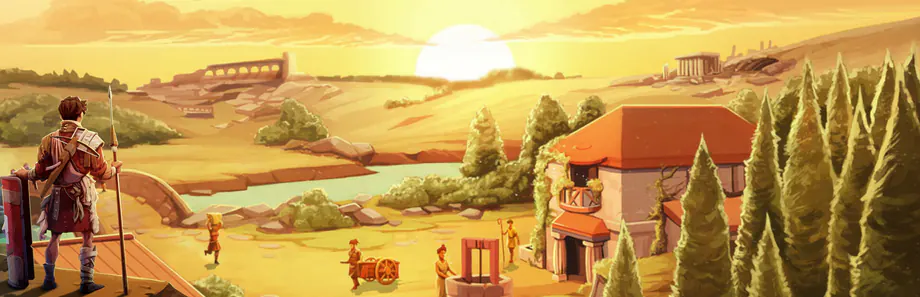
The Romestead biomes tool above is a route planner for the current Early Access build. Use five practical biome labels: Plains, Forest, Desert, Swamp, and Volcano. Your generated map still decides exact routes and distances, so your first job is not to memorize a final map. Your first job is to leave the settlement with the right supplies, bring back useful materials, and avoid losing a day to an overlong route.
Use Romestead Tools if you want biomes beside boss and god decisions.
Last checked: June 3, 2026. Use the five biome rows for planning, then verify generated-map paths, resource density, enemy pressure, and boss-route triggers in your own build.
Quick Answer
Before a new biome push:
| Check | Why |
|---|---|
| Food is packed | Long routes can turn bad after dusk |
| Gear is repaired or upgraded | Unknown enemies punish weak prep |
| Inventory has space | First-copy materials should not be dropped |
| Return path is clear | A good trip still needs a safe walk home |
| Settlement can function | Farms, citizens, and defense should not collapse while you scout |
If two or more of those are weak, fix the town first.
Five Biome Planning Rows
| Biome | Best use | Do not push if… |
|---|---|---|
| Plains | First settlement, storage, food loop, Guardian of Minerva route | You have not survived the first night |
| Forest | Support materials, denser scouting, extra food/resource checks | Roads, hauling, or food are still messy |
| Desert | First major difficulty spike, Pyzifax, Cyclops / The Eye, copper/tin Quarry checks | Weapon, armor, or food is weak |
| Swamp | Careful scouting, river-split route checks, and higher-pressure enemy routes | You cannot retreat cleanly |
| Volcano | Late resources, Volcanic Ash, Concrete planning, and late boss scouting | You cannot safely return or recover from a bad fight |
These are planning rows, not a promise that every generated save exposes the same short path. Use them to decide what kind of trip you are starting.
Biome Readiness Score
Score the route before leaving the settlement. This is useful because Romestead’s Early Access biomes mix gathering, survival pressure, combat, and progression gates.
| Check | Not ready | Ready enough | Strong |
|---|---|---|---|
| Food | No cooked or spare food | One short-route stack | Enough for scouting and mistakes |
| Tools | Basic tools only | Tools match the resource target | Tools plus backups or repair plan |
| Combat | Avoiding all fights | Weapon and armor tested | Gear fits the route’s danger |
| Storage | Inventory nearly full | Several open slots | Dedicated first-copy space |
| Route | Wandering | One target area picked | Target, turn-back rule, and return path known |
| Settlement | Needs attention soon | Can survive a short trip | Can run while you scout longer |
If the route is weak in food, storage, and return path at the same time, do not start a deep biome run. Use a nearby loop and come back with basics instead.
Carry List
| Route type | Bring | Leave behind |
|---|---|---|
| Nearby resource loop | Basic tools, food, empty inventory | Rare goods and boss materials |
| Dungeon edge | Weapon, armor, buff food, light, return plan | Decorative items and extra town supplies |
| Boss clue route | Best current gear, food, backup plan, co-op rules | Unneeded valuables |
| Volcanic push | Upgraded gear, strong food, route discipline | Casual exploration habits |
Romestead’s physical resource handling makes inventory discipline important. If you bring too much, you cannot return with the materials the route was meant to find.
Route Types And Goals
Do not treat every trip as “explore until full.” Pick the goal first:
| Goal | Best route | Stop after |
|---|---|---|
| Food support | Starter wilds and safe nearby loops | Enough food or ingredients for the next town task |
| Tool upgrade | Resource route tied to one station need | The missing resource is found |
| Boss clue | Dungeon or progression edge | Clue, trigger, or enemy read is confirmed |
| Unknown material | Any new biome edge | First copy is secured |
| Co-op scouting | Split visible tasks only if the return path is safe | Group has enough information for one shared route |
This keeps biome runs useful. A short route with one clear result beats a long trip that returns with random materials and no solved blocker.
Return Rules
Pick a turn-back rule before leaving:
- Return before dusk until the route is familiar.
- Return when food drops below your comfort line.
- Return when gear damage makes the next fight uncertain.
- Return when you find a new material and do not know its use.
- Return when the group splits in co-op.
The goal is not cowardice. It is repeatability. A route you can repeat safely becomes a resource lane; a route you barely survive becomes a story and a repair bill.
Biome Route Mistakes
| Mistake | What it costs | Better habit |
|---|---|---|
| Bringing rare goods into a scouting route | You risk losing materials that were not needed | Empty pockets before leaving |
| Staying after the first new material | Inventory fills before you know what matters | Return, store, and inspect uses |
| Pushing at dusk | A good route becomes a bad return | Set a hard turn-back time |
| Ignoring town needs | Citizens, food, and work loops fall behind | Fix the settlement before deep routes |
| Splitting a co-op group too far | Players lose track of loot, danger, and retreat | Split jobs only inside a known route |
Romestead rewards exploration, but the settlement is the reason exploration matters. A biome run should come back with something the town can use.
What To Do With New Materials
Store first copies of new resources, boss parts, unusual ores, or god-looking materials. Then check:
| Check | Reason |
|---|---|
| Crafting stations | The item may unlock gear or tools |
| Shrine or god menus | The item may be an offering |
| Boss prep | The item may be needed for the next fight |
| Citizen or building needs | The item may support the town loop |
Spend extras after those checks. Spending first copies blindly is the easiest way to block yourself later.
Base Location Check
Several current beginner routes recommend scouting before committing the first serious town. A central base near water, coal, useful roads, and more than one biome border can save many carrying trips later. Do not over-optimize the first camp, but avoid placing the main storage core somewhere that makes every Forest, Desert, or water route painful.
Biomes And Boss Prep
The dungeon and progression edge is where biome planning starts to overlap with Romestead Bosses. Before following a boss clue, ask:
- Did this route reveal a boss trigger, or only a suspicious landmark?
- Is the gear strong enough for a fight, not just normal enemies?
- Can the group return if the fight starts at a bad time?
- Is there a storage plan for rare drops?
- Does the town have enough food and safety to absorb a failed attempt?
If the answer is no, mark the clue and leave. A confirmed route is useful even before the boss is defeated.
Biomes And God Choices
Biome materials can look like crafting goods, shrine offerings, or future progression pieces. When a material feels special, check Romestead Gods before spending it. The safest order is:
- Store one first copy.
- Check crafting stations.
- Check shrine or offering menus.
- Check whether a citizen, building, or technology needs it.
- Spend only extras.
This is especially important in co-op because one player may see a material as crafting fuel while another needs it for shrine planning.
Co-op Biome Roles
| Role | Job |
|---|---|
| Host | Save and reload before the route |
| Scout | Watches path, clues, and return timing |
| Gatherer | Picks up the named route materials |
| Defender | Keeps enemies from breaking the group |
| Quartermaster | Stores first copies after returning |
You do not need all five roles in a small group. The point is to name the jobs before the route begins, so rare materials and return timing do not become messy.
Next Pages To Open
FAQ
How many biomes are in Romestead Early Access?
Use five practical biome labels for planning: Plains, Forest, Desert, Swamp, and Volcano. Your generated map still decides exact routes and distances.
Is there a Volcanic biome in Romestead?
Launch-window community data points to a Volcanic biome in the Early Access build. Check the current build before treating exact routes, resources, or boss details as final.
What should I bring into a new Romestead biome?
Bring upgraded tools or gear for the route, food, a light or return plan, and enough inventory space to store first-copy materials.
When should I leave a biome route?
Return when dusk, low food, damaged gear, full inventory, unclear materials, or unknown enemy pressure would make the trip home risky.