
Guides
Romestead Tools: Bosses, Buildings, Trade Routes
Quick Answer
Use the Romestead tools board when your next problem is practical: search Core Vessel, Crystallized Blood, Empty Pot, Coriander, Radiant Pilum, recipes, boss prep, five-biome routes, seven god choices, building upgrades, Logistics Tent automation, Quarry/Concrete chains, Trading Post routes, seed tests, fishing food routes, and co-op roles before spending rare goods or automating exports.
Romestead Tools
Plan Items, Recipes, Bosses, Biomes, Gods, and Co-op Roles
Search the current Early Access planning data, mark saved checks, and open the route that matches today's blocker.Search The Item Name Before You Spend It
Use the quick chips for Core Vessel, Empty Pot, Radiant Pilum, Volcanic Ash, Concrete, Ember Cloth, Crystallized Blood, Coriander, Firescale Satchel, Shroom Bar, War Table, Grappling Hook, Beer, and Garum.
Protect the first copy. Check Talos Prototype and Pontifex gear before selling, crafting, or exporting.
- SourceCheck current save
- Used inPontifex Headpiece, Pontifex Vestments, Pontifex Sandals
- StationCheck current save
- StatsTier 6; Stack 60; Material Value: 6; Sell: 1 20
Keep enough pots for Beer, Garum, Wine, Mead, Olive Oil, and Bakery pressure before spending them elsewhere.
- SourceRecipe via Pottery, worker level 1, yields 5; Merchant level 2
- Used inBeer, Olive Oil, Garum +2 more
- StationPottery
- StatsTier 1; Stack 60; Material Value: 10; Sell: 2
Store Shaft, Tip, Shank, and related pieces together until the weapon route and boss value are clear.
- SourceFire Elemental Creature
- Used inSancta Trinita Pilum
- StationCheck current save
- StatsTier 3; Material Value: 6; Sell: 1 20
Treat Ash as a Concrete-chain resource. Confirm Clay, water, storage, and Mixer access before batching.
- SourceRecipe via Citizen Work Order, worker level 1, yields 1
- Used inNo known recipe use
- StationCitizen Work Order
- StatsCheck current save
Use routes for surplus only. Do not export first-copy boss drops, food floors, building goods, or shrine materials.
- SourceOpen route planner
- Used inRoute rules and protected goods
- StationTrading Post planner
- StatsRoute setup
Do not start late construction until Volcanic Ash, Clay, water, storage, and defense are ready.
- SourceCheck current save
- Used inConcrete Road Upgrade, Concrete Town Road Upgrade
- StationCheck current save
- StatsCheck current save
Save the first copy until Leatherworker, Firescale Satchel, Augur, and Flamen gear pressure is clear.
- SourceRecipe via Leatherworker, worker level 5, yields 1; Magus Ceres Creature
- Used inIron Thread, Iron Rod, Augur Headpiece +7 more
- StationLeatherworker
- StatsTier 1; Stack 100; Material Value: 5 50; Sell: 1 10
Store it for the altar and Pottery unlock route until the quest prompt appears in your save.
- SourceCheck current save
- Used inNo known recipe use
- StationCheck current save
- StatsTier 6
Check seed source and food uses before cooking, selling, or scaling a field.
- SourceCoriander Crop cultivated 1-2 100%; Coriander Crop wild 2-3 100%
- Used inScorpion Skewers, Salamander Skewer, Minutal Vulcanum
- StationCheck current save
- StatsTier 2; Stack 60; Material Value: 1; Sell: 0
Check Leatherworker, Firescale, and Ember Cloth pressure before crafting or carrying it into a risky route.
- SourceRecipe via Leatherworker, worker level 5, yields 1
- Used inNo known recipe use
- StationLeatherworker
- StatsTier 3; Consumable Value: 1 15; Sell: 23
Check station, ingredients, food value, and boss-prep use before spending mushrooms or rare food inputs.
- SourceCheck current save
- Used inNo known recipe use
- StationCheck current save
- StatsRestores 10 health Heals 0 health over 0 seconds; Tier 1; Stack 40; Food Value: 10; Sell: 2
Check Carpenter, Wood Plank, and boss declaration routes before treating it like ordinary furniture.
- SourceRecipe via Carpenter, worker level 1, yields 1; War Table World drop
- Used inNo known recipe use
- StationCarpenter
- StatsTier 1; Furniture Value: 70; Sell: 14
Check Blacksmith, Copper Bar, and travel utility before crafting or upgrading variants.
- SourceRecipe via Blacksmith, worker level 1, yields 1
- Used inNo known recipe use
- StationBlacksmith
- StatsTier 2; Weapon Value: 2 50; Sell: 50; Slot Offhand
Check crop, container, Dolium, and citizen-food pressure before scaling production.
- SourceRecipe via Citizen Work Order, worker level 1, yields 1
- Used inNo known recipe use
- StationCitizen Work Order
- StatsRestores 20 health Heals 0 health over 0 seconds; Tier 2; Stack 40; Food Value: 50; Sell: 10
Check Fish, Empty Pot, storage, and Bakery pressure before turning a catch into sauce.
- SourceRecipe via Citizen Work Order, worker level 1, yields 1
- Used inIsicia Marina, Gustum de Praecoquis, Isicia Omentata +6 more
- StationCitizen Work Order
- StatsTier 2; Stack 60; Material Value: 2 50; Sell: 50
No matching popular item. Clear search or open the full item database.
Search category, station, source, recipe, known uses, and saved checks before spending rare goods.
Open this when an item name is the blocker.Search buildings, enemies, bosses, gods, quests, costs, drops, unlocks, and save checks before committing a route.
Best when the blocker is a name you found in town, combat, a shrine, or a quest panel.Filter station, inputs, output category, known uses, and current-save checks before crafting.
Strongest for Blacksmith, Leatherworker, Bakery, Carpenter, Pottery, Philosopher, and work-order routes.Search Logistics Tent setup, production chains, local links, and stop rules before exports or repeat orders move important goods.
Use this when automation or Trading Post routes are the blocker.Search offering requirements, altar levels, unlock rewards, and first-copy rules before spending rare goods.
Use this when a god, offering, or sacrifice route is the blocker.Search Quarry, Lumber, Clay, manual transport, and automation readiness before scaling a supply route.
Use this when hauling or station output is the blocker.Flint Gladius or Hasta, full Leather Set, healing or buff food, and a clear return plan.
Store first Guardian drops before crafting, offering, or trying to farm the armor slot.Bring a serious Desert route kit: upgraded weapon, stronger armor, healing food, route markers, and a plan to exit with drops.
Because the route and rewards are high-impact, check the current build before spending Cyclops materials.Prepare for a Desert boss route with food, armor, and enough inventory space for named drops.
Do not turn Grapes or Wine into routine trade goods until first boss-drop copies are stored.Bring late-game food, fire-pressure gear checks, repaired weapons, and a co-op loot rule before breaking the altar.
Do not trigger the Volcano altar casually; losing late food and gear on a scouting route can stall the town.Bring late weapon and armor prep, repair materials, strong food, and a clear loot keeper.
Do not craft with Core Vessel or Talos parts until the gear, shrine, and co-op spending plan is clear.Bring food, repaired gear, and enough inventory room to keep Mirror out of exports.
Store Mirror before crafting, offering, selling, or exporting it.Bring repaired gear, route food, and a return plan before entering the temple.
Do not spend rare gear or food trying to farm this row until the reward loop is worth it.Basic tools, food, light source, and empty space for Stone, Lumber, Flint, Wheat, and Cabbage checks.
Build the storage core, crafting row, Farmstead route, and first boss prep before pushing outward; a central town near water, coal, and biome borders can cut hauling time.Axe, food, storage space, and a plan for dense terrain before placing large farms.
Use Forest as support, not a reason to abandon the Plains food and storage loop; dense terrain can make town layout and hauling worse.Upgraded weapon, armor, water/food support, route markers, and empty space for Desert crops or materials.
Treat Desert as a planned expedition after the Plains settlement can feed itself.Strong food, light, a short scout plan, and enough inventory space to separate unknown materials.
Store first copies and avoid building a long-term loop until the current build makes Swamp value clear.Upgraded gear, strong food, route markers, and a group plan if playing co-op.
Store first copies of unknown materials and avoid crafting blind.Use Guardian's Eye and first-boss progress to restore early construction and crafting routes.
Store Guardian drops before spending them; Minerva progress can overlap with gear, altar, and recipe checks.Prioritize Ceres when Wheat, Farmstead, Bakery, crop production, or citizen food is the current blocker.
Ceres objective counts can differ by save state; check your altar before spending the last Wheat, Cabbage, Olives, Pine Nuts, Mint, or Bay Leaf.Use Diana-style offerings when hunting, hides, wool, bows, leather, or ranged pressure is the blocker.
Do not drain food or hide supplies if the town still needs citizen food and armor basics.Use Mars when bones, weapons, armor, defensive pressure, or ballista-style town defense becomes the blocker.
War offerings can compete with gear crafting, so store first-copy weapons and monster drops.Use Mercury for Market, trade, travel, speed, University/Trading Post route leads, and resource-flow problems.
Trading Post research is late; protect food and first-copy materials before automating routes.Use Venus when potions, accessories, happiness, citizen utility, energy, or decoration choices solve the current town problem.
Citizen or beauty routes should not outrank food, storage, and defense if the town is already unstable.Use Vulcan when Stone, Quarry, metals, walls, forge upgrades, or construction pressure blocks progression.
Coal, Copper Bar, and crafted gear may be offerings or crafting inputs; check both before spending.Reserve a visible shrine or temple space near roads, but away from cramped storage lanes.
A shrine area can shape upgrades later, so do not bury it in a throwaway corner.Hold rare materials until you understand the god, cost, reward, and group priority in the current build.
Never spend the only copy of an unknown boss material just to test a menu.Put basic build goods near crafting, food near farms or kitchens, rare goods away from exports, and trade goods in their own lane.
Starter layout choice Use the current storage option or clear drop zone your build exposes first Later Logistics Tent routes should feed storage categories, not a single messy pile.Place it where the first town will actually work, because the Workbench is how the Town Core and early building flow begins.
Starter craft before creating a town Check the current starter recipe in your save After Logistics is unlocked, the Workbench can open the Logistics view for output-to-input links.Place it only after you know where storage, the first road spine, farms, and defense can fit.
Craft from the Workbench Check current Town Core recipe before placing No direct automation, but every later route depends on this town area being readable.Reserve a visible shrine spot near the road spine without blocking storage, farms, or cart lanes.
Build after creating a town Check current Altar cost and god objective in your save Keep offering goods out of cooking, Market, and Trading Post routes until the Altar check is done.Build near the main production lane so Workbench, Blacksmith, Carpenter, Quarry, Clay Pit, and Lumber Yard routes stay short.
The Giant Owl quest 8 Lumber, 1 Clay Use Logistics to feed it from resource buildings only after protected goods are separated.Place it close to farms, Bakery, and the main work lane so citizens do not slow down from hunger.
Town food support Check current Food Storage recipe in your save Feed cooked food or Bakery output into Food Storage only after you protect offering and boss-prep food.Add housing only after Food Storage, jobs, and roads can support the extra people.
Town housing route after the first shelter pieces appear Check the current house, Insula, or bedroll recipe before expanding population No direct automation; housing should sit near food and work lanes without blocking storage.Keep the first patch compact and close to Food Storage before expanding into a wide field.
Agriculture after town setup Seed, water, space, and current Farm Land placement rules Farmstead workers and Logistics chains become useful after the first crop route is stable.Keep first harvest copies safe, then expand only after food storage and roads can support the farm edge.
Ceres' Farmstead - Level 1 7 Lumber, 5 Stone Can feed later Watermill, Bakery, Food Storage, or recipe lanes through Logistics.Build one readable main route or loop before placing every specialized building.
Starter building choice Mostly space and planning cost Automation still needs physical clarity: buildings should face lanes that make output/input links easy to inspect.Protect the places players actually work: storage, crafting, farms, and the return path.
Early survival and night pressure Current defense, torch, light, or fortification cost Keep fuel and repair goods near the protected work lane.Wall the work core first: storage, farms, crafting, and return paths before remote buildings.
Wooden walls early, then stronger wall routes through progression and research Check the current wall material before enclosing a large area Keep repair and build goods close enough that rebuilding after raids does not drain the whole day.Place it where enemies already pressure the town, not in a decorative corner.
Fueling the Fires route with Vulcan Coal x5, Wood Plank x10, Wood Stick x10 for the unlock objective; check build cost after the reward appears Keep ammo and repair goods near the defense line; do not let trade routes drain them.Place near enough trees to keep speed high, then route Lumber toward Material Storage instead of a mixed export pile.
Build from the Workbench 6 Lumber, 3 Stone Use Logistics to send Lumber into protected Material Storage after one manual check.Build when gear, tools, or boss prep are the blocker, then keep fuel and ore close enough that smelting is not a walking chore.
The Giant Owl quest for Minerva 5 Lumber, 5 Stone, 2 Clay Keep ore and bars separate from Market and Trading Post goods; smelting still needs fuel handling.Use it when armor, citizen gear, or exploration survivability is blocking the next fight or biome route.
Build from the Workbench; check current quest state 5 Lumber, 5 Stone Keep hide, leather, wool, and thread near the station but away from Food Storage and trade exports.Build after the Wheat to Flour route is stable, because Bakery Bread uses less Flour than Campfire Bread.
Ceres route; Fruits of the Harvest unlocks Bakery 5 Lumber, 2 Stone, 3 Clay Link Farmstead or storage to Manual Mill/Watermill, then Bakery, then Food Storage only after each step works alone.Place it on a water edge that still connects cleanly to farms, Bakery, and Food Storage.
Honoring the Craft quest 8 Lumber, 6 Stone Use it as the middle link between crop output and Bakery or oil/wine prep, then save-test the chain.Build these after plain citizen food is stable and the town needs better recipes, offerings, happiness, or boss-prep food.
Ceres, Venus, University, or current recipe route depending on the chain Check each Dolium, keg, or vat recipe before spending Empty Pots, bottles, fish, honey, grapes, or olives Link crop, mill, Dolium, Bakery, and Food Storage one step at a time so one bad route does not eat rare ingredients.Start with one safe chain, such as Farmstead to Watermill to Bakery to Food Storage, before automating the whole town.
Logistics unlock; guide reports commonly place it after Desert/Cyclops progress 6 Lumber, 4 Stone Open Logistics from the Logistics Tent, Workbench, or Carpenter's Workshop, then drag one building output into another input.Build when Clay is the mid-tier construction bottleneck, especially before storage, Brick, Pottery, or Concrete routes expand.
Sanguis Celeste quest 6 Lumber, 10 Stone, 3 Clay Route Clay into protected Material Storage, not directly into Concrete or trade, until build needs are safe.Use it when manual mineral hauling is blocking tools, smelting, construction, or late building chains.
Vulcan Quarry - Level 1 8 Lumber, 6 Stone, 3 Clay Route Quarry output into Material Storage after one manual test.Build when Clay is stable and pot-based combat or utility items will solve the next route.
Declaration of War quest Check current Pottery cost after the quest unlock Keep Clay Pit output protected before letting Pottery consume the town's build Clay.Add it when Clay production is stable and Brick is the actual construction blocker.
Mid-game construction route after the town can support Clay and fuel Check current kiln recipe before turning Clay into bulk Brick Route Clay Pit output into protected storage before feeding a kiln so the town does not burn all build Clay.Use it to clear true surplus or buy support items after food, tools, and build goods are protected.
Art of Trade quest 8 Lumber, 6 Stone, 2 Clay Keep Market goods separate from Trading Post and build storage.Build when the town is stable enough to push research without starving food, defense, or boss prep.
Significant Pursuit quest 4 Lumber, 6 Stone, 8 Brick Keep Research Paper and rare goods out of Market and Trading Post routes until late unlocks are chosen.Move repeatable surplus only after food, boss drops, and building goods are locked away.
Second-settlement route; check current University or research requirement 8 Lumber, 6 Stone Pair with protected storage labels and one co-op route owner.Use after the road spine and storage core are already readable.
The Giant Owl quest 7 Lumber, 2 Stone, 2 Clay Carpenter's Workshop can open Logistics after the unlock is available.Build only when a late construction chain clearly needs Concrete and the Volcano material route is safe.
University for 20 Research Paper 8 Lumber, 6 Stone Route Clay Pit, water, and Volcanic Ash storage carefully before batching Concrete.Reserve space early, then spend only when the favor solves a real blocker.
Worship system and god route Current offering, sacrifice, technology, and building costs Keep offering goods out of trade and cooking routes until the altar confirms the need.Use after roads, storage, farms, defense, and construction lanes already work.
Early Access addition Furniture/object collection and space cost No automation value; keep it clear of production links.Use appeal pieces after roads, storage, food, and defense are already easy to maintain.
Venus, furniture, Sculpture Workshop, and current decoration route Spare room, decorative objects, late materials, and any current appeal upgrade cost No direct automation value; keep decorative paths separate from production lanes.Keep wood, stone, ore, food, rare goods, and trade goods separated near the road spine.
Fix storage before upgrades, decoration, or a second settlement.Upgrade only after the footprint, cost, storage route, and town defense still make sense.
If the upgrade blocks hauling or drains build goods, repair the town spine first.Move only when a building blocks roads, farms, storage, defense, or future production.
Check refund or rebuild cost in the current build before tearing down a working piece.Keep early crops close to food storage and roads so citizens and co-op players do not waste time.
Shrink or move fields only after the food buffer is safe.Plant small patches, store extra seeds, then expand only after source, growth, use, and recipe value are clear.
Rare seeds are not automatically better than stable food crops.Fish close to safe return paths before treating a spot as daily food, recipe, or trade supply.
A distant catch route is scouting until roads, light, and storage support it.Use the Carpenter's Workshop after the storage core and road spine are readable.
Construction help is strongest when materials are already organized.Put common build goods near crafting, food near kitchens or farms, and rare goods away from exports. Stone, Lumber, and Clay can become automated lanes once Quarry, Lumber Yard, and Clay Pit are online.
Trading Post routes should not see first-copy drops or current build inputs; Brick and Concrete need station checks before bulk hauling.Use the Logistics Tent, Workbench, or Carpenter's Workshop to drag one building output into another building input for automatic transfers.
Plan for a small Lumber and Stone cost, then test one route before chaining a whole town.Use Quarry for biome-based mining such as Plains or Forest Flint and Coal, or Desert Volcanic and Iron Bar routes, then route output through logistics.
Quarry output depends on biome and worker level; check the current output before assuming one Quarry can feed every fuel, ore, or building need.Market buys unwanted goods and sells biome-dependent stock after Art of Trade; use it for potions, Fish, Cheese, and economy checks before trade automation.
Market stock varies by biome and job level, so verify the local merchant before planning a route around a buy item.Concrete Mixer turns Volcanic Ash, Clay, and water into Concrete after University research; Clay Pit in Volcano can support ash supply.
Check the University research and build cost before planning a bulk Concrete route.Players who want the safest direct melee start.
Flint Gladius and Sandals Use the early weapon advantage to secure food, basic drops, and a cleaner first boss-prep path. Avoid if you would rather build, mine, or gather before fighting.Players who like reach, safer pokes, and cleaner first fights.
Flint Hasta and Sandals Practice spacing before pushing deeper biome routes or risky enemy camps. Avoid if you prefer fast sword swings or town-building first.Players who want a defensive start and safer early combat mistakes.
Wooden Shield and Sandals Pair the shield start with food, repairs, and a slower boss-prep checklist. Avoid if you are comfortable dodging and want faster gathering or crafting progress.Players who want early stone, ore, and resource-route momentum.
Flint Pickaxe and Sandals Turn the pickaxe advantage into storage, Quarry planning, and first upgrade materials. Avoid if your first blocker is combat rather than town materials.Players who want lumber, building materials, and fast settlement setup.
Flint Axe and Sandals Use the axe route to fund early buildings, storage, walls, and farm support. Avoid if you are rushing boss prep or mining-heavy recipes.Players who want an early town-building and crafting tempo.
Placeable Workbench and Sandals Place the Workbench near the first storage core and keep construction materials protected. Avoid if you want a combat advantage from the first minute.Players who want a knowledge or magic-leaning start.
Scroll of the Novice and Sandals Treat the scroll route as a careful test path and protect rare pages before spending them. Avoid if you need a straightforward combat or gathering opener.Players who like ranged pressure and item-throwing routes.
Wrist Wraps trinket Use the trinket to test safe ranged pulls before committing rare ammo or gear. Avoid if you dislike ammo planning or want a simple melee opener.Wheat: Bread, Beer, Flour/Dough routes, and Ceres' Honoring the Soil offering.
Your save may show a different Honoring the Soil wheat count; check the altar objective before spending the stack. Seed price: 10 Crop: Wheat Planted in: Plains Confirmed uses: Bread, Beer, Flour/Dough routes Unlock route: Honoring the Soil -> Farmstead Ceres value: check at altar before spendingCabbage: Ceres' Fruits of the Harvest offering and early food checks.
Exact offering count can vary by objective state; check the altar before spending the last Cabbage. Seed price: 10 Consume: restores 5 health Citizen food: 1 Sell price: 2 Source: Cabbage Seeds in Plains Fruits of the Harvest: check altar count before spendingBay Leaf: Possible herb-style recipe or offering route; treat as unconfirmed until it appears in your current build.
Do not count Bay Leaf as required unless your altar or recipe panel asks for it. Seed price: 10 Planting: Plains or Swamp Ceres value: check at altar before spending Status: altar and recipe check first Best use now: first-copy storage Do not spend: before altar and recipe checksMint: Possible herb-style recipe or offering route; treat as unconfirmed until it appears in your current build.
Do not count Mint as required unless your altar or recipe panel asks for it. Seed price: 10 Planting: Plains, Forest, or Swamp Status: altar and recipe check first Best use now: first-copy storage Do not spend: before altar and recipe checksOlives: Ceres' Fruits of the Harvest offering and Olive Paste / Olive Oil chain.
Olives can help in a pinch, but save the Ceres and oil stack before treating them as routine citizen food. Seed price: 10 Consume: restores 3 health Citizen food: 0 Sell price: 1 Oil chain: Olive Paste + Empty Pot -> Olive Oil Fruits of the Harvest: save 5 Olives if your altar asksGrapes: Grape Paste, Wine, trade checks, and Pyzifax-route surplus notes.
Wine and paste routes should wait until food reserves are stable; Grape patches also need water planning. Seed price: 25 Planting: Plains, Desert, or Swamp Must be watered Ceres value: check at altar before spending Best timing: after Wheat and Bread are stable Main route: Wine and broader food economy Storage note: keep drink, food, and trade goods separateAloe Vera: Aloe Salve brewing and desert-route recovery.
Use for healing prep, not general food. Seed price: 50 Crop: Aloe Vera Planted in: Desert Confirmed use: Aloe SalveCoriander: Desert crop and recipe testing.
Treat as a test row until your save confirms the route, value, and best use. Seed price: 5 Planting: Desert Grows into: CorianderCumin: Recipe and spice-route testing after the planting source is clear.
Do not plan a normal farm patch around Cumin until your save confirms where it can be planted. Seed value: 5 Sell price: 1 Max stack: 100 Grows into: CuminFlax: Material and textile route checks.
Do not expand if the town still lacks food. Seed price: 5 Planting: Desert Grows into: FlaxPepper / Pepper Corns: Pepper Corns for late food recipes and volcanic recipe checks.
Verify the Volcano merchant level and planting route before counting Pepper as a stable crop. Seed value: 5 Planting: volcano Cultivated output: Pepper Corns and Pepper Seed Merchant lead: Volcano Merchant Lv.5Ember Orchid: Ember Cloth in the Leatherworker route.
Volcanic planting should be verified in the current Early Access build. Seed price: 1 Planting: Volcanic soil Grows into: Ember OrchidPine Tree: Pine tree route that may support Pine Nuts and Ceres' Fruits of the Harvest planning.
Use Pinecone as a Pine Nut route lead, not a guaranteed shortcut; confirm the output before relying on it. Seed value: 30 Planting: ground in Plains Grows into: Pine Tree Route lead: Stone Pine dropBlackberry Bush: Repeatable bush food and route support.
Exact yield and regrowth timing need current-build checks. Seed price: 5 Planting: Plains, Forest, or Swamp Grows into: Blackberry BushRedcurrant: Bush food, storage, and market-route checks.
Keep first copies before recipe testing. Seed price: 5 Planting: Plains, Forest, or Swamp Grows into: Red Currant BushWhite Currant: Bush food and market-route checks.
Confirm price and source in your own save before treating it as better than other bush food. Seed price: 5 Planting: Plains, Forest, or Swamp Grows into: White Currant BushApple: Tree fruit, Ceres worship value, and longer-term food route.
Do not use orchard land before first food and roads are stable. Sapling price: 15 Planting: Forest Consume: restores 5 health Citizen food: 2 Sell price: 2 Worship: Ceres +8Apricot: Apricot and fish stew route, including Minutal Ex Praecoquis checks.
Pairs better with advanced food planning than first-night survival. Sapling price: 30 Planting: Desert Recipe tie-in: Minutal Ex Praecoquis Best timing: after Bakery and fish routes are stable Do not spend: first Apricots before boss-food testingTree / Pine Nut route check: Tree planting route to check before completing Ceres' Fruits of the Harvest set.
If your altar asks for Pine Nuts, confirm the tree output before relying on this route. Sapling price: 15 Planting: Plains, Forest, or Swamp Offering route: Fruits of the Harvest lists Pine Nuts x5 Output: confirm Pine Nuts before relying on it Best use now: first-copy storagePalm Tree: Desert tree route and later biome resource check.
Useful data is still thin, so do not spend scarce Desert space on a large palm patch early. Sapling price: 30 Planting: Desert Grows into: Palm TreePoison Mushrooms: Poison mushroom route and risky food checks.
Do not feed poison mushrooms to the settlement without checking. Seed price: 5 Planting: Forest or Swamp Grows into: Poison MushroomsBoletus Mushroom: Mushroom food and recipe checks.
Exact recipe output needs current-build verification. Seed price: 5 Planting: Forest or Swamp Grows into: Boletus MushroomsChanterelle Mushroom: Mushroom food and cooking tests.
Do not rank above reliable crops until growth and recipe value are checked. Seed price: 5 Planting: Forest or Swamp Grows into: Chanterelle MushroomsGarum, Deep Fried Fish, Minutal Ex Praecoquis, and emergency food checks.
Confirm the sell value and water spot in your build before planning a profit route. Used in: Garum Used in: Deep Fried Fish Used in: Minutal Ex Praecoquis Still needs in-save check: spot, bait, catch rateFood, recipe, or trade check after first copy is stored.
Exact catch spot and recipe use need current-build verification. Best use now: first-copy storage Still needs in-save check: spot, bait, catch rate, recipe use Do not export: before a current-build recipe checkTurns Fish and Empty Pot into Garum.
Build it only if fish is repeatable enough to feed the chain; confirm Fish Sauce Vat naming and unlock steps in your current build. Purpose: create Garum from fish Input pressure: Fish and Empty Pot Support resource: Clay for pot supply Route lead: after Cyclops, Ceres quest, 5 Scorpion Skewers, 5 Mortuum Sauce with BreadMaterial and citizen food route.
Check whether your town needs citizen food more than raw emergency food. Recipe: 1 Fish + 1 Empty Pot Station: Garum Dolium Citizen food: 2Core citizen food and stable settlement food route that supports longer fishing or boss sessions.
Bread is not a fishing output, but it is the baseline food route fish dishes should beat before they take pots or Bakery time. Consume: restores 15 health Well Fed: heals 60 health over 10 minutes Citizen food: 6 Sell price: 8Pot-competing food and drink route that can affect whether fish processing is worth starting.
Beer competes with Garum and Olive Oil for Empty Pots, so use it as a bottleneck check in the fish-food chain. Recipe: 1 Wheat + 1 Empty Pot Consume: restores 20 health Well Fed: heals 60 health over 10 minutes Citizen food: 1 Sell price: 50Support ingredient for Deep Fried Fish and other Bakery recipes.
Olive Oil can look like a profit route, but it can also block Garum, Beer, or Wine if pots are scarce. Recipe: 1 Olive Paste + 1 Empty Pot Used in: Deep Fried Fish Used in: Globi Competes for: Empty PotSupport material for Wine and mid-game food economy routes.
Grape Paste supports food economy, but it should not take priority over Wheat and Bread while citizens are unstable. Crafted at: Manual Mill Crafted at: Watermill Used in: Wine Sell price: 7Food-economy and happiness route that competes for Grapes and Empty Pots.
Use Wine as a support route, not a first food solution; confirm unlock and gift behavior in your current build. Input pressure: Grapes and Empty Pot Gift effect to verify: +2 happiness Loyalty effect to verify: +5% Work tradeoff to verify: -1 efficiencyCooked fish route with crit chance and strong citizen-food value.
Olive Oil competes for Empty Pot supply, so this can starve Garum, Wine, or other pot routes. Recipe: 1 Fish + 2 Olive Oil Consume: restores 10 health Buff: Crit Chance +4% Citizen food: 10Garum-linked Bakery dish and higher-value cooked route.
Stats and description are useful for planning, but exact ingredient quantities still need work-order confirmation. Bakery listing: Job Lv.3 Heal: 25 Eat time: 160s Price: 250 Description: crab cakes with salad and garum dressingGarum-linked Bakery dish that connects seed planning to fish-sauce routing.
Treat ingredient wording as a planning guide until the Bakery work order confirms exact quantities. Heal: 10 Eat time: 170s Price: 250 Ingredients named in description: apricot, mint, garum, honeyLate Bakery dish that links fish sauce, wine, bread, and meat routes.
Useful as a route connector, but exact work-order inputs still need current-build confirmation. Heal: 10 Eat time: 170s Price: 250 Description: meat, wine-soaked bread, and garum, rolled up and friedBread upgrade candidate when cheese and Bakery capacity are available.
Use as a Bakery comparison row; exact ingredient quantities and final heal should be checked in the work order. Description: cheese spread eaten with Bread Crafted at: Bakery Price: 250 Likely heal row: 15Support food, citizen food, and a Moretum and Bread ingredient route.
Cheese is not a fishing output, but it supports the same food-chain decisions that compete with fish and Garum. Source: Market Source: Goats Consume: restores 5 health Citizen food: 2 Sell price: 6Bakery food and possible Fish Sauce Vat unlock input after Cyclops.
If Fish Sauce Vat or a Ceres objective asks for Scorpion Skewers, verify the count before cooking the last batch. Bakery listing: Job Lv.3 Heal: 30 Eat time: 170s Price: 250 Description: juicy scorpion meat glazed with apricotsMid-late Bakery food that compares against fish and Garum-heavy boss food.
This is not a fishing dish, but it belongs in the food-chain comparison because it can beat weak fish routes if meat and apples are easier. Bakery listing: Job Lv.5 Heal: 20 Eat time: 170s Price: 250 Description: hearty stew made from pork and applesApple-based Bakery food for comparing non-fish routes against Garum-heavy meals.
Use as a food-chain comparison row; exact ingredient quantities need current-build confirmation. Bakery listing: Job Lv.5 Heal: 25 Eat time: 170s Price: 250 Description: sweet and sour spiced apple puddingLate Bakery comparison row that helps decide whether fish routes are worth the same station time.
Use the description for planning, then confirm exact work-order ingredients in-game. Bakery listing: Job Lv.6 Heal: 10 Eat time: 170s Price: 600 Description: variety of ingredients spread on dough and cooked in an ovenBoss-prep food and citizen support.
Strong on paper, but it needs several ingredient routes to be practical. Consume: restores 25 health Well Fed: heals 60 health over 10 minutes Regeneration: heals 80 over 8 seconds Resistance: +30% Necro and +100% Curse for 15 minutes Citizen food: 10Required with Fish for Garum.
A fish route can stall if pots are not stocked, especially when Beer, Wine, or Olive Oil also need them. Used in: Garum Used in: Olive Oil Competes with: Beer, Wine, oil, and fish processing Sell price: 2Later route with additional dungeons and tougher survival pressure.
Bring upgraded gear, food, and a return plan before treating it like a starter biome.Current boss routes cover seven named fights to plan around, including Talos Prototype, Medusa, and Di Inferi.
Store first-copy drops and verify trigger order in your own save before crafting from rare materials.Citizens can help with construction and reduce repeated town-building friction.
Use the role after the road spine and storage core are readable.Automated trade routes move resources between settlements.
Protect food, boss drops, and current build goods before allowing exports.Furniture and objects can be collected, placed, and customized without normal inventory pressure.
Keep decoration away from roads, workshops, and defense lines until the town functions.Makes treasure, boss drops, and route materials easier to manage.
Sorting helps only if storage categories are clear.Place it near the production core, link one output to one input, then watch the route before adding more chains.
Defeat the Cyclops (Pyzifax) boss in the Desert biome; Build cost check: 6 Lumber + 4 Stone Automate resource transfer between buildings Check range, stack limits, and the current building menu before making the town depend on the route. logistics automation production storageTreat the unlock as a boss and route checkpoint, then build only after the town can spare basic materials.
1. Unlock Keeps the automation setup in a safe order instead of linking several buildings at once. Save and test the link after each step if the route touches food, rare goods, or build materials. logistics automation setupPlace it close to production buildings so workers, storage, and players do not lose time walking.
2. Build Keeps the automation setup in a safe order instead of linking several buildings at once. Save and test the link after each step if the route touches food, rare goods, or build materials. logistics automation setupOpen the building or station interface and find the route link controls before moving goods.
3. Access Menu Keeps the automation setup in a safe order instead of linking several buildings at once. Save and test the link after each step if the route touches food, rare goods, or build materials. logistics automation setupPlace it close to production buildings so workers, storage, and players do not lose time walking.
4. Linking Keeps the automation setup in a safe order instead of linking several buildings at once. Save and test the link after each step if the route touches food, rare goods, or build materials. logistics automation setupRun this as a single test chain first, then keep emergency food and current build goods outside exports.
Farmstead output: Wheat; link to Watermill. Automatic wheat supply If storage drops after a night or reload, pause the chain and refill by hand. production-chain food logistics farmstead watermillRun this as a single test chain first, then keep emergency food and current build goods outside exports.
Watermill output: Flour; link to Bakery. Automatic flour grinding If storage drops after a night or reload, pause the chain and refill by hand. production-chain food logistics watermill bakeryRun this as a single test chain first, then keep emergency food and current build goods outside exports.
Bakery output: Bread; link to Food Storage. Automatic bread storage If storage drops after a night or reload, pause the chain and refill by hand. production-chain food logistics bakery food-storageUse this as the stop point for the chain, then check the storage floor before expanding automation.
Food Storage output: Stores food. Keeps your town fed If finished goods disappear into the wrong route, remove the link and refill by hand. production-chain food storage food-storageUse this as a food-chain checkpoint before linking the next building.
1: Farmstead Feeds Produces wheat. Confirm the output reaches storage before relying on repeat production. production-chain food farmsteadUse this as a food-chain checkpoint before linking the next building.
2: Watermill Feeds Grinds wheat into flour. Confirm the output reaches storage before relying on repeat production. production-chain food watermillUse this as a food-chain checkpoint before linking the next building.
3: Bakery Feeds Turns flour into bread. Confirm the output reaches storage before relying on repeat production. production-chain food bakeryUse this as a food-chain checkpoint before linking the next building.
4: Food Storage Feeds Fills with bread automatically. Confirm the output reaches storage before relying on repeat production. production-chain food food-storageProtect first-copy goods, test the source and destination, then let the route run only while storage stays healthy.
Level 2 Quarry (Coal) - linked to buildings that need fuel Turns a repeated hauling chore into a planned production route. Stop the route if the same goods are needed for food, boss prep, offerings, or current construction. automation route trade fuel-coalProtect first-copy goods, test the source and destination, then let the route run only while storage stays healthy.
Olive production - Press - Storage (great for selling) Turns a repeated hauling chore into a planned production route. Stop the route if the same goods are needed for food, boss prep, offerings, or current construction. automation route trade olive-oilProtect first-copy goods, test the source and destination, then let the route run only while storage stays healthy.
Multiple inputs linked to workshops for tools, weapons, or trade goods Turns a repeated hauling chore into a planned production route. Stop the route if the same goods are needed for food, boss prep, offerings, or current construction. automation route trade advanced-goodsUse this as a route safety check before adding another link or repeat order.
One output can feed multiple inputs; daisy-chain as needed Helps decide how complicated the route should be before it touches important goods. Keep the first version small so a bad link is easy to remove. automation logistics connectionsUse this as a route safety check before adding another link or repeat order.
Unlocked with the tent - set buildings to repeat production Helps decide how complicated the route should be before it touches important goods. Keep the first version small so a bad link is easy to remove. automation logistics repeatable-work-ordersUse this as a route safety check before adding another link or repeat order.
Some buildings (like Bakery) may have stack limits and need occasional manual restarts Helps decide how complicated the route should be before it touches important goods. Keep the first version small so a bad link is easy to remove. automation logistics automation-limitsUse this as a route safety check before adding another link or repeat order.
Connections work within your town area - keep buildings relatively close Helps decide how complicated the route should be before it touches important goods. Keep the first version small so a bad link is easy to remove. automation logistics rangeUse this as a route safety check before adding another link or repeat order.
Return to the Logistics menu to remove or adjust connections anytime Helps decide how complicated the route should be before it touches important goods. Keep the first version small so a bad link is easy to remove. automation logistics editing-linksKeep a builder stack near material storage, then test Quarry output before replacing manual stone trips.
Picking up small stones; breaking bigger rocks with pickaxes; automation check: Quarry. Extracts Stone Automation still needs a clean storage destination or it becomes another walking problem. resource hauling automation stone quarry logistics-tentUse carts or a clear road spine for repeat wood trips, then protect raw Lumber before plank-heavy work.
Chopping down trees (implied); automation check: Lumber Yard. Processes Wood into Lumber Automation still needs a clean storage destination or it becomes another walking problem. resource hauling automation lumber lumber-yard logistics-tentPut bucket routes, Pottery, Brick, and Concrete needs in one plan before the Clay Pit feeds automation.
Collecting with a Bucket; automation check: Clay Pit. Extracts Clay Clay feeds too many routes, so keep a reserve before pots, Brick, or Concrete consume it. resource hauling automation clay clay-pit logistics-tentStore Brick near Not in Demo, then link N/A only after the route is stable.
N/A; automation check: Not in Demo. N/A Keep this as a current-save check; do not promise automation until the building UI confirms it. resource hauling automation brick not-in-demo n-aStore Marble near Not in Demo, then link N/A only after the route is stable.
N/A; automation check: Not in Demo. N/A Keep this as a current-save check; do not promise automation until the building UI confirms it. resource hauling automation marble not-in-demo n-aBring only the listed requirement, test the temple or platform step, then return before spending rare goods.
Iron Rods Keeps the stone automation route tied to visible requirements instead of guesswork. Treat unclear activation steps as a save check. quarry resource activation templeBring only the listed requirement, test the temple or platform step, then return before spending rare goods.
Blacksmith Building Keeps the stone automation route tied to visible requirements instead of guesswork. If your save asks for Ingredients for the Quarry, follow the live UI instead. quarry resource activation templeBring only the listed requirement, test the temple or platform step, then return before spending rare goods.
Unknown Keeps the stone automation route tied to visible requirements instead of guesswork. Treat unclear activation steps as a save check. quarry resource activation templePlace it close to the production core, test one route, then save the working layout before chaining more buildings.
6 Lumber + 4 Stone Links nearby production buildings so food, materials, and workshop routes need less hand hauling. Keep first-copy drops, emergency food, and current build goods away from the route until filters are confirmed. building automation logistics tradingAdd Quarry only when it solves today's route blocker, then store the first outputs before linking exports.
Build after the town can protect stone output and spare the worker route. Stone and mineral automation for repeated construction and upgrade pressure. Put output near material storage before linking it to later construction. building automation resource quarryAdd Lumber Yard only when it solves today's route blocker, then store the first outputs before linking exports.
Use once the town needs repeat wood routes instead of one-off tree trips. Turns wood hauling into a cleaner build-material lane. Protect raw lumber and planks separately so one route does not starve the other. building automation resource lumber-yardAdd Clay Pit only when it solves today's route blocker, then store the first outputs before linking exports.
Use after bucket clay trips are slowing Pottery, Brick, Bakery, or Concrete plans. Creates a repeat Clay lane for storage, pots, Brick, and later Concrete. Do not let every Clay route feed pots while current building upgrades still need raw Clay. building automation resource clay-pitAdd Brick Oven only when it solves today's route blocker, then store the first outputs before linking exports.
Use only when Clay and fuel can be spared from storage and station needs. Turns Clay and fuel into Brick for mid-town construction. Keep a raw Clay reserve before starting repeat Brick production. building automation resource brick-ovenAdd Food Storage only when it solves today's route blocker, then store the first outputs before linking exports.
Use as the end point of a stable food chain before routes expand. Keeps citizens fed while Farmstead, Watermill, and Bakery output repeats. Pause automation if the storage floor drops after a night or reload. building automation resource food-storageAdd Watermill only when it solves today's route blocker, then store the first outputs before linking exports.
Use when Wheat and food storage are ready for repeat Flour production. Feeds Bakery routes and bread supply. Check whether Flour is needed for offerings, food, or trade before exporting. building automation resource watermillUse the wall tier that protects the current work area without blocking roads, carts, or worker paths.
Unlock: Default; defense 2; HP 200. Adds a clearer night-safety line around storage, workstations, farms, or repair routes. Confirm current cost and footprint before rebuilding a working defense line. defense wall building wooden-wallUse the wall tier that protects the current work area without blocking roads, carts, or worker paths.
Unlock: Vulcan offering level 1; defense 4; HP 400. Adds a clearer night-safety line around storage, workstations, farms, or repair routes. Confirm current cost and footprint before rebuilding a working defense line. defense wall building stone-wallUse the wall tier that protects the current work area without blocking roads, carts, or worker paths.
Unlock: University research; defense 6; HP 600. Adds a clearer night-safety line around storage, workstations, farms, or repair routes. Confirm current cost and footprint before rebuilding a working defense line. defense wall building concrete-wallPut happier citizens on important station work and improve building comfort before judging output.
Check the citizen panel before assigning long work orders or rare crafts. Affects NPC efficiency and expertise. Also increases town defense value. Use this as a worker-choice check, then confirm the exact number in your current citizen UI. npc citizen settlement worker happinessAssign high-consumption citizens only after Food Storage and farm routes can support them.
Check the citizen panel before assigning long work orders or rare crafts. How many units of food the NPC consumes per day. Use this as a worker-choice check, then confirm the exact number in your current citizen UI. npc citizen settlement worker food-consumptionUse efficient workers for repeat orders, automation buildings, and bottleneck stations.
Check the citizen panel before assigning long work orders or rare crafts. Work speed. Determines how fast an NPC completes crafting orders. Also affects output of lumber mills, quarries, and clay pits. Use this as a worker-choice check, then confirm the exact number in your current citizen UI. npc citizen settlement worker efficiencySave high-expertise citizens for gear, quality-sensitive work, and rare crafting checks.
Check the citizen panel before assigning long work orders or rare crafts. Affects the quality of items produced from commands. Heavily impacts gear made in Leatherworking and Forge workshops. May also affect secondary outputs from quarries and similar facilities. Use this as a worker-choice check, then confirm the exact number in your current citizen UI. npc citizen settlement worker expertiseUse this worker where leveling speed matters more than immediate output.
Check the citizen panel before assigning long work orders or rare crafts. Only affects how fast the NPC levels up. Use this as a worker-choice check, then confirm the exact number in your current citizen UI. npc citizen settlement worker experience-gainRaise loyalty before relying on this citizen for long-term specialist work.
Check the citizen panel before assigning long work orders or rare crafts. Affects the speed at which loyalty increases. Use this as a worker-choice check, then confirm the exact number in your current citizen UI. npc citizen settlement worker loyalty-gainFollow the sky or nest clue, bring upgraded starter gear and food, then store the first reward materials.
Open world, starting region Gives a concrete boss route to prep, scout, and store drops from. Scout first, save before the trigger, and store first-copy drops after the fight. boss route gear guardian-of-minerva-giant-owl open-world-starting-regionScout the Desert base route, name a loot keeper in co-op, and save before the trigger.
Desert Biome - Desert Satyr's Base Gives a concrete boss route to prep, scout, and store drops from. Scout first, save before the trigger, and store first-copy drops after the fight. boss route gear pyzifax desert-biome-desert-satyr-s-baseTreat this as a heavier Desert progression check with better armor, food, and a safe return path.
Desert region - High Temple of the Satyrs Gives a concrete boss route to prep, scout, and store drops from. Scout first, save before the trigger, and store first-copy drops after the fight. boss route gear the-eye-cyclops desert-region-high-temple-of-the-satyrsLeave this row as a watch item and do not route rare gear around it yet.
Not yet active Trailer or future-looking route; do not spend a serious kit around it yet. Wait for the current build to show the route before planning gear or food. boss route gear giant-phoenix not-yet-activeLeave this row as a watch item and do not route rare gear around it yet.
Not yet active Trailer or future-looking route; do not spend a serious kit around it yet. Wait for the current build to show the route before planning gear or food. boss route gear robot not-yet-activeLeave this row as a watch item and do not route rare gear around it yet.
Not yet active Trailer or future-looking route; do not spend a serious kit around it yet. Wait for the current build to show the route before planning gear or food. boss route gear talos not-yet-activeMove these drops into first-copy storage, then check Blacksmith, Leatherworker, altar, and boss-prep rows before using them.
After the Desert Cyclops or The Eye route, sort boss-looking drops before spending. Protect Granite Tooth, Nail of the Cyclops, Tectonic Helmet, Tectonic Armor until gear and offering routes are clear. If your save names the fight differently, follow the live quest and keep the same first-copy rule. boss cyclops drops gear desertFinish the visible requirement, then review new offerings before spending rare goods.
Build altar Skill tree access: Tiers 1-2. Do not assume later tiers are safe until your altar panel shows the same route. altar gods sacrifice skill-treeFinish the visible requirement, then review new offerings before spending rare goods.
Defeat Owl Boss Skill tree access: Tiers 3-4. Do not assume later tiers are safe until your altar panel shows the same route. altar gods sacrifice skill-treeFinish the visible requirement, then review new offerings before spending rare goods.
Defeat Cyclops Boss Skill tree access: Tier 5. Do not assume later tiers are safe until your altar panel shows the same route. altar gods sacrifice skill-treeStore first-copy materials, open the altar panel, and spend only when this route solves the next town blocker.
Offer Guardian's Eye Checks unlocks for Material Storage, Blacksmith, Carpenter, Empty House, Altar. If the altar panel asks for different items or counts, follow your save and keep rare goods protected. altar gods offering unlock guardianStore first-copy materials, open the altar panel, and spend only when this route solves the next town blocker.
Discover a god at the altar Check the altar reward panel before spending more offerings. If the altar panel asks for different items or counts, follow your save and keep rare goods protected. altar gods offering unlockStore first-copy materials, open the altar panel, and spend only when this route solves the next town blocker.
Offer Malformed Satyr Horn Reveals the next route or boss location. If the altar panel asks for different items or counts, follow your save and keep rare goods protected. altar gods offering unlockStore first-copy materials, open the altar panel, and spend only when this route solves the next town blocker.
Offer Granite Tooth Checks unlocks for Blacksmith, Carpenter, Altar, Brick Oven. If the altar panel asks for different items or counts, follow your save and keep rare goods protected. altar gods offering unlock graniteStore first-copy materials, open the altar panel, and spend only when this route solves the next town blocker.
Offer Core Vessel Checks unlocks for Blacksmith, Carpenter, Altar, Temple. If the altar panel asks for different items or counts, follow your save and keep rare goods protected. altar gods offering unlock core-vesselStore first-copy materials, open the altar panel, and spend only when this route solves the next town blocker.
Offer Wheat ×20 Checks unlocks for Farmstead. If the altar panel asks for different items or counts, follow your save and keep rare goods protected. altar gods offering unlock wheat farmsteadStore first-copy materials, open the altar panel, and spend only when this route solves the next town blocker.
Offer Olives ×5 Pine Nuts ×5 Cabbage ×2 Checks unlocks for Bakery. If the altar panel asks for different items or counts, follow your save and keep rare goods protected. altar gods offering unlock bakeryStore first-copy materials, open the altar panel, and spend only when this route solves the next town blocker.
Offer Emperor's Salad Mushroom Skewer Bread x5 Checks unlocks for Watermill. If the altar panel asks for different items or counts, follow your save and keep rare goods protected. altar gods offering unlock watermillStore first-copy materials, open the altar panel, and spend only when this route solves the next town blocker.
Offer Scorpion Skewers Moretum and Bread Checks unlocks for Garum Dolium. If the altar panel asks for different items or counts, follow your save and keep rare goods protected. altar gods offering unlock garumStore first-copy materials, open the altar panel, and spend only when this route solves the next town blocker.
Offer The Moonstring Checks unlocks for Well. If the altar panel asks for different items or counts, follow your save and keep rare goods protected. altar gods offering unlockStore first-copy materials, open the altar panel, and spend only when this route solves the next town blocker.
Offer Sagittarii Bow Bronze Arcuballista Flint Arrow ×500 Bronze Arrow ×200 Unlocks new construction: Leatherworker - Level 2 If the altar panel asks for different items or counts, follow your save and keep rare goods protected. altar gods offering unlockStore first-copy materials, open the altar panel, and spend only when this route solves the next town blocker.
Offer Crystallized Blood Unlocks new construction: Clay Pit If the altar panel asks for different items or counts, follow your save and keep rare goods protected. altar gods offering unlockStore first-copy materials, open the altar panel, and spend only when this route solves the next town blocker.
Offer Denarius Unlocks new construction: Market If the altar panel asks for different items or counts, follow your save and keep rare goods protected. altar gods offering unlockStore first-copy materials, open the altar panel, and spend only when this route solves the next town blocker.
Offer Traveler's Coin Research Paper Unlocks new construction: University If the altar panel asks for different items or counts, follow your save and keep rare goods protected. altar gods offering unlockStore first-copy materials, open the altar panel, and spend only when this route solves the next town blocker.
Offer Amor Redivivus Unlocks new construction: Beer Dolium If the altar panel asks for different items or counts, follow your save and keep rare goods protected. altar gods offering unlockStore first-copy materials, open the altar panel, and spend only when this route solves the next town blocker.
Offer Grapes x10 Beer x5 Drum Lyre Unlocks new construction: Wine Dolium If the altar panel asks for different items or counts, follow your save and keep rare goods protected. altar gods offering unlockStore first-copy materials, open the altar panel, and spend only when this route solves the next town blocker.
Offer Copper Bar x5 Unlocks new construction: Quarry If the altar panel asks for different items or counts, follow your save and keep rare goods protected. altar gods offering unlockStore first-copy materials, open the altar panel, and spend only when this route solves the next town blocker.
Offer Coal x5 Wood Plank x10 Wood Stick x10 Unlocks new construction: Automatic Scorpio If the altar panel asks for different items or counts, follow your save and keep rare goods protected. altar gods offering unlockStore first-copy materials, open the altar panel, and spend only when this route solves the next town blocker.
Offer Bronze Helmet Bronze Chestplate Bronze Greaves Bronze Cart Checks unlocks for Blacksmith. If the altar panel asks for different items or counts, follow your save and keep rare goods protected. altar gods offering unlockPlace it where night pressure reaches storage, farms, or work lanes, then test the defense before expanding the town.
defense Footprint 1 x 1 tiles; Build progress 50; Needs town: No Lumber x1 A target dummy that generates aggro Storage core, food chain, defense lane, and current construction stock. Confirm exact cost, placement, worker access, and upgrade behavior in your current save before moving stored goods. building defense night aggro dummy footprint costReserve road-connected shrine space and check altar requirements before spending offerings.
god Footprint 3 x 3 tiles; Build progress 90; Needs town: No; Tier 1 Stone x3 Unlocks quests from the gods. Rare offerings, boss drops, and quest materials. Confirm exact cost, placement, worker access, and upgrade behavior in your current save before moving stored goods. building god altar offerings footprint costReserve road-connected shrine space and check altar requirements before spending offerings.
god Footprint 3 x 3 tiles; Build progress 90; Needs town: No; Tier 2 Stone x5; Quest: The Giant Owl Gives access to more worship unlocks. Also allows for teleportation between level 2 altars. Rare offerings, boss drops, and quest materials. Confirm exact cost, placement, worker access, and upgrade behavior in your current save before moving stored goods. building god altar offerings level giant owl footprint costReserve road-connected shrine space and check altar requirements before spending offerings.
god Footprint 3 x 3 tiles; Build progress 90; Needs town: No; Tier 3 Stone x3 Clay x2 Brick x6; Quest: Virgil's Poem Gives access to even more worship unlocks. Rare offerings, boss drops, and quest materials. Confirm exact cost, placement, worker access, and upgrade behavior in your current save before moving stored goods. building god altar offerings level virgil poem footprint costPlace it where night pressure reaches storage, farms, or work lanes, then test the defense before expanding the town.
defense Footprint 2 x 2 tiles; Build progress 50; Needs town: No; Tier 1 Lumber x1; Quest: Fueling the Fires A ballista that can be loaded with ammo to fire automatically on enemies. Storage core, food chain, defense lane, and current construction stock. Confirm exact cost, placement, worker access, and upgrade behavior in your current save before moving stored goods. building defense night automatic scorpio fueling fires footprint costPlace it where night pressure reaches storage, farms, or work lanes, then test the defense before expanding the town.
defense Footprint 2 x 2 tiles; Build progress 50; Needs town: No; Tier 2 Lumber x1 Stone x2 A ballista that can be loaded with ammo to fire automatically on enemies. Deals more damage with higher upgrade ranks. Storage core, food chain, defense lane, and current construction stock. Confirm exact cost, placement, worker access, and upgrade behavior in your current save before moving stored goods. building defense night automatic scorpio level footprint costPlace it where night pressure reaches storage, farms, or work lanes, then test the defense before expanding the town.
defense Footprint 2 x 2 tiles; Build progress 50; Needs town: No; Tier 3 Lumber x1 Brick x2 A ballista that can be loaded with ammo to fire automatically on enemies. Deals more damage with higher upgrade ranks. Storage core, food chain, defense lane, and current construction stock. Confirm exact cost, placement, worker access, and upgrade behavior in your current save before moving stored goods. building defense night automatic scorpio level footprint costPlace it where night pressure reaches storage, farms, or work lanes, then test the defense before expanding the town.
defense Footprint 2 x 2 tiles; Build progress 50; Needs town: No; Tier 4 Lumber x1 Concrete x2 A ballista that can be loaded with ammo to fire automatically on enemies. Deals more damage with higher upgrade ranks. Storage core, food chain, defense lane, and current construction stock. Confirm exact cost, placement, worker access, and upgrade behavior in your current save before moving stored goods. building defense night automatic scorpio level footprint costPlace it where night pressure reaches storage, farms, or work lanes, then test the defense before expanding the town.
defense Footprint 2 x 2 tiles; Build progress 50; Needs town: No Lumber x1 Automatic Scorpio Enemy: build cost (1x Lumber), 2x2 footprint in Romestead. Storage core, food chain, defense lane, and current construction stock. Confirm exact cost, placement, worker access, and upgrade behavior in your current save before moving stored goods. building defense night automatic scorpio enemy footprint costBuild only when crop, pot, fish, or storage pressure is ready to support the food chain.
food Footprint 7 x 8 tiles; Build progress 150; Needs town: No; Tier 1 Lumber x5 Stone x2 Clay x3; Quest: Fruits of the Harvest; Worker: Baker Houses a baker who can make various breads from grains. Food floor, pots, crop inputs, fish, and finished meals. Confirm exact cost, placement, worker access, and upgrade behavior in your current save before moving stored goods. building food chain bakery fruits harvest baker footprint costBuild only when crop, pot, fish, or storage pressure is ready to support the food chain.
food Footprint 7 x 8 tiles; Build progress 150; Needs town: No; Tier 2 Lumber x5 Stone x5 Brick x5; Worker: Baker Upgrade level 1 Houses a baker who can make various breads from grains. Max baker rank increased to 7. Food floor, pots, crop inputs, fish, and finished meals. Confirm exact cost, placement, worker access, and upgrade behavior in your current save before moving stored goods. building food chain bakery level baker upgrade footprint costBuild only when crop, pot, fish, or storage pressure is ready to support the food chain.
food Footprint 7 x 8 tiles; Build progress 150; Needs town: No; Tier 3 Lumber x2 Stone x2 Brick x5 Concrete x3; Worker: Baker Upgrade level 2 Houses a baker who can make various breads from grains. Max baker rank increased to 10. Food floor, pots, crop inputs, fish, and finished meals. Confirm exact cost, placement, worker access, and upgrade behavior in your current save before moving stored goods. building food chain bakery level baker upgrade footprint costPlace it only when it fixes the active blocker instead of adding another thing to defend.
building Footprint 12 x 6 tiles; Build progress 150; Needs town: No Lumber x8 Stone x6 Barracks Storage core, food chain, defense lane, and current construction stock. Confirm exact cost, placement, worker access, and upgrade behavior in your current save before moving stored goods. building settlement route barracks footprint costPlace it where night pressure reaches storage, farms, or work lanes, then test the defense before expanding the town.
defense Footprint 1 x 1 tiles; Needs town: No Free — no materials required. Barricade: build cost (free to build), 1x1 footprint in Romestead. Storage core, food chain, defense lane, and current construction stock. Confirm exact cost, placement, worker access, and upgrade behavior in your current save before moving stored goods. building defense night barricade footprintBuild housing before recruiting more citizens, then check food storage and jobs before expanding again.
housing Footprint 7 x 6 tiles; Build progress 150; Needs town: No Lumber x8 Stone x6 Bathhouse Storage core, food chain, defense lane, and current construction stock. Confirm exact cost, placement, worker access, and upgrade behavior in your current save before moving stored goods. building housing citizen bathhouse footprint costBuild housing before recruiting more citizens, then check food storage and jobs before expanding again.
housing Footprint 2 x 3 tiles; Needs town: No Free — no materials required. Bed: build cost (free to build), 2x3 footprint in Romestead. Storage core, food chain, defense lane, and current construction stock. Confirm exact cost, placement, worker access, and upgrade behavior in your current save before moving stored goods. building housing citizen bed footprintBuild only when crop, pot, fish, or storage pressure is ready to support the food chain.
food Footprint 2 x 2 tiles; Build progress 50; Needs town: Yes Clay x3 Generates honeycombs. Food floor, pots, crop inputs, fish, and finished meals. Confirm exact cost, placement, worker access, and upgrade behavior in your current save before moving stored goods. building food chain beehive footprint costBuild or upgrade the station only when the next recipe, gear piece, or material route needs it now.
crafting Footprint 9 x 9 tiles; Build progress 150; Needs town: No; Tier 1 Lumber x5 Stone x5 Clay x2; Quest: The Giant Owl; Worker: Blacksmith Houses a blacksmith who can craft various weapons and equipment. Includes a furnace for smelting ore. Last copies of bars, cloth, leather, Clay, Concrete, and rare station inputs. Confirm exact cost, placement, worker access, and upgrade behavior in your current save before moving stored goods. building crafting station unlock blacksmith giant owl footprint costBuild or upgrade the station only when the next recipe, gear piece, or material route needs it now.
crafting Footprint 9 x 9 tiles; Build progress 150; Needs town: No; Tier 2 Lumber x6 Stone x6 Brick x10; Quest: Proving your worth; Worker: Blacksmith Upgrade level 1 Houses a blacksmith who can craft various weapons and equipment. Max blacksmith rank increased to 7. Includes a stronger furnace for smelting tougher ore. Last copies of bars, cloth, leather, Clay, Concrete, and rare station inputs. Confirm exact cost, placement, worker access, and upgrade behavior in your current save before moving stored goods. building crafting station unlock blacksmith level proving your worth upgrade footprint costBuild or upgrade the station only when the next recipe, gear piece, or material route needs it now.
crafting Footprint 9 x 9 tiles; Build progress 150; Needs town: No; Tier 3 Lumber x7 Stone x4 Brick x4 Marble x6 Concrete x8; Worker: Blacksmith Upgrade level 2 Houses a blacksmith who can craft various weapons and equipment. Max blacksmith rank increased to 10. Includes an even stronger furnace for smelting very tough ore Last copies of bars, cloth, leather, Clay, Concrete, and rare station inputs. Confirm exact cost, placement, worker access, and upgrade behavior in your current save before moving stored goods. building crafting station unlock blacksmith level upgrade footprint costBuild or upgrade the station only when the next recipe, gear piece, or material route needs it now.
crafting Footprint 1 x 1 tiles; Build progress 80; Needs town: No Free — no materials required. Increases movement speed by 45% Last copies of bars, cloth, leather, Clay, Concrete, and rare station inputs. Confirm exact cost, placement, worker access, and upgrade behavior in your current save before moving stored goods. building crafting station unlock orange brick road upgrade footprintBuild or upgrade the station only when the next recipe, gear piece, or material route needs it now.
crafting Footprint 4 x 4 tiles; Build progress 150; Needs town: Yes Stone x8 Clay x6; Quest: Virgil's Poem Creates bricks from clay. The oven needs fuel, so you will have to throw in some flammable items or lumber. Last copies of bars, cloth, leather, Clay, Concrete, and rare station inputs. Confirm exact cost, placement, worker access, and upgrade behavior in your current save before moving stored goods. building crafting station unlock brick oven virgil poem footprint costBuild or upgrade the station only when the next recipe, gear piece, or material route needs it now.
crafting Footprint 1 x 1 tiles; Build progress 80; Needs town: No Free — no materials required. Increases movement speed by 45% Last copies of bars, cloth, leather, Clay, Concrete, and rare station inputs. Confirm exact cost, placement, worker access, and upgrade behavior in your current save before moving stored goods. building crafting station unlock brick road upgrade footprintPlace it near the production core and split food, build goods, rare goods, and trade surplus.
storage Footprint 1 x 1 tiles; Build progress 50; Needs town: No Lumber x1 Ash x1 Variants Other versions of this building you can place instead. Wooden Bucket Lumber x 1 Wooden Bucket (Ash) Current Lumber x 1 Ash x 1 Wooden Bucket (Clay) Lumber x 1 Clay x 1 Wooden Bucket (Concrete) Lumber x 1 Concrete x 1 Wooden Bucket (Water) Lumber x 1 Water x 1 Wooden Bucket (Ash): build cost (1x Lumber, 1x Ash), 1x1 footprint in Romestead. First-copy rare goods and current build materials. Confirm exact cost, placement, worker access, and upgrade behavior in your current save before moving stored goods. building storage hauling wooden bucket ash footprint costPlace it near the production core and split food, build goods, rare goods, and trade surplus.
storage Footprint 1 x 1 tiles; Build progress 50; Needs town: No Lumber x1 Clay x1 Variants Other versions of this building you can place instead. Wooden Bucket Lumber x 1 Wooden Bucket (Ash) Lumber x 1 Ash x 1 Wooden Bucket (Clay) Current Lumber x 1 Clay x 1 Wooden Bucket (Concrete) Lumber x 1 Concrete x 1 Wooden Bucket (Water) Lumber x 1 Water x 1 Wooden Bucket (Clay): build cost (1x Lumber, 1x Clay), 1x1 footprint in Romestead. First-copy rare goods and current build materials. Confirm exact cost, placement, worker access, and upgrade behavior in your current save before moving stored goods. building storage hauling wooden bucket clay footprint costPlace it near the production core and split food, build goods, rare goods, and trade surplus.
storage Footprint 1 x 1 tiles; Build progress 50; Needs town: No Lumber x1 Concrete x1 Variants Other versions of this building you can place instead. Wooden Bucket Lumber x 1 Wooden Bucket (Ash) Lumber x 1 Ash x 1 Wooden Bucket (Clay) Lumber x 1 Clay x 1 Wooden Bucket (Concrete) Current Lumber x 1 Concrete x 1 Wooden Bucket (Water) Lumber x 1 Water x 1 Wooden Bucket (Concrete): build cost (1x Lumber, 1x Concrete), 1x1 footprint in Romestead. First-copy rare goods and current build materials. Confirm exact cost, placement, worker access, and upgrade behavior in your current save before moving stored goods. building storage hauling wooden bucket concrete footprint costPlace it near the production core and split food, build goods, rare goods, and trade surplus.
storage Footprint 1 x 1 tiles; Build progress 50; Needs town: No Lumber x1 Water x1 Variants Other versions of this building you can place instead. Wooden Bucket Lumber x 1 Wooden Bucket (Ash) Lumber x 1 Ash x 1 Wooden Bucket (Clay) Lumber x 1 Clay x 1 Wooden Bucket (Concrete) Lumber x 1 Concrete x 1 Wooden Bucket (Water) Current Lumber x 1 Water x 1 Wooden Bucket (Water): build cost (1x Lumber, 1x Water), 1x1 footprint in Romestead. First-copy rare goods and current build materials. Confirm exact cost, placement, worker access, and upgrade behavior in your current save before moving stored goods. building storage hauling wooden bucket water footprint costPlace it near the production core and split food, build goods, rare goods, and trade surplus.
storage Footprint 1 x 1 tiles; Build progress 50; Needs town: No Lumber x1 Variants Other versions of this building you can place instead. Wooden Bucket Current Lumber x 1 Wooden Bucket (Ash) Lumber x 1 Ash x 1 Wooden Bucket (Clay) Lumber x 1 Clay x 1 Wooden Bucket (Concrete) Lumber x 1 Concrete x 1 Wooden Bucket (Water) Lumber x 1 Water x 1 Used to carry water, clay and other liquids. First-copy rare goods and current build materials. Confirm exact cost, placement, worker access, and upgrade behavior in your current save before moving stored goods. building storage hauling wooden bucket footprint costPlace it only when it fixes the active blocker instead of adding another thing to defend.
building Footprint 2 x 1 tiles; Needs town: No Free — no materials required. Camerabench: build cost (free to build), 2x1 footprint in Romestead. Storage core, food chain, defense lane, and current construction stock. Confirm exact cost, placement, worker access, and upgrade behavior in your current save before moving stored goods. building settlement route camerabench footprintPlace it only when it fixes the active blocker instead of adding another thing to defend.
building Footprint 1 x 1 tiles; Needs town: No Free — no materials required. Campfire: build cost (free to build), 1x1 footprint in Romestead. Storage core, food chain, defense lane, and current construction stock. Confirm exact cost, placement, worker access, and upgrade behavior in your current save before moving stored goods. building settlement route campfire footprintBuild or upgrade the station only when the next recipe, gear piece, or material route needs it now.
crafting Footprint 8 x 8 tiles; Build progress 150; Needs town: No; Tier 1 Lumber x7 Stone x2 Clay x2; Quest: The Giant Owl; Worker: Carpenter Unlocks the ability to upgrade buildings. Houses a carpenter who can craft furniture. Last copies of bars, cloth, leather, Clay, Concrete, and rare station inputs. Confirm exact cost, placement, worker access, and upgrade behavior in your current save before moving stored goods. building crafting station unlock carpenter workshop giant owl footprint costBuild or upgrade the station only when the next recipe, gear piece, or material route needs it now.
crafting Footprint 8 x 8 tiles; Build progress 150; Needs town: No; Tier 2 Lumber x3 Stone x3 Clay x4 Brick x5; Quest: Virgil's Poem; Worker: Carpenter Upgrade level 1 Unlocks the ability to upgrade buildings. Houses a carpenter who can craft furniture. Max carpenter rank increased to 6. Last copies of bars, cloth, leather, Clay, Concrete, and rare station inputs. Confirm exact cost, placement, worker access, and upgrade behavior in your current save before moving stored goods. building crafting station unlock carpenter workshop level virgil poem upgrade footprint costBuild or upgrade the station only when the next recipe, gear piece, or material route needs it now.
crafting Footprint 8 x 8 tiles; Build progress 150; Needs town: No; Tier 3 Lumber x5 Stone x5 Brick x10 Concrete x8 Clay x2; Quest: Profane Artifice; Worker: Carpenter Upgrade level 2 Unlocks the ability to upgrade buildings. Houses a carpenter who can craft furniture. Max carpenter rank increased to 8. Last copies of bars, cloth, leather, Clay, Concrete, and rare station inputs. Confirm exact cost, placement, worker access, and upgrade behavior in your current save before moving stored goods. building crafting station unlock carpenter workshop level profane artifice upgrade footprint costBuild or upgrade the station only when the next recipe, gear piece, or material route needs it now.
crafting Footprint 8 x 8 tiles; Build progress 150; Needs town: No; Tier 4 Lumber x6 Stone x6 Clay x5 Brick x6 Marble x8 Concrete x8; Research: 20 x Research Paper; Worker: Carpenter Upgrade level 3 Unlocks the ability to upgrade buildings. Houses a carpenter who can craft furniture. Max carpenter rank increased to 10. Last copies of bars, cloth, leather, Clay, Concrete, and rare station inputs. Confirm exact cost, placement, worker access, and upgrade behavior in your current save before moving stored goods. building crafting station unlock carpenter workshop level research paper upgrade footprint costPlace it near the production core and split food, build goods, rare goods, and trade surplus.
storage Footprint 3 x 2 tiles; Build progress 90; Needs town: No Lumber x3 Variants Other versions of this building you can place instead. Bronze Cart Lumber x 3 Wooden Cart Current Lumber x 3 Holds up to 4 resources. Can be connected into a chain with other carts. First-copy rare goods and current build materials. Confirm exact cost, placement, worker access, and upgrade behavior in your current save before moving stored goods. building storage hauling wooden cart footprint costPlace it near the production core and split food, build goods, rare goods, and trade surplus.
storage Footprint 3 x 2 tiles; Build progress 200; Needs town: No Lumber x3 Variants Other versions of this building you can place instead. Bronze Cart Current Lumber x 3 Wooden Cart Lumber x 3 Bronze Cart: build cost (3x Lumber), 3x2 footprint in Romestead. First-copy rare goods and current build materials. Confirm exact cost, placement, worker access, and upgrade behavior in your current save before moving stored goods. building storage hauling bronze cart footprint costPlace it where night pressure reaches storage, farms, or work lanes, then test the defense before expanding the town.
defense Footprint 3 x 3 tiles; Build progress 70; Needs town: No; Tier 2 Lumber x1 Stone x2 Clay x1 Can catapult throwables far away, dealing higher damage. Damage increased significantly against structures. Storage core, food chain, defense lane, and current construction stock. Confirm exact cost, placement, worker access, and upgrade behavior in your current save before moving stored goods. building defense night stationary catapult level footprint costPlace it where night pressure reaches storage, farms, or work lanes, then test the defense before expanding the town.
defense Footprint 3 x 3 tiles; Build progress 90; Needs town: No; Tier 3 Lumber x2 Brick x3 Can catapult throwables far away, dealing higher damage. Damage increased significantly against structures. Storage core, food chain, defense lane, and current construction stock. Confirm exact cost, placement, worker access, and upgrade behavior in your current save before moving stored goods. building defense night stationary catapult level footprint costPlace it where night pressure reaches storage, farms, or work lanes, then test the defense before expanding the town.
defense Footprint 3 x 3 tiles; Build progress 50; Needs town: No; Tier 1 Lumber x1 Stone x1 Can catapult throwables far away, dealing higher damage. Damage increased significantly against structures. Storage core, food chain, defense lane, and current construction stock. Confirm exact cost, placement, worker access, and upgrade behavior in your current save before moving stored goods. building defense night stationary catapult footprint costBuild only when crop, pot, fish, or storage pressure is ready to support the food chain.
food Footprint 1 x 1 tiles; Needs town: No Free — no materials required. Cauldron: build cost (free to build), 1x1 footprint in Romestead. Food floor, pots, crop inputs, fish, and finished meals. Confirm exact cost, placement, worker access, and upgrade behavior in your current save before moving stored goods. building food chain cauldron footprintCheck tool access, hauling distance, and storage before scaling the resource route.
resource Footprint 12 x 12 tiles; Build progress 150; Needs town: No; Tier 1 Lumber x6 Stone x10 Clay x3; Quest: Sanguis Celeste; Worker: Digger Houses a digger who automatically digs for resources in the biome. Speed is determined by humidity and the amount of clay tiles nearby. Tool time, hauling route, storage slots, and first stacks of new materials. Confirm exact cost, placement, worker access, and upgrade behavior in your current save before moving stored goods. building resource automation clay pit sanguis celeste digger footprint costCheck tool access, hauling distance, and storage before scaling the resource route.
resource Footprint 12 x 12 tiles; Build progress 150; Needs town: No; Tier 2 Lumber x2 Stone x5 Brick x9; Worker: Digger Upgrade level 1 Houses a digger who automatically digs for resources in the biome. Speed is determined by humidity and the amount of clay tiles nearby. Max digger rank... Tool time, hauling route, storage slots, and first stacks of new materials. Confirm exact cost, placement, worker access, and upgrade behavior in your current save before moving stored goods. building resource automation clay pit level digger upgrade footprint costCheck tool access, hauling distance, and storage before scaling the resource route.
resource Footprint 12 x 12 tiles; Build progress 150; Needs town: No; Tier 3 Stone x5 Brick x5 Concrete x7; Worker: Digger Upgrade level 2 Houses a digger who automatically digs for resources in the biome. Speed is determined by humidity and the amount of clay tiles nearby. Max digger rank... Tool time, hauling route, storage slots, and first stacks of new materials. Confirm exact cost, placement, worker access, and upgrade behavior in your current save before moving stored goods. building resource automation clay pit level digger upgrade footprint costCheck tool access, hauling distance, and storage before scaling the resource route.
resource Footprint 12 x 12 tiles; Build progress 150; Needs town: No; Tier 4 Stone x2 Brick x4 Concrete x6 Marble x8; Worker: Digger Upgrade level 3 Houses a digger who automatically digs for resources in the biome. Speed is determined by humidity and the amount of clay tiles nearby. Max digger rank... Tool time, hauling route, storage slots, and first stacks of new materials. Confirm exact cost, placement, worker access, and upgrade behavior in your current save before moving stored goods. building resource automation clay pit level digger upgrade footprint costPlace it only when it fixes the active blocker instead of adding another thing to defend.
building Footprint 2 x 2 tiles; Build progress 50; Needs town: No Stone x2 Deals fire damage to all creatures standing on it. Also emits light. Storage core, food chain, defense lane, and current construction stock. Confirm exact cost, placement, worker access, and upgrade behavior in your current save before moving stored goods. building settlement route coal trap footprint costBuild or upgrade the station only when the next recipe, gear piece, or material route needs it now.
crafting Footprint 3 x 3 tiles; Build progress 150; Needs town: Yes Lumber x8 Stone x6; Research: 20 x Research Paper Creates concrete from volcanic ash, clay and water. Last copies of bars, cloth, leather, Clay, Concrete, and rare station inputs. Confirm exact cost, placement, worker access, and upgrade behavior in your current save before moving stored goods. building crafting station unlock concrete mixer research paper footprint costBuild or upgrade the station only when the next recipe, gear piece, or material route needs it now.
crafting Footprint 1 x 1 tiles; Build progress 90; Needs town: No Free — no materials required.; Research: 30 x Research Paper Increases movement speed by 60% Last copies of bars, cloth, leather, Clay, Concrete, and rare station inputs. Confirm exact cost, placement, worker access, and upgrade behavior in your current save before moving stored goods. building crafting station unlock concrete road upgrade research paper footprintBuild or upgrade the station only when the next recipe, gear piece, or material route needs it now.
crafting Footprint 1 x 1 tiles; Build progress 90; Needs town: No Free — no materials required. Increases movement speed by 60% Last copies of bars, cloth, leather, Clay, Concrete, and rare station inputs. Confirm exact cost, placement, worker access, and upgrade behavior in your current save before moving stored goods. building crafting station unlock concrete town road upgrade footprintPlace it only when it fixes the active blocker instead of adding another thing to defend.
building Footprint 3 x 3 tiles; Needs town: No Free — no materials required. War Table: build cost (free to build), 3x3 footprint in Romestead. Storage core, food chain, defense lane, and current construction stock. Confirm exact cost, placement, worker access, and upgrade behavior in your current save before moving stored goods. building settlement route war table footprintCheck tool access, hauling distance, and storage before scaling the resource route.
resource Footprint 2 x 2 tiles; Build progress 90; Needs town: No; Tier 1 Lumber x1 Stone x2 Big Bush Decoration: build cost (1x Lumber, 2x Stone), 2x2 footprint in Romestead. Tool time, hauling route, storage slots, and first stacks of new materials. Confirm exact cost, placement, worker access, and upgrade behavior in your current save before moving stored goods. building resource automation big bush decoration footprint costBuild or upgrade the station only when the next recipe, gear piece, or material route needs it now.
crafting Footprint 2 x 2 tiles; Build progress 90; Needs town: No; Tier 2 Brick x2 Stone x2 Big Bush Decoration - Level 2: build cost (2x Brick, 2x Stone), 2x2 footprint in Romestead. Last copies of bars, cloth, leather, Clay, Concrete, and rare station inputs. Confirm exact cost, placement, worker access, and upgrade behavior in your current save before moving stored goods. building crafting station unlock big bush decoration level footprint costBuild or upgrade the station only when the next recipe, gear piece, or material route needs it now.
crafting Footprint 2 x 2 tiles; Build progress 90; Needs town: No; Tier 3 Concrete x3 Big Bush Decoration - Level 3: build cost (3x Concrete), 2x2 footprint in Romestead. Last copies of bars, cloth, leather, Clay, Concrete, and rare station inputs. Confirm exact cost, placement, worker access, and upgrade behavior in your current save before moving stored goods. building crafting station unlock big bush decoration level footprint costCheck tool access, hauling distance, and storage before scaling the resource route.
resource Footprint 2 x 2 tiles; Build progress 110; Needs town: No; Tier 1 Lumber x1 Stone x2 Big Tree Decoration: build cost (1x Lumber, 2x Stone), 2x2 footprint in Romestead. Tool time, hauling route, storage slots, and first stacks of new materials. Confirm exact cost, placement, worker access, and upgrade behavior in your current save before moving stored goods. building resource automation big tree decoration footprint costBuild or upgrade the station only when the next recipe, gear piece, or material route needs it now.
crafting Footprint 2 x 2 tiles; Build progress 110; Needs town: No; Tier 2 Brick x2 Stone x2 Big Tree Decoration - Level 2: build cost (2x Brick, 2x Stone), 2x2 footprint in Romestead. Last copies of bars, cloth, leather, Clay, Concrete, and rare station inputs. Confirm exact cost, placement, worker access, and upgrade behavior in your current save before moving stored goods. building crafting station unlock big tree decoration level footprint costBuild or upgrade the station only when the next recipe, gear piece, or material route needs it now.
crafting Footprint 2 x 2 tiles; Build progress 110; Needs town: No; Tier 3 Concrete x3 Big Tree Decoration - Level 3: build cost (3x Concrete), 2x2 footprint in Romestead. Last copies of bars, cloth, leather, Clay, Concrete, and rare station inputs. Confirm exact cost, placement, worker access, and upgrade behavior in your current save before moving stored goods. building crafting station unlock big tree decoration level footprint costPlace it only when it fixes the active blocker instead of adding another thing to defend.
building Footprint 2 x 2 tiles; Build progress 90; Needs town: No Lumber x4 Provides light Storage core, food chain, defense lane, and current construction stock. Confirm exact cost, placement, worker access, and upgrade behavior in your current save before moving stored goods. building settlement route bonfire footprint costPlace it only when it fixes the active blocker instead of adding another thing to defend.
building Footprint 2 x 2 tiles; Build progress 90; Needs town: No Lumber x4 Provides light Storage core, food chain, defense lane, and current construction stock. Confirm exact cost, placement, worker access, and upgrade behavior in your current save before moving stored goods. building settlement route bonfire footprint costPlace it only when it fixes the active blocker instead of adding another thing to defend.
building Footprint 2 x 2 tiles; Build progress 90; Needs town: No Lumber x4 Provides light Storage core, food chain, defense lane, and current construction stock. Confirm exact cost, placement, worker access, and upgrade behavior in your current save before moving stored goods. building settlement route bonfire footprint costPlace it only when it fixes the active blocker instead of adding another thing to defend.
building Footprint 2 x 2 tiles; Build progress 90; Needs town: No Lumber x4 Provides light Storage core, food chain, defense lane, and current construction stock. Confirm exact cost, placement, worker access, and upgrade behavior in your current save before moving stored goods. building settlement route bonfire footprint costPlace it only when it fixes the active blocker instead of adding another thing to defend.
building Footprint 1 x 1 tiles; Build progress 90; Needs town: No; Tier 1 Lumber x1 Provides light Storage core, food chain, defense lane, and current construction stock. Confirm exact cost, placement, worker access, and upgrade behavior in your current save before moving stored goods. building settlement route brazier footprint costPlace it only when it fixes the active blocker instead of adding another thing to defend.
building Footprint 1 x 1 tiles; Build progress 90; Needs town: No; Tier 2 Brick x1 Stone x1 Provides light Storage core, food chain, defense lane, and current construction stock. Confirm exact cost, placement, worker access, and upgrade behavior in your current save before moving stored goods. building settlement route brazier level footprint costPlace it only when it fixes the active blocker instead of adding another thing to defend.
building Footprint 1 x 1 tiles; Build progress 90; Needs town: No; Tier 3 Concrete x1 Provides light Storage core, food chain, defense lane, and current construction stock. Confirm exact cost, placement, worker access, and upgrade behavior in your current save before moving stored goods. building settlement route brazier level footprint costBuild or upgrade the station only when the next recipe, gear piece, or material route needs it now.
crafting Footprint 3 x 3 tiles; Build progress 180; Needs town: No Concrete x2 Stone x2 Lumber x3 Cyclop Statue: build cost (2x Concrete, 2x Stone, 3x Lumber), 3x3 footprint in Romestead. Last copies of bars, cloth, leather, Clay, Concrete, and rare station inputs. Confirm exact cost, placement, worker access, and upgrade behavior in your current save before moving stored goods. building crafting station unlock cyclop statue footprint costPlace it only when it fixes the active blocker instead of adding another thing to defend.
decoration Footprint 3 x 3 tiles; Build progress 180; Needs town: No; Tier 1 Stone x8 Fountain: build cost (8x Stone), 3x3 footprint in Romestead. Storage core, food chain, defense lane, and current construction stock. Confirm exact cost, placement, worker access, and upgrade behavior in your current save before moving stored goods. building decoration late layout fountain footprint costPlace it only when it fixes the active blocker instead of adding another thing to defend.
decoration Footprint 3 x 3 tiles; Build progress 180; Needs town: No; Tier 2 Stone x8 Fountain - Level 2: build cost (8x Stone), 3x3 footprint in Romestead. Storage core, food chain, defense lane, and current construction stock. Confirm exact cost, placement, worker access, and upgrade behavior in your current save before moving stored goods. building decoration late layout fountain level footprint costCheck tool access, hauling distance, and storage before scaling the resource route.
resource Footprint 2 x 1 tiles; Build progress 90; Needs town: No; Tier 1 Lumber x1 Stone x1 Horizontal Bush Decoration: build cost (1x Lumber, 1x Stone), 2x1 footprint in Romestead. Tool time, hauling route, storage slots, and first stacks of new materials. Confirm exact cost, placement, worker access, and upgrade behavior in your current save before moving stored goods. building resource automation horizontal bush decoration footprint costBuild or upgrade the station only when the next recipe, gear piece, or material route needs it now.
crafting Footprint 2 x 1 tiles; Build progress 90; Needs town: No; Tier 2 Brick x1 Stone x2 Horizontal Bush Decoration - Level 2: build cost (1x Brick, 2x Stone), 2x1 footprint in Romestead. Last copies of bars, cloth, leather, Clay, Concrete, and rare station inputs. Confirm exact cost, placement, worker access, and upgrade behavior in your current save before moving stored goods. building crafting station unlock horizontal bush decoration level footprint costBuild or upgrade the station only when the next recipe, gear piece, or material route needs it now.
crafting Footprint 2 x 1 tiles; Build progress 90; Needs town: No; Tier 3 Concrete x2 Horizontal Bush Decoration - Level 3: build cost (2x Concrete), 2x1 footprint in Romestead. Last copies of bars, cloth, leather, Clay, Concrete, and rare station inputs. Confirm exact cost, placement, worker access, and upgrade behavior in your current save before moving stored goods. building crafting station unlock horizontal bush decoration level footprint costBuild or upgrade the station only when the next recipe, gear piece, or material route needs it now.
crafting Footprint 3 x 3 tiles; Build progress 180; Needs town: No Concrete x2 Stone x2 Lumber x3 Monument: build cost (2x Concrete, 2x Stone, 3x Lumber), 3x3 footprint in Romestead. Last copies of bars, cloth, leather, Clay, Concrete, and rare station inputs. Confirm exact cost, placement, worker access, and upgrade behavior in your current save before moving stored goods. building crafting station unlock monument footprint costCheck tool access, hauling distance, and storage before scaling the resource route.
resource Footprint 1 x 1 tiles; Build progress 70; Needs town: No; Tier 1 Lumber x1 Small Bush Decoration: build cost (1x Lumber), 1x1 footprint in Romestead. Tool time, hauling route, storage slots, and first stacks of new materials. Confirm exact cost, placement, worker access, and upgrade behavior in your current save before moving stored goods. building resource automation small bush decoration footprint costBuild or upgrade the station only when the next recipe, gear piece, or material route needs it now.
crafting Footprint 1 x 1 tiles; Build progress 70; Needs town: No; Tier 2 Brick x1 Stone x1 Small Bush Decoration - Level 2: build cost (1x Brick, 1x Stone), 1x1 footprint in Romestead. Last copies of bars, cloth, leather, Clay, Concrete, and rare station inputs. Confirm exact cost, placement, worker access, and upgrade behavior in your current save before moving stored goods. building crafting station unlock small bush decoration level footprint costBuild or upgrade the station only when the next recipe, gear piece, or material route needs it now.
crafting Footprint 1 x 1 tiles; Build progress 70; Needs town: No; Tier 3 Concrete x1 Small Bush Decoration - Level 3: build cost (1x Concrete), 1x1 footprint in Romestead. Last copies of bars, cloth, leather, Clay, Concrete, and rare station inputs. Confirm exact cost, placement, worker access, and upgrade behavior in your current save before moving stored goods. building crafting station unlock small bush decoration level footprint costBuild or upgrade the station only when the next recipe, gear piece, or material route needs it now.
crafting Footprint 3 x 3 tiles; Build progress 180; Needs town: No Concrete x2 Stone x2 Lumber x3 Torch Bearer Statue: build cost (2x Concrete, 2x Stone, 3x Lumber), 3x3 footprint in Romestead. Last copies of bars, cloth, leather, Clay, Concrete, and rare station inputs. Confirm exact cost, placement, worker access, and upgrade behavior in your current save before moving stored goods. building crafting station unlock torch bearer statue footprint costCheck tool access, hauling distance, and storage before scaling the resource route.
resource Footprint 1 x 2 tiles; Build progress 90; Needs town: No; Tier 1 Lumber x1 Stone x1 Vertical Bush Decoration: build cost (1x Lumber, 1x Stone), 1x2 footprint in Romestead. Tool time, hauling route, storage slots, and first stacks of new materials. Confirm exact cost, placement, worker access, and upgrade behavior in your current save before moving stored goods. building resource automation vertical bush decoration footprint costBuild or upgrade the station only when the next recipe, gear piece, or material route needs it now.
crafting Footprint 1 x 2 tiles; Build progress 90; Needs town: No; Tier 2 Brick x1 Stone x2 Vertical Bush Decoration - Level 2: build cost (1x Brick, 2x Stone), 1x2 footprint in Romestead. Last copies of bars, cloth, leather, Clay, Concrete, and rare station inputs. Confirm exact cost, placement, worker access, and upgrade behavior in your current save before moving stored goods. building crafting station unlock vertical bush decoration level footprint costBuild or upgrade the station only when the next recipe, gear piece, or material route needs it now.
crafting Footprint 1 x 2 tiles; Build progress 90; Needs town: No; Tier 3 Concrete x2 Vertical Bush Decoration - Level 3: build cost (2x Concrete), 1x2 footprint in Romestead. Last copies of bars, cloth, leather, Clay, Concrete, and rare station inputs. Confirm exact cost, placement, worker access, and upgrade behavior in your current save before moving stored goods. building crafting station unlock vertical bush decoration level footprint costBuild or upgrade the station only when the next recipe, gear piece, or material route needs it now.
crafting Footprint 3 x 3 tiles; Build progress 180; Needs town: No Concrete x2 Stone x2 Lumber x3 Vulcan Statue: build cost (2x Concrete, 2x Stone, 3x Lumber), 3x3 footprint in Romestead. Last copies of bars, cloth, leather, Clay, Concrete, and rare station inputs. Confirm exact cost, placement, worker access, and upgrade behavior in your current save before moving stored goods. building crafting station unlock vulcan statue footprint costUse it to keep carts, citizens, and players moving cleanly between storage, farms, and stations.
decoration Footprint 1 x 1 tiles; Build progress 50; Needs town: No Free — no materials required. Increases movement speed by 15% Storage core, food chain, defense lane, and current construction stock. Confirm exact cost, placement, worker access, and upgrade behavior in your current save before moving stored goods. building decoration roads layout road footprintBuild only when crop, pot, fish, or storage pressure is ready to support the food chain.
food Footprint 3 x 3 tiles; Build progress 50; Needs town: Yes Clay x3; Quest: The Scent of Memory Used to create beer from wheat. Food floor, pots, crop inputs, fish, and finished meals. Confirm exact cost, placement, worker access, and upgrade behavior in your current save before moving stored goods. building food chain beer dolium scent memory footprint costBuild only when crop, pot, fish, or storage pressure is ready to support the food chain.
food Footprint 3 x 3 tiles; Build progress 50; Needs town: Yes Clay x3; Quest: Honoring the Art Used to create garum from fish. Food floor, pots, crop inputs, fish, and finished meals. Confirm exact cost, placement, worker access, and upgrade behavior in your current save before moving stored goods. building food chain garum dolium honoring art footprint costBuild only when crop, pot, fish, or storage pressure is ready to support the food chain.
food Footprint 3 x 3 tiles; Build progress 50; Needs town: Yes Clay x3; Research: 20 x Research Paper Used to create mead from honey. Food floor, pots, crop inputs, fish, and finished meals. Confirm exact cost, placement, worker access, and upgrade behavior in your current save before moving stored goods. building food chain mead dolium research paper footprint costBuild only when crop, pot, fish, or storage pressure is ready to support the food chain.
food Footprint 3 x 3 tiles; Build progress 50; Needs town: Yes Clay x3 Worship upgrades Higher tiers of Olive Oil Dolium are unlocked by spending worship points in a god's tree, not built directly. Olive Oil Dolium Ceres · 1 p Used to create olive oil from olive paste. Food floor, pots, crop inputs, fish, and finished meals. Confirm exact cost, placement, worker access, and upgrade behavior in your current save before moving stored goods. building food chain olive oil dolium footprint costBuild only when crop, pot, fish, or storage pressure is ready to support the food chain.
food Footprint 3 x 3 tiles; Build progress 50; Needs town: Yes Clay x3; Quest: In vino veritas Used to create wine from grape paste. Food floor, pots, crop inputs, fish, and finished meals. Confirm exact cost, placement, worker access, and upgrade behavior in your current save before moving stored goods. building food chain wine dolium vino veritas footprint costPlace it only when it fixes the active blocker instead of adding another thing to defend.
building Footprint 1 x 1 tiles; Build progress 150; Needs town: No Free — no materials required. Explosive Pot: build cost (free to build), 1x1 footprint in Romestead. Storage core, food chain, defense lane, and current construction stock. Confirm exact cost, placement, worker access, and upgrade behavior in your current save before moving stored goods. building settlement route explosive pot footprintBuild only when crop, pot, fish, or storage pressure is ready to support the food chain.
food Footprint 256 x 256 tiles; Build progress 80; Needs town: No Free — no materials required. Giant's Farm Land: build cost (free to build), 256x256 footprint in Romestead. Food floor, pots, crop inputs, fish, and finished meals. Confirm exact cost, placement, worker access, and upgrade behavior in your current save before moving stored goods. building food chain giant farm land footprintBuild only when crop, pot, fish, or storage pressure is ready to support the food chain.
food Footprint 2 x 2 tiles; Build progress 80; Needs town: No Free — no materials required. Prepares the ground for planting seeds. Food floor, pots, crop inputs, fish, and finished meals. Confirm exact cost, placement, worker access, and upgrade behavior in your current save before moving stored goods. building food chain farm land footprintBuild only when crop, pot, fish, or storage pressure is ready to support the food chain.
food Footprint 8 x 10 tiles; Build progress 150; Needs town: No; Tier 1 Lumber x7 Stone x5; Quest: Honoring the Soil; Worker: Farmer Houses a farmer who can farm nearby crops. Food floor, pots, crop inputs, fish, and finished meals. Confirm exact cost, placement, worker access, and upgrade behavior in your current save before moving stored goods. building food chain farmstead honoring soil farmer footprint costBuild only when crop, pot, fish, or storage pressure is ready to support the food chain.
food Footprint 8 x 10 tiles; Build progress 150; Needs town: No; Tier 2 Lumber x4 Stone x4 Clay x4; Worker: Farmer Upgrade level 1 Houses a farmer who can farm nearby crops. Max farmer rank increased to 7. Food floor, pots, crop inputs, fish, and finished meals. Confirm exact cost, placement, worker access, and upgrade behavior in your current save before moving stored goods. building food chain farmstead level farmer upgrade footprint costBuild only when crop, pot, fish, or storage pressure is ready to support the food chain.
food Footprint 8 x 10 tiles; Build progress 150; Needs town: No; Tier 3 Lumber x4 Stone x4 Brick x5; Worker: Farmer Upgrade level 2 Houses a farmer who can farm nearby crops. Max farmer rank increased to 10. Food floor, pots, crop inputs, fish, and finished meals. Confirm exact cost, placement, worker access, and upgrade behavior in your current save before moving stored goods. building food chain farmstead level farmer upgrade footprint costCheck tool access, hauling distance, and storage before scaling the resource route.
resource Footprint 6 x 6 tiles; Build progress 150; Needs town: No Lumber x8 Stone x8 Film Studio: build cost (8x Lumber, 8x Stone), 6x6 footprint in Romestead. Tool time, hauling route, storage slots, and first stacks of new materials. Confirm exact cost, placement, worker access, and upgrade behavior in your current save before moving stored goods. building resource automation film studio footprint costUse it to keep carts, citizens, and players moving cleanly between storage, farms, and stations.
decoration Footprint 1 x 1 tiles; Build progress 80; Needs town: No Free — no materials required. A decorative path for your town Storage core, food chain, defense lane, and current construction stock. Confirm exact cost, placement, worker access, and upgrade behavior in your current save before moving stored goods. building decoration roads layout flagstone path footprintBuild only when crop, pot, fish, or storage pressure is ready to support the food chain.
food Footprint 4 x 3 tiles; Build progress 150; Needs town: Yes Lumber x4 Can store food and make it available for citizens in the town to consume. Food floor, pots, crop inputs, fish, and finished meals. Confirm exact cost, placement, worker access, and upgrade behavior in your current save before moving stored goods. building food chain storage footprint costPlace it where night pressure reaches storage, farms, or work lanes, then test the defense before expanding the town.
defense Footprint 3 x 1 tiles; Build progress 30; Needs town: No Lumber x1 Wood Gate Horizontal: build cost (1x Lumber), 3x1 footprint in Romestead. Storage core, food chain, defense lane, and current construction stock. Confirm exact cost, placement, worker access, and upgrade behavior in your current save before moving stored goods. building defense night wood gate horizontal footprint costPlace it where night pressure reaches storage, farms, or work lanes, then test the defense before expanding the town.
defense Footprint 1 x 3 tiles; Build progress 30; Needs town: No Lumber x1 Wood Gate Vertical: build cost (1x Lumber), 1x3 footprint in Romestead. Storage core, food chain, defense lane, and current construction stock. Confirm exact cost, placement, worker access, and upgrade behavior in your current save before moving stored goods. building defense night wood gate vertical footprint costPlace it where night pressure reaches storage, farms, or work lanes, then test the defense before expanding the town.
defense Footprint 3 x 1 tiles; Build progress 30; Needs town: No Lumber x1 Wood Gate: build cost (1x Lumber), 3x1 footprint in Romestead. Storage core, food chain, defense lane, and current construction stock. Confirm exact cost, placement, worker access, and upgrade behavior in your current save before moving stored goods. building defense night wood gate footprint costPlace it only when it fixes the active blocker instead of adding another thing to defend.
building Footprint 1 x 1 tiles; Build progress 150; Needs town: No Free — no materials required. Incendiary Pot: build cost (free to build), 1x1 footprint in Romestead. Storage core, food chain, defense lane, and current construction stock. Confirm exact cost, placement, worker access, and upgrade behavior in your current save before moving stored goods. building settlement route incendiary pot footprintBuild housing before recruiting more citizens, then check food storage and jobs before expanding again.
housing Footprint 7 x 8 tiles; Build progress 90; Needs town: No Lumber x2 Stone x3; Worker: Otiosus A home for your jobless citizens. Storage core, food chain, defense lane, and current construction stock. Confirm exact cost, placement, worker access, and upgrade behavior in your current save before moving stored goods. building housing citizen insula otiosus footprint costBuild housing before recruiting more citizens, then check food storage and jobs before expanding again.
housing Footprint 7 x 8 tiles; Build progress 90; Needs town: No Brick x4; Quest: Virgil's Poem; Worker: Otiosus Upgrade level 1 A home for your jobless citizens. Increased space for each upgrade. Storage core, food chain, defense lane, and current construction stock. Confirm exact cost, placement, worker access, and upgrade behavior in your current save before moving stored goods. building housing citizen insula virgil poem otiosus upgrade level footprint costBuild housing before recruiting more citizens, then check food storage and jobs before expanding again.
housing Footprint 7 x 8 tiles; Build progress 90; Needs town: No Concrete x4; Worker: Otiosus Upgrade level 2 A home for your jobless citizens. Increased space for each upgrade. Storage core, food chain, defense lane, and current construction stock. Confirm exact cost, placement, worker access, and upgrade behavior in your current save before moving stored goods. building housing citizen insula otiosus upgrade level footprint costPlace it where night pressure reaches storage, farms, or work lanes, then test the defense before expanding the town.
defense Footprint 1 x 1 tiles; Build progress 50; Needs town: No Lumber x1 An invisible dummy for specific uses. Storage core, food chain, defense lane, and current construction stock. Confirm exact cost, placement, worker access, and upgrade behavior in your current save before moving stored goods. building defense night invisible dummy footprint costBuild housing before recruiting more citizens, then check food storage and jobs before expanding again.
housing Footprint 2 x 3 tiles; Needs town: No Free — no materials required. Leather Bedroll: build cost (free to build), 2x3 footprint in Romestead. Storage core, food chain, defense lane, and current construction stock. Confirm exact cost, placement, worker access, and upgrade behavior in your current save before moving stored goods. building housing citizen leather bedroll footprintBuild or upgrade the station only when the next recipe, gear piece, or material route needs it now.
crafting Footprint 8 x 8 tiles; Build progress 150; Needs town: No; Tier 1 Lumber x5 Stone x5; Worker: Leatherworker Houses a leatherworker who can craft gear from leather and hides. Last copies of bars, cloth, leather, Clay, Concrete, and rare station inputs. Confirm exact cost, placement, worker access, and upgrade behavior in your current save before moving stored goods. building crafting station unlock leatherworker footprint costBuild or upgrade the station only when the next recipe, gear piece, or material route needs it now.
crafting Footprint 8 x 8 tiles; Build progress 150; Needs town: No; Tier 2 Lumber x3 Stone x4 Clay x2 Brick x5; Quest: Hunting Armaments; Worker: Leatherworker Upgrade level 1 Houses a leatherworker who can craft gear from leather and hides. Max leatherworker rank increased to 7. Last copies of bars, cloth, leather, Clay, Concrete, and rare station inputs. Confirm exact cost, placement, worker access, and upgrade behavior in your current save before moving stored goods. building crafting station unlock leatherworker level hunting armaments upgrade footprint costBuild or upgrade the station only when the next recipe, gear piece, or material route needs it now.
crafting Footprint 8 x 8 tiles; Build progress 150; Needs town: No; Tier 3 Stone x5 Brick x4 Concrete x6; Worker: Leatherworker Upgrade level 2 Houses a leatherworker who can craft gear from leather and hides. Max leatherworker rank increased to 10. Last copies of bars, cloth, leather, Clay, Concrete, and rare station inputs. Confirm exact cost, placement, worker access, and upgrade behavior in your current save before moving stored goods. building crafting station unlock leatherworker level upgrade footprint costBuild or upgrade the station only when the next recipe, gear piece, or material route needs it now.
crafting Footprint 2 x 1 tiles; Needs town: No Free — no materials required. Lightbench: build cost (free to build), 2x1 footprint in Romestead. Last copies of bars, cloth, leather, Clay, Concrete, and rare station inputs. Confirm exact cost, placement, worker access, and upgrade behavior in your current save before moving stored goods. building crafting station unlock lightbench footprintPlace it only when it fixes the active blocker instead of adding another thing to defend.
building Footprint 1 x 1 tiles; Build progress 150; Needs town: No Free — no materials required. Lightning Pot: build cost (free to build), 1x1 footprint in Romestead. Storage core, food chain, defense lane, and current construction stock. Confirm exact cost, placement, worker access, and upgrade behavior in your current save before moving stored goods. building settlement route lightning pot footprintCheck tool access, hauling distance, and storage before scaling the resource route.
resource Footprint 5 x 6 tiles; Build progress 150; Needs town: No Lumber x6 Stone x4; Quest: The Giant Owl Unlocks logistics for the town. Logistics allow you to create connections between buildings and infrastructure to automatically transfer goods. Also unlocks the ability to have repeatable... Tool time, hauling route, storage slots, and first stacks of new materials. Confirm exact cost, placement, worker access, and upgrade behavior in your current save before moving stored goods. building resource automation logistics tent giant owl footprint costCheck tool access, hauling distance, and storage before scaling the resource route.
resource Footprint 11 x 11 tiles; Build progress 150; Needs town: No; Tier 1 Lumber x6 Stone x3; Worker: Lumberjack Houses a lumberjack who automatically acquires lumber. Speed is increased by the amount of trees nearby. Tool time, hauling route, storage slots, and first stacks of new materials. Confirm exact cost, placement, worker access, and upgrade behavior in your current save before moving stored goods. building resource automation lumber yard lumberjack footprint costCheck tool access, hauling distance, and storage before scaling the resource route.
resource Footprint 11 x 11 tiles; Build progress 150; Needs town: No; Tier 2 Lumber x6 Stone x5 Clay x2; Worker: Lumberjack Upgrade level 1 Houses a lumberjack who automatically acquires lumber. Speed is increased by the amount of trees nearby. Max lumberjack rank increased to 6. Tool time, hauling route, storage slots, and first stacks of new materials. Confirm exact cost, placement, worker access, and upgrade behavior in your current save before moving stored goods. building resource automation lumber yard level lumberjack upgrade footprint costCheck tool access, hauling distance, and storage before scaling the resource route.
resource Footprint 11 x 11 tiles; Build progress 150; Needs town: No; Tier 3 Lumber x6 Stone x6 Brick x5; Worker: Lumberjack Upgrade level 2 Houses a lumberjack who automatically acquires lumber. Speed is increased by the amount of trees nearby. Max lumberjack rank increased to 8. Tool time, hauling route, storage slots, and first stacks of new materials. Confirm exact cost, placement, worker access, and upgrade behavior in your current save before moving stored goods. building resource automation lumber yard level lumberjack upgrade footprint costCheck tool access, hauling distance, and storage before scaling the resource route.
resource Footprint 11 x 11 tiles; Build progress 150; Needs town: No; Tier 4 Lumber x8 Stone x8 Brick x6 Concrete x6; Worker: Lumberjack Upgrade level 3 Houses a lumberjack who automatically acquires lumber. Speed is increased by the amount of trees nearby. Max lumberjack rank increased to 10. Tool time, hauling route, storage slots, and first stacks of new materials. Confirm exact cost, placement, worker access, and upgrade behavior in your current save before moving stored goods. building resource automation lumber yard level lumberjack upgrade footprint costBuild only when crop, pot, fish, or storage pressure is ready to support the food chain.
food Footprint 2 x 2 tiles; Build progress 50; Needs town: Yes Stone x4 Used to create flour from wheat and grind olives and grapes into paste. Food floor, pots, crop inputs, fish, and finished meals. Confirm exact cost, placement, worker access, and upgrade behavior in your current save before moving stored goods. building food chain manual mill footprint costBuild or upgrade the station only when the next recipe, gear piece, or material route needs it now.
crafting Footprint 1 x 1 tiles; Build progress 90; Needs town: No Free — no materials required. Increases movement speed by 75% Last copies of bars, cloth, leather, Clay, Concrete, and rare station inputs. Confirm exact cost, placement, worker access, and upgrade behavior in your current save before moving stored goods. building crafting station unlock marble brick road upgrade footprintUse it to keep carts, citizens, and players moving cleanly between storage, farms, and stations.
decoration Footprint 1 x 1 tiles; Build progress 90; Needs town: No Free — no materials required. Increases movement speed by 75% Storage core, food chain, defense lane, and current construction stock. Confirm exact cost, placement, worker access, and upgrade behavior in your current save before moving stored goods. building decoration roads layout marble road upgrade footprintCheck tool access, hauling distance, and storage before scaling the resource route.
resource Footprint 8 x 6 tiles; Build progress 150; Needs town: No; Tier 1 Lumber x8 Stone x6 Clay x2; Quest: Art of Trade; Worker: Merchant Houses a merchant who sells various items depending on the biome, also buys any unwanted items from adventurers. Tool time, hauling route, storage slots, and first stacks of new materials. Confirm exact cost, placement, worker access, and upgrade behavior in your current save before moving stored goods. building resource automation market art trade merchant footprint costCheck tool access, hauling distance, and storage before scaling the resource route.
resource Footprint 8 x 6 tiles; Build progress 150; Needs town: No; Tier 2 Lumber x8 Stone x6 Brick x6; Worker: Merchant Upgrade level 1 Houses a merchant who sells various items depending on the biome, also buys any unwanted items from adventurers. Max merchant rank increased to 7. Tool time, hauling route, storage slots, and first stacks of new materials. Confirm exact cost, placement, worker access, and upgrade behavior in your current save before moving stored goods. building resource automation market level merchant upgrade footprint costCheck tool access, hauling distance, and storage before scaling the resource route.
resource Footprint 8 x 6 tiles; Build progress 150; Needs town: No; Tier 3 Stone x6 Brick x6 Concrete x6; Worker: Merchant Upgrade level 2 Houses a merchant who sells various items depending on the biome, also buys any unwanted items from adventurers. Max merchant rank increased to 10. Tool time, hauling route, storage slots, and first stacks of new materials. Confirm exact cost, placement, worker access, and upgrade behavior in your current save before moving stored goods. building resource automation market level merchant upgrade footprint costPlace it only when it fixes the active blocker instead of adding another thing to defend.
building Footprint 2 x 2 tiles; Build progress 150; Needs town: No Free — no materials required. Massive Pot: build cost (free to build), 2x2 footprint in Romestead. Storage core, food chain, defense lane, and current construction stock. Confirm exact cost, placement, worker access, and upgrade behavior in your current save before moving stored goods. building settlement route massive pot footprintPlace it near the production core and split food, build goods, rare goods, and trade surplus.
storage Footprint 9 x 6 tiles; Build progress 200; Needs town: No; Tier 1 Lumber x8 Clay x1; Quest: The Giant Owl Can hold resources and items. First-copy rare goods and current build materials. Confirm exact cost, placement, worker access, and upgrade behavior in your current save before moving stored goods. building storage hauling material giant owl footprint costPlace it near the production core and split food, build goods, rare goods, and trade surplus.
storage Footprint 9 x 6 tiles; Build progress 250; Needs town: No; Tier 2 Stone x6 Clay x1; Quest: The Giant Owl Can hold more resources and items. First-copy rare goods and current build materials. Confirm exact cost, placement, worker access, and upgrade behavior in your current save before moving stored goods. building storage hauling material level giant owl footprint costPlace it near the production core and split food, build goods, rare goods, and trade surplus.
storage Footprint 9 x 6 tiles; Build progress 350; Needs town: No; Tier 3 Brick x10; Research: 30 x Research Paper Can hold even more resources and items. First-copy rare goods and current build materials. Confirm exact cost, placement, worker access, and upgrade behavior in your current save before moving stored goods. building storage hauling material level research paper footprint costPlace it near the production core and split food, build goods, rare goods, and trade surplus.
storage Footprint 9 x 6 tiles; Build progress 200; Needs town: No; Tier 4 Marble x10 Concrete x2; Research: 30 x Research Paper Can hold very many resources and items. First-copy rare goods and current build materials. Confirm exact cost, placement, worker access, and upgrade behavior in your current save before moving stored goods. building storage hauling material level research paper footprint costPlace it only when it fixes the active blocker instead of adding another thing to defend.
building Footprint 2 x 1 tiles; Needs town: No Free — no materials required. Chest: build cost (free to build), 2x1 footprint in Romestead. Storage core, food chain, defense lane, and current construction stock. Confirm exact cost, placement, worker access, and upgrade behavior in your current save before moving stored goods. building settlement route chest footprintPlace it only when it fixes the active blocker instead of adding another thing to defend.
building Footprint 1 x 1 tiles; Needs town: No Free — no materials required. Drum: build cost (free to build), 1x1 footprint in Romestead. Storage core, food chain, defense lane, and current construction stock. Confirm exact cost, placement, worker access, and upgrade behavior in your current save before moving stored goods. building settlement route drum footprintPlace it only when it fixes the active blocker instead of adding another thing to defend.
building Footprint 1 x 1 tiles; Needs town: No Free — no materials required. Lyre: build cost (free to build), 1x1 footprint in Romestead. Storage core, food chain, defense lane, and current construction stock. Confirm exact cost, placement, worker access, and upgrade behavior in your current save before moving stored goods. building settlement route lyre footprintBuild housing before recruiting more citizens, then check food storage and jobs before expanding again.
housing Footprint 6 x 6 tiles; Build progress 90; Needs town: No; Tier 1 Lumber x2 Stone x2 Your own home to furnish and decorate. Storage core, food chain, defense lane, and current construction stock. Confirm exact cost, placement, worker access, and upgrade behavior in your current save before moving stored goods. building housing citizen empty house footprint costBuild housing before recruiting more citizens, then check food storage and jobs before expanding again.
housing Footprint 6 x 6 tiles; Build progress 90; Needs town: No; Tier 2 Lumber x4 Stone x2 Clay x2; Quest: The Giant Owl Your own home to furnish and decorate. Storage core, food chain, defense lane, and current construction stock. Confirm exact cost, placement, worker access, and upgrade behavior in your current save before moving stored goods. building housing citizen empty house level giant owl footprint costBuild housing before recruiting more citizens, then check food storage and jobs before expanding again.
housing Footprint 6 x 6 tiles; Build progress 90; Needs town: No; Tier 3 Lumber x4 Stone x2 Concrete x6 Brick x8; Research: 20 x Research Paper Your own home to furnish and decorate. Storage core, food chain, defense lane, and current construction stock. Confirm exact cost, placement, worker access, and upgrade behavior in your current save before moving stored goods. building housing citizen empty house level research paper footprint costBuild housing before recruiting more citizens, then check food storage and jobs before expanding again.
housing Footprint 6 x 6 tiles; Build progress 90; Needs town: No; Tier 4 Lumber x4 Stone x2 Marble x6; Research: 30 x Research Paper Your own home to furnish and decorate. Storage core, food chain, defense lane, and current construction stock. Confirm exact cost, placement, worker access, and upgrade behavior in your current save before moving stored goods. building housing citizen empty house level research paper footprint costBuild housing before recruiting more citizens, then check food storage and jobs before expanding again.
housing Footprint 2 x 3 tiles; Needs town: No Free — no materials required. Camping Tent: build cost (free to build), 2x3 footprint in Romestead. Storage core, food chain, defense lane, and current construction stock. Confirm exact cost, placement, worker access, and upgrade behavior in your current save before moving stored goods. building housing citizen camping tent footprintPlace it only when it fixes the active blocker instead of adding another thing to defend.
building Footprint 1 x 1 tiles; Build progress 150; Needs town: No Free — no materials required. Poison Pot: build cost (free to build), 1x1 footprint in Romestead. Storage core, food chain, defense lane, and current construction stock. Confirm exact cost, placement, worker access, and upgrade behavior in your current save before moving stored goods. building settlement route poison pot footprintBuild or upgrade the station only when the next recipe, gear piece, or material route needs it now.
crafting Footprint 7 x 6 tiles; Build progress 150; Needs town: No; Tier 1 Lumber x3 Stone x3 Clay x4; Quest: Declaration of War; Worker: Potter Houses a potter who can produce various goods with clay. Last copies of bars, cloth, leather, Clay, Concrete, and rare station inputs. Confirm exact cost, placement, worker access, and upgrade behavior in your current save before moving stored goods. building crafting station unlock pottery declaration war potter footprint costBuild or upgrade the station only when the next recipe, gear piece, or material route needs it now.
crafting Footprint 7 x 6 tiles; Build progress 150; Needs town: No; Tier 2 Stone x4 Brick x3; Worker: Potter Upgrade level 1 Houses a potter who can produce various goods with clay. Max potter rank increased to 10. Last copies of bars, cloth, leather, Clay, Concrete, and rare station inputs. Confirm exact cost, placement, worker access, and upgrade behavior in your current save before moving stored goods. building crafting station unlock pottery level potter upgrade footprint costCheck tool access, hauling distance, and storage before scaling the resource route.
resource Footprint 13 x 12 tiles; Build progress 150; Needs town: No; Tier 1 Lumber x8 Stone x6 Clay x3; Quest: The Copper Consistency; Worker: Miner Houses a miner who can automatically mine various minerals depending on the biome. Tool time, hauling route, storage slots, and first stacks of new materials. Confirm exact cost, placement, worker access, and upgrade behavior in your current save before moving stored goods. building resource automation quarry copper consistency miner footprint costCheck tool access, hauling distance, and storage before scaling the resource route.
resource Footprint 13 x 12 tiles; Build progress 150; Needs town: No; Tier 2 Lumber x2 Stone x8 Brick x6; Worker: Miner Upgrade level 1 Houses a miner who can automatically mine various minerals depending on the biome. Max miner rank increased to 6. Tool time, hauling route, storage slots, and first stacks of new materials. Confirm exact cost, placement, worker access, and upgrade behavior in your current save before moving stored goods. building resource automation quarry level miner upgrade footprint costCheck tool access, hauling distance, and storage before scaling the resource route.
resource Footprint 13 x 12 tiles; Build progress 150; Needs town: No; Tier 3 Lumber x2 Stone x3 Brick x4 Concrete x6; Worker: Miner Upgrade level 2 Houses a miner who can automatically mine various minerals depending on the biome. Max miner rank increased to 8. Tool time, hauling route, storage slots, and first stacks of new materials. Confirm exact cost, placement, worker access, and upgrade behavior in your current save before moving stored goods. building resource automation quarry level miner upgrade footprint costCheck tool access, hauling distance, and storage before scaling the resource route.
resource Footprint 13 x 12 tiles; Build progress 150; Needs town: No; Tier 4 Stone x2 Brick x2 Concrete x5 Marble x8; Worker: Miner Upgrade level 3 Houses a miner who can automatically mine various minerals depending on the biome. Max miner rank increased to 10. Tool time, hauling route, storage slots, and first stacks of new materials. Confirm exact cost, placement, worker access, and upgrade behavior in your current save before moving stored goods. building resource automation quarry level miner upgrade footprint costPlace it only when it fixes the active blocker instead of adding another thing to defend.
building Footprint 8 x 7 tiles; Build progress 200; Needs town: No Lumber x8 Stone x6; Research: 30 x Research Paper; Worker: Sculptor A workshop where a Sculptor can create various artistic goods from stone and marble. Storage core, food chain, defense lane, and current construction stock. Confirm exact cost, placement, worker access, and upgrade behavior in your current save before moving stored goods. building settlement route sculptor research paper footprint costPlace it only when it fixes the active blocker instead of adding another thing to defend.
decoration Footprint 1 x 1 tiles; Needs town: No Free — no materials required. Destroys a building or decoration and leaves some materials behind. Storage core, food chain, defense lane, and current construction stock. Confirm exact cost, placement, worker access, and upgrade behavior in your current save before moving stored goods. building decoration late layout demolish construction footprintPlace it where night pressure reaches storage, farms, or work lanes, then test the defense before expanding the town.
defense Footprint 1 x 1 tiles; Needs town: No Free — no materials required. Select a wall tile to be removed Storage core, food chain, defense lane, and current construction stock. Confirm exact cost, placement, worker access, and upgrade behavior in your current save before moving stored goods. building defense night remove walls footprintPlace it only when it fixes the active blocker instead of adding another thing to defend.
building Footprint 1 x 1 tiles; Needs town: No Free — no materials required. Remove a construction site Storage core, food chain, defense lane, and current construction stock. Confirm exact cost, placement, worker access, and upgrade behavior in your current save before moving stored goods. building settlement route remove site footprintPlace it only when it fixes the active blocker instead of adding another thing to defend.
building Footprint 1 x 1 tiles; Needs town: No Free — no materials required. Removes a planted crop or seed. WARNING: this will destroy the crop, not harvest it. Storage core, food chain, defense lane, and current construction stock. Confirm exact cost, placement, worker access, and upgrade behavior in your current save before moving stored goods. building settlement route remove crop footprintUse it to keep carts, citizens, and players moving cleanly between storage, farms, and stations.
decoration Footprint 1 x 1 tiles; Needs town: No Free — no materials required. Select a road tile to be removed Storage core, food chain, defense lane, and current construction stock. Confirm exact cost, placement, worker access, and upgrade behavior in your current save before moving stored goods. building decoration roads layout remove footprintPlace it only when it fixes the active blocker instead of adding another thing to defend.
decoration Footprint 1 x 1 tiles; Needs town: No Free — no materials required. Remove a tree stub Storage core, food chain, defense lane, and current construction stock. Confirm exact cost, placement, worker access, and upgrade behavior in your current save before moving stored goods. building decoration late layout remove tree stub footprintPlace it only when it fixes the active blocker instead of adding another thing to defend.
building Footprint 1 x 1 tiles; Build progress 20; Needs town: No Free — no materials required. Small Pot: build cost (free to build), 1x1 footprint in Romestead. Storage core, food chain, defense lane, and current construction stock. Confirm exact cost, placement, worker access, and upgrade behavior in your current save before moving stored goods. building settlement route small pot footprintPlace it only when it fixes the active blocker instead of adding another thing to defend.
building Footprint 2 x 2 tiles; Build progress 50; Needs town: No Stone x2 A sharp surprise. Storage core, food chain, defense lane, and current construction stock. Confirm exact cost, placement, worker access, and upgrade behavior in your current save before moving stored goods. building settlement route spike trap footprint costUse it to keep carts, citizens, and players moving cleanly between storage, farms, and stations.
decoration Footprint 1 x 1 tiles; Build progress 80; Needs town: No Free — no materials required. Increases movement speed by 30% Storage core, food chain, defense lane, and current construction stock. Confirm exact cost, placement, worker access, and upgrade behavior in your current save before moving stored goods. building decoration roads layout stone road upgrade footprintPlace it where night pressure reaches storage, farms, or work lanes, then test the defense before expanding the town.
defense Footprint 1 x 1 tiles; Build progress 50; Needs town: No Lumber x1 A target dummy to test attacks against. Storage core, food chain, defense lane, and current construction stock. Confirm exact cost, placement, worker access, and upgrade behavior in your current save before moving stored goods. building defense night target dummy footprint costBuild only when crop, pot, fish, or storage pressure is ready to support the food chain.
food Footprint 12 x 6 tiles; Build progress 150; Needs town: No Lumber x8 Stone x6 Tavern Food floor, pots, crop inputs, fish, and finished meals. Confirm exact cost, placement, worker access, and upgrade behavior in your current save before moving stored goods. building food chain tavern footprint costBuild or upgrade the station only when the next recipe, gear piece, or material route needs it now.
crafting Footprint 11 x 14 tiles; Build progress 360; Needs town: No Stone x8 Concrete x10 Brick x8; Quest: Profane Artifice; Worker: Priest Temple: build cost (8x Stone, 10x Concrete, 8x Brick), 11x14 footprint in Romestead. Last copies of bars, cloth, leather, Clay, Concrete, and rare station inputs. Confirm exact cost, placement, worker access, and upgrade behavior in your current save before moving stored goods. building crafting station unlock temple profane artifice priest footprint costPlace it only when it fixes the active blocker instead of adding another thing to defend.
decoration Footprint 2 x 2 tiles; Needs town: No Stone x1 Test Decoration: build cost (1x Stone), 2x2 footprint in Romestead. Storage core, food chain, defense lane, and current construction stock. Confirm exact cost, placement, worker access, and upgrade behavior in your current save before moving stored goods. building decoration late layout test footprint costPlace it only when it fixes the active blocker instead of adding another thing to defend.
decoration Footprint 2 x 2 tiles; Needs town: No Stone x1 Test Decoration: build cost (1x Stone), 2x2 footprint in Romestead. Storage core, food chain, defense lane, and current construction stock. Confirm exact cost, placement, worker access, and upgrade behavior in your current save before moving stored goods. building decoration late layout test footprint costPlace it only when it fixes the active blocker instead of adding another thing to defend.
building Footprint 1 x 1 tiles; Build progress 20; Needs town: No Free — no materials required. Variants Other versions of this building you can place instead. Placeable Dirt Current Free Placeable Grass - Dry Plains Free Placeable Grass - Plains Free Placeable Sand - Desert Free Placeable Tall Grass - Dry Plains Free Placeable Tall Grass - Plains Free Changes the grounds appearance Storage core, food chain, defense lane, and current construction stock. Confirm exact cost, placement, worker access, and upgrade behavior in your current save before moving stored goods. building settlement route placeable dirt footprintPlace it only when it fixes the active blocker instead of adding another thing to defend.
building Footprint 1 x 1 tiles; Build progress 20; Needs town: No Free — no materials required. Variants Other versions of this building you can place instead. Placeable Dirt Free Placeable Grass - Dry Plains Current Free Placeable Grass - Plains Free Placeable Sand - Desert Free Placeable Tall Grass - Dry Plains Free Placeable Tall Grass - Plains Free Changes the grounds appearance Storage core, food chain, defense lane, and current construction stock. Confirm exact cost, placement, worker access, and upgrade behavior in your current save before moving stored goods. building settlement route placeable grass dry plains footprintPlace it only when it fixes the active blocker instead of adding another thing to defend.
building Footprint 1 x 1 tiles; Build progress 20; Needs town: No Free — no materials required. Variants Other versions of this building you can place instead. Placeable Dirt Free Placeable Grass - Dry Plains Free Placeable Grass - Plains Current Free Placeable Sand - Desert Free Placeable Tall Grass - Dry Plains Free Placeable Tall Grass - Plains Free Changes the grounds appearance Storage core, food chain, defense lane, and current construction stock. Confirm exact cost, placement, worker access, and upgrade behavior in your current save before moving stored goods. building settlement route placeable grass plains footprintPlace it only when it fixes the active blocker instead of adding another thing to defend.
building Footprint 1 x 1 tiles; Build progress 20; Needs town: No Free — no materials required. Variants Other versions of this building you can place instead. Placeable Dirt Free Placeable Grass - Dry Plains Free Placeable Grass - Plains Free Placeable Sand - Desert Current Free Placeable Tall Grass - Dry Plains Free Placeable Tall Grass - Plains Free Changes the grounds appearance Storage core, food chain, defense lane, and current construction stock. Confirm exact cost, placement, worker access, and upgrade behavior in your current save before moving stored goods. building settlement route placeable sand desert footprintPlace it only when it fixes the active blocker instead of adding another thing to defend.
building Footprint 1 x 1 tiles; Build progress 20; Needs town: No Free — no materials required. Variants Other versions of this building you can place instead. Placeable Dirt Free Placeable Grass - Dry Plains Free Placeable Grass - Plains Free Placeable Sand - Desert Free Placeable Tall Grass - Dry Plains Current Free Placeable Tall Grass - Plains Free Changes the grounds appearance Storage core, food chain, defense lane, and current construction stock. Confirm exact cost, placement, worker access, and upgrade behavior in your current save before moving stored goods. building settlement route placeable tall grass dry plains footprintPlace it only when it fixes the active blocker instead of adding another thing to defend.
building Footprint 1 x 1 tiles; Build progress 20; Needs town: No Free — no materials required. Variants Other versions of this building you can place instead. Placeable Dirt Free Placeable Grass - Dry Plains Free Placeable Grass - Plains Free Placeable Sand - Desert Free Placeable Tall Grass - Dry Plains Free Placeable Tall Grass - Plains Current Free Changes the grounds appearance Storage core, food chain, defense lane, and current construction stock. Confirm exact cost, placement, worker access, and upgrade behavior in your current save before moving stored goods. building settlement route placeable tall grass plains footprintPlace it only when it fixes the active blocker instead of adding another thing to defend.
building Footprint 2 x 2 tiles; Build progress 60; Needs town: No Stone x1 Lumber x1 The starting point for any new settlement. Storage core, food chain, defense lane, and current construction stock. Confirm exact cost, placement, worker access, and upgrade behavior in your current save before moving stored goods. building settlement route town core footprint costUse it to keep carts, citizens, and players moving cleanly between storage, farms, and stations.
decoration Footprint 1 x 1 tiles; Build progress 80; Needs town: No Free — no materials required. Increases movement speed by 30% Storage core, food chain, defense lane, and current construction stock. Confirm exact cost, placement, worker access, and upgrade behavior in your current save before moving stored goods. building decoration roads layout town stone road upgrade footprintCheck tool access, hauling distance, and storage before scaling the resource route.
resource Footprint 10 x 11 tiles; Build progress 150; Needs town: No Lumber x8 Stone x6; Research: 10 x Research Paper; Worker: Carrier Houses a Carrier who can move goods from this town to other towns. The other towns must also have a Trading Post in order to set... Tool time, hauling route, storage slots, and first stacks of new materials. Confirm exact cost, placement, worker access, and upgrade behavior in your current save before moving stored goods. building resource automation trading post research paper carrier footprint costBuild or upgrade the station only when the next recipe, gear piece, or material route needs it now.
crafting Footprint 9 x 12 tiles; Build progress 150; Needs town: No Lumber x4 Stone x6 Brick x8; Quest: Significant Pursuit; Worker: Philosopher Houses a philosopher who can perform research and create scrolls. Last copies of bars, cloth, leather, Clay, Concrete, and rare station inputs. Confirm exact cost, placement, worker access, and upgrade behavior in your current save before moving stored goods. building crafting station unlock university significant pursuit philosopher footprint costBuild or upgrade the station only when the next recipe, gear piece, or material route needs it now.
crafting Footprint 9 x 12 tiles; Build progress 150; Needs town: No Lumber x8 Stone x6; Worker: Philosopher Upgrade level 1 Houses a philosopher who can perform research and create scrolls. Max philosopher rank increased to 10. Last copies of bars, cloth, leather, Clay, Concrete, and rare station inputs. Confirm exact cost, placement, worker access, and upgrade behavior in your current save before moving stored goods. building crafting station unlock university philosopher upgrade level footprint costPlace it where night pressure reaches storage, farms, or work lanes, then test the defense before expanding the town.
defense Footprint 1 x 1 tiles; Build progress 40; Needs town: No Concrete x1 Concrete Wall Corner: build cost (1x Concrete), 1x1 footprint in Romestead. Storage core, food chain, defense lane, and current construction stock. Confirm exact cost, placement, worker access, and upgrade behavior in your current save before moving stored goods. building defense night concrete wall corner footprint costPlace it where night pressure reaches storage, farms, or work lanes, then test the defense before expanding the town.
defense Footprint 3 x 1 tiles; Build progress 40; Needs town: No Concrete x1 Concrete Wall Horizontal: build cost (1x Concrete), 3x1 footprint in Romestead. Storage core, food chain, defense lane, and current construction stock. Confirm exact cost, placement, worker access, and upgrade behavior in your current save before moving stored goods. building defense night concrete wall horizontal footprint costPlace it where night pressure reaches storage, farms, or work lanes, then test the defense before expanding the town.
defense Footprint 1 x 3 tiles; Build progress 40; Needs town: No Concrete x1 Concrete Wall Vertical: build cost (1x Concrete), 1x3 footprint in Romestead. Storage core, food chain, defense lane, and current construction stock. Confirm exact cost, placement, worker access, and upgrade behavior in your current save before moving stored goods. building defense night concrete wall vertical footprint costPlace it where night pressure reaches storage, farms, or work lanes, then test the defense before expanding the town.
defense Footprint 3 x 1 tiles; Build progress 40; Needs town: No Concrete x1 Concrete Wall: build cost (1x Concrete), 3x1 footprint in Romestead. Storage core, food chain, defense lane, and current construction stock. Confirm exact cost, placement, worker access, and upgrade behavior in your current save before moving stored goods. building defense night concrete wall footprint costPlace it where night pressure reaches storage, farms, or work lanes, then test the defense before expanding the town.
defense Footprint 1 x 1 tiles; Build progress 50; Needs town: No Marble x1 Marble Wall Corner: build cost (1x Marble), 1x1 footprint in Romestead. Storage core, food chain, defense lane, and current construction stock. Confirm exact cost, placement, worker access, and upgrade behavior in your current save before moving stored goods. building defense night marble wall corner footprint costPlace it where night pressure reaches storage, farms, or work lanes, then test the defense before expanding the town.
defense Footprint 3 x 1 tiles; Build progress 50; Needs town: No Marble x1 Marble Wall Horizontal: build cost (1x Marble), 3x1 footprint in Romestead. Storage core, food chain, defense lane, and current construction stock. Confirm exact cost, placement, worker access, and upgrade behavior in your current save before moving stored goods. building defense night marble wall horizontal footprint costPlace it where night pressure reaches storage, farms, or work lanes, then test the defense before expanding the town.
defense Footprint 1 x 3 tiles; Build progress 50; Needs town: No Marble x1 Marble Wall Vertical: build cost (1x Marble), 1x3 footprint in Romestead. Storage core, food chain, defense lane, and current construction stock. Confirm exact cost, placement, worker access, and upgrade behavior in your current save before moving stored goods. building defense night marble wall vertical footprint costPlace it where night pressure reaches storage, farms, or work lanes, then test the defense before expanding the town.
defense Footprint 3 x 1 tiles; Build progress 50; Needs town: No Marble x1 Marble Wall: build cost (1x Marble), 3x1 footprint in Romestead. Storage core, food chain, defense lane, and current construction stock. Confirm exact cost, placement, worker access, and upgrade behavior in your current save before moving stored goods. building defense night marble wall footprint costPlace it where night pressure reaches storage, farms, or work lanes, then test the defense before expanding the town.
defense Footprint 1 x 1 tiles; Build progress 30; Needs town: No Stone x1 Stone Wall Corner: build cost (1x Stone), 1x1 footprint in Romestead. Storage core, food chain, defense lane, and current construction stock. Confirm exact cost, placement, worker access, and upgrade behavior in your current save before moving stored goods. building defense night stone wall corner footprint costPlace it where night pressure reaches storage, farms, or work lanes, then test the defense before expanding the town.
defense Footprint 3 x 1 tiles; Build progress 30; Needs town: No Stone x1 Stone Wall Horizontal: build cost (1x Stone), 3x1 footprint in Romestead. Storage core, food chain, defense lane, and current construction stock. Confirm exact cost, placement, worker access, and upgrade behavior in your current save before moving stored goods. building defense night stone wall horizontal footprint costPlace it where night pressure reaches storage, farms, or work lanes, then test the defense before expanding the town.
defense Footprint 1 x 3 tiles; Build progress 30; Needs town: No Stone x1 Stone Wall Vertical: build cost (1x Stone), 1x3 footprint in Romestead. Storage core, food chain, defense lane, and current construction stock. Confirm exact cost, placement, worker access, and upgrade behavior in your current save before moving stored goods. building defense night stone wall vertical footprint costPlace it where night pressure reaches storage, farms, or work lanes, then test the defense before expanding the town.
defense Footprint 3 x 1 tiles; Build progress 30; Needs town: No Stone x1 Worship upgrades Higher tiers of Stone Wall are unlocked by spending worship points in a god's tree, not built directly. Stone Wall Vulcan · 1 p Stone Wall: build cost (1x Stone), 3x1 footprint in Romestead. Storage core, food chain, defense lane, and current construction stock. Confirm exact cost, placement, worker access, and upgrade behavior in your current save before moving stored goods. building defense night stone wall footprint costPlace it where night pressure reaches storage, farms, or work lanes, then test the defense before expanding the town.
defense Footprint 1 x 1 tiles; Build progress 24; Needs town: No Lumber x1 Wood Wall Corner: build cost (1x Lumber), 1x1 footprint in Romestead. Storage core, food chain, defense lane, and current construction stock. Confirm exact cost, placement, worker access, and upgrade behavior in your current save before moving stored goods. building defense night wood wall corner footprint costPlace it where night pressure reaches storage, farms, or work lanes, then test the defense before expanding the town.
defense Footprint 3 x 1 tiles; Build progress 24; Needs town: No Lumber x1 Wood Wall Horizontal: build cost (1x Lumber), 3x1 footprint in Romestead. Storage core, food chain, defense lane, and current construction stock. Confirm exact cost, placement, worker access, and upgrade behavior in your current save before moving stored goods. building defense night wood wall horizontal footprint costPlace it where night pressure reaches storage, farms, or work lanes, then test the defense before expanding the town.
defense Footprint 1 x 3 tiles; Build progress 24; Needs town: No Lumber x1 Wood Wall Vertical: build cost (1x Lumber), 1x3 footprint in Romestead. Storage core, food chain, defense lane, and current construction stock. Confirm exact cost, placement, worker access, and upgrade behavior in your current save before moving stored goods. building defense night wood wall vertical footprint costPlace it where night pressure reaches storage, farms, or work lanes, then test the defense before expanding the town.
defense Footprint 3 x 1 tiles; Build progress 24; Needs town: No Lumber x1 Wood Wall: build cost (1x Lumber), 3x1 footprint in Romestead. Storage core, food chain, defense lane, and current construction stock. Confirm exact cost, placement, worker access, and upgrade behavior in your current save before moving stored goods. building defense night wood wall footprint costBuild only when crop, pot, fish, or storage pressure is ready to support the food chain.
food Footprint 7 x 6 tiles; Build progress 150; Needs town: No; Tier 1 Lumber x8 Stone x6 Needs to be placed next to water. Works as an automatic mill. Food floor, pots, crop inputs, fish, and finished meals. Confirm exact cost, placement, worker access, and upgrade behavior in your current save before moving stored goods. building food chain watermill east footprint costBuild only when crop, pot, fish, or storage pressure is ready to support the food chain.
food Footprint 7 x 6 tiles; Build progress 150; Needs town: No; Tier 1 Lumber x8 Stone x6 Needs to be placed next to water. Works as an automatic mill. Food floor, pots, crop inputs, fish, and finished meals. Confirm exact cost, placement, worker access, and upgrade behavior in your current save before moving stored goods. building food chain watermill north footprint costBuild only when crop, pot, fish, or storage pressure is ready to support the food chain.
food Footprint 7 x 6 tiles; Build progress 150; Needs town: No; Tier 1 Lumber x8 Stone x6 Needs to be placed next to water. Works as an automatic mill. Food floor, pots, crop inputs, fish, and finished meals. Confirm exact cost, placement, worker access, and upgrade behavior in your current save before moving stored goods. building food chain watermill south footprint costBuild only when crop, pot, fish, or storage pressure is ready to support the food chain.
food Footprint 7 x 6 tiles; Build progress 150; Needs town: No; Tier 1 Lumber x8 Stone x6 Needs to be placed next to water. Works as an automatic mill. Food floor, pots, crop inputs, fish, and finished meals. Confirm exact cost, placement, worker access, and upgrade behavior in your current save before moving stored goods. building food chain watermill west footprint costBuild only when crop, pot, fish, or storage pressure is ready to support the food chain.
food Footprint 7 x 6 tiles; Build progress 150; Needs town: No; Tier 1 Lumber x8 Stone x6; Quest: Honoring the Craft Needs to be placed next to water. Works as an automatic mill. Food floor, pots, crop inputs, fish, and finished meals. Confirm exact cost, placement, worker access, and upgrade behavior in your current save before moving stored goods. building food chain watermill honoring craft footprint costBuild only when crop, pot, fish, or storage pressure is ready to support the food chain.
food Footprint 7 x 6 tiles; Build progress 150; Needs town: No; Tier 2 Lumber x4 Stone x6 Brick x6 Watermill - Level 2 (East): build cost (4x Lumber, 6x Stone, 6x Brick), 7x6 footprint in Romestead. Food floor, pots, crop inputs, fish, and finished meals. Confirm exact cost, placement, worker access, and upgrade behavior in your current save before moving stored goods. building food chain watermill level east footprint costBuild only when crop, pot, fish, or storage pressure is ready to support the food chain.
food Footprint 7 x 6 tiles; Build progress 150; Needs town: No; Tier 2 Lumber x4 Stone x6 Brick x6 Watermill - Level 2 (North): build cost (4x Lumber, 6x Stone, 6x Brick), 7x6 footprint in Romestead. Food floor, pots, crop inputs, fish, and finished meals. Confirm exact cost, placement, worker access, and upgrade behavior in your current save before moving stored goods. building food chain watermill level north footprint costBuild only when crop, pot, fish, or storage pressure is ready to support the food chain.
food Footprint 7 x 6 tiles; Build progress 150; Needs town: No; Tier 2 Lumber x4 Stone x6 Brick x6 Watermill - Level 2 (South): build cost (4x Lumber, 6x Stone, 6x Brick), 7x6 footprint in Romestead. Food floor, pots, crop inputs, fish, and finished meals. Confirm exact cost, placement, worker access, and upgrade behavior in your current save before moving stored goods. building food chain watermill level south footprint costBuild only when crop, pot, fish, or storage pressure is ready to support the food chain.
food Footprint 7 x 6 tiles; Build progress 150; Needs town: No; Tier 2 Lumber x4 Stone x6 Brick x6 Watermill - Level 2 (West): build cost (4x Lumber, 6x Stone, 6x Brick), 7x6 footprint in Romestead. Food floor, pots, crop inputs, fish, and finished meals. Confirm exact cost, placement, worker access, and upgrade behavior in your current save before moving stored goods. building food chain watermill level west footprint costPlace it only when it fixes the active blocker instead of adding another thing to defend.
building Footprint 3 x 3 tiles; Build progress 50; Needs town: Yes Stone x4; Quest: The Moonstring A reusable water source, conveniently located wherever you want. Storage core, food chain, defense lane, and current construction stock. Confirm exact cost, placement, worker access, and upgrade behavior in your current save before moving stored goods. building settlement route well moonstring footprint costBuild or upgrade the station only when the next recipe, gear piece, or material route needs it now.
crafting Footprint 2 x 1 tiles; Needs town: No Free — no materials required. Workbench: build cost (free to build), 2x1 footprint in Romestead. Last copies of bars, cloth, leather, Clay, Concrete, and rare station inputs. Confirm exact cost, placement, worker access, and upgrade behavior in your current save before moving stored goods. building crafting station unlock workbench footprintBring a weapon that matches the weakness when possible, fight one safely, then store the first unusual drop before crafting or offering it.
creature 70 HP; 6 armor Weak to: Bludgeoning & Water Use this as a combat-read row before pushing the route. Rare drops, first creature materials, and any item that feeds a future recipe or offering. Enemy stats and drop rates can move during Early Access, so confirm a risky farm route in your save before relying on it. creature combat drops ashen jumping skull bludgeoning waterBring a weapon that matches the weakness when possible, fight one safely, then store the first unusual drop before crafting or offering it.
creature 100 HP; 12 armor Weak to: Bludgeoning & Water Drop leads: Iron Arrow x 10–20 Bone 40 % x 1 Coal 50 % x 1 Rare drops, first creature materials, and any item that feeds a future recipe or offering. Enemy stats and drop rates can move during Early Access, so confirm a risky farm route in your save before relying on it. creature combat drops ashen skeleton archer bludgeoning water iron arrow bone coalBring a weapon that matches the weakness when possible, fight one safely, then store the first unusual drop before crafting or offering it.
creature 100 HP; 12 armor Weak to: Bludgeoning & Water Drop leads: Bone 40 % x 1 Coal 50 % x 1 Rare drops, first creature materials, and any item that feeds a future recipe or offering. Enemy stats and drop rates can move during Early Access, so confirm a risky farm route in your save before relying on it. creature combat drops ashen skeleton warrior bludgeoning water bone coalBring a weapon that matches the weakness when possible, fight one safely, then store the first unusual drop before crafting or offering it.
creature 10 HP; 0 armor Weak to: Slashing & Piercing & Bludgeoning & Water Use this as a combat-read row before pushing the route. Rare drops, first creature materials, and any item that feeds a future recipe or offering. Enemy stats and drop rates can move during Early Access, so confirm a risky farm route in your save before relying on it. creature combat drops ashman slashing piercing bludgeoning waterBring a weapon that matches the weakness when possible, fight one safely, then store the first unusual drop before crafting or offering it.
creature 25 HP; 0 armor Weak to: Fire & Nature Drop leads: Wood Stick 1 % x 1 Leather x 1 Rare drops, first creature materials, and any item that feeds a future recipe or offering. Enemy stats and drop rates can move during Early Access, so confirm a risky farm route in your save before relying on it. creature combat drops bear cub fire nature wood stick leatherBring a weapon that matches the weakness when possible, fight one safely, then store the first unusual drop before crafting or offering it.
creature 50 HP; 3 armor Weak to: Fire & Nature Drop leads: Wood Stick 1 % x 1 Cured Hide x 2 Leather 66 % x 1–2 Leather 33 % x 1–2 Raw Meat Haunch 40 % x 1 Rare drops, first creature materials, and any item that feeds a future recipe or offering. Enemy stats and drop rates can move during Early Access, so confirm a risky farm route in your save before relying on it. creature combat drops bear fire nature wood stick cured hide leather rawBring a weapon that matches the weakness when possible, fight one safely, then store the first unusual drop before crafting or offering it.
creature 45 HP; 6 armor Weak to: — Drop leads: Poison Gland 50 % x 1 Chitin x 1–2 Raw Scorpion Meat 70 % x 1 Raw Scorpion Meat 10 % x 1 Rare drops, first creature materials, and any item that feeds a future recipe or offering. Enemy stats and drop rates can move during Early Access, so confirm a risky farm route in your save before relying on it. creature combat drops big scorpion poison gland chitin raw meatBring a weapon that matches the weakness when possible, fight one safely, then store the first unusual drop before crafting or offering it.
creature 50 HP; 0 armor Weak to: Bludgeoning & Water Use this as a combat-read row before pushing the route. Rare drops, first creature materials, and any item that feeds a future recipe or offering. Enemy stats and drop rates can move during Early Access, so confirm a risky farm route in your save before relying on it. creature combat drops bilian bludgeoning waterBring a weapon that matches the weakness when possible, fight one safely, then store the first unusual drop before crafting or offering it.
creature 2 HP; 0 armor Weak to: Check weapon match Drop leads: Egg 40 % x 1 Raw Small Game Meat x 1 Rare drops, first creature materials, and any item that feeds a future recipe or offering. Enemy stats and drop rates can move during Early Access, so confirm a risky farm route in your save before relying on it. creature combat drops bird check weapon match egg raw small game meatBring a weapon that matches the weakness when possible, fight one safely, then store the first unusual drop before crafting or offering it.
creature 20 HP; 0 armor Weak to: Check weapon match Drop leads: Leather x 1–2 Leather 20 % x 1 Raw Meat Cut x 1 Rare drops, first creature materials, and any item that feeds a future recipe or offering. Enemy stats and drop rates can move during Early Access, so confirm a risky farm route in your save before relying on it. creature combat drops boar check weapon match leather raw meat cutBring a weapon that matches the weakness when possible, fight one safely, then store the first unusual drop before crafting or offering it.
creature 70 HP; 12 armor Weak to: Piercing & Water Drop leads: Bone x 2–3 Fossilised Skull 1 % x 1 Strange crab Meat x 1–3 Rare drops, first creature materials, and any item that feeds a future recipe or offering. Enemy stats and drop rates can move during Early Access, so confirm a risky farm route in your save before relying on it. creature combat drops bone crab piercing water fossilised skull strange meatBring a weapon that matches the weakness when possible, fight one safely, then store the first unusual drop before crafting or offering it.
creature 70 HP; 12 armor Weak to: Water & Cosmo Drop leads: Bone 33 % x 1 Coal 50 % x 1 Rare drops, first creature materials, and any item that feeds a future recipe or offering. Enemy stats and drop rates can move during Early Access, so confirm a risky farm route in your save before relying on it. creature combat drops burning bloat water cosmo bone coalBring a weapon that matches the weakness when possible, fight one safely, then store the first unusual drop before crafting or offering it.
creature 80 HP; 12 armor Weak to: Water & Cosmo Drop leads: Bone 33 % x 1 Coal 50 % x 1 Rare drops, first creature materials, and any item that feeds a future recipe or offering. Enemy stats and drop rates can move during Early Access, so confirm a risky farm route in your save before relying on it. creature combat drops burning centurion water cosmo bone coalBring a weapon that matches the weakness when possible, fight one safely, then store the first unusual drop before crafting or offering it.
creature 60 HP; 6 armor Weak to: Water & Cosmo Drop leads: Bone 33 % x 1 Coal 50 % x 1 Rare drops, first creature materials, and any item that feeds a future recipe or offering. Enemy stats and drop rates can move during Early Access, so confirm a risky farm route in your save before relying on it. creature combat drops burning crawler water cosmo bone coalBring a weapon that matches the weakness when possible, fight one safely, then store the first unusual drop before crafting or offering it.
creature 60 HP; 6 armor Weak to: Water & Cosmo Drop leads: Bone 33 % x 1 Coal 50 % x 1 Rare drops, first creature materials, and any item that feeds a future recipe or offering. Enemy stats and drop rates can move during Early Access, so confirm a risky farm route in your save before relying on it. creature combat drops burning walker water cosmo bone coalBring a weapon that matches the weakness when possible, fight one safely, then store the first unusual drop before crafting or offering it.
creature 15 HP; 0 armor Weak to: Slashing & Fire & Necro Drop leads: Strange crab Meat x 1–2 Strange crab Meat 30 % x 1 Oak Gall 1 % x 1 Rare drops, first creature materials, and any item that feeds a future recipe or offering. Enemy stats and drop rates can move during Early Access, so confirm a risky farm route in your save before relying on it. creature combat drops bush crab slashing fire necro strange meat oak gallBring a weapon that matches the weakness when possible, fight one safely, then store the first unusual drop before crafting or offering it.
creature 20 HP; 0 armor Weak to: Check weapon match Drop leads: Leather 50 % x 1 Cured Hide x 1 Cured Hide 66 % x 1 Raw Meat Haunch x 1 Rare drops, first creature materials, and any item that feeds a future recipe or offering. Enemy stats and drop rates can move during Early Access, so confirm a risky farm route in your save before relying on it. creature combat drops deer female check weapon match leather cured hide rawBring a weapon that matches the weakness when possible, fight one safely, then store the first unusual drop before crafting or offering it.
creature 20 HP; 0 armor Weak to: Check weapon match Drop leads: Leather 50 % x 1 Cured Hide x 1 Cured Hide 66 % x 1 Raw Meat Haunch x 1 Rare drops, first creature materials, and any item that feeds a future recipe or offering. Enemy stats and drop rates can move during Early Access, so confirm a risky farm route in your save before relying on it. creature combat drops deer male check weapon match leather cured hide rawBring a weapon that matches the weakness when possible, fight one safely, then store the first unusual drop before crafting or offering it.
creature 45 HP; 6 armor Weak to: Nature Drop leads: Quadrans 40 % x 10–30 Iron Bar 3 % x 1 Salamander Jerky 10 % x 1 Rare drops, first creature materials, and any item that feeds a future recipe or offering. Enemy stats and drop rates can move during Early Access, so confirm a risky farm route in your save before relying on it. creature combat drops engineer nature quadrans iron bar salamander jerkyBring a weapon that matches the weakness when possible, fight one safely, then store the first unusual drop before crafting or offering it.
creature 10 HP; 0 armor Weak to: Bludgeoning & Fire & Cosmo Use this as a combat-read row before pushing the route. Rare drops, first creature materials, and any item that feeds a future recipe or offering. Enemy stats and drop rates can move during Early Access, so confirm a risky farm route in your save before relying on it. creature combat drops explosive jumping skull bludgeoning fire cosmoBring a weapon that matches the weakness when possible, fight one safely, then store the first unusual drop before crafting or offering it.
creature 50 HP; 0 armor Weak to: — Use this as a combat-read row before pushing the route. Rare drops, first creature materials, and any item that feeds a future recipe or offering. Enemy stats and drop rates can move during Early Access, so confirm a risky farm route in your save before relying on it. creature combat drops explosive turtleBring a weapon that matches the weakness when possible, fight one safely, then store the first unusual drop before crafting or offering it.
creature 20 HP; 0 armor Weak to: Fire & Nature & Cosmo Drop leads: Bone 33 % x 1 Rare drops, first creature materials, and any item that feeds a future recipe or offering. Enemy stats and drop rates can move during Early Access, so confirm a risky farm route in your save before relying on it. creature combat drops fallen bloat fire nature cosmo boneBring a weapon that matches the weakness when possible, fight one safely, then store the first unusual drop before crafting or offering it.
creature 20 HP; 2 armor Weak to: Check weapon match Drop leads: Bone 33 % x 1 Coal 50 % x 1 Rare drops, first creature materials, and any item that feeds a future recipe or offering. Enemy stats and drop rates can move during Early Access, so confirm a risky farm route in your save before relying on it. creature combat drops fallen centurion check weapon match bone coalBring a weapon that matches the weakness when possible, fight one safely, then store the first unusual drop before crafting or offering it.
creature 10 HP; 0 armor Weak to: Fire & Nature & Cosmo Drop leads: Bone 50 % x 1 Rare drops, first creature materials, and any item that feeds a future recipe or offering. Enemy stats and drop rates can move during Early Access, so confirm a risky farm route in your save before relying on it. creature combat drops fallen crawler fire nature cosmo boneBring a weapon that matches the weakness when possible, fight one safely, then store the first unusual drop before crafting or offering it.
creature 10 HP; 0 armor Weak to: Fire & Nature & Cosmo Drop leads: Bone 33 % x 1 Rare drops, first creature materials, and any item that feeds a future recipe or offering. Enemy stats and drop rates can move during Early Access, so confirm a risky farm route in your save before relying on it. creature combat drops fallen spear fire nature cosmo boneBring a weapon that matches the weakness when possible, fight one safely, then store the first unusual drop before crafting or offering it.
creature 10 HP; 0 armor Weak to: Fire & Nature & Cosmo Drop leads: Bone 33 % x 1 Rare drops, first creature materials, and any item that feeds a future recipe or offering. Enemy stats and drop rates can move during Early Access, so confirm a risky farm route in your save before relying on it. creature combat drops fallen sword fire nature cosmo boneBring a weapon that matches the weakness when possible, fight one safely, then store the first unusual drop before crafting or offering it.
creature 10 HP; 0 armor Weak to: Fire & Nature & Cosmo Drop leads: Bone 33 % x 1 Rare drops, first creature materials, and any item that feeds a future recipe or offering. Enemy stats and drop rates can move during Early Access, so confirm a risky farm route in your save before relying on it. creature combat drops fallen fire nature cosmo boneBring a weapon that matches the weakness when possible, fight one safely, then store the first unusual drop before crafting or offering it.
creature 100 HP; 10 armor Weak to: Water & Cosmo Drop leads: Radiant Pilum Tip 1 % x 1 Rare drops, first creature materials, and any item that feeds a future recipe or offering. Enemy stats and drop rates can move during Early Access, so confirm a risky farm route in your save before relying on it. creature combat drops fire elemental water cosmo radiant pilum tipBring a weapon that matches the weakness when possible, fight one safely, then store the first unusual drop before crafting or offering it.
creature 50 HP; 0 armor Weak to: — Use this as a combat-read row before pushing the route. Rare drops, first creature materials, and any item that feeds a future recipe or offering. Enemy stats and drop rates can move during Early Access, so confirm a risky farm route in your save before relying on it. creature combat drops fire statueBring a weapon that matches the weakness when possible, fight one safely, then store the first unusual drop before crafting or offering it.
creature 2 HP; 0 armor Weak to: Check weapon match Use this as a combat-read row before pushing the route. Rare drops, first creature materials, and any item that feeds a future recipe or offering. Enemy stats and drop rates can move during Early Access, so confirm a risky farm route in your save before relying on it. creature combat drops frog check weapon matchBring a weapon that matches the weakness when possible, fight one safely, then store the first unusual drop before crafting or offering it.
creature 10 HP; 0 armor Weak to: Check weapon match Drop leads: Wool x 1 Cheese 20 % x 1 Leather 40 % x 1 Raw Meat Cut 40 % x 1 Rare drops, first creature materials, and any item that feeds a future recipe or offering. Enemy stats and drop rates can move during Early Access, so confirm a risky farm route in your save before relying on it. creature combat drops goat female check weapon match wool cheese leather rawBring a weapon that matches the weakness when possible, fight one safely, then store the first unusual drop before crafting or offering it.
creature 10 HP; 0 armor Weak to: Check weapon match Drop leads: Wool x 1 Cheese 20 % x 1 Leather 40 % x 1 Raw Meat Cut 40 % x 1 Rare drops, first creature materials, and any item that feeds a future recipe or offering. Enemy stats and drop rates can move during Early Access, so confirm a risky farm route in your save before relying on it. creature combat drops goat male check weapon match wool cheese leather rawBring a weapon that matches the weakness when possible, fight one safely, then store the first unusual drop before crafting or offering it.
creature 110 HP; 6 armor Weak to: Nature & Necro Drop leads: Mirror 4 % x 1 Medusa's Head 33 % x 1 Stone Heart 10 % x 1 Quadrans x 8–16 Rare drops, first creature materials, and any item that feeds a future recipe or offering. Enemy stats and drop rates can move during Early Access, so confirm a risky farm route in your save before relying on it. creature combat drops gorgon nature necro mirror medusa head stone heart quadransBring a weapon that matches the weakness when possible, fight one safely, then store the first unusual drop before crafting or offering it.
creature 25 HP; 3 armor Weak to: — Drop leads: Quadrans x 2–5 Brittonic Ring 0.5 % x 1 Rare drops, first creature materials, and any item that feeds a future recipe or offering. Enemy stats and drop rates can move during Early Access, so confirm a risky farm route in your save before relying on it. creature combat drops grey satyr barbarian quadrans brittonic ringBring a weapon that matches the weakness when possible, fight one safely, then store the first unusual drop before crafting or offering it.
creature 30 HP; 3 armor Weak to: — Drop leads: Quadrans x 3–5 Copper Bar 25 % x 1 Rare drops, first creature materials, and any item that feeds a future recipe or offering. Enemy stats and drop rates can move during Early Access, so confirm a risky farm route in your save before relying on it. creature combat drops grey satyr brute quadrans copper barBring a weapon that matches the weakness when possible, fight one safely, then store the first unusual drop before crafting or offering it.
creature 30 HP; 3 armor Weak to: — Drop leads: Quadrans x 1–5 White Currant 5 % x 1–3 Rare drops, first creature materials, and any item that feeds a future recipe or offering. Enemy stats and drop rates can move during Early Access, so confirm a risky farm route in your save before relying on it. creature combat drops grey satyr ranger quadrans white currantBring a weapon that matches the weakness when possible, fight one safely, then store the first unusual drop before crafting or offering it.
creature 35 HP; 3 armor Weak to: — Drop leads: Quadrans x 1–2 Flint Arrow 10 % x 1–10 Food Nuts 10 % x 2–3 Rare drops, first creature materials, and any item that feeds a future recipe or offering. Enemy stats and drop rates can move during Early Access, so confirm a risky farm route in your save before relying on it. creature combat drops grey satyr tiny quadrans flint arrow food nutsBring a weapon that matches the weakness when possible, fight one safely, then store the first unusual drop before crafting or offering it.
creature 10 HP; 0 armor Weak to: Bludgeoning & Cosmo Use this as a combat-read row before pushing the route. Rare drops, first creature materials, and any item that feeds a future recipe or offering. Enemy stats and drop rates can move during Early Access, so confirm a risky farm route in your save before relying on it. creature combat drops jumping skull bludgeoning cosmoBring a weapon that matches the weakness when possible, fight one safely, then store the first unusual drop before crafting or offering it.
creature 200 HP; 18 armor Weak to: Water & Cosmo Use this as a combat-read row before pushing the route. Rare drops, first creature materials, and any item that feeds a future recipe or offering. Enemy stats and drop rates can move during Early Access, so confirm a risky farm route in your save before relying on it. creature combat drops lava construct water cosmoBring a weapon that matches the weakness when possible, fight one safely, then store the first unusual drop before crafting or offering it.
creature 5 HP; 0 armor Weak to: — Drop leads: Raw Salamander Meat x 1 Rare drops, first creature materials, and any item that feeds a future recipe or offering. Enemy stats and drop rates can move during Early Access, so confirm a risky farm route in your save before relying on it. creature combat drops lava lizard raw salamander meatBring a weapon that matches the weakness when possible, fight one safely, then store the first unusual drop before crafting or offering it.
creature 60 HP; 6 armor Weak to: Water Drop leads: Firescale x 1–3 Rare drops, first creature materials, and any item that feeds a future recipe or offering. Enemy stats and drop rates can move during Early Access, so confirm a risky farm route in your save before relying on it. creature combat drops lava snake water firescaleBring a weapon that matches the weakness when possible, fight one safely, then store the first unusual drop before crafting or offering it.
creature 65 HP; 6 armor Weak to: Water Use this as a combat-read row before pushing the route. Rare drops, first creature materials, and any item that feeds a future recipe or offering. Enemy stats and drop rates can move during Early Access, so confirm a risky farm route in your save before relying on it. creature combat drops lava spitter waterBring a weapon that matches the weakness when possible, fight one safely, then store the first unusual drop before crafting or offering it.
creature 5 HP; 0 armor Weak to: Check weapon match Use this as a combat-read row before pushing the route. Rare drops, first creature materials, and any item that feeds a future recipe or offering. Enemy stats and drop rates can move during Early Access, so confirm a risky farm route in your save before relying on it. creature combat drops lizard check weapon matchBring a weapon that matches the weakness when possible, fight one safely, then store the first unusual drop before crafting or offering it.
creature 80 HP; 10 armor Weak to: Check weapon match Drop leads: Mystic Potion 5 % x 1 Denarius 60 % x 1 Ember Cloth x 1–2 Rare drops, first creature materials, and any item that feeds a future recipe or offering. Enemy stats and drop rates can move during Early Access, so confirm a risky farm route in your save before relying on it. creature combat drops magus ceres check weapon match mystic potion denarius emberBring a weapon that matches the weakness when possible, fight one safely, then store the first unusual drop before crafting or offering it.
creature 30 HP; 3 armor Weak to: Check weapon match Drop leads: Mystic Potion 1 % x 1 Wool x 1–3 Rare drops, first creature materials, and any item that feeds a future recipe or offering. Enemy stats and drop rates can move during Early Access, so confirm a risky farm route in your save before relying on it. creature combat drops magus diana check weapon match mystic potion woolBring a weapon that matches the weakness when possible, fight one safely, then store the first unusual drop before crafting or offering it.
creature 55 HP; 3 armor Weak to: Check weapon match Drop leads: Mystic Potion 4 % x 1 Linen x 1–2 Rare drops, first creature materials, and any item that feeds a future recipe or offering. Enemy stats and drop rates can move during Early Access, so confirm a risky farm route in your save before relying on it. creature combat drops magus mars check weapon match mystic potion linenBring a weapon that matches the weakness when possible, fight one safely, then store the first unusual drop before crafting or offering it.
creature 55 HP; 3 armor Weak to: Check weapon match Drop leads: Mystic Potion 4 % x 1 Linen x 1–2 Rare drops, first creature materials, and any item that feeds a future recipe or offering. Enemy stats and drop rates can move during Early Access, so confirm a risky farm route in your save before relying on it. creature combat drops magus mercury check weapon match mystic potion linenBring a weapon that matches the weakness when possible, fight one safely, then store the first unusual drop before crafting or offering it.
creature 30 HP; 3 armor Weak to: Check weapon match Drop leads: Mystic Potion 1 % x 1 Wool x 1–3 Rare drops, first creature materials, and any item that feeds a future recipe or offering. Enemy stats and drop rates can move during Early Access, so confirm a risky farm route in your save before relying on it. creature combat drops magus minerva check weapon match mystic potion woolBring a weapon that matches the weakness when possible, fight one safely, then store the first unusual drop before crafting or offering it.
creature 100 HP; 13 armor Weak to: Check weapon match Drop leads: Mystic Potion 5 % x 1 Denarius 60 % x 2–4 Ethereal Fabric 0 % x 1 Rare drops, first creature materials, and any item that feeds a future recipe or offering. Enemy stats and drop rates can move during Early Access, so confirm a risky farm route in your save before relying on it. creature combat drops magus orcus check weapon match mystic potion denarius etherealBring a weapon that matches the weakness when possible, fight one safely, then store the first unusual drop before crafting or offering it.
creature 100 HP; 13 armor Weak to: Check weapon match Drop leads: Mystic Potion 6 % x 1 Denarius 60 % x 2–4 Ethereal Fabric 0 % x 1 Rare drops, first creature materials, and any item that feeds a future recipe or offering. Enemy stats and drop rates can move during Early Access, so confirm a risky farm route in your save before relying on it. creature combat drops magus venus check weapon match mystic potion denarius etherealBring a weapon that matches the weakness when possible, fight one safely, then store the first unusual drop before crafting or offering it.
creature 80 HP; 10 armor Weak to: Check weapon match Drop leads: Mystic Potion 5 % x 1 Denarius 60 % x 1 Ember Cloth x 1–2 Rare drops, first creature materials, and any item that feeds a future recipe or offering. Enemy stats and drop rates can move during Early Access, so confirm a risky farm route in your save before relying on it. creature combat drops magus vulcan check weapon match mystic potion denarius emberBring a weapon that matches the weakness when possible, fight one safely, then store the first unusual drop before crafting or offering it.
creature 45 HP; 6 armor Weak to: Nature Drop leads: Quadrans 40 % x 10–30 Iron Bar 10 % x 1 Salamander Jerky 33 % x 1 Rare drops, first creature materials, and any item that feeds a future recipe or offering. Enemy stats and drop rates can move during Early Access, so confirm a risky farm route in your save before relying on it. creature combat drops master engineer nature quadrans iron bar salamander jerkyBring a weapon that matches the weakness when possible, fight one safely, then store the first unusual drop before crafting or offering it.
creature 999 HP; 10 armor Weak to: Check weapon match Drop leads: Schematic: Logistics Tent x 1 Rare drops, first creature materials, and any item that feeds a future recipe or offering. Enemy stats and drop rates can move during Early Access, so confirm a risky farm route in your save before relying on it. creature combat drops maximus memeus check weapon match schematic logistics tentBring a weapon that matches the weakness when possible, fight one safely, then store the first unusual drop before crafting or offering it.
creature 2 HP; 0 armor Weak to: Check weapon match Drop leads: Raw Small Game Meat x 1 Rare drops, first creature materials, and any item that feeds a future recipe or offering. Enemy stats and drop rates can move during Early Access, so confirm a risky farm route in your save before relying on it. creature combat drops mouse check weapon match raw small game meatBring a weapon that matches the weakness when possible, fight one safely, then store the first unusual drop before crafting or offering it.
creature 40 HP; 0 armor Weak to: Check weapon match Drop leads: Raw Phoenix Wing x 1–2 Old Phoenix Feather 10 % x 1 Rare drops, first creature materials, and any item that feeds a future recipe or offering. Enemy stats and drop rates can move during Early Access, so confirm a risky farm route in your save before relying on it. creature combat drops phoenix egg check weapon match raw wing old featherBring a weapon that matches the weakness when possible, fight one safely, then store the first unusual drop before crafting or offering it.
creature 10 HP; 0 armor Weak to: Slashing & Piercing & Bludgeoning Use this as a combat-read row before pushing the route. Rare drops, first creature materials, and any item that feeds a future recipe or offering. Enemy stats and drop rates can move during Early Access, so confirm a risky farm route in your save before relying on it. creature combat drops potman slashing piercing bludgeoningBring a weapon that matches the weakness when possible, fight one safely, then store the first unusual drop before crafting or offering it.
creature 5 HP; 0 armor Weak to: Check weapon match Drop leads: Leather 50 % x 1 Raw Small Game Meat x 1 Rare drops, first creature materials, and any item that feeds a future recipe or offering. Enemy stats and drop rates can move during Early Access, so confirm a risky farm route in your save before relying on it. creature combat drops rabbit check weapon match leather raw small game meatBring a weapon that matches the weakness when possible, fight one safely, then store the first unusual drop before crafting or offering it.
creature 20 HP; 0 armor Weak to: Check weapon match Drop leads: Raw Meat Cut x 1 Rare drops, first creature materials, and any item that feeds a future recipe or offering. Enemy stats and drop rates can move during Early Access, so confirm a risky farm route in your save before relying on it. creature combat drops rat big check weapon match raw meat cutBring a weapon that matches the weakness when possible, fight one safely, then store the first unusual drop before crafting or offering it.
creature 80 HP; 6 armor Weak to: Check weapon match Drop leads: Raw Meat Haunch x 1 Rare drops, first creature materials, and any item that feeds a future recipe or offering. Enemy stats and drop rates can move during Early Access, so confirm a risky farm route in your save before relying on it. creature combat drops rat giant check weapon match raw meat haunchBring a weapon that matches the weakness when possible, fight one safely, then store the first unusual drop before crafting or offering it.
creature 7 HP; 0 armor Weak to: Check weapon match Drop leads: Raw Small Game Meat x 1 Rare drops, first creature materials, and any item that feeds a future recipe or offering. Enemy stats and drop rates can move during Early Access, so confirm a risky farm route in your save before relying on it. creature combat drops rat check weapon match raw small game meatBring a weapon that matches the weakness when possible, fight one safely, then store the first unusual drop before crafting or offering it.
creature 20 HP; 10 armor Weak to: Slashing & Fire & Necro Drop leads: Strange crab Meat x 1–2 Strange crab Meat 30 % x 1 Petrified Wood 1 % x 1 Stone Heart 1 % x 1 Crab Fossil 1 % x 1 Chitin x 1–2 Rare drops, first creature materials, and any item that feeds a future recipe or offering. Enemy stats and drop rates can move during Early Access, so confirm a risky farm route in your save before relying on it. creature combat drops rock crab slashing fire necro strange meat petrified woodBring a weapon that matches the weakness when possible, fight one safely, then store the first unusual drop before crafting or offering it.
creature 45 HP; 6 armor Weak to: Nature Drop leads: Quadrans 40 % x 1–10 Cooked Meat Cut x 1 Rare drops, first creature materials, and any item that feeds a future recipe or offering. Enemy stats and drop rates can move during Early Access, so confirm a risky farm route in your save before relying on it. creature combat drops satyr barbarian nature quadrans cooked meat cutBring a weapon that matches the weakness when possible, fight one safely, then store the first unusual drop before crafting or offering it.
creature 55 HP; 6 armor Weak to: Nature Drop leads: Quadrans 40 % x 5–10 Wine 40 % x 1 Grapes x 1–2 Radiant Pilum Shank 1 % x 1 Rare drops, first creature materials, and any item that feeds a future recipe or offering. Enemy stats and drop rates can move during Early Access, so confirm a risky farm route in your save before relying on it. creature combat drops satyr brute nature quadrans wine grapes radiant pilum shankBring a weapon that matches the weakness when possible, fight one safely, then store the first unusual drop before crafting or offering it.
creature 70 HP; 6 armor Weak to: Nature Drop leads: Quadrans 40 % x 5–10 Flint Arrow 70 % x 20–30 Rare drops, first creature materials, and any item that feeds a future recipe or offering. Enemy stats and drop rates can move during Early Access, so confirm a risky farm route in your save before relying on it. creature combat drops satyr ranger nature quadrans flint arrowBring a weapon that matches the weakness when possible, fight one safely, then store the first unusual drop before crafting or offering it.
creature 20 HP; 4 armor Weak to: Nature Drop leads: Declaration of War - Pyzifax x 1 Rare drops, first creature materials, and any item that feeds a future recipe or offering. Enemy stats and drop rates can move during Early Access, so confirm a risky farm route in your save before relying on it. creature combat drops satyr tiny pyzifax scout nature declaration warBring a weapon that matches the weakness when possible, fight one safely, then store the first unusual drop before crafting or offering it.
creature 20 HP; 6 armor Weak to: Nature Drop leads: Quadrans 40 % x 4–6 Flint Shard 15 % x 5–10 Rare drops, first creature materials, and any item that feeds a future recipe or offering. Enemy stats and drop rates can move during Early Access, so confirm a risky farm route in your save before relying on it. creature combat drops satyr tiny nature quadrans flint shardBring a weapon that matches the weakness when possible, fight one safely, then store the first unusual drop before crafting or offering it.
creature 80 HP; 10 armor Weak to: Check weapon match Drop leads: Copper Arrow 90 % x 10–20 Wood Plank 50 % x 2–4 Flint Shard 50 % x 2–4 Rare drops, first creature materials, and any item that feeds a future recipe or offering. Enemy stats and drop rates can move during Early Access, so confirm a risky farm route in your save before relying on it. creature combat drops satyr watchtower check weapon match copper arrow wood plankBring a weapon that matches the weakness when possible, fight one safely, then store the first unusual drop before crafting or offering it.
creature 5 HP; 0 armor Weak to: Check weapon match Use this as a combat-read row before pushing the route. Rare drops, first creature materials, and any item that feeds a future recipe or offering. Enemy stats and drop rates can move during Early Access, so confirm a risky farm route in your save before relying on it. creature combat drops scarab check weapon matchBring a weapon that matches the weakness when possible, fight one safely, then store the first unusual drop before crafting or offering it.
creature 50 HP; 7 armor Weak to: Bludgeoning & Fire & Cosmo Drop leads: Copper Arrow x 10–20 Quadrans 50 % x 5–15 Rare drops, first creature materials, and any item that feeds a future recipe or offering. Enemy stats and drop rates can move during Early Access, so confirm a risky farm route in your save before relying on it. creature combat drops skeleton archer bludgeoning fire cosmo copper arrow quadransBring a weapon that matches the weakness when possible, fight one safely, then store the first unusual drop before crafting or offering it.
creature 50 HP; 7 armor Weak to: Bludgeoning & Fire & Cosmo Drop leads: Bone x 2–5 Quadrans 50 % x 5–15 Rare drops, first creature materials, and any item that feeds a future recipe or offering. Enemy stats and drop rates can move during Early Access, so confirm a risky farm route in your save before relying on it. creature combat drops skeleton warrior bludgeoning fire cosmo bone quadransBring a weapon that matches the weakness when possible, fight one safely, then store the first unusual drop before crafting or offering it.
creature 20 HP; 0 armor Weak to: — Drop leads: Poison Gland 10 % x 1 Chitin 40 % x 1 Raw Scorpion Meat 20 % x 1 Rare drops, first creature materials, and any item that feeds a future recipe or offering. Enemy stats and drop rates can move during Early Access, so confirm a risky farm route in your save before relying on it. creature combat drops small scorpion poison gland chitin raw meatBring a weapon that matches the weakness when possible, fight one safely, then store the first unusual drop before crafting or offering it.
creature 50 HP; 0 armor Weak to: Check weapon match Use this as a combat-read row before pushing the route. Rare drops, first creature materials, and any item that feeds a future recipe or offering. Enemy stats and drop rates can move during Early Access, so confirm a risky farm route in your save before relying on it. creature combat drops snake chest trap check weapon matchBring a weapon that matches the weakness when possible, fight one safely, then store the first unusual drop before crafting or offering it.
creature 20 HP; 0 armor Weak to: — Drop leads: Poison Gland x 1 Rare drops, first creature materials, and any item that feeds a future recipe or offering. Enemy stats and drop rates can move during Early Access, so confirm a risky farm route in your save before relying on it. creature combat drops snake poison glandBring a weapon that matches the weakness when possible, fight one safely, then store the first unusual drop before crafting or offering it.
creature 2 HP; 0 armor Weak to: Check weapon match Drop leads: Raw Small Game Meat x 1 Rare drops, first creature materials, and any item that feeds a future recipe or offering. Enemy stats and drop rates can move during Early Access, so confirm a risky farm route in your save before relying on it. creature combat drops squirrel check weapon match raw small game meatBring a weapon that matches the weakness when possible, fight one safely, then store the first unusual drop before crafting or offering it.
creature 50 HP; 0 armor Weak to: Check weapon match Drop leads: Mint Seeds x 1 Mint Seeds 10 % x 1 Rare drops, first creature materials, and any item that feeds a future recipe or offering. Enemy stats and drop rates can move during Early Access, so confirm a risky farm route in your save before relying on it. creature combat drops swamp placeholder check weapon match mint seedsBring a weapon that matches the weakness when possible, fight one safely, then store the first unusual drop before crafting or offering it.
creature 50 HP; 0 armor Weak to: Check weapon match Use this as a combat-read row before pushing the route. Rare drops, first creature materials, and any item that feeds a future recipe or offering. Enemy stats and drop rates can move during Early Access, so confirm a risky farm route in your save before relying on it. creature combat drops trap onaggroed snakes bush check weapon matchBring a weapon that matches the weakness when possible, fight one safely, then store the first unusual drop before crafting or offering it.
creature 50 HP; 0 armor Weak to: Check weapon match Use this as a combat-read row before pushing the route. Rare drops, first creature materials, and any item that feeds a future recipe or offering. Enemy stats and drop rates can move during Early Access, so confirm a risky farm route in your save before relying on it. creature combat drops trap oninteract snakes chest check weapon matchBring a weapon that matches the weakness when possible, fight one safely, then store the first unusual drop before crafting or offering it.
creature 1 HP; 0 armor Weak to: Check weapon match Use this as a combat-read row before pushing the route. Rare drops, first creature materials, and any item that feeds a future recipe or offering. Enemy stats and drop rates can move during Early Access, so confirm a risky farm route in your save before relying on it. creature combat drops trap onoutofhealth snakes barrel check weapon matchBring a weapon that matches the weakness when possible, fight one safely, then store the first unusual drop before crafting or offering it.
creature 50 HP; 0 armor Weak to: Check weapon match Use this as a combat-read row before pushing the route. Rare drops, first creature materials, and any item that feeds a future recipe or offering. Enemy stats and drop rates can move during Early Access, so confirm a risky farm route in your save before relying on it. creature combat drops turtle check weapon matchBring a weapon that matches the weakness when possible, fight one safely, then store the first unusual drop before crafting or offering it.
creature 80 HP; 0 armor Weak to: Fire Drop leads: Egg x 1 Vulture Scent Gland 10 % x 1 Rare drops, first creature materials, and any item that feeds a future recipe or offering. Enemy stats and drop rates can move during Early Access, so confirm a risky farm route in your save before relying on it. creature combat drops vulture fire egg scent glandBring a weapon that matches the weakness when possible, fight one safely, then store the first unusual drop before crafting or offering it.
creature 20 HP; 0 armor Weak to: Check weapon match Drop leads: Leather x 2–5 Cured Hide x 1–2 Raw Meat Haunch x 2 Torn Pelts x 1 Rare drops, first creature materials, and any item that feeds a future recipe or offering. Enemy stats and drop rates can move during Early Access, so confirm a risky farm route in your save before relying on it. creature combat drops white deer female check weapon match leather cured hideBring a weapon that matches the weakness when possible, fight one safely, then store the first unusual drop before crafting or offering it.
creature 20 HP; 0 armor Weak to: Check weapon match Drop leads: Leather x 2–4 Cured Hide x 1–3 Raw Meat Haunch x 2 Torn Pelts x 1 Rare drops, first creature materials, and any item that feeds a future recipe or offering. Enemy stats and drop rates can move during Early Access, so confirm a risky farm route in your save before relying on it. creature combat drops white deer male check weapon match leather cured hideBring a weapon that matches the weakness when possible, fight one safely, then store the first unusual drop before crafting or offering it.
creature 20 HP; 0 armor Weak to: Check weapon match Drop leads: Cured Hide x 1 Material Venison x 1 Rare drops, first creature materials, and any item that feeds a future recipe or offering. Enemy stats and drop rates can move during Early Access, so confirm a risky farm route in your save before relying on it. creature combat drops white deer check weapon match cured hide material venisonBring a weapon that matches the weakness when possible, fight one safely, then store the first unusual drop before crafting or offering it.
creature 35 HP; 1 armor Weak to: Fire & Nature Use this as a combat-read row before pushing the route. Rare drops, first creature materials, and any item that feeds a future recipe or offering. Enemy stats and drop rates can move during Early Access, so confirm a risky farm route in your save before relying on it. creature combat drops wolf alpha fire natureBring a weapon that matches the weakness when possible, fight one safely, then store the first unusual drop before crafting or offering it.
creature 25 HP; 0 armor Weak to: Fire & Nature Drop leads: Leather x 1–2 Leather 30 % x 1 Raw Meat Cut 40 % x 1 Rare drops, first creature materials, and any item that feeds a future recipe or offering. Enemy stats and drop rates can move during Early Access, so confirm a risky farm route in your save before relying on it. creature combat drops wolf fire nature leather raw meat cutBring a weapon that matches the weakness when possible, fight one safely, then store the first unusual drop before crafting or offering it.
creature 120 HP; 20 armor Weak to: Fire & Water & Cosmo Drop leads: Trinket Power Ring 1 % x 1 Rare drops, first creature materials, and any item that feeds a future recipe or offering. Enemy stats and drop rates can move during Early Access, so confirm a risky farm route in your save before relying on it. creature combat drops wraith fire water cosmo trinket power ringTreat the boss as a storage decision too: win the fight, store the first drop set, then check gear, offering, or quest pressure before spending.
boss 500 HP; +33 per extra player; Temple of the Eye Scout Temple of the Eye with food, return timing, and repaired gear. Reward leads: Granite Tooth x 1 Cyclops Shard x 2–3 Nail of the Cyclops x 1–2 Quadrans x 25–30 Denarius x 6–9 Traveler's Coin x 3–4 First-copy boss drops, declaration items, tablets, rare gear materials, and co-op loot rules. Confirm the trigger and repeat value in the current build before farming the route. boss drops combat cyclops temple eye granite tooth shard nail quadrans denariusTreat the boss as a storage decision too: win the fight, store the first drop set, then check gear, offering, or quest pressure before spending.
boss 700 HP; +33 per extra player; The Temple of Orcus Scout The Temple of Orcus with food, return timing, and repaired gear. Reward leads: Minor Health Potion x 1 First-copy boss drops, declaration items, tablets, rare gear materials, and co-op loot rules. Confirm the trigger and repeat value in the current build before farming the route. boss drops combat inferi temple orcus minor health potionTreat the boss as a storage decision too: win the fight, store the first drop set, then check gear, offering, or quest pressure before spending.
boss 400 HP; +33 per extra player; Medusa's Gallery of Souls Scout Medusa's Gallery of Souls with food, return timing, and repaired gear. Reward leads: Mirror x 1 First-copy boss drops, declaration items, tablets, rare gear materials, and co-op loot rules. Confirm the trigger and repeat value in the current build before farming the route. boss drops combat medusa gallery souls mirrorTreat the boss as a storage decision too: win the fight, store the first drop set, then check gear, offering, or quest pressure before spending.
boss 225 HP; +70 per extra player; Guardian of Minerva's Nest Scout Guardian of Minerva's Nest with food, return timing, and repaired gear. Reward leads: Guardian's Eye x 1 Guardians Feather x 2–3 Guardians Talon x 1–2 Copper Bar x 3–5 Quadrans x 10–70 Denarius x 1–2 First-copy boss drops, declaration items, tablets, rare gear materials, and co-op loot rules. Confirm the trigger and repeat value in the current build before farming the route. boss drops combat guardian minerva nest eye guardians feather talon copper barTreat the boss as a storage decision too: win the fight, store the first drop set, then check gear, offering, or quest pressure before spending.
boss 1200 HP; +100 per extra player; Scorched Shrine Scout Scorched Shrine with food, return timing, and repaired gear. Reward leads: Phoenix Feather x 1 Pyromancer's Ring x 1–2 1.2 % Mercury's Helmet x 1–2 1.2 % Bottled Rage x 1–2 1.2 % Bow of Victoria x 1–2 1.2 % Traveler's Coin x 1–2 27.1 % Blacksmith's Gloves x... First-copy boss drops, declaration items, tablets, rare gear materials, and co-op loot rules. Confirm the trigger and repeat value in the current build before farming the route. boss drops combat great phoenix arabia scorched shrine feather pyromancer ring mercuryTreat the boss as a storage decision too: win the fight, store the first drop set, then check gear, offering, or quest pressure before spending.
boss 500 HP; +80 per extra player; Pyzifax Scout Pyzifax with food, return timing, and repaired gear. Reward leads: Cape of Pyzifax Banner x 1 Traveler's Coin x 1–2 31 % Scroll of Vulcan x 1 16.7 % Physician's Cloak x 1 16.7 % Gardener's Gloves x 1 16.7 % Locusta Legatus x 1 16.7 % Fools'... First-copy boss drops, declaration items, tablets, rare gear materials, and co-op loot rules. Confirm the trigger and repeat value in the current build before farming the route. boss drops combat pyzifax cape banner traveler coin scroll vulcan physician cloakTreat the boss as a storage decision too: win the fight, store the first drop set, then check gear, offering, or quest pressure before spending.
boss 1800 HP; +33 per extra player; Temple of Vulcan Scout Temple of Vulcan with food, return timing, and repaired gear. Reward leads: Core Vessel x 1 Talos Plate x 4–6 Talos Bolt x 1–2 Denarius x 12–18 Traveler's Coin x 3–4 First-copy boss drops, declaration items, tablets, rare gear materials, and co-op loot rules. Confirm the trigger and repeat value in the current build before farming the route. boss drops combat talos prototype temple vulcan core vessel plate bolt denariusPick the god route only after the settlement knows whether it needs farming, hunting, combat, trade, building, healing, or smithing help.
god How to worship Ceres in Romestead: how to discover the god, all 68 items you can offer ranked by worship value, every building, recipe and perk... Quest route: Ceres — completing them advances this god's line. Honoring the Soil Fruits of the Harvest Honoring the Craft Honoring the Art Worship unlocks — recommended order Prerequisites come first. Spend Ceres worship points top-to-bottom... Favor leads: Tier 1 Knockout Your unarmed attack now does a powerful strike for 100% increased damage, but has a short cooldown before it becomes powerful again. Concussive Blow Thrown objects have a chance to stun... Boss materials, rare offerings, quest items, and co-op spending choices. Check the live altar UI before spending rare offerings or locking in a favor route. god altar offering favor ceres completing them advances this line honoring soilPick the god route only after the settlement knows whether it needs farming, hunting, combat, trade, building, healing, or smithing help.
god How to worship Diana in Romestead: how to discover the god, all 140 items you can offer ranked by worship value, every building, recipe and perk... Quest route: Diana — completing them advances this god's line. The Moonstring Hunting Armaments Worship unlocks — recommended order Prerequisites come first. Spend Diana worship points top-to-bottom to open the whole tree ( 17 points total).... Favor leads: Tier 1 Quick Reloads Your downtime after firing a crossbow is reduced by 50%. Magical Quiver 20% chance to not consume an arrow when firing Tier 2 Rapidus Hitting an enemy with the crossbow... Boss materials, rare offerings, quest items, and co-op spending choices. Check the live altar UI before spending rare offerings or locking in a favor route. god altar offering favor diana completing them advances this line moonstring huntingPick the god route only after the settlement knows whether it needs farming, hunting, combat, trade, building, healing, or smithing help.
god How to worship Mars in Romestead: how to discover the god, all 67 items you can offer ranked by worship value, every building, recipe and perk... Quest route: Mars — completing them advances this god's line. Sanguis Celeste Declaration of War Worship unlocks — recommended order Prerequisites come first. Spend Mars worship points top-to-bottom to open the whole tree ( 18 points... Favor leads: Tier 1 Gladius Peritus Sword range is increased by 10% and attack speed is increased by 10% Hasta Lanista Spears have 10% increased range and you move 10% faster while charging the spear. Tier... Boss materials, rare offerings, quest items, and co-op spending choices. Check the live altar UI before spending rare offerings or locking in a favor route. god altar offering favor mars completing them advances this line sanguis celestePick the god route only after the settlement knows whether it needs farming, hunting, combat, trade, building, healing, or smithing help.
god How to worship Mercury in Romestead: how to discover the god, all 114 items you can offer ranked by worship value, every building, recipe and perk... Quest route: Mercury — completing them advances this god's line. Art of Trade Significant Pursuit Worship unlocks — recommended order Prerequisites come first. Spend Mercury worship points top-to-bottom to open the whole tree ( 22 points... Favor leads: Tier 1 Spell Blade Master Melee attacks have a chance on hit to instantly cast your equipped scroll's uncharged spell for free. Lumen Tier 2 Magicae Gladio Your melee weapon deals bonus 20% damage... Boss materials, rare offerings, quest items, and co-op spending choices. Check the live altar UI before spending rare offerings or locking in a favor route. god altar offering favor mercury completing them advances this line art tradePick the god route only after the settlement knows whether it needs farming, hunting, combat, trade, building, healing, or smithing help.
god Everything Minerva grants in Romestead: 8 combat favors with their effects, and how worship works. Quest route: Minerva — completing them advances this god's line. Worshipping the Gods Virgil's Poem Profane Artifice The Malfomed Satyr Horn Favor leads: Tier 1 Cuniculator Lignator Tier 2 Construction Plan The Construction hit area is increased by 25% and give 25% more progress. Aedificator Adds a special Construction crit area when constructing. If hit, it counts... Boss materials, rare offerings, quest items, and co-op spending choices. Check the live altar UI before spending rare offerings or locking in a favor route. god altar offering favor minerva completing them advances this line worshipping godsPick the god route only after the settlement knows whether it needs farming, hunting, combat, trade, building, healing, or smithing help.
god How to worship Venus in Romestead: how to discover the god, all 72 items you can offer ranked by worship value, every building, recipe and perk... Quest route: Venus — completing them advances this god's line. The Scent of Memory In vino veritas Worship unlocks — recommended order Prerequisites come first. Spend Venus worship points top-to-bottom to open the whole tree (... Favor leads: Tier 1 Volans Pugionem Every 4 dagger attacks shoot out a throwing dagger dealing 110% weapon damage. Power Napper Laying in a bed regenerates your HP. Tier 2 Dagger Technique Increases dagger range by... Boss materials, rare offerings, quest items, and co-op spending choices. Check the live altar UI before spending rare offerings or locking in a favor route. god altar offering favor venus completing them advances this line scent memoryPick the god route only after the settlement knows whether it needs farming, hunting, combat, trade, building, healing, or smithing help.
god How to worship Vulcan in Romestead: how to discover the god, all 97 items you can offer ranked by worship value, every building, recipe and perk... Quest route: Vulcan — completing them advances this god's line. Fueling the Fires The Copper Consistency Proving your worth Worship unlocks — recommended order Prerequisites come first. Spend Vulcan worship points top-to-bottom to open the whole... Favor leads: Tier 1 Earthquake When dashing, you have a 20% chance to leave a trailing earthquake behind you dealing melee damage to any enemies in it. Sledgehammer Adept 10% increased sledgehammer range and 20% increased... Boss materials, rare offerings, quest items, and co-op spending choices. Check the live altar UI before spending rare offerings or locking in a favor route. god altar offering favor vulcan completing them advances this line fueling firesTreat it as a boss-prep route: upgrade gear, carry food, set a return rule, then store first-copy drops.
npc-rewards-aegis-weapon NPC Rewards Aegis Weapon 1 Defeat Medusa A blacksmith has warned you of the danger posed by Medusa, hiding somewhere in the desert. Slaying it is no simple challenge due to her stony gaze, a way to protect yourself from her... Required items, first-copy drops, quest materials, and station unlock inputs. If the quest panel shows different wording, follow your save before spending or traveling. quest medusa lair npc rewards aegis weapon blacksmith has warned you dangerCheck storage, food, road access, and worker jobs before placing the required building.
story-rewards-barricade-furniture Story Rewards Barricade Furniture 1 Construct a Leatherworker 2 Interact with the Food Storage Before bringing citizens to your town, you must provide a place for them to live, a Food Storage for them to eat, and a place for them to work - like a Leatherworker. It... Required items, first-copy drops, quest materials, and station unlock inputs. If the quest panel shows different wording, follow your save before spending or traveling. quest populating your town story rewards barricade furniture before bringing citizens youHold the required offering until the altar UI confirms the exact ask, then spend only if the reward solves the current blocker.
world-rewards-farmstead-building World Rewards Farmstead Building 1 Offer 20x Wheat My child, I have awoken in large measure due to your kindness, your devotion has done much but I would ask more of you. To everything a time and season, and the land must... Required items, first-copy drops, quest materials, and station unlock inputs. If the quest panel shows different wording, follow your save before spending or traveling. quest honoring soil world rewards farmstead building child have awoken large measureHold the required offering until the altar UI confirms the exact ask, then spend only if the reward solves the current blocker.
world-rewards-bakery-building World Rewards Bakery Building 1 Offer 5x Olives 2 Offer 5x Pine Nuts 3 Offer 2x Cabbage You have done well my child and I would ask for your service once more. I once taught Romans how to cultivate wheat, but many are the treasures that the land shall yield with... Required items, first-copy drops, quest materials, and station unlock inputs. If the quest panel shows different wording, follow your save before spending or traveling. quest fruits harvest world rewards bakery building you have done well childHold the required offering until the altar UI confirms the exact ask, then spend only if the reward solves the current blocker.
world-rewards-watermill-building World Rewards Watermill Building 1 Offer Emperor's Salad 2 Offer Mushroom Skewer 3 Offer 5x Bread You have seen to it that the people shall survive, my child, but that is not the same as living. My gifts may be turned into food that is fit for the people, true... Required items, first-copy drops, quest materials, and station unlock inputs. If the quest panel shows different wording, follow your save before spending or traveling. quest honoring craft world rewards watermill building you have seen that peopleHold the required offering until the altar UI confirms the exact ask, then spend only if the reward solves the current blocker.
world-rewards-garum-dolium-building World Rewards Garum Dolium Building 1 Offer 2x Scorpion Skewers 2 Offer 2x Moretum and Bread I am glad to call upon you once more, favoured child, now venture into lands blessed by the ash of Vulcan's fires that leave it fertile and ripe. Offer to me the fruits of... Required items, first-copy drops, quest materials, and station unlock inputs. If the quest panel shows different wording, follow your save before spending or traveling. quest honoring art world rewards garum dolium building glad call upon youHold the required offering until the altar UI confirms the exact ask, then spend only if the reward solves the current blocker.
story Story 1 Interact with the Town Core 2 Interact with an Altar In order to start crafting items, you need to create a town. Interact with the workbench to get started. Interact with both buildings once constructed: Required items, first-copy drops, quest materials, and station unlock inputs. If the quest panel shows different wording, follow your save before spending or traveling. quest town core altar story order start crafting items you need createHold the required offering until the altar UI confirms the exact ask, then spend only if the reward solves the current blocker.
world-kind-fetch-quest-rewards-well-building World Kind Fetch quest Rewards Well Building 1 Offer The Moonstring You've proven yourself a true hunter, you act rather than wait. I have a hunt worthy of you. In a dungeon nearby, the Moonstring is hidden. Part of an artefact crafted by Vulcan's hands.... Required items, first-copy drops, quest materials, and station unlock inputs. If the quest panel shows different wording, follow your save before spending or traveling. quest moonstring world kind fetch rewards well building you proven yourself trueHold the required offering until the altar UI confirms the exact ask, then spend only if the reward solves the current blocker.
world-rewards-leatherworker-level-2-building World Rewards Leatherworker - Level 2 Building 1 Offer Sagittarii Bow 2 Offer Bronze Arcuballista 3 Offer 500x Flint Arrow 4 Offer 200x Bronze Arrow You have proven you can hunt, but it is a poor hunter who cannot fashion tools worthy of them. Either by your own hand or by that of those who follow you, you must... Required items, first-copy drops, quest materials, and station unlock inputs. If the quest panel shows different wording, follow your save before spending or traveling. quest hunting armaments world rewards leatherworker level building you have proven canKeep the station inputs together and craft only after the next unlock or route is visible.
story-rewards-wooden-shield-weapon-wooden-bow-weapon-wooden-arcuballista-weapon-flint-arrow-ammunition Story Rewards Wooden Shield Weapon Wooden Bow Weapon Wooden Arcuballista Weapon Flint Arrow Ammunition 1 Equip a Pickaxe 2 Equip a Lumber Axe 3 Equip a Weapon Use the sticks and the flint shards to craft tools and weapons. The player crafting menu can be found in the inventory view. Equip items with or by dragging and dropping the item into... Required items, first-copy drops, quest materials, and station unlock inputs. If the quest panel shows different wording, follow your save before spending or traveling. quest weapons tools story rewards wooden shield weapon bow arcuballista flint arrowKeep the station inputs together and craft only after the next unlock or route is visible.
story-rewards-flint-pickaxe-pickaxe-flint-axe-axe-flint-gladius-weapon-flint-hasta-weapon Story Rewards Flint Pickaxe Pickaxe Flint Axe Axe Flint Gladius Weapon Flint Hasta Weapon 1 Collect 3x Wood Stick You will also require some Wood Sticks which can be acquired by destroying bushes or skinny trees. They can also be acquired by throwing objects into large trees. Required items, first-copy drops, quest materials, and station unlock inputs. If the quest panel shows different wording, follow your save before spending or traveling. quest acquiring materials story rewards flint pickaxe axe gladius weapon hasta youCheck storage, food, road access, and worker jobs before placing the required building.
story Story 1 Interact with a Citizen Most buildings require a citizen assigned to them in order to be able to do their jobs. Citizens can be found all across the world in some kind of shelter, or at the end... Required items, first-copy drops, quest materials, and station unlock inputs. If the quest panel shows different wording, follow your save before spending or traveling. quest populating your town story most buildings require citizen assigned them orderHold the required offering until the altar UI confirms the exact ask, then spend only if the reward solves the current blocker.
world-kind-fetch-quest-rewards-clay-pit-building World Kind Fetch quest Rewards Clay Pit Building 1 Offer Crystallized Blood Warrior! Your offerings strengthen my memories and I have need of you. Long ago I fought with Vulcan, I do not remember why but my blood was shed. Some fell to mortal lands. A... Required items, first-copy drops, quest materials, and station unlock inputs. If the quest panel shows different wording, follow your save before spending or traveling. quest sanguis celeste world kind fetch rewards clay pit building warrior yourUse the quest as a route checkpoint, gather only what the panel asks for, and return before spending rare goods.
world-rewards-pottery-building World Rewards Pottery Building 1 Win a raid You've survived, warrior! Now you must seek true conquest, and you must instigate a battle. Use a Declaration of War and emerge victorious, and I shall know you are ready for the campaigns ahead. Required items, first-copy drops, quest materials, and station unlock inputs. If the quest panel shows different wording, follow your save before spending or traveling. quest declaration war world rewards pottery building you survived warrior now mustHold the required offering until the altar UI confirms the exact ask, then spend only if the reward solves the current blocker.
world-rewards-market-building World Rewards Market Building 1 Offer Denarius This is a disaster! People are surviving when they need to be living. We need to fix this and you will help. You can't have Rome without coin, and I need a coin to... Required items, first-copy drops, quest materials, and station unlock inputs. If the quest panel shows different wording, follow your save before spending or traveling. quest art trade world rewards market building this disaster people are survivingHold the required offering until the altar UI confirms the exact ask, then spend only if the reward solves the current blocker.
world-rewards-university-building World Rewards University Building 1 Offer Traveler's Coin 2 Offer Research Paper Money is valuable. Knowledge is power. You'll need both if you ever want to be safe but you won't get that by waiting. Search, seek, discover, if you keep your eyes open you'll see... Required items, first-copy drops, quest materials, and station unlock inputs. If the quest panel shows different wording, follow your save before spending or traveling. quest significant pursuit world rewards university building money valuable knowledge power youHold the required offering until the altar UI confirms the exact ask, then spend only if the reward solves the current blocker.
world World 1 Earn the favor of a god You brought me back, but I am a single voice in a pantheon that has fallen silent. If they lost their powers and memories as I did, then perhaps they may be restored as... Required items, first-copy drops, quest materials, and station unlock inputs. If the quest panel shows different wording, follow your save before spending or traveling. quest worshipping gods world you brought back but single voice pantheon thatHold the required offering until the altar UI confirms the exact ask, then spend only if the reward solves the current blocker.
world-rewards-pyzifax-map-location World Rewards Pyzifax Map location 1 Offer Malformed Satyr Horn The horn that you have found is most peculiar, its malformation is unique. Offer it upon the altar and I am certain I may use it to discover where it has come from. If... Required items, first-copy drops, quest materials, and station unlock inputs. If the quest panel shows different wording, follow your save before spending or traveling. quest malfomed satyr horn world rewards pyzifax map location that you haveHold the required offering until the altar UI confirms the exact ask, then spend only if the reward solves the current blocker.
world-rewards-logistics-tent-building-material-storage-building-blacksmith-building-carpenter-s-workshop-building-empty-house-level-2-building-material-storage-level-2-building-altar-level-2-building-feathered-hood-armor-feathered-armor-armor-feathered-boots-armor-feathered-effigy-consumable-cooked-scorpion-meat-food World Rewards Logistics Tent Building Material Storage Building Blacksmith Building Carpenter's Workshop Building Empty House - Level 2 Building Material Storage - Level 2 Building Altar - Level 2 Building Feathered Hood Armor Feathered Armor Armor Feathered Boots Armor Feathered Effigy Consumable Cooked Scorpion Meat Food 1 Offer Guardian's Eye You have been asked to slay the Giant Owl that circles above. Once this is done, take one of its eyes and offer it upon an altar. The altar you can make yourself with... Required items, first-copy drops, quest materials, and station unlock inputs. If the quest panel shows different wording, follow your save before spending or traveling. quest giant owl world rewards logistics tent building material storage blacksmith carpenterHold the required offering until the altar UI confirms the exact ask, then spend only if the reward solves the current blocker.
world-rewards-brick-oven-building-carpenter-s-workshop-level-2-building-altar-level-3-building-insula-building-tectonic-helmet-armor-tectonic-armor-armor-tectonic-boots-armor-tectonic-maul-weapon-tectonic-arcuballista-weapon-granite-effigy-consumable-declaration-of-war-the-gorgons-war-declaration-salamander-jerky-food-phoenix-wing-food World Rewards Brick Oven Building Carpenter's Workshop - Level 2 Building Altar - Level 3 Building Insula Building Tectonic Helmet Armor Tectonic Armor Armor Tectonic Boots Armor Tectonic Maul Weapon Tectonic Arcuballista Weapon Granite Effigy Consumable Declaration of War - The Gorgons War Declaration Salamander Jerky Food Phoenix Wing Food 1 Offer Granite Tooth As my memories return, so do my powers. I sense that an ancient creature long buried has awoken, hidden beneath the desert sands. It is familiar yet I cannot place it, yet even in... Required items, first-copy drops, quest materials, and station unlock inputs. If the quest panel shows different wording, follow your save before spending or traveling. quest virgil poem world rewards brick oven building carpenter workshop level altarHold the required offering until the altar UI confirms the exact ask, then spend only if the reward solves the current blocker.
world-rewards-temple-building-carpenter-s-workshop-level-3-building-flamen-volcanalis-hood-armor-flamen-volcanalis-robes-armor-flamen-volcanalis-boots-armor-flamen-volcanalis-bow-weapon-malleus-mechanicus-weapon-flamen-volcanalis-spellblade-weapon-declaration-of-war-the-burning-fallen-war-declaration-declaration-of-war-the-cyclopelli-war-declaration World Rewards Temple Building Carpenter's Workshop - Level 3 Building Flamen Volcanalis Hood Armor Flamen Volcanalis Robes Armor Flamen Volcanalis Boots Armor Flamen Volcanalis Bow Weapon Malleus Mechanicus Weapon Flamen Volcanalis Spellblade Weapon Declaration of War - The Burning Fallen War Declaration Declaration of War - The Cyclopelli War Declaration 1 Offer Core Vessel I am renewed with every offering, you have my gratitude young mortal. A darkness obscures my vision, hiding in the shadows of the volcano that has burned and scarred the land. Thousands of souls... Required items, first-copy drops, quest materials, and station unlock inputs. If the quest panel shows different wording, follow your save before spending or traveling. quest profane artifice world rewards temple building carpenter workshop level flamen volcanalisKeep the station inputs together and craft only after the next unlock or route is visible.
story-rewards-workbench-placeable-wood-stick-material Story Rewards Workbench Placeable Wood Stick Material 1 Collect 4x Wood Plank With a Lumber Axe equipped, your attacks can damage trees based on your Lumber Axe Power. Chop down a large tree by attacking it. Place one of the logs on top of its tree... Required items, first-copy drops, quest materials, and station unlock inputs. If the quest panel shows different wording, follow your save before spending or traveling. quest obtain wood planks story rewards workbench placeable stick material lumber axeCheck storage, food, road access, and worker jobs before placing the required building.
story-rewards-campfire-placeable Story Rewards Campfire Placeable 1 Place a Workbench Craft a Workbench Place the workbench on the ground to start constructing your town. To place objects in the world you can either place them in your hotbar, or to begin placing in the... Required items, first-copy drops, quest materials, and station unlock inputs. If the quest panel shows different wording, follow your save before spending or traveling. quest workbench story rewards campfire placeable craft place ground start constructing yourKeep the station inputs together and craft only after the next unlock or route is visible.
story Story 1 Collect 6x Flint Shard To craft your first set of tools you will need Flint Shards. Pick up some Flint with and throw it using the on a Rock to generate some shards. Flint is usually found near... Required items, first-copy drops, quest materials, and station unlock inputs. If the quest panel shows different wording, follow your save before spending or traveling. quest acquiring materials story craft your first set tools you will needTreat it as a boss-prep route: upgrade gear, carry food, set a return rule, then store first-copy drops.
npc NPC 1 Hand in Phoenix Ash Sample My hunt for the Phoenix of Arabia has led me to you and this volcano. It has come to lay its egg which means it shall stay in this place until the egg hatches... Required items, first-copy drops, quest materials, and station unlock inputs. If the quest panel shows different wording, follow your save before spending or traveling. quest phoenix arabia npc hunt for has led you this volcano comeHold the required offering until the altar UI confirms the exact ask, then spend only if the reward solves the current blocker.
world-kind-fetch-quest-rewards-beer-dolium-building World Kind Fetch quest Rewards Beer Dolium Building 1 Offer Amor Redivivus While many thought only of their own survival, it was you that saved me from oblivion. I owe you a debt, darling, but I would impose on your generous nature once more. I have... Required items, first-copy drops, quest materials, and station unlock inputs. If the quest panel shows different wording, follow your save before spending or traveling. quest scent memory world kind fetch rewards beer dolium building while manyHold the required offering until the altar UI confirms the exact ask, then spend only if the reward solves the current blocker.
world-rewards-wine-dolium-building World Rewards Wine Dolium Building 1 Offer 10x Grapes 2 Offer 5x Beer 3 Offer Drum 4 Offer Lyre Where there is no wine, there is no love. I would share the former so the latter may blossom, but you must do something for me first. Offer to me grapes from the vine... Required items, first-copy drops, quest materials, and station unlock inputs. If the quest panel shows different wording, follow your save before spending or traveling. quest vino veritas world rewards wine dolium building where there love wouldHold the required offering until the altar UI confirms the exact ask, then spend only if the reward solves the current blocker.
world-rewards-automatic-scorpio-building World Rewards Automatic Scorpio Building 1 Offer 5x Coal 2 Offer 10x Wood Plank 3 Offer 10x Wood Stick I am aware but I am still weak, the flame within is smothered and I must burn bright. Offer upon the altar that which shall feed the fire, from its light I shall see... Required items, first-copy drops, quest materials, and station unlock inputs. If the quest panel shows different wording, follow your save before spending or traveling. quest fueling fires world rewards automatic scorpio building aware but still weakHold the required offering until the altar UI confirms the exact ask, then spend only if the reward solves the current blocker.
world-rewards-quarry-building World Rewards Quarry Building 1 Offer 5x Copper Bar I am forged anew with your devotion, but I am incomplete. Much is missing and must be restored, I must remember everything or I will remain flawed. Bring me ingots of copper, shaped by... Required items, first-copy drops, quest materials, and station unlock inputs. If the quest panel shows different wording, follow your save before spending or traveling. quest copper consistency world rewards quarry building forged anew your devotion butHold the required offering until the altar UI confirms the exact ask, then spend only if the reward solves the current blocker.
world-rewards-blacksmith-level-2-building World Rewards Blacksmith - Level 2 Building 1 Offer Bronze Helmet 2 Offer Bronze Chestplate 3 Offer Bronze Greaves 4 Offer Bronze Cart You fed the flame, but a flame must have purpose and so must you. The flame can help shape, mould and temper metals. Use the flame and offer me proof of your craft, if... Required items, first-copy drops, quest materials, and station unlock inputs. If the quest panel shows different wording, follow your save before spending or traveling. quest proving your worth world rewards blacksmith level building you fed flameAdd it to protected storage until the item database, station, offering, or gear route makes the next use clear.
armor Tier 1; Stack 1; Sell 0 Quadrans; Offering Vulcan + 62.5 Search the full item database before spending. A simple roman tunic. First copy and any stack that could feed a recipe, offering, equipment piece, or food chain. Use this as an added lookup row and confirm exact behavior in your save. item armor civilian tunic vulcanAdd it to protected storage until the item database, station, offering, or gear route makes the next use clear.
armor Tier 1; Stack 1; Sell 0 Quadrans; Offering Vulcan + 52.5 Search the full item database before spending. Sandals — Armor in Romestead. First copy and any stack that could feed a recipe, offering, equipment piece, or food chain. Use this as an added lookup row and confirm exact behavior in your save. item armor sandals vulcanAdd it to protected storage until the item database, station, offering, or gear route makes the next use clear.
material Tier 1; Stack 60; Sell 10 Quadrans; Offering Ceres + 10 Beehive route Known use: Honey First copy and any stack that could feed a recipe, offering, equipment piece, or food chain. Use this as an added lookup row and confirm exact behavior in your save. item material honeycomb beehive honey ceresAdd it to protected storage until the item database, station, offering, or gear route makes the next use clear.
trinket Tier 2; Stack 1; Sell 50 Quadrans; Offering Mercury + 42 Search the full item database before spending. Decayed Pinecone — Trinket in Romestead, tier 2. First copy and any stack that could feed a recipe, offering, equipment piece, or food chain. Use this as an added lookup row and confirm exact behavior in your save. item trinket decayed pinecone mercuryStabilize Plains food, save near town, then follow the sky clue or statue route only when the road home is safe.
Guardian's Eye, Guardian's Feather, Guardian's Talon, Feathered armor pieces, Poisoned Arrow, Coal, Copper Bar, Quadrans, and Denarius. Do not farm repeats while the town food chest, road back, or first-drop storage is still messy. guardian plains minerva feathered boss-drop first-copyScout the Desert Satyr compound, name the exit route, then break the final red box only after food and armor are ready.
Cape of Pyzifax Banner, Sapphire, Tin Bar, first scroll or accessory roll, Grapes, Wine, Denarius, and Quadrans. Do not turn Grapes, Wine, coin drops, or named rewards into routine trade before first copies are sorted. pyzifax desert compound scroll coin trade-riskFinish the Desert story clue path, confirm the trigger, and enter only when the town can survive a long absence.
Granite Tooth, Nail of the Cyclops, Cyclops Shard, Signet of Demo Completion, Bronze Bar, Linen, Bonesplint, and Tectonic set pieces. Do not craft with Cyclops materials until Tectonic armor, weapon, and scroll pressure is checked in your save. cyclops desert tectonic granite-tooth boss-drop gearTreat the Volcano altar as a late scout route and confirm the trigger before starting the fight.
Phoenix Feather, Phoenix Ash Sample, Phoenix Wing, Raw Phoenix Wing, Old Phoenix Feather, and first fire-route materials. Do not spend Phoenix materials on food, capes, or experiments before the current recipe route is visible. phoenix volcano altar rare-material late-routeLeave one boss plan flexible until your current build names the route, trigger, and reward pool.
Any named declaration, tablet, boss-looking material, unusual scroll, first-copy trophy, and late-route material. Do not build a gear route around an unnamed boss route or old route rumor. late-slot save-check scroll tablet co-opUse a basic melee route first, then upgrade only the piece that keeps causing failed attempts.
Flint Gladius, Flint Hasta, Leather Set, Guardian's Eye, Guardian's Feather, Guardian's Talon, Feathered Hood, Feathered Armor, and Feathered Boots. Do not chase a full Feathered set before the town can support repeat Guardian attempts. guardian leather feathered melee first-bossUpgrade around survival first, because Cyclops materials matter too much to spend blind after a messy win.
Cyclops Shard, Granite Tooth, Nail of the Cyclops, Tectonic Helmet, Tectonic Armor, Tectonic Boots, Bronze Bar, Linen, and Bonesplint. Do not craft Tectonic weapons or scrolls before checking whether armor is still missing. cyclops tectonic armor weapon scrollTreat Pyzifax and the Desert compound as a route with a fight at the end, not a quick boss room.
Cape of Pyzifax Banner, Sapphire, Tin Bar, Scroll of Vulcan, Assassin's Scroll, Adventuring gear, Bearserker gear, and Druid gear. Do not sell or equip every accessory immediately; first copies can become altar, gear, or route checks. pyzifax desert druid bearserker adventuring scrollPick ranged when pulling enemies safely solves more than raw armor would.
Guardian Talon, Guardian Feather, Feathered Bow, Poisoned Arrow, Leather, Cured Hide, arrows, and first ranged accessories. Do not spend all leather on ranged gear if missing armor is the real boss blocker. ranged diana bow arrow leather featheredUse a scroll route when utility, altar progress, or ranged control is the blocker rather than basic melee survival.
Augur Headpiece, Augur Robes, Augur Sandals, Feathered Scroll, Tectonic Scroll, Scroll of Vulcan, and rare altar materials. Do not burn rare scrolls as experiments before checking whether gear, altar, or boss prep needs them. scroll augur altar feathered tectonic vulcanOnly plan Phoenix gear after the Volcano route, food, and retreat path are stable.
Phoenix Feather, Phoenix Feather Cape, Phoenix Ash Sample, Phoenix Wing, Raw Phoenix Wing, Ember Cloth, and fire-route materials. Do not spend Phoenix materials on food or capes before the current build shows the exact recipe pressure. phoenix volcano cape ember-cloth late-routeUse Ceres when Wheat, Farmstead, Bakery, crop scaling, or citizen hunger is the blocker that repeats.
Wheat, Olives, Pine Nuts, Cabbage, Mint, Bay Leaf, first seed copies, and food needed for citizens. Do not spend the last offering crop on cooking, trade, or wide field tests before reading the altar count. ceres food wheat farmstead bakery offeringUse Mars when raids, melee damage, armor pressure, bones, or fixed defense are blocking progress.
Bones, first weapons, monster drops, armor inputs, Blacksmith goods, repair goods, and war-looking offerings. Do not offer the only copy of a weapon, armor part, or monster material while boss prep is active. mars defense armor blacksmith automatic-scorpioUse Vulcan when Stone, Quarry, walls, Blacksmith output, Clay Pit, or forge upgrades are the bottleneck.
Coal, Copper Bar, Stone, Clay, Wood Plank, Wood Stick, first metal bars, crafted gear, and wall repair goods. Do not burn Coal or bars on offerings if tools, walls, or boss gear still need them today. vulcan mining stone quarry wall forgeUse Mercury when Market stock, trade movement, University progress, travel speed, or route ownership is the blocker.
Denarius, Quadrans, Research Paper, rare trade goods, first routeable biome materials, food stock, and boss drops. Do not automate exports while food, seed stock, boss drops, or current build materials sit in reachable storage. mercury trade market travel university routeUse Venus when citizen energy, worker value, happiness, accessories, or town utility matters more than combat upgrades.
Potions, accessories, Wine, beauty-route goods, housing support, food storage, and citizen-support materials. Do not chase utility favors while citizens are hungry, unemployed, or walking through unsafe night paths. venus workers citizens housing wine utilityUse Minerva when Guardian progress, altar restoration, crafting knowledge, or the first boss route is the current blocker.
Guardian's Eye, Guardian's Feather, Guardian's Talon, Feathered gear, wisdom-route items, and early boss loot. Do not offer Guardian materials until gear, altar, and first-copy storage pressure are checked. minerva guardian boss-progress wisdom featheredUse Diana when ranged damage, hides, Leatherworker flow, arrows, bow routes, or forest hunting are blocking the next trip.
Hide, Wool, Leather, Cured Hide, arrows, Guardian Talon, Guardian Feather, first ranged gear, and bow-route inputs. Do not drain leather into a bow route if armor is the reason boss attempts fail. diana ranged hunting bow leatherworker arrowFill Food Storage first, then check whether the food inside actually counts for citizen hunger.
Bread, Wheat, safe cooked food, first Fish, Eel, and offering crops before exports see them. Do not recruit more citizens while Food Storage is empty or filled with ingredients that do not feed them. food-storage citizens bread fish farmsteadCheck the middle step first: Wheat needs a milling route before the Bakery can solve Bread.
Wheat for Ceres, first Flour stacks, Bread for citizens, Manual Mill output, Watermill output, and pot-chain food. Do not blame the Bakery if the mill, worker, water placement, or Flour storage is missing. wheat flour bread manual-mill watermill bakeryMove the food route around where citizens and workers actually walk, not around the prettiest building spot.
Citizen food, offering crops, boss food, trade food, and first-copy ingredients in separate storage groups. Do not let Trading Post or Logistics Tent reach the only food chest. storage food-storage warehouse logistics trading-postUse Watermill as a milling step, then check Farmstead, Wheat, Flour, Bakery, and storage around it.
Wheat for offerings, first Flour, Bread, Empty Pots, Olive Paste, and Grape Paste if other food chains are active. Do not rebuild fields around the Watermill until the mill is confirmed to process the right input. watermill wheat flour bakery olive-paste grape-pasteUse Warehouse or Material Storage for readable hauling, then keep food in the building that feeds the town.
Build materials, first-copy boss drops, offering crops, route goods, and rare goods in their own lanes. Do not expect one big storage pile to fix citizen hunger, Bakery input, or trade export mistakes. warehouse material-storage food-storage rare-goods storageStop the route, move protected food out of reachable storage, then rebuild one small chain.
Citizen food, seed stock, boss food, offering crops, first-copy rare goods, and food floor storage. Do not chain Farmstead, mill, Bakery, Food Storage, Warehouse, and Trading Post all at once. automation logistics-tent farmstead bakery trading-postCheck Empty Pot supply before Fish, Garum, Beer, Wine, Olive Oil, or Bakery food starts consuming containers.
Empty Pots, first Fish, Garum, Olive Oil, bottles, and any pot-chain food needed for citizens or boss prep. Do not let one food route drain every pot if trade, offerings, or cooking still need containers. garum empty-pot fish olive-oil beer wineCheck whether Olives, Olive Paste, Empty Pots, Garum, Wine, Beer, Deep Fried Fish, or offerings need the same chain first.
Olives, Olive Paste, first Olive Oil, Empty Pots, and food route goods that use oil. Do not export Olive Oil if pot supply is blocking Garum, Beer, Wine, or Bakery food. olive-oil olives manual-mill empty-pot tradeCheck whether Flour, food storage, worker path, and pot-chain ingredients are ready before adding another Bakery goal.
Flour, Wheat, Bread, cooked food, Fish, Garum, Olive Oil, and citizen food before trade routes reach them. Do not turn the Bakery into a bottleneck by feeding it from scattered storage. bakery flour bread worker food-storageSplit boss-prep meals from citizen food before a dangerous biome or boss route starts.
Strong cooked food, Bread reserve, fish meals, pot-chain meals, and emergency food for the return route. Do not let Logistics Tent, Warehouse, or Trading Post pull from the boss food chest. boss-food food-storage fish bread logisticsProtect the Blacksmith lane before outer decoration, because gear and repairs decide the next trip.
Bars, Coal, weapon parts, armor materials, arrows, repair goods, storage nearby, and a retreat point for night fights. Do not move the Blacksmith to a remote edge just because there is empty space. blacksmith defense gear repair storageShrink the farm edge and protect the Food Storage path before expanding the field again.
Seeds, Wheat, Cabbage, Olives, Pine Nuts, citizen food, Ceres offering goods, Farmstead, and Food Storage. Do not widen fields into the raid path while citizens are already hungry. farmstead food-storage defense farm ceresLight the route people actually use: storage to crafting, farm to food, town to exit.
Fuel, wall repair goods, food for return trips, first-copy loot, open door space, and gate corners. Do not light a decorative loop while workers still cross a dark shortcut. road light torch gate worker-pathPull daily work back into one readable core before adding new districts.
Storage core, road spine, Food Storage, Workbench, Carpenter lane, repair goods, and first-copy rare drops. Do not wall empty land or decorate between buildings that workers cross every minute. layout storage-core road-spine move-buildings districtClose the gap around real work areas first, then decide whether the outer perimeter is worth the cost.
Lumber, Stone, Concrete, Clay, Volcanic Ash, arrows, gate materials, and repair goods. Do not build a huge perimeter that traps carts, blocks doors, or drains wall upgrades. wall perimeter gate concrete volcanic-ashMove jobs, food, and housing into safer walking distance before recruiting more citizens.
Citizen food, job inputs, repair goods, housing support, Food Storage, job buildings, light, and a clear return lane. Do not add workers to a town that cannot feed, shelter, or defend the current group. citizens workers housing food-storage jobsPut the first boss drop into protected storage, then check gear, altar, and item rows before selling repeats.
Guardian materials, Cyclops materials, Pyzifax named rewards, Phoenix materials, unusual scrolls, tablets, declarations, and trophies. Do not sell the only copy of a named drop, tablet, declaration, scroll, or trophy. boss-drop guardian cyclops pyzifax phoenix first-copyCheck whether Empty Pots, Garum, Wine, Beer, Deep Fried Fish, or offerings need the same chain first.
Olives, Olive Paste, Empty Pots, first Olive Oil, and any food route using oil. Do not export Olive Oil if pot supply is already blocking Garum, Beer, Wine, or Bakery food. olive-oil empty-pot garum trade food-chainFill the citizen food floor and boss food chest before turning food into money.
Bread, cooked food, Garum, Fish, Eel, Ceres crops, boss-prep meals, and emergency food. Do not sell or export food while citizens are hungry or a boss route is planned. food bread garum fish boss-food citizensEquip or store one clean set before selling extra gear pieces.
Druid, Bearserker, Adventuring, Feathered, Tectonic, Augur, Blacksmith goods, Leatherworker goods, and repair materials. Do not sell a single missing set piece because one later boss or biome may need the whole line. gear druid bearserker adventuring feathered tectonic augurProtect the first copy and search the item row before crafting, offering, exporting, or selling.
Core Vessel, Crystallized Blood, Ember Cloth, Firescale Satchel parts, Phoenix Ash Sample, Volcanic Ash, and altar-looking materials. Do not treat unknown rare materials as profit goods. rare-material core-vessel crystallized-blood ember-cloth volcanic-ashReturn home, split named items from routine materials, then decide what can enter normal storage.
Named scrolls, tablets, declarations, rare ore, unusual food, boss-looking parts, first trophies, repair goods, and route-owner items. Do not let Logistics Tent or Trading Post pull from the first dump chest. dungeon loot scroll tablet co-op logisticsCheck every food, drink, oil, and sauce route before putting spare containers into exports.
Empty Pots, bottles, Garum, Wine, Beer, Olive Oil, Deep Fried Fish, and Bakery or offering goods using containers. Do not sell containers while multiple food routes are waiting on the same stock. empty-pot bottle garum wine beer containerCheck current Market stock, merchant biome, and route owner before spending boss-run coins or routing trade goods.
Denarius, Quadrans, Research Paper, first merchant buys, and goods needed for University, Mercury, or Trading Post progress. Do not route coins or rare buys into shared storage if co-op spending rules are not clear. denarius quadrans market mercury university tradeKeep the first copy out of trade and cooking routes.
current save Check current save No known recipe useKeep the first copy out of trade and cooking routes.
current save Check current save No known recipe useTest the effect before carrying or spending several copies.
current save Check current save No known recipe useKeep the first copy out of trade and cooking routes.
current save Check current save No known recipe useKeep the first copy out of trade and cooking routes.
current save Check current save No known recipe useSave first, then confirm exact behavior in your current build.
current save VP Volcanic Phoenix Boss Creature 1000 HP; Pyzifax World drop 400 HP No known recipe useSave first, then confirm exact behavior in your current build.
Leatherworker Recipe via Leatherworker, worker level 5, yields 1 No known recipe useKeep the first copy out of trade and cooking routes.
current save Check current save No known recipe useKeep the first copy out of trade and cooking routes.
current save Check current save No known recipe useKeep the first copy out of trade and cooking routes.
current save Check current save No known recipe useKeep the first copy out of trade and cooking routes.
current save Check current save No known recipe useKeep the first copy out of trade and cooking routes.
current save Check current save No known recipe useKeep the first copy out of trade and cooking routes.
current save Check current save No known recipe useKeep the first copy out of trade and cooking routes.
current save Check current save No known recipe useKeep the first copy out of trade and cooking routes.
current save Check current save No known recipe useSave first, then confirm exact behavior in your current build.
current save Merchant level 1 No known recipe useSave first, then confirm exact behavior in your current build.
current save Merchant level 1 No known recipe useCompare gear pressure before spending bars, cloth, leather, or rare drops.
Leatherworker Recipe via Leatherworker, worker level 5, yields 1 Crystalline VestmentsCompare gear pressure before spending bars, cloth, leather, or rare drops.
Leatherworker Recipe via Leatherworker, worker level 5, yields 1 Crystalline HoodCompare gear pressure before spending bars, cloth, leather, or rare drops.
Leatherworker Recipe via Leatherworker, worker level 5, yields 1 Crystalline BootsSave first, then confirm exact behavior in your current build.
Blacksmith Recipe via Blacksmith, worker level 6, yields 1 No known recipe useSave first, then confirm exact behavior in your current build.
Blacksmith Recipe via Blacksmith, worker level 6, yields 1 No known recipe useSave first, then confirm exact behavior in your current build.
Leatherworker Recipe via Leatherworker, worker level 3, yields 1 No known recipe useSave first, then confirm exact behavior in your current build.
Leatherworker Recipe via Leatherworker, worker level 3, yields 1 No known recipe useSave first, then confirm exact behavior in your current build.
Leatherworker Recipe via Leatherworker, worker level 3, yields 1 No known recipe useSave first, then confirm exact behavior in your current build.
Blacksmith Recipe via Blacksmith, worker level 6, yields 1 No known recipe useSave first, then confirm exact behavior in your current build.
Leatherworker Recipe via Leatherworker, worker level 4, yields 1 No known recipe useSave first, then confirm exact behavior in your current build.
Leatherworker Recipe via Leatherworker, worker level 4, yields 1 No known recipe useSave first, then confirm exact behavior in your current build.
Leatherworker Recipe via Leatherworker, worker level 4, yields 1 No known recipe useCompare gear pressure before spending bars, cloth, leather, or rare drops.
Blacksmith Recipe via Blacksmith, worker level 2, yields 1 Onager SashCompare gear pressure before spending bars, cloth, leather, or rare drops.
Blacksmith Recipe via Blacksmith, worker level 2, yields 1 Onager ScarfCompare gear pressure before spending bars, cloth, leather, or rare drops.
Blacksmith Recipe via Blacksmith, worker level 2, yields 1 Onager SandalsSave first, then confirm exact behavior in your current build.
Leatherworker Recipe via Leatherworker, worker level 2, yields 1 No known recipe useSave first, then confirm exact behavior in your current build.
Leatherworker Recipe via Leatherworker, worker level 2, yields 1 No known recipe useCompare gear pressure before spending bars, cloth, leather, or rare drops.
Leatherworker Recipe via Leatherworker, worker level 4, yields 1 Scorpio BreastplateCompare gear pressure before spending bars, cloth, leather, or rare drops.
Leatherworker Recipe via Leatherworker, worker level 4, yields 1 Scorpio HelmetSave first, then confirm exact behavior in your current build.
Leatherworker Recipe via Leatherworker, worker level 2, yields 1 No known recipe useCompare gear pressure before spending bars, cloth, leather, or rare drops.
Leatherworker Recipe via Leatherworker, worker level 4, yields 1 Scorpio SandalsSave first, then confirm exact behavior in your current build.
Blacksmith Recipe via Blacksmith, worker level 1, yields 1 No known recipe useSave first, then confirm exact behavior in your current build.
Blacksmith Recipe via Blacksmith, worker level 1, yields 1 No known recipe useSave first, then confirm exact behavior in your current build.
Blacksmith Recipe via Blacksmith, worker level 1, yields 1 No known recipe useSave first, then confirm exact behavior in your current build.
Leatherworker Recipe via Leatherworker, worker level 6, yields 1 No known recipe useSave first, then confirm exact behavior in your current build.
Leatherworker Recipe via Leatherworker, worker level 6, yields 1 No known recipe useSave first, then confirm exact behavior in your current build.
Leatherworker Recipe via Leatherworker, worker level 6, yields 1 No known recipe useCompare gear pressure before spending bars, cloth, leather, or rare drops.
Leatherworker Recipe via Leatherworker, worker level 4, yields 1 Mirage's TunicCompare gear pressure before spending bars, cloth, leather, or rare drops.
Leatherworker Recipe via Leatherworker, worker level 4, yields 1 Mirage LaurelsSave first, then confirm exact behavior in your current build.
Leatherworker Recipe via Leatherworker, worker level 3, yields 1 No known recipe useCompare gear pressure before spending bars, cloth, leather, or rare drops.
Leatherworker Recipe via Leatherworker, worker level 4, yields 1 Mirage's BootsSave first, then confirm exact behavior in your current build.
Leatherworker Recipe via Leatherworker, worker level 3, yields 1 No known recipe useSave first, then confirm exact behavior in your current build.
Leatherworker Recipe via Leatherworker, worker level 3, yields 1 No known recipe useSave first, then confirm exact behavior in your current build.
Leatherworker Recipe via Leatherworker, worker level 2, yields 1; OO Owl Of Minerva Creature 250 HP No known recipe useSave first, then confirm exact behavior in your current build.
Leatherworker Recipe via Leatherworker, worker level 2, yields 1; OO Owl Of Minerva Creature 250 HP No known recipe useCompare gear pressure before spending bars, cloth, leather, or rare drops.
Leatherworker Recipe via Leatherworker, worker level 5, yields 1 Pyroclast ArmorSave first, then confirm exact behavior in your current build.
Leatherworker Recipe via Leatherworker, worker level 2, yields 1; OO Owl Of Minerva Creature 250 HP No known recipe useKeep the first copy out of trade and cooking routes.
Leatherworker Recipe via Leatherworker, worker level 5, yields 1 Pyroclast MaskCompare gear pressure before spending bars, cloth, leather, or rare drops.
Leatherworker Recipe via Leatherworker, worker level 5, yields 1 Pyroclast GreavesSave first, then confirm exact behavior in your current build.
Leatherworker Recipe via Leatherworker, worker level 8, yields 1 No known recipe useSave first, then confirm exact behavior in your current build.
Leatherworker Recipe via Leatherworker, worker level 8, yields 1 No known recipe useKeep the first copy out of trade and cooking routes.
current save Check current save No known recipe useSave first, then confirm exact behavior in your current build.
Leatherworker Recipe via Leatherworker, worker level 8, yields 1 No known recipe useCompare gear pressure before spending bars, cloth, leather, or rare drops.
current save Check current save No known recipe useKeep the first copy out of trade and cooking routes.
current save Check current save No known recipe useSave first, then confirm exact behavior in your current build.
Blacksmith Recipe via Blacksmith, worker level 9, yields 1 No known recipe useSave first, then confirm exact behavior in your current build.
Blacksmith Recipe via Blacksmith, worker level 9, yields 1 No known recipe useCompare gear pressure before spending bars, cloth, leather, or rare drops.
current save Check current save No known recipe useKeep the first copy out of trade and cooking routes.
current save Check current save No known recipe useSave first, then confirm exact behavior in your current build.
Blacksmith Recipe via Blacksmith, worker level 9, yields 1 No known recipe useCompare gear pressure before spending bars, cloth, leather, or rare drops.
current save Check current save No known recipe useKeep the first copy out of trade and cooking routes.
Blacksmith Recipe via Blacksmith, worker level 5, yields 1 Silver Plated Helmet, Basalt Bulwark HelmetKeep the first copy out of trade and cooking routes.
Blacksmith Recipe via Blacksmith, worker level 5, yields 1 Silver Plated Chestplate, Basalt Bulwark ChestplateCompare gear pressure before spending bars, cloth, leather, or rare drops.
Leatherworker Recipe via Leatherworker, yields 1 Velites Armor, Druid RobesKeep the first copy out of trade and cooking routes.
Blacksmith Recipe via Blacksmith, worker level 5, yields 1 Silver Plated Greaves, Basalt Bulwark GreavesKeep the first copy out of trade and cooking routes.
Leatherworker Recipe via Leatherworker, yields 1 Wolf Cowl, Druid HoodCompare gear pressure before spending bars, cloth, leather, or rare drops.
Leatherworker Recipe via Leatherworker, yields 1 Velites Sandals, Druid SandalsSave first, then confirm exact behavior in your current build.
current save Check current save No known recipe useSave first, then confirm exact behavior in your current build.
Leatherworker Recipe via Leatherworker, worker level 7, yields 1 No known recipe useSave first, then confirm exact behavior in your current build.
Leatherworker Recipe via Leatherworker, worker level 7, yields 1 No known recipe useSave first, then confirm exact behavior in your current build.
Leatherworker Recipe via Leatherworker, worker level 4, yields 1 No known recipe useSave first, then confirm exact behavior in your current build.
Leatherworker Recipe via Leatherworker, worker level 7, yields 1 No known recipe useSave first, then confirm exact behavior in your current build.
current save VP Volcanic Phoenix Boss Creature 1000 HP No known recipe useSave first, then confirm exact behavior in your current build.
Leatherworker Recipe via Leatherworker, worker level 4, yields 1 No known recipe useSave first, then confirm exact behavior in your current build.
Leatherworker Recipe via Leatherworker, worker level 4, yields 1 No known recipe useCompare gear pressure before spending bars, cloth, leather, or rare drops.
current save Check current save No known recipe useCompare gear pressure before spending bars, cloth, leather, or rare drops.
current save Check current save No known recipe useCompare gear pressure before spending bars, cloth, leather, or rare drops.
current save Check current save No known recipe useSave first, then confirm exact behavior in your current build.
Blacksmith Recipe via Blacksmith, worker level 4, yields 1 No known recipe useSave first, then confirm exact behavior in your current build.
Blacksmith Recipe via Blacksmith, worker level 4, yields 1 No known recipe useSave first, then confirm exact behavior in your current build.
Blacksmith Recipe via Blacksmith, worker level 4, yields 1 No known recipe useSave first, then confirm exact behavior in your current build.
Leatherworker Recipe via Leatherworker, worker level 9, yields 1 No known recipe useSave first, then confirm exact behavior in your current build.
Leatherworker Recipe via Leatherworker, worker level 9, yields 1 No known recipe useSave first, then confirm exact behavior in your current build.
Leatherworker Recipe via Leatherworker, worker level 9, yields 1 No known recipe useSave first, then confirm exact behavior in your current build.
Leatherworker Recipe via Leatherworker, worker level 6, yields 1 No known recipe useSave first, then confirm exact behavior in your current build.
Leatherworker Recipe via Leatherworker, worker level 6, yields 1 No known recipe useCompare gear pressure before spending bars, cloth, leather, or rare drops.
current save Check current save No known recipe useSave first, then confirm exact behavior in your current build.
Leatherworker Recipe via Leatherworker, worker level 6, yields 1 No known recipe useCompare gear pressure before spending bars, cloth, leather, or rare drops.
current save Check current save No known recipe useCompare gear pressure before spending bars, cloth, leather, or rare drops.
current save Check current save No known recipe useCompare gear pressure before spending bars, cloth, leather, or rare drops.
current save Check current save No known recipe useSave first, then confirm exact behavior in your current build.
Leatherworker Recipe via Leatherworker, worker level 4, yields 1 No known recipe useSave first, then confirm exact behavior in your current build.
Leatherworker Recipe via Leatherworker, worker level 4, yields 1 No known recipe useCompare gear pressure before spending bars, cloth, leather, or rare drops.
Blacksmith Recipe via Blacksmith, worker level 7, yields 1 Gold Plated HelmetSave first, then confirm exact behavior in your current build.
Leatherworker Recipe via Leatherworker, worker level 4, yields 1 No known recipe useCompare gear pressure before spending bars, cloth, leather, or rare drops.
Blacksmith Recipe via Blacksmith, worker level 7, yields 1 Gold Plated GreavesCompare gear pressure before spending bars, cloth, leather, or rare drops.
Blacksmith Recipe via Blacksmith, worker level 7, yields 1 Gold Plated ChestplateSave first, then confirm exact behavior in your current build.
Leatherworker Recipe via Leatherworker, worker level 8, yields 1 No known recipe useSave first, then confirm exact behavior in your current build.
Leatherworker Recipe via Leatherworker, worker level 8, yields 1 No known recipe useSave first, then confirm exact behavior in your current build.
Blacksmith Recipe via Blacksmith, worker level 4, yields 1 No known recipe useSave first, then confirm exact behavior in your current build.
Leatherworker Recipe via Leatherworker, worker level 8, yields 1 No known recipe useSave first, then confirm exact behavior in your current build.
Blacksmith Recipe via Blacksmith, worker level 4, yields 1 No known recipe useSave first, then confirm exact behavior in your current build.
Blacksmith Recipe via Blacksmith, worker level 4, yields 1 No known recipe useKeep the first copy out of trade and cooking routes.
Leatherworker Recipe via Leatherworker, worker level 2, yields 1 Bearserker CowlCompare gear pressure before spending bars, cloth, leather, or rare drops.
Leatherworker Recipe via Leatherworker, worker level 2, yields 1 Bearserker FursSave first, then confirm exact behavior in your current build.
Leatherworker Recipe via Leatherworker, worker level 3, yields 1 No known recipe useSave first, then confirm exact behavior in your current build.
Leatherworker Recipe via Leatherworker, worker level 3, yields 1 No known recipe useCompare gear pressure before spending bars, cloth, leather, or rare drops.
Leatherworker Recipe via Leatherworker, worker level 2, yields 1 Bearserker SandalsSave first, then confirm exact behavior in your current build.
Leatherworker Recipe via Leatherworker, worker level 3, yields 1 No known recipe useCompare gear pressure before spending bars, cloth, leather, or rare drops.
current save Check current save No known recipe useCompare gear pressure before spending bars, cloth, leather, or rare drops.
current save Check current save No known recipe useSave first, then confirm exact behavior in your current build.
current save Check current save No known recipe useCompare gear pressure before spending bars, cloth, leather, or rare drops.
current save Check current save No known recipe useCompare gear pressure before spending bars, cloth, leather, or rare drops.
current save Check current save No known recipe useSave first, then confirm exact behavior in your current build.
Blacksmith Recipe via Blacksmith, worker level 2, yields 1 No known recipe useSave first, then confirm exact behavior in your current build.
Blacksmith Recipe via Blacksmith, worker level 1, yields 1 No known recipe useSave first, then confirm exact behavior in your current build.
current save Check current save No known recipe useSave first, then confirm exact behavior in your current build.
current save Check current save No known recipe useCompare gear pressure before spending bars, cloth, leather, or rare drops.
Blacksmith Recipe via Blacksmith, worker level 5, yields 1 Silver AxeSave first, then confirm exact behavior in your current build.
current save Check current save No known recipe useSave first, then confirm exact behavior in your current build.
Blacksmith Recipe via Blacksmith, worker level 7, yields 1 No known recipe useSave first, then confirm exact behavior in your current build.
Leatherworker Recipe via Leatherworker, worker level 3, yields 1 No known recipe useSave first, then confirm exact behavior in your current build.
current save Merchant level 2 No known recipe useSave first, then confirm exact behavior in your current build.
Blacksmith Recipe via Blacksmith, worker level 2, yields 1 No known recipe useSave first, then confirm exact behavior in your current build.
current save Merchant level 2 No known recipe useSave first, then confirm exact behavior in your current build.
Blacksmith Recipe via Blacksmith, worker level 1, yields 1 No known recipe useSave first, then confirm exact behavior in your current build.
current save Check current save No known recipe useSave first, then confirm exact behavior in your current build.
current save Check current save No known recipe useCompare gear pressure before spending bars, cloth, leather, or rare drops.
Blacksmith Recipe via Blacksmith, worker level 5, yields 1 Silver PickaxeSave first, then confirm exact behavior in your current build.
Blacksmith Recipe via Blacksmith, worker level 7, yields 1 No known recipe useSave first, then confirm exact behavior in your current build.
current save Check current save No known recipe useSave first, then confirm exact behavior in your current build.
current save Merchant level 1 No known recipe useSave first, then confirm exact behavior in your current build.
current save Merchant level 4 No known recipe useSave first, then confirm exact behavior in your current build.
current save Check current save No known recipe useSave first, then confirm exact behavior in your current build.
current save Check current save No known recipe useSave first, then confirm exact behavior in your current build.
current save Check current save No known recipe useSave first, then confirm exact behavior in your current build.
current save Check current save No known recipe useSave first, then confirm exact behavior in your current build.
Leatherworker Recipe via Leatherworker, worker level 3, yields 1 No known recipe useSave first, then confirm exact behavior in your current build.
Leatherworker Recipe via Leatherworker, worker level 4, yields 1 No known recipe useCompare gear pressure before spending bars, cloth, leather, or rare drops.
current save Check current save No known recipe useSave first, then confirm exact behavior in your current build.
current save Pyzifax World drop 400 HP No known recipe useCompare gear pressure before spending bars, cloth, leather, or rare drops.
current save Check current save No known recipe useSave first, then confirm exact behavior in your current build.
current save VP Volcanic Phoenix Boss Creature 1000 HP No known recipe useCompare gear pressure before spending bars, cloth, leather, or rare drops.
current save Check current save No known recipe useSave first, then confirm exact behavior in your current build.
current save VP Volcanic Phoenix Boss Creature 1000 HP; Burning Walker Creature 60 HP No known recipe useSave first, then confirm exact behavior in your current build.
current save Check current save No known recipe useCompare gear pressure before spending bars, cloth, leather, or rare drops.
current save Check current save No known recipe useSave first, then confirm exact behavior in your current build.
current save Check current save No known recipe useSave first, then confirm exact behavior in your current build.
current save Check current save No known recipe useSave first, then confirm exact behavior in your current build.
current save Check current save No known recipe useSave first, then confirm exact behavior in your current build.
current save Check current save No known recipe useSave first, then confirm exact behavior in your current build.
current save Check current save No known recipe useCompare gear pressure before spending bars, cloth, leather, or rare drops.
current save Check current save No known recipe useCompare gear pressure before spending bars, cloth, leather, or rare drops.
current save Check current save No known recipe useSave first, then confirm exact behavior in your current build.
current save Check current save No known recipe useSave first, then confirm exact behavior in your current build.
current save Check current save No known recipe useSave first, then confirm exact behavior in your current build.
current save Pyzifax World drop 400 HP; Rock Crab Creature 20 HP No known recipe useSave first, then confirm exact behavior in your current build.
current save VP Volcanic Phoenix Boss Creature 1000 HP; Master Engineer Creature 45 HP No known recipe useSave first, then confirm exact behavior in your current build.
current save Pyzifax World drop 400 HP No known recipe useSave first, then confirm exact behavior in your current build.
current save Pyzifax World drop 400 HP No known recipe useSave first, then confirm exact behavior in your current build.
Leatherworker Recipe via Leatherworker, worker level 1, yields 1 No known recipe useSave first, then confirm exact behavior in your current build.
current save VP Volcanic Phoenix Boss Creature 1000 HP; Fire Elemental Creature 100 HP No known recipe useSave first, then confirm exact behavior in your current build.
current save Check current save No known recipe useSave first, then confirm exact behavior in your current build.
current save VP Volcanic Phoenix Boss Creature 1000 HP No known recipe useSave first, then confirm exact behavior in your current build.
current save VP Volcanic Phoenix Boss Creature 1000 HP No known recipe useSave first, then confirm exact behavior in your current build.
current save Pyzifax World drop 400 HP No known recipe useSave first, then confirm exact behavior in your current build.
current save Check current save No known recipe useSave first, then confirm exact behavior in your current build.
current save Pyzifax World drop 400 HP No known recipe useCompare gear pressure before spending bars, cloth, leather, or rare drops.
current save Check current save No known recipe useCompare gear pressure before spending bars, cloth, leather, or rare drops.
current save Check current save No known recipe useSave first, then confirm exact behavior in your current build.
current save VP Volcanic Phoenix Boss Creature 1000 HP No known recipe useSave first, then confirm exact behavior in your current build.
current save Check current save No known recipe useSave first, then confirm exact behavior in your current build.
current save Check current save No known recipe useSave first, then confirm exact behavior in your current build.
current save Pyzifax World drop 400 HP No known recipe useSave first, then confirm exact behavior in your current build.
current save Check current save No known recipe useSave first, then confirm exact behavior in your current build.
current save Pyzifax World drop 400 HP No known recipe useSave first, then confirm exact behavior in your current build.
current save Merchant level 5 No known recipe useSave first, then confirm exact behavior in your current build.
current save Merchant level 5 No known recipe useSave first, then confirm exact behavior in your current build.
current save VP Volcanic Phoenix Boss Creature 1000 HP; Magus Vulcan Creature 80 HP No known recipe useSave first, then confirm exact behavior in your current build.
current save VP Volcanic Phoenix Boss Creature 1000 HP No known recipe useSave first, then confirm exact behavior in your current build.
current save Check current save No known recipe useKeep the first copy out of trade and cooking routes.
current save Check current save No known recipe useSave first, then confirm exact behavior in your current build.
current save Check current save No known recipe useSave first, then confirm exact behavior in your current build.
current save Pyzifax World drop 400 HP; Gorgon Creature 110 HP No known recipe useSave first, then confirm exact behavior in your current build.
current save Check current save No known recipe useSave first, then confirm exact behavior in your current build.
current save Pyzifax World drop 400 HP No known recipe useKeep the first copy out of trade and cooking routes.
current save Check current save No known recipe useSave first, then confirm exact behavior in your current build.
current save Bush Crab Creature 15 HP No known recipe useSave first, then confirm exact behavior in your current build.
current save VP Volcanic Phoenix Boss Creature 1000 HP No known recipe useSave first, then confirm exact behavior in your current build.
current save VP Volcanic Phoenix Boss Creature 1000 HP No known recipe useSave first, then confirm exact behavior in your current build.
current save Check current save No known recipe useSave first, then confirm exact behavior in your current build.
current save Rock Crab Creature 20 HP No known recipe useSave first, then confirm exact behavior in your current build.
current save Check current save No known recipe useSave first, then confirm exact behavior in your current build.
current save VP Volcanic Phoenix Boss Creature 1000 HP No known recipe useSave first, then confirm exact behavior in your current build.
current save VP Volcanic Phoenix Boss Creature 1000 HP; Phoenix Creature 70 HP No known recipe useSave first, then confirm exact behavior in your current build.
current save Pyzifax World drop 400 HP No known recipe useSave first, then confirm exact behavior in your current build.
current save Check current save No known recipe useSave first, then confirm exact behavior in your current build.
current save Pyzifax World drop 400 HP No known recipe useCompare gear pressure before spending bars, cloth, leather, or rare drops.
current save Check current save No known recipe useCompare gear pressure before spending bars, cloth, leather, or rare drops.
current save Check current save No known recipe useSave first, then confirm exact behavior in your current build.
current save Check current save No known recipe useSave first, then confirm exact behavior in your current build.
current save VP Volcanic Phoenix Boss Creature 1000 HP No known recipe useSave first, then confirm exact behavior in your current build.
current save Pyzifax World drop 400 HP No known recipe useSave first, then confirm exact behavior in your current build.
current save Check current save No known recipe useSave first, then confirm exact behavior in your current build.
current save Check current save No known recipe useCompare gear pressure before spending bars, cloth, leather, or rare drops.
current save Check current save No known recipe useSave first, then confirm exact behavior in your current build.
current save Check current save No known recipe useSave first, then confirm exact behavior in your current build.
current save Check current save No known recipe useSave first, then confirm exact behavior in your current build.
current save Check current save No known recipe useSave first, then confirm exact behavior in your current build.
current save Check current save No known recipe useCompare gear pressure before spending bars, cloth, leather, or rare drops.
current save Check current save No known recipe useSave first, then confirm exact behavior in your current build.
current save Check current save No known recipe useSave first, then confirm exact behavior in your current build.
current save Vulture Creature 80 HP No known recipe useSave first, then confirm exact behavior in your current build.
current save Check current save No known recipe useCompare gear pressure before spending bars, cloth, leather, or rare drops.
current save Check current save No known recipe useSave first, then confirm exact behavior in your current build.
current save Check current save No known recipe useCompare gear pressure before spending bars, cloth, leather, or rare drops.
current save Check current save No known recipe useSave first, then confirm exact behavior in your current build.
current save Check current save No known recipe useSave first, then confirm exact behavior in your current build.
current save Pyzifax World drop 400 HP No known recipe useSave first, then confirm exact behavior in your current build.
current save Pyzifax World drop 400 HP No known recipe useSave first, then confirm exact behavior in your current build.
current save VP Volcanic Phoenix Boss Creature 1000 HP No known recipe useSave first, then confirm exact behavior in your current build.
current save VP Volcanic Phoenix Boss Creature 1000 HP No known recipe useCompare health, citizen food, pots, and Bakery pressure before cooking.
current save Check current save Poisoned Arrow, Poison PotSave first, then confirm exact behavior in your current build.
current save Check current save No known recipe useCompare health, citizen food, pots, and Bakery pressure before cooking.
current save Check current save No known recipe useCompare health, citizen food, pots, and Bakery pressure before cooking.
current save Check current save No known recipe useSave first, then confirm exact behavior in your current build.
current save Check current save No known recipe useCompare health, citizen food, pots, and Bakery pressure before cooking.
current save Check current save Gustum de Praecoquis, Scorpion Skewers, Minutal Ex PraecoquisCompare health, citizen food, pots, and Bakery pressure before cooking.
current save Check current save Emperor's Salad, Minutal Matianum, Patina de MalisSave first, then confirm exact behavior in your current build.
Citizen Work Order Recipe via Citizen Work Order, worker level 1, yields 1 No known recipe useCompare health, citizen food, pots, and Bakery pressure before cooking.
current save Blackberry Crop cultivated 1-2 100%; Blackberry Crop wild 3-4 100% Berry CrostataCompare health, citizen food, pots, and Bakery pressure before cooking.
current save White Currant Crop cultivated 1-2 100%; White Currant Crop wild 3-4 100% Berry CrostataCompare health, citizen food, pots, and Bakery pressure before cooking.
current save Red Currant Crop cultivated 1-2 100%; Red Currant Crop wild 3-4 100% Berry CrostataCompare health, citizen food, pots, and Bakery pressure before cooking.
Bakery Recipe via Bakery, worker level 1, yields 1; Goat Female Creature Globi, Libum, Moretum and Bread +1 moreCompare health, citizen food, pots, and Bakery pressure before cooking.
Bakery Recipe via Bakery, worker level 1, yields 1 Moretum and Bread, Isicia OmentataCompare health, citizen food, pots, and Bakery pressure before cooking.
current save Cabbage Crop cultivated 1-1 100%; Cabbage Crop wild 1-1 100% Emperor's SaladCompare health, citizen food, pots, and Bakery pressure before cooking.
current save Bush Crab Creature; Rock Crab Creature Isicia MarinaKeep the first copy out of trade and cooking routes.
current save Plains Merchant level 1; Forest Merchant level 1 Dulcia Domestica, Isicia Marina, Phoenix And OlivesSave first, then confirm exact behavior in your current build.
Bakery Recipe via Bakery, worker level 1, yields 1 No known recipe useCompare health, citizen food, pots, and Bakery pressure before cooking.
current save Check current save No known recipe useSave first, then confirm exact behavior in your current build.
Bakery Recipe via Bakery, worker level 2, yields 1 No known recipe useSave first, then confirm exact behavior in your current build.
Bakery Recipe via Bakery, worker level 2, yields 1 No known recipe useSave first, then confirm exact behavior in your current build.
current save Plains Merchant level 3; Forest Merchant level 3 No known recipe useCompare health, citizen food, pots, and Bakery pressure before cooking.
current save Vulture Creature; Bird Creature Patina de Malis, Patina de PirisSave first, then confirm exact behavior in your current build.
Bakery Recipe via Bakery, worker level 1, yields 1 No known recipe useCompare health, citizen food, pots, and Bakery pressure before cooking.
current save Check current save No known recipe useCompare health, citizen food, pots, and Bakery pressure before cooking.
current save Plains Merchant level 2; Forest Merchant level 2 Deep Fried Fish, Minutal Ex Praecoquis, GarumSave first, then confirm exact behavior in your current build.
Bakery Recipe via Bakery, worker level 1, yields 1 No known recipe useCompare health, citizen food, pots, and Bakery pressure before cooking.
current save Grapes Crop cultivated 1-2 100%; Grapes Crop wild 1-1 100% Bedouin Cloak, Grape PasteSave first, then confirm exact behavior in your current build.
Bakery Recipe via Bakery, worker level 3, yields 1 No known recipe useSave first, then confirm exact behavior in your current build.
Bakery Recipe via Bakery, worker level 2, yields 1 No known recipe useSave first, then confirm exact behavior in your current build.
Citizen Work Order Recipe via Citizen Work Order, worker level 1, yields 1 No known recipe useKeep the first copy out of trade and cooking routes.
Bakery Recipe via Bakery, worker level 1, yields 1 Globi, Dulcia Domestica, Libum +8 moreSave first, then confirm exact behavior in your current build.
current save Check current save No known recipe useSave first, then confirm exact behavior in your current build.
current save Neutral Satyr Creature; Grey Satyr Brute Creature No known recipe useSave first, then confirm exact behavior in your current build.
Bakery Recipe via Bakery, worker level 4, yields 1 No known recipe useSave first, then confirm exact behavior in your current build.
current save Grey Satyr Tent World drop No known recipe useSave first, then confirm exact behavior in your current build.
Bakery Recipe via Bakery, worker level 6, yields 1 No known recipe useSave first, then confirm exact behavior in your current build.
Bakery Recipe via Bakery, worker level 5, yields 1 No known recipe useSave first, then confirm exact behavior in your current build.
Bakery Recipe via Bakery, worker level 3, yields 1; Pyzifax World drop 400 HP No known recipe useSave first, then confirm exact behavior in your current build.
Bakery Recipe via Bakery, worker level 7, yields 1 No known recipe useSave first, then confirm exact behavior in your current build.
Bakery Recipe via Bakery, worker level 4, yields 1 No known recipe useCompare health, citizen food, pots, and Bakery pressure before cooking.
current save Chanterelle Mushroom Crop cultivated 1-1 100%; Chanterelle Mushroom Crop wild 2-3 100% Mushroom SkewerCompare health, citizen food, pots, and Bakery pressure before cooking.
current save Boletus Mushroom Crop cultivated 1-1 100%; Boletus Mushroom Crop wild 2-3 100% Mushroom SkewerSave first, then confirm exact behavior in your current build.
current save Poison Mushroom Crop cultivated 1-1 100%; Poison Mushroom Crop wild 2-3 100% No known recipe useSave first, then confirm exact behavior in your current build.
Bakery Recipe via Bakery, worker level 1, yields 1 No known recipe useCompare health, citizen food, pots, and Bakery pressure before cooking.
current save Plains Merchant level 1; Forest Merchant level 1 Sausage, Minutal Ex PraecoquisSave first, then confirm exact behavior in your current build.
current save Check current save No known recipe useSave first, then confirm exact behavior in your current build.
current save Check current save No known recipe useKeep the first copy out of trade and cooking routes.
current save Olives Crop cultivated 1-3 100% Emperor's Salad, Pinsa, Phoenix And Olives +1 moreSave first, then confirm exact behavior in your current build.
current save Check current save No known recipe useSave first, then confirm exact behavior in your current build.
Bakery Recipe via Bakery, worker level 5, yields 1; VP Volcanic Phoenix Boss Creature 1000 HP No known recipe useSave first, then confirm exact behavior in your current build.
Bakery Recipe via Bakery, worker level 9, yields 1 No known recipe useCompare health, citizen food, pots, and Bakery pressure before cooking.
current save Check current save Patina de PirisSave first, then confirm exact behavior in your current build.
current save Check current save No known recipe useSave first, then confirm exact behavior in your current build.
Bakery Recipe via Bakery, worker level 7, yields 1 No known recipe useSave first, then confirm exact behavior in your current build.
Bakery Recipe via Bakery, worker level 6, yields 1 No known recipe useCompare health, citizen food, pots, and Bakery pressure before cooking.
current save Check current save Emperor's Salad, Dulcia Domestica, Moretum and Bread +1 moreSave first, then confirm exact behavior in your current build.
current save Plains Merchant level 3; Forest Merchant level 3 No known recipe useCompare health, citizen food, pots, and Bakery pressure before cooking.
current save Check current save Patina de PirisSave first, then confirm exact behavior in your current build.
current save Engineer Creature; Master Engineer Creature No known recipe useSave first, then confirm exact behavior in your current build.
Bakery Recipe via Bakery, worker level 7, yields 1 No known recipe useSave first, then confirm exact behavior in your current build.
current save Check current save No known recipe useSave first, then confirm exact behavior in your current build.
Bakery Recipe via Bakery, worker level 3, yields 1 No known recipe useSave first, then confirm exact behavior in your current build.
current save Check current save No known recipe useSave first, then confirm exact behavior in your current build.
current save Pyzifax World drop 400 HP; Merchant level 6 No known recipe useCompare health, citizen food, pots, and Bakery pressure before cooking.
Citizen Work Order Recipe via Citizen Work Order, worker level 1, yields 1; Pyzifax World drop Isicia Omentata, Patina de MalisCompare health, citizen food, pots, and Bakery pressure before cooking.
Bakery Recipe via Bakery, worker level 1, yields 1 PinsaSave first, then confirm exact behavior in your current build.
current save Check current save No known recipe useSave first, then confirm exact behavior in your current build.
current save VP Volcanic Phoenix Boss Creature 1000 HP No known recipe useSave first, then confirm exact behavior in your current build.
current save Check current save No known recipe useSave first, then confirm exact behavior in your current build.
current save Check current save No known recipe useSave first, then confirm exact behavior in your current build.
current save Merchant level 4 No known recipe useSave first, then confirm exact behavior in your current build.
current save Check current save No known recipe useSave first, then confirm exact behavior in your current build.
current save Check current save No known recipe useSave first, then confirm exact behavior in your current build.
current save Check current save No known recipe useSave first, then confirm exact behavior in your current build.
current save Check current save No known recipe useSave first, then confirm exact behavior in your current build.
current save Check current save No known recipe useSave first, then confirm exact behavior in your current build.
current save Check current save No known recipe useSave first, then confirm exact behavior in your current build.
current save Check current save No known recipe useSave first, then confirm exact behavior in your current build.
current save Check current save No known recipe useSave first, then confirm exact behavior in your current build.
current save Check current save No known recipe useSave first, then confirm exact behavior in your current build.
current save Minerva Projection Creature 9999 HP No known recipe useSave first, then confirm exact behavior in your current build.
current save VP Volcanic Phoenix Boss Creature 1000 HP No known recipe useSave first, then confirm exact behavior in your current build.
Carpenter Recipe via Carpenter, worker level 1, yields 2 No known recipe useSave first, then confirm exact behavior in your current build.
Carpenter Recipe via Carpenter, worker level 1, yields 1 No known recipe useKeep the first copy out of trade and cooking routes.
current save Check current save No known recipe useSave first, then confirm exact behavior in your current build.
current save Desert Merchant level 1 No known recipe useSave first, then confirm exact behavior in your current build.
Carpenter Recipe via Carpenter, worker level 1, yields 1 No known recipe useSave first, then confirm exact behavior in your current build.
current save Desert Merchant level 1 No known recipe useSave first, then confirm exact behavior in your current build.
Leatherworker Recipe via Leatherworker, yields 1 No known recipe useSave first, then confirm exact behavior in your current build.
Carpenter Recipe via Carpenter, worker level 1, yields 1 No known recipe useSave first, then confirm exact behavior in your current build.
Leatherworker Recipe via Leatherworker, yields 1 No known recipe useSave first, then confirm exact behavior in your current build.
Carpenter Recipe via Carpenter, worker level 1, yields 1 No known recipe useSave first, then confirm exact behavior in your current build.
Carpenter Recipe via Carpenter, worker level 1, yields 1; Beehive World drop No known recipe useSave first, then confirm exact behavior in your current build.
Blacksmith Recipe via Blacksmith, worker level 1, yields 1 No known recipe useSave first, then confirm exact behavior in your current build.
current save Check current save No known recipe useSave first, then confirm exact behavior in your current build.
Carpenter Recipe via Carpenter, worker level 1, yields 1 No known recipe useSave first, then confirm exact behavior in your current build.
Blacksmith Recipe via Blacksmith, worker level 1, yields 1; Cauldron World drop No known recipe useCraft only when storage, comfort, or building utility needs it.
Pottery Recipe via Pottery, worker level 6, yields 1 Explosive ArrowCraft only when storage, comfort, or building utility needs it.
Pottery Recipe via Pottery, worker level 6, yields 1 Fire ArrowSave first, then confirm exact behavior in your current build.
Pottery Recipe via Pottery, worker level 1, yields 1 No known recipe useSave first, then confirm exact behavior in your current build.
Pottery Recipe via Pottery, worker level 1, yields 1 No known recipe useSave first, then confirm exact behavior in your current build.
Pottery Recipe via Pottery, worker level 1, yields 5 No known recipe useSave first, then confirm exact behavior in your current build.
Pottery Recipe via Pottery, worker level 1, yields 1 No known recipe useSave first, then confirm exact behavior in your current build.
current save Workbench World drop No known recipe useSave first, then confirm exact behavior in your current build.
Carpenter Recipe via Carpenter, worker level 1, yields 1; War Table World drop No known recipe useProtect first copies until source, recipe, and used-in pressure are clear.
current save Satyr Brute Creature; Satyr Brute Spectator Creature Sancta Trinita PilumProtect first copies until source, recipe, and used-in pressure are clear.
current save Aloe Vera Crop cultivated 1-2 100%; Aloe Vera Crop wild 1-1 100% Mirage Laurels, Mirage's Tunic, Mirage's Boots +2 moreProtect first copies until source, recipe, and used-in pressure are clear.
current save Fire Elemental Creature Sancta Trinita PilumProtect first copies until source, recipe, and used-in pressure are clear.
current save Grey Satyr Brute Creature Sancta Trinita PilumKeep the first copy out of trade and cooking routes.
Leatherworker Recipe via Leatherworker, worker level 4, yields 2 Spectral Leather Hood, Spectral Leather Armour, Spectral Leather Boots +3 moreKeep the first copy out of trade and cooking routes.
current save Fallen Creature; Fallen Bloat Creature Bonesplint, Cape of the FallenProtect first copies until source, recipe, and used-in pressure are clear.
Blacksmith Recipe via Blacksmith, worker level 2, yields 2; Lava Construct Creature 200 HP Bronze Gladius, Tectonic Helmet, Tectonic Armor +18 moreKeep the first copy out of trade and cooking routes.
Blacksmith Recipe via Blacksmith, worker level 2, yields 5 Chest, Chitin Helmet, Chitin Armor +4 moreProtect first copies until source, recipe, and used-in pressure are clear.
Blacksmith Recipe via Blacksmith, worker level 2, yields 5 Cultus Headpiece, Cultus Robes, Cultus Sandals +1 moreProtect first copies until source, recipe, and used-in pressure are clear.
Blacksmith Recipe via Blacksmith, worker level 2, yields 5 Bronze PilumKeep the first copy out of trade and cooking routes.
Citizen Work Order Recipe via Citizen Work Order, worker level 1, yields 2; Recipe via current station, worker level 2, yields 2 Basalt Bulwark Helmet, Basalt Bulwark Chestplate, Basalt Bulwark Greaves +1 moreProtect first copies until source, recipe, and used-in pressure are clear.
current save Big Scorpion Creature; Rock Crab Creature Chitin Helmet, Chitin Armor, Chitin BootsKeep the first copy out of trade and cooking routes.
Quarry / Miner Work Order Recipe via current station, worker level 2, yields 1; Grey Satyr Brute Creature Copper Gladius, Talon of Minerva, Copper Shield +18 moreProtect first copies until source, recipe, and used-in pressure are clear.
Blacksmith Recipe via Blacksmith, worker level 1, yields 5 Thick Leather Armor, Thick Leather Sandals, Thick Leather HoodProtect first copies until source, recipe, and used-in pressure are clear.
Blacksmith Recipe via Blacksmith, worker level 1, yields 5 Copper PilumProtect first copies until source, recipe, and used-in pressure are clear.
Blacksmith Recipe via Blacksmith, worker level 1, yields 5 Camillus Headpiece, Camillus Robes, Camillus Sandals +1 moreProtect first copies until source, recipe, and used-in pressure are clear.
current save Check current save BonesplintKeep the first copy out of trade and cooking routes.
Leatherworker Recipe via Leatherworker, worker level 1, yields 1; Bear Creature Bronze Helmet, Bronze Chestplate, Bronze Greaves +20 moreSave first, then confirm exact behavior in your current build.
current save Check current save No known recipe useKeep the first copy out of trade and cooking routes.
current save Check current save Tectonic Helmet, Tectonic Armor, Tectonic Boots +3 moreProtect first copies until source, recipe, and used-in pressure are clear.
current save Check current save Pontifex Headpiece, Pontifex Vestments, Pontifex SandalsKeep the first copy out of trade and cooking routes.
current save Check current save Tectonic Maul, Tectonic Arcuballista, Tectonic ScrollProtect first copies until source, recipe, and used-in pressure are clear.
Leatherworker Recipe via Leatherworker, worker level 5, yields 1; Magus Ceres Creature Iron Thread, Iron Rod, Augur Headpiece +7 moreProtect first copies until source, recipe, and used-in pressure are clear.
current save Check current save Pontifex Headpiece, Pontifex Vestments, Pontifex SandalsProtect first copies until source, recipe, and used-in pressure are clear.
current save Ember Orchid Crop cultivated 1-1 100%; Ember Orchid Crop wild 1-1 100% Ember Cloth, Pyroclast Mask, Pyroclast Armor +3 moreProtect first copies until source, recipe, and used-in pressure are clear.
current save Magus Orcus Creature; Magus Venus Creature Flamines Minores Apex, Flamines Minores Vestments, Flamines Minores Sandals +4 moreKeep the first copy out of trade and cooking routes.
current save Lava Snake Creature; Lava Snake Creature 60 HP Basalt Bulwark Helmet, Basalt Bulwark Chestplate, Basalt Bulwark Greaves +4 moreProtect first copies until source, recipe, and used-in pressure are clear.
Pottery Recipe via Pottery, worker level 1, yields 5; Merchant level 2 Beer, Olive Oil, Garum +2 moreProtect first copies until source, recipe, and used-in pressure are clear.
Leatherworker Recipe via Leatherworker, worker level 1, yields 5 Flint PilumProtect first copies until source, recipe, and used-in pressure are clear.
current save Resource Gold World drop Gold Plated Chestplate, Gold Plated Greaves, Gold Plated HelmetProtect first copies until source, recipe, and used-in pressure are clear.
Quarry / Miner Work Order Recipe via current station, worker level 1, yields 5; Satyr Tiny World drop Flint Pilum HeadKeep the first copy out of trade and cooking routes.
Citizen Work Order Recipe via Citizen Work Order, worker level 1, yields 1 Isicia Marina, Gustum de Praecoquis, Isicia Omentata +6 moreProtect first copies until source, recipe, and used-in pressure are clear.
Citizen Work Order Recipe via Citizen Work Order, worker level 1, yields 1; Recipe via Citizen Work Order, worker level 1, yields 1 WineProtect first copies until source, recipe, and used-in pressure are clear.
Citizen Work Order Recipe via Citizen Work Order, worker level 1, yields 1; Recipe via Citizen Work Order, worker level 1, yields 1 Bread, Berry Crostata, Globi +2 moreKeep the first copy out of trade and cooking routes.
current save OO Owl Of Minerva Creature 250 HP Feathered Sword, Feathered BowProtect first copies until source, recipe, and used-in pressure are clear.
current save Coriander Crop cultivated 1-2 100%; Coriander Crop wild 2-3 100% Scorpion Skewers, Salamander Skewer, Minutal VulcanumProtect first copies until source, recipe, and used-in pressure are clear.
current save Check current save Patina de PirisKeep the first copy out of trade and cooking routes.
current save OO Owl Of Minerva Creature 250 HP Feathered Sword, Talon of Minerva, Lightning Arrow +9 moreKeep the first copy out of trade and cooking routes.
current save Mint Crop cultivated 1-1 100%; Mint Crop wild 2-3 100% Gustum de Praecoquis, Minutal Matianum, Phoenix And OlivesProtect first copies until source, recipe, and used-in pressure are clear.
current save Bay Leaf Crop cultivated 1-1 100%; Bay Leaf Crop wild 2-3 100% Libum, Minutal Ex PraecoquisKeep the first copy out of trade and cooking routes.
current save Pepper Corns Crop cultivated 1-2 100%; Pepper Corns Crop wild 2-3 100% Phoenix And Olives, Salamander SkewerProtect first copies until source, recipe, and used-in pressure are clear.
Citizen Work Order Recipe via Citizen Work Order, worker level 1, yields 1; Log (Beehive) World drop HoneyKeep the first copy out of trade and cooking routes.
Blacksmith Recipe via Blacksmith, worker level 5, yields 5 Firescale Cowl, Firescale Armor, Firescale BootsProtect first copies until source, recipe, and used-in pressure are clear.
Quarry / Miner Work Order Recipe via current station, worker level 5, yields 1; Engineer Creature Iron Gladius, Iron Shield, Iron Daggers +14 moreProtect first copies until source, recipe, and used-in pressure are clear.
Blacksmith Recipe via Blacksmith, worker level 5, yields 5 Iron PilumProtect first copies until source, recipe, and used-in pressure are clear.
Blacksmith Recipe via Blacksmith, worker level 5, yields 5 Augur Headpiece, Augur Robes, Augur Sandals +2 moreProtect first copies until source, recipe, and used-in pressure are clear.
Blacksmith Recipe via Blacksmith, worker level 5, yields 1 Iron Gladius, Iron Shield, Iron Daggers +4 moreProtect first copies until source, recipe, and used-in pressure are clear.
Leatherworker Recipe via Leatherworker, worker level 1, yields 1; Bear Creature Copper Helmet, Copper Chestplate, Copper Greaves +13 moreProtect first copies until source, recipe, and used-in pressure are clear.
current save Boar Creature; Rat Big Creature Minutal Matianum, Minutal Ex PraecoquisProtect first copies until source, recipe, and used-in pressure are clear.
current save Bear Creature; Rat Giant Creature Isicia OmentataProtect first copies until source, recipe, and used-in pressure are clear.
current save Linen Crop cultivated 1-2 100%; Linen Crop wild 2-4 100% Onager Scarf, Onager Sash, Onager Sandals +7 moreKeep the first copy out of trade and cooking routes.
current save Phoenix Egg Creature; Phoenix Egg Creature 40 HP Phoenix And Olives, Minutal VulcanumProtect first copies until source, recipe, and used-in pressure are clear.
current save Big Scorpion Creature; Small Scorpion Creature Scorpion SkewersProtect first copies until source, recipe, and used-in pressure are clear.
current save Lava Lizard Creature; Lava Lizard Creature 5 HP Salamander Skewer, Minutal VulcanumProtect first copies until source, recipe, and used-in pressure are clear.
current save Gorgon Creature; Medusa World drop AegisProtect first copies until source, recipe, and used-in pressure are clear.
Citizen Work Order Recipe via Citizen Work Order, worker level 1, yields 1; Recipe via Citizen Work Order, worker level 1, yields 1 Olive OilKeep the first copy out of trade and cooking routes.
Citizen Work Order Recipe via Citizen Work Order, worker level 1, yields 1 Globi, Deep Fried Fish, Moretum and Bread +5 moreProtect first copies until source, recipe, and used-in pressure are clear.
current save Rat Creature; Bird Creature SausageProtect first copies until source, recipe, and used-in pressure are clear.
current save Big Scorpion Creature; Small Scorpion Creature Scorpio Helmet, Scorpio Breastplate, Scorpio Sandals +1 moreProtect first copies until source, recipe, and used-in pressure are clear.
Philosopher Recipe via Philosopher, worker level 1, yields 2; VP Volcanic Phoenix Boss Creature 1000 HP Volumen VitaeSave first, then confirm exact behavior in your current build.
current save OO Owl Of Minerva Creature 250 HP No known recipe useProtect first copies until source, recipe, and used-in pressure are clear.
current save Check current save Flamines Minores Apex, Flamines Minores Vestments, Flamines Minores Sandals +3 moreProtect first copies until source, recipe, and used-in pressure are clear.
Blacksmith Recipe via Blacksmith, worker level 7, yields 5 Silver PilumProtect first copies until source, recipe, and used-in pressure are clear.
current save Log (Beehive) World drop BeehiveProtect first copies until source, recipe, and used-in pressure are clear.
current save Check current save Spectral Leather Hood, Spectral Leather Armour, Spectral Leather BootsProtect first copies until source, recipe, and used-in pressure are clear.
current save Check current save Pontifex Headpiece, Pontifex Vestments, Pontifex SandalsProtect first copies until source, recipe, and used-in pressure are clear.
Quarry / Miner Work Order Recipe via current station, worker level 3, yields 1; Resource Tin World drop Bronze BarProtect first copies until source, recipe, and used-in pressure are clear.
Quarry / Miner Work Order Recipe via current station, worker level 8, yields 1; Resource Silver World drop Silver Gladius, Silver Shield, Silver Daggers +11 moreProtect first copies until source, recipe, and used-in pressure are clear.
current save Check current save Flamen Volcanalis Spellblade, Malleus Mechanicus, Flamen Volcanalis Hood +3 moreProtect first copies until source, recipe, and used-in pressure are clear.
current save Check current save Flamen Volcanalis Spellblade, Malleus Mechanicus, Flamen Volcanalis BowProtect first copies until source, recipe, and used-in pressure are clear.
current save Check current save No known recipe useSave first, then confirm exact behavior in your current build.
current save Check current save No known recipe useProtect first copies until source, recipe, and used-in pressure are clear.
current save Wheat Crop cultivated 1-3 100%; Wheat Crop wild 1-1 100% Beehive, Target Dummy, Leather Bedroll +2 moreKeep the first copy out of trade and cooking routes.
Carpenter Recipe via Carpenter, worker level 1, yields 6; Merchant level 1 Bronze Cart, War Table, Bed +5 moreKeep the first copy out of trade and cooking routes.
current save Magus Diana Creature; Magus Minerva Creature Copper Thread, Leather Bedroll, Camillus Headpiece +5 moreKeep the first copy out of trade and cooking routes.
Blacksmith Recipe via Blacksmith, worker level 1, yields 5; Recipe via Carpenter, worker level 1, yields 1 Mushroom Skewer, Scorpion Skewers, Cheese +20 moreSave first, then confirm exact behavior in your current build.
current save Check current save No known recipe useSave first, then confirm exact behavior in your current build.
current save Check current save No known recipe useSave first, then confirm exact behavior in your current build.
current save Check current save No known recipe useSave first, then confirm exact behavior in your current build.
current save Check current save No known recipe useSave first, then confirm exact behavior in your current build.
current save Check current save No known recipe useSave first, then confirm exact behavior in your current build.
current save Check current save No known recipe useUse as a lookup lead, then open the focused route before spending.
current save Check current save Aegis, Crystalline Hood, Crystalline Vestments +1 moreUse as a lookup lead, then open the focused route before spending.
current save Check current save Crystalline Hood, Crystalline Vestments, Crystalline BootsSave first, then confirm exact behavior in your current build.
current save Check current save No known recipe useSave first, then confirm exact behavior in your current build.
current save Check current save No known recipe useUse as a lookup lead, then open the focused route before spending.
current save Check current save Crystalline Hood, Crystalline Vestments, Crystalline BootsUse as a lookup lead, then open the focused route before spending.
current save Check current save Aegis, Crystalline Hood, Crystalline Vestments +1 moreSave first, then confirm exact behavior in your current build.
current save Check current save No known recipe useSave first, then confirm exact behavior in your current build.
current save Check current save No known recipe useSave first, then confirm exact behavior in your current build.
current save Merchant level 4 No known recipe useUse as a lookup lead, then open the focused route before spending.
current save Check current save No known recipe useSave first, then confirm exact behavior in your current build.
current save Check current save No known recipe useSave first, then confirm exact behavior in your current build.
current save Check current save No known recipe useSave first, then confirm exact behavior in your current build.
current save Check current save No known recipe useSave first, then confirm exact behavior in your current build.
current save Check current save No known recipe useSave first, then confirm exact behavior in your current build.
current save Check current save No known recipe useSave first, then confirm exact behavior in your current build.
current save Pyzifax World drop 400 HP No known recipe useSave first, then confirm exact behavior in your current build.
current save Bone Crab Creature 70 HP No known recipe useUse as a lookup lead, then open the focused route before spending.
current save Check current save No known recipe useSave first, then confirm exact behavior in your current build.
current save OO Owl Of Minerva Creature 250 HP No known recipe useUse as a lookup lead, then open the focused route before spending.
current save Check current save No known recipe useSave first, then confirm exact behavior in your current build.
current save Check current save No known recipe useSave first, then confirm exact behavior in your current build.
current save Phoenix Egg Creature 40 HP No known recipe useSave first, then confirm exact behavior in your current build.
current save Check current save No known recipe useSave first, then confirm exact behavior in your current build.
current save Gorgon Creature 110 HP; Rock Crab Creature 20 HP No known recipe useSave first, then confirm exact behavior in your current build.
current save Check current save No known recipe useSave first, then confirm exact behavior in your current build.
current save Check current save No known recipe useSave first, then confirm exact behavior in your current build.
current save Check current save No known recipe useUse as a lookup lead, then open the focused route before spending.
current save Check current save No known recipe useSave first, then confirm exact behavior in your current build.
current save Check current save No known recipe useSave first, then confirm exact behavior in your current build.
current save OO Owl Of Minerva Creature 250 HP; VP Volcanic Phoenix Boss Creature 1000 HP No known recipe useSave first, then confirm exact behavior in your current build.
current save Merchant level 3 No known recipe useSave first, then confirm exact behavior in your current build.
current save Desert Merchant level 1; Volcano Merchant level 1 No known recipe useSave first, then confirm exact behavior in your current build.
current save Merchant level 3 No known recipe useSave first, then confirm exact behavior in your current build.
current save Merchant level 3 No known recipe useSave first, then confirm exact behavior in your current build.
current save Merchant level 3 No known recipe useSave first, then confirm exact behavior in your current build.
current save Merchant level 3 No known recipe useSave first, then confirm exact behavior in your current build.
current save Check current save No known recipe useSave first, then confirm exact behavior in your current build.
current save Check current save No known recipe useSave first, then confirm exact behavior in your current build.
current save Check current save No known recipe useSave first, then confirm exact behavior in your current build.
current save Pyzifax World drop 400 HP No known recipe useSave first, then confirm exact behavior in your current build.
current save Check current save No known recipe useSave first, then confirm exact behavior in your current build.
current save Check current save No known recipe useSave first, then confirm exact behavior in your current build.
current save Check current save No known recipe useSave first, then confirm exact behavior in your current build.
current save Pyzifax World drop 400 HP No known recipe useSave first, then confirm exact behavior in your current build.
current save Check current save No known recipe useSave first, then confirm exact behavior in your current build.
current save Check current save No known recipe useSave first, then confirm exact behavior in your current build.
current save Check current save No known recipe useSave first, then confirm exact behavior in your current build.
current save Pyzifax World drop 400 HP No known recipe useSave first, then confirm exact behavior in your current build.
current save Check current save No known recipe useSave first, then confirm exact behavior in your current build.
current save Check current save No known recipe useSave first, then confirm exact behavior in your current build.
current save Check current save No known recipe useSave first, then confirm exact behavior in your current build.
current save Check current save No known recipe useSave first, then confirm exact behavior in your current build.
current save Pyzifax World drop 400 HP No known recipe useSave first, then confirm exact behavior in your current build.
current save Check current save No known recipe useSave first, then confirm exact behavior in your current build.
current save Check current save No known recipe useSave first, then confirm exact behavior in your current build.
Carpenter Recipe via Carpenter, worker level 4, yields 10 No known recipe useSave first, then confirm exact behavior in your current build.
Carpenter Recipe via Carpenter, worker level 7, yields 10 No known recipe useSave first, then confirm exact behavior in your current build.
Carpenter Recipe via Carpenter, worker level 4, yields 10 No known recipe useSave first, then confirm exact behavior in your current build.
Carpenter Recipe via Carpenter, worker level 7, yields 10 No known recipe useSave first, then confirm exact behavior in your current build.
Carpenter Recipe via Carpenter, worker level 9, yields 10 No known recipe useSave first, then confirm exact behavior in your current build.
Carpenter Recipe via Carpenter, worker level 1, yields 10 No known recipe useSave first, then confirm exact behavior in your current build.
Carpenter Recipe via Carpenter, worker level 9, yields 10 No known recipe useSave first, then confirm exact behavior in your current build.
current save Check current save No known recipe useKeep the first copy out of trade and cooking routes.
current save Check current save No known recipe useSave first, then confirm exact behavior in your current build.
Carpenter Recipe via Carpenter, worker level 1, yields 10 No known recipe useKeep the first copy out of trade and cooking routes.
current save Check current save No known recipe useKeep the first copy out of trade and cooking routes.
current save Check current save No known recipe useSave first, then confirm exact behavior in your current build.
current save VP Volcanic Phoenix Boss Creature 1000 HP No known recipe useProtect first copies until source, recipe, and used-in pressure are clear.
current save Key World drop; Resource Brick World drop Brick Road Upgrade, Orange Brick Road UpgradeKeep the first copy out of trade and cooking routes.
current save Check current save No known recipe useSave first, then confirm exact behavior in your current build.
Citizen Work Order Recipe via Citizen Work Order, worker level 1, yields 1 No known recipe useSave first, then confirm exact behavior in your current build.
current save Resource Bucket World drop No known recipe useProtect first copies until source, recipe, and used-in pressure are clear.
current save Check current save Concrete Road Upgrade, Concrete Town Road UpgradeProtect first copies until source, recipe, and used-in pressure are clear.
Citizen Work Order Recipe via Citizen Work Order, worker level 1, yields 1 Empty Pot, Small Pot, Massive Pot +4 moreSave first, then confirm exact behavior in your current build.
current save Resource Copper World drop No known recipe useSave first, then confirm exact behavior in your current build.
current save Resource Gold World drop No known recipe useSave first, then confirm exact behavior in your current build.
current save Flint World drop No known recipe useSave first, then confirm exact behavior in your current build.
current save Resource Iron World drop No known recipe useKeep the first copy out of trade and cooking routes.
Citizen Work Order Recipe via Citizen Work Order, worker level 1, yields 1; Resource Lumber World drop War Table, Wood Plank, Barricade +1 moreProtect first copies until source, recipe, and used-in pressure are clear.
current save Resource Marble World drop Marble Road Upgrade, Marble Brick Road UpgradeSave first, then confirm exact behavior in your current build.
current save Resource Silver World drop No known recipe useProtect first copies until source, recipe, and used-in pressure are clear.
current save Recipe via current station, worker level 1, yields 1; Trap Onpickedup Scorpion Stone World drop Stone Road Upgrade, Town Stone Road UpgradeProtect first copies until source, recipe, and used-in pressure are clear.
current save Check current save No known recipe useSave first, then confirm exact behavior in your current build.
current save Check current save No known recipe useSave first, then confirm exact behavior in your current build.
current save Check current save No known recipe useSave first, then confirm exact behavior in your current build.
current save Check current save No known recipe useSave first, then confirm exact behavior in your current build.
current save Check current save No known recipe useSave first, then confirm exact behavior in your current build.
current save Check current save No known recipe useSave first, then confirm exact behavior in your current build.
current save Check current save No known recipe useSave first, then confirm exact behavior in your current build.
current save Check current save No known recipe useSave first, then confirm exact behavior in your current build.
current save Check current save No known recipe useSave first, then confirm exact behavior in your current build.
current save Check current save No known recipe useSave first, then confirm exact behavior in your current build.
current save Check current save No known recipe useSave first, then confirm exact behavior in your current build.
current save Check current save No known recipe useSave first, then confirm exact behavior in your current build.
current save Check current save No known recipe useSave first, then confirm exact behavior in your current build.
current save Check current save No known recipe useSave first, then confirm exact behavior in your current build.
current save Check current save No known recipe useSave first, then confirm exact behavior in your current build.
current save Check current save No known recipe useSave first, then confirm exact behavior in your current build.
current save Check current save No known recipe useSave first, then confirm exact behavior in your current build.
current save Check current save No known recipe useSave first, then confirm exact behavior in your current build.
current save Resource Tin World drop No known recipe useSave first, then confirm exact behavior in your current build.
current save Check current save No known recipe useSave first, then confirm exact behavior in your current build.
current save Check current save No known recipe useSave first, then confirm exact behavior in your current build.
current save Check current save No known recipe useSave first, then confirm exact behavior in your current build.
current save Check current save No known recipe useSave first, then confirm exact behavior in your current build.
current save Check current save No known recipe useSave first, then confirm exact behavior in your current build.
current save Check current save No known recipe useSave first, then confirm exact behavior in your current build.
current save Check current save No known recipe useSave first, then confirm exact behavior in your current build.
current save Check current save No known recipe useSave first, then confirm exact behavior in your current build.
current save Forest Merchant level 1 No known recipe useSave first, then confirm exact behavior in your current build.
current save Desert Merchant level 1; Volcano Merchant level 1 No known recipe useSave first, then confirm exact behavior in your current build.
current save Plains Merchant level 1 No known recipe useSave first, then confirm exact behavior in your current build.
current save Check current save No known recipe useSave first, then confirm exact behavior in your current build.
current save Check current save No known recipe useSave first, then confirm exact behavior in your current build.
current save Check current save No known recipe useSave first, then confirm exact behavior in your current build.
current save Check current save No known recipe useSave first, then confirm exact behavior in your current build.
current save Pyzifax World drop 400 HP; Maximus Memeus Creature 999 HP No known recipe useKeep the first copy out of trade and cooking routes.
current save Aloe Vera Crop cultivated 1-1 100%; Aloe Vera Crop wild 1-1 20% No known recipe useKeep the first copy out of trade and cooking routes.
current save Blackberry Crop cultivated 0-1 33%; Blackberry Crop wild 1-1 10% No known recipe useKeep the first copy out of trade and cooking routes.
current save Bay Leaf Crop cultivated 1-1 100%; Bay Leaf Crop wild 1-1 15% No known recipe useKeep the first copy out of trade and cooking routes.
current save Red Currant Crop cultivated 0-1 33%; Red Currant Crop wild 1-1 10% No known recipe useKeep the first copy out of trade and cooking routes.
current save White Currant Crop cultivated 0-1 33%; White Currant Crop wild 1-1 10% No known recipe useKeep the first copy out of trade and cooking routes.
current save Coriander Crop cultivated 1-1 100%; Coriander Crop wild 2-3 100% No known recipe useKeep the first copy out of trade and cooking routes.
current save Cabbage Crop cultivated 1-1 100%; Cabbage Crop wild 1-1 25% No known recipe useKeep the first copy out of trade and cooking routes.
current save Check current save No known recipe useKeep the first copy out of trade and cooking routes.
current save Linen Crop cultivated 1-1 100%; Linen Crop wild 1-1 33% No known recipe useKeep the first copy out of trade and cooking routes.
current save Ember Orchid Crop cultivated 1-1 100%; Ember Orchid Crop wild 1-1 20% No known recipe useKeep the first copy out of trade and cooking routes.
current save Grapes Crop cultivated 1-1 10%; Grapes Crop wild 0-2 100% No known recipe useKeep the first copy out of trade and cooking routes.
current save Poison Mushroom Crop cultivated 1-1 100%; Poison Mushroom Crop wild 1-1 10% No known recipe useKeep the first copy out of trade and cooking routes.
current save Mint Crop cultivated 1-1 100%; Mint Crop wild 1-1 15% No known recipe useKeep the first copy out of trade and cooking routes.
current save Boletus Mushroom Crop cultivated 1-1 100%; Boletus Mushroom Crop wild 1-1 10% No known recipe useKeep the first copy out of trade and cooking routes.
current save Olives Crop cultivated 1-1 10%; Olive Tree World drop drops 3-4 No known recipe useKeep the first copy out of trade and cooking routes.
current save Chanterelle Mushroom Crop cultivated 1-1 100%; Chanterelle Mushroom Crop wild 1-1 10% No known recipe useKeep the first copy out of trade and cooking routes.
current save Pepper Corns Crop cultivated 1-1 100%; Pepper Corns Crop wild 1-1 100% No known recipe useKeep the first copy out of trade and cooking routes.
current save Stone Pine Tree World drop drops 3-4; Tree World drop Bark-backKeep the first copy out of trade and cooking routes.
current save Check current save No known recipe useKeep the first copy out of trade and cooking routes.
current save Check current save No known recipe useKeep the first copy out of trade and cooking routes.
current save Palm Tree World drop No known recipe useKeep the first copy out of trade and cooking routes.
current save Check current save No known recipe useKeep the first copy out of trade and cooking routes.
current save Wheat Crop cultivated 1-1 100%; Wheat Crop wild 1-2 100% No known recipe useSave first, then confirm exact behavior in your current build.
current save Check current save No known recipe useCompare gear pressure before spending bars, cloth, leather, or rare drops.
Blacksmith Recipe via Blacksmith, worker level 2, yields 100 Lightning Arrow, Poisoned Arrow, Fire ArrowSave first, then confirm exact behavior in your current build.
Blacksmith Recipe via Blacksmith, worker level 1, yields 100; Grey Satyr Ranger World drop No known recipe useSave first, then confirm exact behavior in your current build.
Blacksmith Recipe via Blacksmith, worker level 2, yields 5 No known recipe useSave first, then confirm exact behavior in your current build.
Blacksmith Recipe via Blacksmith, worker level 1, yields 5 No known recipe useSave first, then confirm exact behavior in your current build.
Blacksmith Recipe via Blacksmith, worker level 6, yields 5 No known recipe useSave first, then confirm exact behavior in your current build.
current save Check current save No known recipe useSave first, then confirm exact behavior in your current build.
Blacksmith Recipe via Blacksmith, worker level 4, yields 10; Pyzifax World drop 400 HP No known recipe useSave first, then confirm exact behavior in your current build.
current save Grey Satyr Ranger World drop; Grey Satyr Tiny World drop No known recipe useCompare gear pressure before spending bars, cloth, leather, or rare drops.
Blacksmith Recipe via Blacksmith, worker level 5, yields 100; Ashen Skeleton Archer World drop Explosive ArrowSave first, then confirm exact behavior in your current build.
Leatherworker Recipe via Leatherworker, worker level 1, yields 5 No known recipe useSave first, then confirm exact behavior in your current build.
Blacksmith Recipe via Blacksmith, worker level 5, yields 5 No known recipe useSave first, then confirm exact behavior in your current build.
Blacksmith Recipe via Blacksmith, worker level 4, yields 10; OO Owl Of Minerva Creature 250 HP No known recipe useSave first, then confirm exact behavior in your current build.
Blacksmith Recipe via Blacksmith, worker level 4, yields 10 No known recipe useSave first, then confirm exact behavior in your current build.
Blacksmith Recipe via Blacksmith, worker level 7, yields 1 No known recipe useSave first, then confirm exact behavior in your current build.
Blacksmith Recipe via Blacksmith, worker level 7, yields 5 No known recipe useSave first, then confirm exact behavior in your current build.
Blacksmith Recipe via Blacksmith, worker level 7, yields 100 No known recipe useSave first, then confirm exact behavior in your current build.
current save Check current save No known recipe useSave first, then confirm exact behavior in your current build.
current save Pyzifax World drop 400 HP No known recipe useSave first, then confirm exact behavior in your current build.
Leatherworker Recipe via Leatherworker, worker level 4, yields 1; Pyzifax World drop 400 HP No known recipe useSave first, then confirm exact behavior in your current build.
current save Ashen Skeleton Warrior Creature 100 HP No known recipe useCompare gear pressure before spending bars, cloth, leather, or rare drops.
Leatherworker Recipe via Leatherworker, worker level 4, yields 1 Tectonic ArcuballistaSave first, then confirm exact behavior in your current build.
current save Check current save No known recipe useSave first, then confirm exact behavior in your current build.
Blacksmith Recipe via Blacksmith, worker level 2, yields 1 No known recipe useCompare gear pressure before spending bars, cloth, leather, or rare drops.
Blacksmith Recipe via Blacksmith, worker level 2, yields 1; Pyzifax World drop 400 HP Tectonic MaulSave first, then confirm exact behavior in your current build.
current save Check current save No known recipe useSave first, then confirm exact behavior in your current build.
Blacksmith Recipe via Blacksmith, worker level 2, yields 1; Pyzifax World drop 400 HP No known recipe useSave first, then confirm exact behavior in your current build.
Blacksmith Recipe via Blacksmith, worker level 2, yields 1 No known recipe useSave first, then confirm exact behavior in your current build.
Blacksmith Recipe via Blacksmith, worker level 2, yields 1; Pyzifax World drop 400 HP No known recipe useSave first, then confirm exact behavior in your current build.
current save Lava Construct Creature 200 HP No known recipe useSave first, then confirm exact behavior in your current build.
Leatherworker Recipe via Leatherworker, worker level 2, yields 1 No known recipe useCompare gear pressure before spending bars, cloth, leather, or rare drops.
Leatherworker Recipe via Leatherworker, worker level 2, yields 1 Feathered BowSave first, then confirm exact behavior in your current build.
Blacksmith Recipe via Blacksmith, worker level 1, yields 1 No known recipe useSave first, then confirm exact behavior in your current build.
Blacksmith Recipe via Blacksmith, worker level 1, yields 1 No known recipe useCompare gear pressure before spending bars, cloth, leather, or rare drops.
Blacksmith Recipe via Blacksmith, worker level 1, yields 1 Velites HastaSave first, then confirm exact behavior in your current build.
Blacksmith Recipe via Blacksmith, worker level 1, yields 1; Neutral Satyr Creature 100 HP No known recipe useKeep the first copy out of trade and cooking routes.
current save Check current save No known recipe useCompare gear pressure before spending bars, cloth, leather, or rare drops.
current save Check current save No known recipe useSave first, then confirm exact behavior in your current build.
current save Engineer Creature 45 HP; Master Engineer Creature 45 HP No known recipe useSave first, then confirm exact behavior in your current build.
Philosopher Recipe via Philosopher, worker level 1, yields 1 No known recipe useCompare gear pressure before spending bars, cloth, leather, or rare drops.
Blacksmith Recipe via Blacksmith, worker level 1, yields 1 Feathered SwordSave first, then confirm exact behavior in your current build.
Philosopher Recipe via Philosopher, worker level 5, yields 1 No known recipe useSave first, then confirm exact behavior in your current build.
current save Fallen Sword Creature 10 HP No known recipe useSave first, then confirm exact behavior in your current build.
current save Check current save No known recipe useSave first, then confirm exact behavior in your current build.
Blacksmith Recipe via Blacksmith, worker level 3, yields 1 No known recipe useSave first, then confirm exact behavior in your current build.
Leatherworker Recipe via Leatherworker, worker level 2, yields 1 No known recipe useSave first, then confirm exact behavior in your current build.
current save Fallen Spear Creature 10 HP No known recipe useSave first, then confirm exact behavior in your current build.
Leatherworker Recipe via Leatherworker, worker level 2, yields 1 No known recipe useSave first, then confirm exact behavior in your current build.
current save Check current save No known recipe useSave first, then confirm exact behavior in your current build.
Blacksmith Recipe via Blacksmith, worker level 3, yields 1 No known recipe useSave first, then confirm exact behavior in your current build.
current save Check current save No known recipe useCompare gear pressure before spending bars, cloth, leather, or rare drops.
current save Check current save No known recipe useSave first, then confirm exact behavior in your current build.
current save Check current save No known recipe useSave first, then confirm exact behavior in your current build.
Philosopher Recipe via Philosopher, worker level 1, yields 1 No known recipe useSave first, then confirm exact behavior in your current build.
Blacksmith Recipe via Blacksmith, worker level 1, yields 1 No known recipe useCompare gear pressure before spending bars, cloth, leather, or rare drops.
Blacksmith Recipe via Blacksmith, worker level 5, yields 1; VP Volcanic Phoenix Boss Creature 1000 HP Silver DaggersSave first, then confirm exact behavior in your current build.
current save Check current save No known recipe useCompare gear pressure before spending bars, cloth, leather, or rare drops.
Leatherworker Recipe via Leatherworker, worker level 5, yields 1; VP Volcanic Phoenix Boss Creature 1000 HP Silver ArcuballistaCompare gear pressure before spending bars, cloth, leather, or rare drops.
Leatherworker Recipe via Leatherworker, worker level 7, yields 1; VP Volcanic Phoenix Boss Creature 1000 HP Imperator Bow, Flamen Volcanalis BowCompare gear pressure before spending bars, cloth, leather, or rare drops.
Blacksmith Recipe via Blacksmith, worker level 5, yields 1; VP Volcanic Phoenix Boss Creature 1000 HP Malleus Mechanicus, Silver SledgehammerCompare gear pressure before spending bars, cloth, leather, or rare drops.
Blacksmith Recipe via Blacksmith, worker level 5, yields 1; VP Volcanic Phoenix Boss Creature 1000 HP Silver HastaCompare gear pressure before spending bars, cloth, leather, or rare drops.
Blacksmith Recipe via Blacksmith, worker level 5, yields 1 Silver ShieldSave first, then confirm exact behavior in your current build.
Leatherworker Recipe via Leatherworker, worker level 1, yields 1 No known recipe useCompare gear pressure before spending bars, cloth, leather, or rare drops.
Leatherworker Recipe via Leatherworker, worker level 4, yields 1 Tectonic Scroll, Scroll of MirageCompare gear pressure before spending bars, cloth, leather, or rare drops.
Blacksmith Recipe via Blacksmith, worker level 5, yields 1; VP Volcanic Phoenix Boss Creature 1000 HP Silver Gladius, Flamen Volcanalis SpellbladeSave first, then confirm exact behavior in your current build.
current save VP Volcanic Phoenix Boss Creature 1000 HP No known recipe useSave first, then confirm exact behavior in your current build.
current save Magus Ceres Creature 80 HP No known recipe useCompare gear pressure before spending bars, cloth, leather, or rare drops.
current save Check current save No known recipe useSave first, then confirm exact behavior in your current build.
current save Magus Minerva Creature 30 HP No known recipe useSave first, then confirm exact behavior in your current build.
current save Magus Mars Creature 55 HP No known recipe useSave first, then confirm exact behavior in your current build.
Leatherworker Recipe via Leatherworker, worker level 7, yields 1 No known recipe useSave first, then confirm exact behavior in your current build.
Blacksmith Recipe via Blacksmith, worker level 7, yields 1 No known recipe useSave first, then confirm exact behavior in your current build.
Blacksmith Recipe via Blacksmith, worker level 4, yields 1 No known recipe useSave first, then confirm exact behavior in your current build.
Blacksmith Recipe via Blacksmith, worker level 7, yields 1 No known recipe useSave first, then confirm exact behavior in your current build.
Philosopher Recipe via Philosopher, worker level 1, yields 1 No known recipe useSave first, then confirm exact behavior in your current build.
Leatherworker Recipe via Leatherworker, worker level 1, yields 1 No known recipe useCompare gear pressure before spending bars, cloth, leather, or rare drops.
current save Check current save No known recipe useSave first, then confirm exact behavior in your current build.
current save Check current save No known recipe useCompare gear pressure before spending bars, cloth, leather, or rare drops.
current save Check current save No known recipe useSave first, then confirm exact behavior in your current build.
current save Grey Satyr Barbarian Creature 25 HP No known recipe useSave first, then confirm exact behavior in your current build.
Leatherworker Recipe via Leatherworker, worker level 9, yields 1 No known recipe useSave first, then confirm exact behavior in your current build.
Leatherworker Recipe via Leatherworker, worker level 8, yields 1 No known recipe useSave first, then confirm exact behavior in your current build.
current save Check current save No known recipe useSave first, then confirm exact behavior in your current build.
Blacksmith Recipe via Blacksmith, worker level 7, yields 1 No known recipe useSave first, then confirm exact behavior in your current build.
Blacksmith Recipe via Blacksmith, worker level 7, yields 1 No known recipe useSave first, then confirm exact behavior in your current build.
Blacksmith Recipe via Blacksmith, worker level 7, yields 1 No known recipe useSave first, then confirm exact behavior in your current build.
Blacksmith Recipe via Blacksmith, worker level 7, yields 1 No known recipe useSave first, then confirm exact behavior in your current build.
Blacksmith Recipe via Blacksmith, worker level 7, yields 1 No known recipe useSave first, then confirm exact behavior in your current build.
current save Skeleton Warrior Creature 150 HP No known recipe useSave first, then confirm exact behavior in your current build.
current save Check current save No known recipe useSave first, then confirm exact behavior in your current build.
current save Big Scorpion Creature 90 HP No known recipe useSave first, then confirm exact behavior in your current build.
current save Snake Creature 20 HP No known recipe useSave first, then confirm exact behavior in your current build.
Leatherworker Recipe via Leatherworker, worker level 4, yields 1 No known recipe useSave first, then confirm exact behavior in your current build.
Philosopher Recipe via Philosopher, worker level 4, yields 1 No known recipe useSave first, then confirm exact behavior in your current build.
Blacksmith Recipe via Blacksmith, worker level 4, yields 1 No known recipe useSave first, then confirm exact behavior in your current build.
current save Check current save No known recipe useCompare gear pressure before spending bars, cloth, leather, or rare drops.
current save Check current save No known recipe useCompare gear pressure before spending bars, cloth, leather, or rare drops.
current save Check current save No known recipe useCompare gear pressure before spending bars, cloth, leather, or rare drops.
current save Check current save No known recipe useSave first, then confirm exact behavior in your current build.
current save VP Volcanic Phoenix Boss Creature 1000 HP No known recipe useSave first, then confirm exact behavior in your current build.
current save VP Volcanic Phoenix Boss Creature 1000 HP No known recipe useSave first, then confirm exact behavior in your current build.
Leatherworker Recipe via Leatherworker, worker level 3, yields 1 No known recipe useSave first, then confirm exact behavior in your current build.
current save Pyzifax World drop 400 HP No known recipe useSave first, then confirm exact behavior in your current build.
current save Check current save No known recipe useSave first, then confirm exact behavior in your current build.
Leatherworker Recipe via Leatherworker, worker level 1, yields 1 No known recipe useSave first, then confirm exact behavior in your current build.
current save Check current save No known recipe useCompare gear pressure before spending bars, cloth, leather, or rare drops.
Leatherworker Recipe via Leatherworker, worker level 2, yields 1 Feathered ScrollKeep the first copy out of trade and cooking routes.
current save Check current save No known recipe useCompare gear pressure before spending bars, cloth, leather, or rare drops.
current save Check current save No known recipe useCompare gear pressure before spending bars, cloth, leather, or rare drops.
current save Check current save No known recipe useProtect first copies until source, recipe, and used-in pressure are clear.
Beehive Recipe via Beehive HoneySave first, then confirm exact behavior in your current build.
current save Check current save No known recipe useNo matching Romestead check. Clear the search or switch lanes.
Pick The First Bonus Around Your Real First Blocker
Choose combat if the first fights slow you down, gathering if materials are the bottleneck, or construction if the settlement route matters most.
Search The Complete Settlement Lookup
Use this broad lookup for buildings, enemies, bosses, gods, quests, unlocks, route costs, and first-copy storage checks.
Search and save the checks that matter to your current route.
Costs, footprints, workers, upgrades, town roles, and placement cautions.
Bosses, enemies, weaknesses, drop leads, and first-copy storage rules.
Shrines, quest gates, offerings, rare items, and routes that need save confirmation.
- Routenight defense
- RequirementLumber x1
- StatFootprint 1 x 1 tiles; Build progress 50; Needs town: No
- PayoffA target dummy that generates aggro
- ProtectStorage core, food chain, defense lane, and current construction stock.
- CheckConfirm exact cost, placement, worker access, and upgrade behavior in your current save before moving stored goods.
Place it where night pressure reaches storage, farms, or work lanes, then test the defense before expanding the town.
building / defense / night / aggro / dummy / footprint / cost- Routealtar and offerings
- RequirementStone x3
- StatFootprint 3 x 3 tiles; Build progress 90; Needs town: No; Tier 1
- PayoffUnlocks quests from the gods.
- ProtectRare offerings, boss drops, and quest materials.
- CheckConfirm exact cost, placement, worker access, and upgrade behavior in your current save before moving stored goods.
Reserve road-connected shrine space and check altar requirements before spending offerings.
building / god / altar / offerings / footprint / cost- Routealtar and offerings
- RequirementStone x5; Quest: The Giant Owl
- StatFootprint 3 x 3 tiles; Build progress 90; Needs town: No; Tier 2
- PayoffGives access to more worship unlocks. Also allows for teleportation between level 2 altars.
- ProtectRare offerings, boss drops, and quest materials.
- CheckConfirm exact cost, placement, worker access, and upgrade behavior in your current save before moving stored goods.
Reserve road-connected shrine space and check altar requirements before spending offerings.
building / god / altar / offerings / level / giant / owl / footprint / cost- Routealtar and offerings
- RequirementStone x3 Clay x2 Brick x6; Quest: Virgil's Poem
- StatFootprint 3 x 3 tiles; Build progress 90; Needs town: No; Tier 3
- PayoffGives access to even more worship unlocks.
- ProtectRare offerings, boss drops, and quest materials.
- CheckConfirm exact cost, placement, worker access, and upgrade behavior in your current save before moving stored goods.
Reserve road-connected shrine space and check altar requirements before spending offerings.
building / god / altar / offerings / level / virgil / poem / footprint / cost- Routenight defense
- RequirementLumber x1; Quest: Fueling the Fires
- StatFootprint 2 x 2 tiles; Build progress 50; Needs town: No; Tier 1
- PayoffA ballista that can be loaded with ammo to fire automatically on enemies.
- ProtectStorage core, food chain, defense lane, and current construction stock.
- CheckConfirm exact cost, placement, worker access, and upgrade behavior in your current save before moving stored goods.
Place it where night pressure reaches storage, farms, or work lanes, then test the defense before expanding the town.
building / defense / night / automatic / scorpio / fueling / fires / footprint / cost- Routenight defense
- RequirementLumber x1 Stone x2
- StatFootprint 2 x 2 tiles; Build progress 50; Needs town: No; Tier 2
- PayoffA ballista that can be loaded with ammo to fire automatically on enemies. Deals more damage with higher upgrade ranks.
- ProtectStorage core, food chain, defense lane, and current construction stock.
- CheckConfirm exact cost, placement, worker access, and upgrade behavior in your current save before moving stored goods.
Place it where night pressure reaches storage, farms, or work lanes, then test the defense before expanding the town.
building / defense / night / automatic / scorpio / level / footprint / cost- Routenight defense
- RequirementLumber x1 Brick x2
- StatFootprint 2 x 2 tiles; Build progress 50; Needs town: No; Tier 3
- PayoffA ballista that can be loaded with ammo to fire automatically on enemies. Deals more damage with higher upgrade ranks.
- ProtectStorage core, food chain, defense lane, and current construction stock.
- CheckConfirm exact cost, placement, worker access, and upgrade behavior in your current save before moving stored goods.
Place it where night pressure reaches storage, farms, or work lanes, then test the defense before expanding the town.
building / defense / night / automatic / scorpio / level / footprint / cost- Routenight defense
- RequirementLumber x1 Concrete x2
- StatFootprint 2 x 2 tiles; Build progress 50; Needs town: No; Tier 4
- PayoffA ballista that can be loaded with ammo to fire automatically on enemies. Deals more damage with higher upgrade ranks.
- ProtectStorage core, food chain, defense lane, and current construction stock.
- CheckConfirm exact cost, placement, worker access, and upgrade behavior in your current save before moving stored goods.
Place it where night pressure reaches storage, farms, or work lanes, then test the defense before expanding the town.
building / defense / night / automatic / scorpio / level / footprint / cost- Routenight defense
- RequirementLumber x1
- StatFootprint 2 x 2 tiles; Build progress 50; Needs town: No
- PayoffAutomatic Scorpio Enemy: build cost (1x Lumber), 2x2 footprint in Romestead.
- ProtectStorage core, food chain, defense lane, and current construction stock.
- CheckConfirm exact cost, placement, worker access, and upgrade behavior in your current save before moving stored goods.
Place it where night pressure reaches storage, farms, or work lanes, then test the defense before expanding the town.
building / defense / night / automatic / scorpio / enemy / footprint / cost- Routefood chain
- RequirementLumber x5 Stone x2 Clay x3; Quest: Fruits of the Harvest; Worker: Baker
- StatFootprint 7 x 8 tiles; Build progress 150; Needs town: No; Tier 1
- PayoffHouses a baker who can make various breads from grains.
- ProtectFood floor, pots, crop inputs, fish, and finished meals.
- CheckConfirm exact cost, placement, worker access, and upgrade behavior in your current save before moving stored goods.
Build only when crop, pot, fish, or storage pressure is ready to support the food chain.
building / food / chain / bakery / fruits / harvest / baker / footprint / cost- Routefood chain
- RequirementLumber x5 Stone x5 Brick x5; Worker: Baker Upgrade level 1
- StatFootprint 7 x 8 tiles; Build progress 150; Needs town: No; Tier 2
- PayoffHouses a baker who can make various breads from grains. Max baker rank increased to 7.
- ProtectFood floor, pots, crop inputs, fish, and finished meals.
- CheckConfirm exact cost, placement, worker access, and upgrade behavior in your current save before moving stored goods.
Build only when crop, pot, fish, or storage pressure is ready to support the food chain.
building / food / chain / bakery / level / baker / upgrade / footprint / cost- Routefood chain
- RequirementLumber x2 Stone x2 Brick x5 Concrete x3; Worker: Baker Upgrade level 2
- StatFootprint 7 x 8 tiles; Build progress 150; Needs town: No; Tier 3
- PayoffHouses a baker who can make various breads from grains. Max baker rank increased to 10.
- ProtectFood floor, pots, crop inputs, fish, and finished meals.
- CheckConfirm exact cost, placement, worker access, and upgrade behavior in your current save before moving stored goods.
Build only when crop, pot, fish, or storage pressure is ready to support the food chain.
building / food / chain / bakery / level / baker / upgrade / footprint / cost- Routesettlement route
- RequirementLumber x8 Stone x6
- StatFootprint 12 x 6 tiles; Build progress 150; Needs town: No
- PayoffBarracks
- ProtectStorage core, food chain, defense lane, and current construction stock.
- CheckConfirm exact cost, placement, worker access, and upgrade behavior in your current save before moving stored goods.
Place it only when it fixes the active blocker instead of adding another thing to defend.
building / settlement / route / barracks / footprint / cost- Routenight defense
- RequirementFree — no materials required.
- StatFootprint 1 x 1 tiles; Needs town: No
- PayoffBarricade: build cost (free to build), 1x1 footprint in Romestead.
- ProtectStorage core, food chain, defense lane, and current construction stock.
- CheckConfirm exact cost, placement, worker access, and upgrade behavior in your current save before moving stored goods.
Place it where night pressure reaches storage, farms, or work lanes, then test the defense before expanding the town.
building / defense / night / barricade / footprint- Routecitizen housing
- RequirementLumber x8 Stone x6
- StatFootprint 7 x 6 tiles; Build progress 150; Needs town: No
- PayoffBathhouse
- ProtectStorage core, food chain, defense lane, and current construction stock.
- CheckConfirm exact cost, placement, worker access, and upgrade behavior in your current save before moving stored goods.
Build housing before recruiting more citizens, then check food storage and jobs before expanding again.
building / housing / citizen / bathhouse / footprint / cost- Routecitizen housing
- RequirementFree — no materials required.
- StatFootprint 2 x 3 tiles; Needs town: No
- PayoffBed: build cost (free to build), 2x3 footprint in Romestead.
- ProtectStorage core, food chain, defense lane, and current construction stock.
- CheckConfirm exact cost, placement, worker access, and upgrade behavior in your current save before moving stored goods.
Build housing before recruiting more citizens, then check food storage and jobs before expanding again.
building / housing / citizen / bed / footprint- Routefood chain
- RequirementClay x3
- StatFootprint 2 x 2 tiles; Build progress 50; Needs town: Yes
- PayoffGenerates honeycombs.
- ProtectFood floor, pots, crop inputs, fish, and finished meals.
- CheckConfirm exact cost, placement, worker access, and upgrade behavior in your current save before moving stored goods.
Build only when crop, pot, fish, or storage pressure is ready to support the food chain.
building / food / chain / beehive / footprint / cost- Routestation unlock
- RequirementLumber x5 Stone x5 Clay x2; Quest: The Giant Owl; Worker: Blacksmith
- StatFootprint 9 x 9 tiles; Build progress 150; Needs town: No; Tier 1
- PayoffHouses a blacksmith who can craft various weapons and equipment. Includes a furnace for smelting ore.
- ProtectLast copies of bars, cloth, leather, Clay, Concrete, and rare station inputs.
- CheckConfirm exact cost, placement, worker access, and upgrade behavior in your current save before moving stored goods.
Build or upgrade the station only when the next recipe, gear piece, or material route needs it now.
building / crafting / station / unlock / blacksmith / giant / owl / footprint / cost- Routestation unlock
- RequirementLumber x6 Stone x6 Brick x10; Quest: Proving your worth; Worker: Blacksmith Upgrade level 1
- StatFootprint 9 x 9 tiles; Build progress 150; Needs town: No; Tier 2
- PayoffHouses a blacksmith who can craft various weapons and equipment. Max blacksmith rank increased to 7. Includes a stronger furnace for smelting tougher ore.
- ProtectLast copies of bars, cloth, leather, Clay, Concrete, and rare station inputs.
- CheckConfirm exact cost, placement, worker access, and upgrade behavior in your current save before moving stored goods.
Build or upgrade the station only when the next recipe, gear piece, or material route needs it now.
building / crafting / station / unlock / blacksmith / level / proving / your / worth / upgrade / footprint / cost- Routestation unlock
- RequirementLumber x7 Stone x4 Brick x4 Marble x6 Concrete x8; Worker: Blacksmith Upgrade level 2
- StatFootprint 9 x 9 tiles; Build progress 150; Needs town: No; Tier 3
- PayoffHouses a blacksmith who can craft various weapons and equipment. Max blacksmith rank increased to 10. Includes an even stronger furnace for smelting very tough ore
- ProtectLast copies of bars, cloth, leather, Clay, Concrete, and rare station inputs.
- CheckConfirm exact cost, placement, worker access, and upgrade behavior in your current save before moving stored goods.
Build or upgrade the station only when the next recipe, gear piece, or material route needs it now.
building / crafting / station / unlock / blacksmith / level / upgrade / footprint / cost- Routestation unlock
- RequirementFree — no materials required.
- StatFootprint 1 x 1 tiles; Build progress 80; Needs town: No
- PayoffIncreases movement speed by 45%
- ProtectLast copies of bars, cloth, leather, Clay, Concrete, and rare station inputs.
- CheckConfirm exact cost, placement, worker access, and upgrade behavior in your current save before moving stored goods.
Build or upgrade the station only when the next recipe, gear piece, or material route needs it now.
building / crafting / station / unlock / orange / brick / road / upgrade / footprint- Routestation unlock
- RequirementStone x8 Clay x6; Quest: Virgil's Poem
- StatFootprint 4 x 4 tiles; Build progress 150; Needs town: Yes
- PayoffCreates bricks from clay. The oven needs fuel, so you will have to throw in some flammable items or lumber.
- ProtectLast copies of bars, cloth, leather, Clay, Concrete, and rare station inputs.
- CheckConfirm exact cost, placement, worker access, and upgrade behavior in your current save before moving stored goods.
Build or upgrade the station only when the next recipe, gear piece, or material route needs it now.
building / crafting / station / unlock / brick / oven / virgil / poem / footprint / cost- Routestation unlock
- RequirementFree — no materials required.
- StatFootprint 1 x 1 tiles; Build progress 80; Needs town: No
- PayoffIncreases movement speed by 45%
- ProtectLast copies of bars, cloth, leather, Clay, Concrete, and rare station inputs.
- CheckConfirm exact cost, placement, worker access, and upgrade behavior in your current save before moving stored goods.
Build or upgrade the station only when the next recipe, gear piece, or material route needs it now.
building / crafting / station / unlock / brick / road / upgrade / footprint- Routestorage and hauling
- RequirementLumber x1 Ash x1 Variants Other versions of this building you can place instead. Wooden Bucket Lumber x 1 Wooden Bucket (Ash) Current Lumber x 1 Ash x 1 Wooden Bucket (Clay) Lumber x 1 Clay x 1 Wooden Bucket (Concrete) Lumber x 1 Concrete x 1 Wooden Bucket (Water) Lumber x 1 Water x 1
- StatFootprint 1 x 1 tiles; Build progress 50; Needs town: No
- PayoffWooden Bucket (Ash): build cost (1x Lumber, 1x Ash), 1x1 footprint in Romestead.
- ProtectFirst-copy rare goods and current build materials.
- CheckConfirm exact cost, placement, worker access, and upgrade behavior in your current save before moving stored goods.
Place it near the production core and split food, build goods, rare goods, and trade surplus.
building / storage / hauling / wooden / bucket / ash / footprint / cost- Routestorage and hauling
- RequirementLumber x1 Clay x1 Variants Other versions of this building you can place instead. Wooden Bucket Lumber x 1 Wooden Bucket (Ash) Lumber x 1 Ash x 1 Wooden Bucket (Clay) Current Lumber x 1 Clay x 1 Wooden Bucket (Concrete) Lumber x 1 Concrete x 1 Wooden Bucket (Water) Lumber x 1 Water x 1
- StatFootprint 1 x 1 tiles; Build progress 50; Needs town: No
- PayoffWooden Bucket (Clay): build cost (1x Lumber, 1x Clay), 1x1 footprint in Romestead.
- ProtectFirst-copy rare goods and current build materials.
- CheckConfirm exact cost, placement, worker access, and upgrade behavior in your current save before moving stored goods.
Place it near the production core and split food, build goods, rare goods, and trade surplus.
building / storage / hauling / wooden / bucket / clay / footprint / cost- Routestorage and hauling
- RequirementLumber x1 Concrete x1 Variants Other versions of this building you can place instead. Wooden Bucket Lumber x 1 Wooden Bucket (Ash) Lumber x 1 Ash x 1 Wooden Bucket (Clay) Lumber x 1 Clay x 1 Wooden Bucket (Concrete) Current Lumber x 1 Concrete x 1 Wooden Bucket (Water) Lumber x 1 Water x 1
- StatFootprint 1 x 1 tiles; Build progress 50; Needs town: No
- PayoffWooden Bucket (Concrete): build cost (1x Lumber, 1x Concrete), 1x1 footprint in Romestead.
- ProtectFirst-copy rare goods and current build materials.
- CheckConfirm exact cost, placement, worker access, and upgrade behavior in your current save before moving stored goods.
Place it near the production core and split food, build goods, rare goods, and trade surplus.
building / storage / hauling / wooden / bucket / concrete / footprint / cost- Routestorage and hauling
- RequirementLumber x1 Water x1 Variants Other versions of this building you can place instead. Wooden Bucket Lumber x 1 Wooden Bucket (Ash) Lumber x 1 Ash x 1 Wooden Bucket (Clay) Lumber x 1 Clay x 1 Wooden Bucket (Concrete) Lumber x 1 Concrete x 1 Wooden Bucket (Water) Current Lumber x 1 Water x 1
- StatFootprint 1 x 1 tiles; Build progress 50; Needs town: No
- PayoffWooden Bucket (Water): build cost (1x Lumber, 1x Water), 1x1 footprint in Romestead.
- ProtectFirst-copy rare goods and current build materials.
- CheckConfirm exact cost, placement, worker access, and upgrade behavior in your current save before moving stored goods.
Place it near the production core and split food, build goods, rare goods, and trade surplus.
building / storage / hauling / wooden / bucket / water / footprint / cost- Routestorage and hauling
- RequirementLumber x1 Variants Other versions of this building you can place instead. Wooden Bucket Current Lumber x 1 Wooden Bucket (Ash) Lumber x 1 Ash x 1 Wooden Bucket (Clay) Lumber x 1 Clay x 1 Wooden Bucket (Concrete) Lumber x 1 Concrete x 1 Wooden Bucket (Water) Lumber x 1 Water x 1
- StatFootprint 1 x 1 tiles; Build progress 50; Needs town: No
- PayoffUsed to carry water, clay and other liquids.
- ProtectFirst-copy rare goods and current build materials.
- CheckConfirm exact cost, placement, worker access, and upgrade behavior in your current save before moving stored goods.
Place it near the production core and split food, build goods, rare goods, and trade surplus.
building / storage / hauling / wooden / bucket / footprint / cost- Routesettlement route
- RequirementFree — no materials required.
- StatFootprint 2 x 1 tiles; Needs town: No
- PayoffCamerabench: build cost (free to build), 2x1 footprint in Romestead.
- ProtectStorage core, food chain, defense lane, and current construction stock.
- CheckConfirm exact cost, placement, worker access, and upgrade behavior in your current save before moving stored goods.
Place it only when it fixes the active blocker instead of adding another thing to defend.
building / settlement / route / camerabench / footprint- Routesettlement route
- RequirementFree — no materials required.
- StatFootprint 1 x 1 tiles; Needs town: No
- PayoffCampfire: build cost (free to build), 1x1 footprint in Romestead.
- ProtectStorage core, food chain, defense lane, and current construction stock.
- CheckConfirm exact cost, placement, worker access, and upgrade behavior in your current save before moving stored goods.
Place it only when it fixes the active blocker instead of adding another thing to defend.
building / settlement / route / campfire / footprint- Routestation unlock
- RequirementLumber x7 Stone x2 Clay x2; Quest: The Giant Owl; Worker: Carpenter
- StatFootprint 8 x 8 tiles; Build progress 150; Needs town: No; Tier 1
- PayoffUnlocks the ability to upgrade buildings. Houses a carpenter who can craft furniture.
- ProtectLast copies of bars, cloth, leather, Clay, Concrete, and rare station inputs.
- CheckConfirm exact cost, placement, worker access, and upgrade behavior in your current save before moving stored goods.
Build or upgrade the station only when the next recipe, gear piece, or material route needs it now.
building / crafting / station / unlock / carpenter / workshop / giant / owl / footprint / cost- Routestation unlock
- RequirementLumber x3 Stone x3 Clay x4 Brick x5; Quest: Virgil's Poem; Worker: Carpenter Upgrade level 1
- StatFootprint 8 x 8 tiles; Build progress 150; Needs town: No; Tier 2
- PayoffUnlocks the ability to upgrade buildings. Houses a carpenter who can craft furniture. Max carpenter rank increased to 6.
- ProtectLast copies of bars, cloth, leather, Clay, Concrete, and rare station inputs.
- CheckConfirm exact cost, placement, worker access, and upgrade behavior in your current save before moving stored goods.
Build or upgrade the station only when the next recipe, gear piece, or material route needs it now.
building / crafting / station / unlock / carpenter / workshop / level / virgil / poem / upgrade / footprint / cost- Routestation unlock
- RequirementLumber x5 Stone x5 Brick x10 Concrete x8 Clay x2; Quest: Profane Artifice; Worker: Carpenter Upgrade level 2
- StatFootprint 8 x 8 tiles; Build progress 150; Needs town: No; Tier 3
- PayoffUnlocks the ability to upgrade buildings. Houses a carpenter who can craft furniture. Max carpenter rank increased to 8.
- ProtectLast copies of bars, cloth, leather, Clay, Concrete, and rare station inputs.
- CheckConfirm exact cost, placement, worker access, and upgrade behavior in your current save before moving stored goods.
Build or upgrade the station only when the next recipe, gear piece, or material route needs it now.
building / crafting / station / unlock / carpenter / workshop / level / profane / artifice / upgrade / footprint / cost- Routestation unlock
- RequirementLumber x6 Stone x6 Clay x5 Brick x6 Marble x8 Concrete x8; Research: 20 x Research Paper; Worker: Carpenter Upgrade level 3
- StatFootprint 8 x 8 tiles; Build progress 150; Needs town: No; Tier 4
- PayoffUnlocks the ability to upgrade buildings. Houses a carpenter who can craft furniture. Max carpenter rank increased to 10.
- ProtectLast copies of bars, cloth, leather, Clay, Concrete, and rare station inputs.
- CheckConfirm exact cost, placement, worker access, and upgrade behavior in your current save before moving stored goods.
Build or upgrade the station only when the next recipe, gear piece, or material route needs it now.
building / crafting / station / unlock / carpenter / workshop / level / research / paper / upgrade / footprint / cost- Routestorage and hauling
- RequirementLumber x3 Variants Other versions of this building you can place instead. Bronze Cart Lumber x 3 Wooden Cart Current Lumber x 3
- StatFootprint 3 x 2 tiles; Build progress 90; Needs town: No
- PayoffHolds up to 4 resources. Can be connected into a chain with other carts.
- ProtectFirst-copy rare goods and current build materials.
- CheckConfirm exact cost, placement, worker access, and upgrade behavior in your current save before moving stored goods.
Place it near the production core and split food, build goods, rare goods, and trade surplus.
building / storage / hauling / wooden / cart / footprint / cost- Routestorage and hauling
- RequirementLumber x3 Variants Other versions of this building you can place instead. Bronze Cart Current Lumber x 3 Wooden Cart Lumber x 3
- StatFootprint 3 x 2 tiles; Build progress 200; Needs town: No
- PayoffBronze Cart: build cost (3x Lumber), 3x2 footprint in Romestead.
- ProtectFirst-copy rare goods and current build materials.
- CheckConfirm exact cost, placement, worker access, and upgrade behavior in your current save before moving stored goods.
Place it near the production core and split food, build goods, rare goods, and trade surplus.
building / storage / hauling / bronze / cart / footprint / cost- Routenight defense
- RequirementLumber x1 Stone x2 Clay x1
- StatFootprint 3 x 3 tiles; Build progress 70; Needs town: No; Tier 2
- PayoffCan catapult throwables far away, dealing higher damage. Damage increased significantly against structures.
- ProtectStorage core, food chain, defense lane, and current construction stock.
- CheckConfirm exact cost, placement, worker access, and upgrade behavior in your current save before moving stored goods.
Place it where night pressure reaches storage, farms, or work lanes, then test the defense before expanding the town.
building / defense / night / stationary / catapult / level / footprint / cost- Routenight defense
- RequirementLumber x2 Brick x3
- StatFootprint 3 x 3 tiles; Build progress 90; Needs town: No; Tier 3
- PayoffCan catapult throwables far away, dealing higher damage. Damage increased significantly against structures.
- ProtectStorage core, food chain, defense lane, and current construction stock.
- CheckConfirm exact cost, placement, worker access, and upgrade behavior in your current save before moving stored goods.
Place it where night pressure reaches storage, farms, or work lanes, then test the defense before expanding the town.
building / defense / night / stationary / catapult / level / footprint / cost- Routenight defense
- RequirementLumber x1 Stone x1
- StatFootprint 3 x 3 tiles; Build progress 50; Needs town: No; Tier 1
- PayoffCan catapult throwables far away, dealing higher damage. Damage increased significantly against structures.
- ProtectStorage core, food chain, defense lane, and current construction stock.
- CheckConfirm exact cost, placement, worker access, and upgrade behavior in your current save before moving stored goods.
Place it where night pressure reaches storage, farms, or work lanes, then test the defense before expanding the town.
building / defense / night / stationary / catapult / footprint / cost- Routefood chain
- RequirementFree — no materials required.
- StatFootprint 1 x 1 tiles; Needs town: No
- PayoffCauldron: build cost (free to build), 1x1 footprint in Romestead.
- ProtectFood floor, pots, crop inputs, fish, and finished meals.
- CheckConfirm exact cost, placement, worker access, and upgrade behavior in your current save before moving stored goods.
Build only when crop, pot, fish, or storage pressure is ready to support the food chain.
building / food / chain / cauldron / footprint- Routeresource automation
- RequirementLumber x6 Stone x10 Clay x3; Quest: Sanguis Celeste; Worker: Digger
- StatFootprint 12 x 12 tiles; Build progress 150; Needs town: No; Tier 1
- PayoffHouses a digger who automatically digs for resources in the biome. Speed is determined by humidity and the amount of clay tiles nearby.
- ProtectTool time, hauling route, storage slots, and first stacks of new materials.
- CheckConfirm exact cost, placement, worker access, and upgrade behavior in your current save before moving stored goods.
Check tool access, hauling distance, and storage before scaling the resource route.
building / resource / automation / clay / pit / sanguis / celeste / digger / footprint / cost- Routeresource automation
- RequirementLumber x2 Stone x5 Brick x9; Worker: Digger Upgrade level 1
- StatFootprint 12 x 12 tiles; Build progress 150; Needs town: No; Tier 2
- PayoffHouses a digger who automatically digs for resources in the biome. Speed is determined by humidity and the amount of clay tiles nearby. Max digger rank...
- ProtectTool time, hauling route, storage slots, and first stacks of new materials.
- CheckConfirm exact cost, placement, worker access, and upgrade behavior in your current save before moving stored goods.
Check tool access, hauling distance, and storage before scaling the resource route.
building / resource / automation / clay / pit / level / digger / upgrade / footprint / cost- Routeresource automation
- RequirementStone x5 Brick x5 Concrete x7; Worker: Digger Upgrade level 2
- StatFootprint 12 x 12 tiles; Build progress 150; Needs town: No; Tier 3
- PayoffHouses a digger who automatically digs for resources in the biome. Speed is determined by humidity and the amount of clay tiles nearby. Max digger rank...
- ProtectTool time, hauling route, storage slots, and first stacks of new materials.
- CheckConfirm exact cost, placement, worker access, and upgrade behavior in your current save before moving stored goods.
Check tool access, hauling distance, and storage before scaling the resource route.
building / resource / automation / clay / pit / level / digger / upgrade / footprint / cost- Routeresource automation
- RequirementStone x2 Brick x4 Concrete x6 Marble x8; Worker: Digger Upgrade level 3
- StatFootprint 12 x 12 tiles; Build progress 150; Needs town: No; Tier 4
- PayoffHouses a digger who automatically digs for resources in the biome. Speed is determined by humidity and the amount of clay tiles nearby. Max digger rank...
- ProtectTool time, hauling route, storage slots, and first stacks of new materials.
- CheckConfirm exact cost, placement, worker access, and upgrade behavior in your current save before moving stored goods.
Check tool access, hauling distance, and storage before scaling the resource route.
building / resource / automation / clay / pit / level / digger / upgrade / footprint / cost- Routesettlement route
- RequirementStone x2
- StatFootprint 2 x 2 tiles; Build progress 50; Needs town: No
- PayoffDeals fire damage to all creatures standing on it. Also emits light.
- ProtectStorage core, food chain, defense lane, and current construction stock.
- CheckConfirm exact cost, placement, worker access, and upgrade behavior in your current save before moving stored goods.
Place it only when it fixes the active blocker instead of adding another thing to defend.
building / settlement / route / coal / trap / footprint / cost- Routestation unlock
- RequirementLumber x8 Stone x6; Research: 20 x Research Paper
- StatFootprint 3 x 3 tiles; Build progress 150; Needs town: Yes
- PayoffCreates concrete from volcanic ash, clay and water.
- ProtectLast copies of bars, cloth, leather, Clay, Concrete, and rare station inputs.
- CheckConfirm exact cost, placement, worker access, and upgrade behavior in your current save before moving stored goods.
Build or upgrade the station only when the next recipe, gear piece, or material route needs it now.
building / crafting / station / unlock / concrete / mixer / research / paper / footprint / cost- Routestation unlock
- RequirementFree — no materials required.; Research: 30 x Research Paper
- StatFootprint 1 x 1 tiles; Build progress 90; Needs town: No
- PayoffIncreases movement speed by 60%
- ProtectLast copies of bars, cloth, leather, Clay, Concrete, and rare station inputs.
- CheckConfirm exact cost, placement, worker access, and upgrade behavior in your current save before moving stored goods.
Build or upgrade the station only when the next recipe, gear piece, or material route needs it now.
building / crafting / station / unlock / concrete / road / upgrade / research / paper / footprint- Routestation unlock
- RequirementFree — no materials required.
- StatFootprint 1 x 1 tiles; Build progress 90; Needs town: No
- PayoffIncreases movement speed by 60%
- ProtectLast copies of bars, cloth, leather, Clay, Concrete, and rare station inputs.
- CheckConfirm exact cost, placement, worker access, and upgrade behavior in your current save before moving stored goods.
Build or upgrade the station only when the next recipe, gear piece, or material route needs it now.
building / crafting / station / unlock / concrete / town / road / upgrade / footprint- Routesettlement route
- RequirementFree — no materials required.
- StatFootprint 3 x 3 tiles; Needs town: No
- PayoffWar Table: build cost (free to build), 3x3 footprint in Romestead.
- ProtectStorage core, food chain, defense lane, and current construction stock.
- CheckConfirm exact cost, placement, worker access, and upgrade behavior in your current save before moving stored goods.
Place it only when it fixes the active blocker instead of adding another thing to defend.
building / settlement / route / war / table / footprint- Routeresource automation
- RequirementLumber x1 Stone x2
- StatFootprint 2 x 2 tiles; Build progress 90; Needs town: No; Tier 1
- PayoffBig Bush Decoration: build cost (1x Lumber, 2x Stone), 2x2 footprint in Romestead.
- ProtectTool time, hauling route, storage slots, and first stacks of new materials.
- CheckConfirm exact cost, placement, worker access, and upgrade behavior in your current save before moving stored goods.
Check tool access, hauling distance, and storage before scaling the resource route.
building / resource / automation / big / bush / decoration / footprint / cost- Routestation unlock
- RequirementBrick x2 Stone x2
- StatFootprint 2 x 2 tiles; Build progress 90; Needs town: No; Tier 2
- PayoffBig Bush Decoration - Level 2: build cost (2x Brick, 2x Stone), 2x2 footprint in Romestead.
- ProtectLast copies of bars, cloth, leather, Clay, Concrete, and rare station inputs.
- CheckConfirm exact cost, placement, worker access, and upgrade behavior in your current save before moving stored goods.
Build or upgrade the station only when the next recipe, gear piece, or material route needs it now.
building / crafting / station / unlock / big / bush / decoration / level / footprint / cost- Routestation unlock
- RequirementConcrete x3
- StatFootprint 2 x 2 tiles; Build progress 90; Needs town: No; Tier 3
- PayoffBig Bush Decoration - Level 3: build cost (3x Concrete), 2x2 footprint in Romestead.
- ProtectLast copies of bars, cloth, leather, Clay, Concrete, and rare station inputs.
- CheckConfirm exact cost, placement, worker access, and upgrade behavior in your current save before moving stored goods.
Build or upgrade the station only when the next recipe, gear piece, or material route needs it now.
building / crafting / station / unlock / big / bush / decoration / level / footprint / cost- Routeresource automation
- RequirementLumber x1 Stone x2
- StatFootprint 2 x 2 tiles; Build progress 110; Needs town: No; Tier 1
- PayoffBig Tree Decoration: build cost (1x Lumber, 2x Stone), 2x2 footprint in Romestead.
- ProtectTool time, hauling route, storage slots, and first stacks of new materials.
- CheckConfirm exact cost, placement, worker access, and upgrade behavior in your current save before moving stored goods.
Check tool access, hauling distance, and storage before scaling the resource route.
building / resource / automation / big / tree / decoration / footprint / cost- Routestation unlock
- RequirementBrick x2 Stone x2
- StatFootprint 2 x 2 tiles; Build progress 110; Needs town: No; Tier 2
- PayoffBig Tree Decoration - Level 2: build cost (2x Brick, 2x Stone), 2x2 footprint in Romestead.
- ProtectLast copies of bars, cloth, leather, Clay, Concrete, and rare station inputs.
- CheckConfirm exact cost, placement, worker access, and upgrade behavior in your current save before moving stored goods.
Build or upgrade the station only when the next recipe, gear piece, or material route needs it now.
building / crafting / station / unlock / big / tree / decoration / level / footprint / cost- Routestation unlock
- RequirementConcrete x3
- StatFootprint 2 x 2 tiles; Build progress 110; Needs town: No; Tier 3
- PayoffBig Tree Decoration - Level 3: build cost (3x Concrete), 2x2 footprint in Romestead.
- ProtectLast copies of bars, cloth, leather, Clay, Concrete, and rare station inputs.
- CheckConfirm exact cost, placement, worker access, and upgrade behavior in your current save before moving stored goods.
Build or upgrade the station only when the next recipe, gear piece, or material route needs it now.
building / crafting / station / unlock / big / tree / decoration / level / footprint / cost- Routesettlement route
- RequirementLumber x4
- StatFootprint 2 x 2 tiles; Build progress 90; Needs town: No
- PayoffProvides light
- ProtectStorage core, food chain, defense lane, and current construction stock.
- CheckConfirm exact cost, placement, worker access, and upgrade behavior in your current save before moving stored goods.
Place it only when it fixes the active blocker instead of adding another thing to defend.
building / settlement / route / bonfire / footprint / cost- Routesettlement route
- RequirementLumber x4
- StatFootprint 2 x 2 tiles; Build progress 90; Needs town: No
- PayoffProvides light
- ProtectStorage core, food chain, defense lane, and current construction stock.
- CheckConfirm exact cost, placement, worker access, and upgrade behavior in your current save before moving stored goods.
Place it only when it fixes the active blocker instead of adding another thing to defend.
building / settlement / route / bonfire / footprint / cost- Routesettlement route
- RequirementLumber x4
- StatFootprint 2 x 2 tiles; Build progress 90; Needs town: No
- PayoffProvides light
- ProtectStorage core, food chain, defense lane, and current construction stock.
- CheckConfirm exact cost, placement, worker access, and upgrade behavior in your current save before moving stored goods.
Place it only when it fixes the active blocker instead of adding another thing to defend.
building / settlement / route / bonfire / footprint / cost- Routesettlement route
- RequirementLumber x4
- StatFootprint 2 x 2 tiles; Build progress 90; Needs town: No
- PayoffProvides light
- ProtectStorage core, food chain, defense lane, and current construction stock.
- CheckConfirm exact cost, placement, worker access, and upgrade behavior in your current save before moving stored goods.
Place it only when it fixes the active blocker instead of adding another thing to defend.
building / settlement / route / bonfire / footprint / cost- Routesettlement route
- RequirementLumber x1
- StatFootprint 1 x 1 tiles; Build progress 90; Needs town: No; Tier 1
- PayoffProvides light
- ProtectStorage core, food chain, defense lane, and current construction stock.
- CheckConfirm exact cost, placement, worker access, and upgrade behavior in your current save before moving stored goods.
Place it only when it fixes the active blocker instead of adding another thing to defend.
building / settlement / route / brazier / footprint / cost- Routesettlement route
- RequirementBrick x1 Stone x1
- StatFootprint 1 x 1 tiles; Build progress 90; Needs town: No; Tier 2
- PayoffProvides light
- ProtectStorage core, food chain, defense lane, and current construction stock.
- CheckConfirm exact cost, placement, worker access, and upgrade behavior in your current save before moving stored goods.
Place it only when it fixes the active blocker instead of adding another thing to defend.
building / settlement / route / brazier / level / footprint / cost- Routesettlement route
- RequirementConcrete x1
- StatFootprint 1 x 1 tiles; Build progress 90; Needs town: No; Tier 3
- PayoffProvides light
- ProtectStorage core, food chain, defense lane, and current construction stock.
- CheckConfirm exact cost, placement, worker access, and upgrade behavior in your current save before moving stored goods.
Place it only when it fixes the active blocker instead of adding another thing to defend.
building / settlement / route / brazier / level / footprint / cost- Routestation unlock
- RequirementConcrete x2 Stone x2 Lumber x3
- StatFootprint 3 x 3 tiles; Build progress 180; Needs town: No
- PayoffCyclop Statue: build cost (2x Concrete, 2x Stone, 3x Lumber), 3x3 footprint in Romestead.
- ProtectLast copies of bars, cloth, leather, Clay, Concrete, and rare station inputs.
- CheckConfirm exact cost, placement, worker access, and upgrade behavior in your current save before moving stored goods.
Build or upgrade the station only when the next recipe, gear piece, or material route needs it now.
building / crafting / station / unlock / cyclop / statue / footprint / cost- Routelate layout
- RequirementStone x8
- StatFootprint 3 x 3 tiles; Build progress 180; Needs town: No; Tier 1
- PayoffFountain: build cost (8x Stone), 3x3 footprint in Romestead.
- ProtectStorage core, food chain, defense lane, and current construction stock.
- CheckConfirm exact cost, placement, worker access, and upgrade behavior in your current save before moving stored goods.
Place it only when it fixes the active blocker instead of adding another thing to defend.
building / decoration / late / layout / fountain / footprint / cost- Routelate layout
- RequirementStone x8
- StatFootprint 3 x 3 tiles; Build progress 180; Needs town: No; Tier 2
- PayoffFountain - Level 2: build cost (8x Stone), 3x3 footprint in Romestead.
- ProtectStorage core, food chain, defense lane, and current construction stock.
- CheckConfirm exact cost, placement, worker access, and upgrade behavior in your current save before moving stored goods.
Place it only when it fixes the active blocker instead of adding another thing to defend.
building / decoration / late / layout / fountain / level / footprint / cost- Routeresource automation
- RequirementLumber x1 Stone x1
- StatFootprint 2 x 1 tiles; Build progress 90; Needs town: No; Tier 1
- PayoffHorizontal Bush Decoration: build cost (1x Lumber, 1x Stone), 2x1 footprint in Romestead.
- ProtectTool time, hauling route, storage slots, and first stacks of new materials.
- CheckConfirm exact cost, placement, worker access, and upgrade behavior in your current save before moving stored goods.
Check tool access, hauling distance, and storage before scaling the resource route.
building / resource / automation / horizontal / bush / decoration / footprint / cost- Routestation unlock
- RequirementBrick x1 Stone x2
- StatFootprint 2 x 1 tiles; Build progress 90; Needs town: No; Tier 2
- PayoffHorizontal Bush Decoration - Level 2: build cost (1x Brick, 2x Stone), 2x1 footprint in Romestead.
- ProtectLast copies of bars, cloth, leather, Clay, Concrete, and rare station inputs.
- CheckConfirm exact cost, placement, worker access, and upgrade behavior in your current save before moving stored goods.
Build or upgrade the station only when the next recipe, gear piece, or material route needs it now.
building / crafting / station / unlock / horizontal / bush / decoration / level / footprint / cost- Routestation unlock
- RequirementConcrete x2
- StatFootprint 2 x 1 tiles; Build progress 90; Needs town: No; Tier 3
- PayoffHorizontal Bush Decoration - Level 3: build cost (2x Concrete), 2x1 footprint in Romestead.
- ProtectLast copies of bars, cloth, leather, Clay, Concrete, and rare station inputs.
- CheckConfirm exact cost, placement, worker access, and upgrade behavior in your current save before moving stored goods.
Build or upgrade the station only when the next recipe, gear piece, or material route needs it now.
building / crafting / station / unlock / horizontal / bush / decoration / level / footprint / cost- Routestation unlock
- RequirementConcrete x2 Stone x2 Lumber x3
- StatFootprint 3 x 3 tiles; Build progress 180; Needs town: No
- PayoffMonument: build cost (2x Concrete, 2x Stone, 3x Lumber), 3x3 footprint in Romestead.
- ProtectLast copies of bars, cloth, leather, Clay, Concrete, and rare station inputs.
- CheckConfirm exact cost, placement, worker access, and upgrade behavior in your current save before moving stored goods.
Build or upgrade the station only when the next recipe, gear piece, or material route needs it now.
building / crafting / station / unlock / monument / footprint / cost- Routeresource automation
- RequirementLumber x1
- StatFootprint 1 x 1 tiles; Build progress 70; Needs town: No; Tier 1
- PayoffSmall Bush Decoration: build cost (1x Lumber), 1x1 footprint in Romestead.
- ProtectTool time, hauling route, storage slots, and first stacks of new materials.
- CheckConfirm exact cost, placement, worker access, and upgrade behavior in your current save before moving stored goods.
Check tool access, hauling distance, and storage before scaling the resource route.
building / resource / automation / small / bush / decoration / footprint / cost- Routestation unlock
- RequirementBrick x1 Stone x1
- StatFootprint 1 x 1 tiles; Build progress 70; Needs town: No; Tier 2
- PayoffSmall Bush Decoration - Level 2: build cost (1x Brick, 1x Stone), 1x1 footprint in Romestead.
- ProtectLast copies of bars, cloth, leather, Clay, Concrete, and rare station inputs.
- CheckConfirm exact cost, placement, worker access, and upgrade behavior in your current save before moving stored goods.
Build or upgrade the station only when the next recipe, gear piece, or material route needs it now.
building / crafting / station / unlock / small / bush / decoration / level / footprint / cost- Routestation unlock
- RequirementConcrete x1
- StatFootprint 1 x 1 tiles; Build progress 70; Needs town: No; Tier 3
- PayoffSmall Bush Decoration - Level 3: build cost (1x Concrete), 1x1 footprint in Romestead.
- ProtectLast copies of bars, cloth, leather, Clay, Concrete, and rare station inputs.
- CheckConfirm exact cost, placement, worker access, and upgrade behavior in your current save before moving stored goods.
Build or upgrade the station only when the next recipe, gear piece, or material route needs it now.
building / crafting / station / unlock / small / bush / decoration / level / footprint / cost- Routestation unlock
- RequirementConcrete x2 Stone x2 Lumber x3
- StatFootprint 3 x 3 tiles; Build progress 180; Needs town: No
- PayoffTorch Bearer Statue: build cost (2x Concrete, 2x Stone, 3x Lumber), 3x3 footprint in Romestead.
- ProtectLast copies of bars, cloth, leather, Clay, Concrete, and rare station inputs.
- CheckConfirm exact cost, placement, worker access, and upgrade behavior in your current save before moving stored goods.
Build or upgrade the station only when the next recipe, gear piece, or material route needs it now.
building / crafting / station / unlock / torch / bearer / statue / footprint / cost- Routeresource automation
- RequirementLumber x1 Stone x1
- StatFootprint 1 x 2 tiles; Build progress 90; Needs town: No; Tier 1
- PayoffVertical Bush Decoration: build cost (1x Lumber, 1x Stone), 1x2 footprint in Romestead.
- ProtectTool time, hauling route, storage slots, and first stacks of new materials.
- CheckConfirm exact cost, placement, worker access, and upgrade behavior in your current save before moving stored goods.
Check tool access, hauling distance, and storage before scaling the resource route.
building / resource / automation / vertical / bush / decoration / footprint / cost- Routestation unlock
- RequirementBrick x1 Stone x2
- StatFootprint 1 x 2 tiles; Build progress 90; Needs town: No; Tier 2
- PayoffVertical Bush Decoration - Level 2: build cost (1x Brick, 2x Stone), 1x2 footprint in Romestead.
- ProtectLast copies of bars, cloth, leather, Clay, Concrete, and rare station inputs.
- CheckConfirm exact cost, placement, worker access, and upgrade behavior in your current save before moving stored goods.
Build or upgrade the station only when the next recipe, gear piece, or material route needs it now.
building / crafting / station / unlock / vertical / bush / decoration / level / footprint / cost- Routestation unlock
- RequirementConcrete x2
- StatFootprint 1 x 2 tiles; Build progress 90; Needs town: No; Tier 3
- PayoffVertical Bush Decoration - Level 3: build cost (2x Concrete), 1x2 footprint in Romestead.
- ProtectLast copies of bars, cloth, leather, Clay, Concrete, and rare station inputs.
- CheckConfirm exact cost, placement, worker access, and upgrade behavior in your current save before moving stored goods.
Build or upgrade the station only when the next recipe, gear piece, or material route needs it now.
building / crafting / station / unlock / vertical / bush / decoration / level / footprint / cost- Routestation unlock
- RequirementConcrete x2 Stone x2 Lumber x3
- StatFootprint 3 x 3 tiles; Build progress 180; Needs town: No
- PayoffVulcan Statue: build cost (2x Concrete, 2x Stone, 3x Lumber), 3x3 footprint in Romestead.
- ProtectLast copies of bars, cloth, leather, Clay, Concrete, and rare station inputs.
- CheckConfirm exact cost, placement, worker access, and upgrade behavior in your current save before moving stored goods.
Build or upgrade the station only when the next recipe, gear piece, or material route needs it now.
building / crafting / station / unlock / vulcan / statue / footprint / cost- Routeroads and layout
- RequirementFree — no materials required.
- StatFootprint 1 x 1 tiles; Build progress 50; Needs town: No
- PayoffIncreases movement speed by 15%
- ProtectStorage core, food chain, defense lane, and current construction stock.
- CheckConfirm exact cost, placement, worker access, and upgrade behavior in your current save before moving stored goods.
Use it to keep carts, citizens, and players moving cleanly between storage, farms, and stations.
building / decoration / roads / layout / road / footprint- Routefood chain
- RequirementClay x3; Quest: The Scent of Memory
- StatFootprint 3 x 3 tiles; Build progress 50; Needs town: Yes
- PayoffUsed to create beer from wheat.
- ProtectFood floor, pots, crop inputs, fish, and finished meals.
- CheckConfirm exact cost, placement, worker access, and upgrade behavior in your current save before moving stored goods.
Build only when crop, pot, fish, or storage pressure is ready to support the food chain.
building / food / chain / beer / dolium / scent / memory / footprint / cost- Routefood chain
- RequirementClay x3; Quest: Honoring the Art
- StatFootprint 3 x 3 tiles; Build progress 50; Needs town: Yes
- PayoffUsed to create garum from fish.
- ProtectFood floor, pots, crop inputs, fish, and finished meals.
- CheckConfirm exact cost, placement, worker access, and upgrade behavior in your current save before moving stored goods.
Build only when crop, pot, fish, or storage pressure is ready to support the food chain.
building / food / chain / garum / dolium / honoring / art / footprint / cost- Routefood chain
- RequirementClay x3; Research: 20 x Research Paper
- StatFootprint 3 x 3 tiles; Build progress 50; Needs town: Yes
- PayoffUsed to create mead from honey.
- ProtectFood floor, pots, crop inputs, fish, and finished meals.
- CheckConfirm exact cost, placement, worker access, and upgrade behavior in your current save before moving stored goods.
Build only when crop, pot, fish, or storage pressure is ready to support the food chain.
building / food / chain / mead / dolium / research / paper / footprint / cost- Routefood chain
- RequirementClay x3 Worship upgrades Higher tiers of Olive Oil Dolium are unlocked by spending worship points in a god's tree, not built directly. Olive Oil Dolium Ceres · 1 p
- StatFootprint 3 x 3 tiles; Build progress 50; Needs town: Yes
- PayoffUsed to create olive oil from olive paste.
- ProtectFood floor, pots, crop inputs, fish, and finished meals.
- CheckConfirm exact cost, placement, worker access, and upgrade behavior in your current save before moving stored goods.
Build only when crop, pot, fish, or storage pressure is ready to support the food chain.
building / food / chain / olive / oil / dolium / footprint / cost- Routefood chain
- RequirementClay x3; Quest: In vino veritas
- StatFootprint 3 x 3 tiles; Build progress 50; Needs town: Yes
- PayoffUsed to create wine from grape paste.
- ProtectFood floor, pots, crop inputs, fish, and finished meals.
- CheckConfirm exact cost, placement, worker access, and upgrade behavior in your current save before moving stored goods.
Build only when crop, pot, fish, or storage pressure is ready to support the food chain.
building / food / chain / wine / dolium / vino / veritas / footprint / cost- Routesettlement route
- RequirementFree — no materials required.
- StatFootprint 1 x 1 tiles; Build progress 150; Needs town: No
- PayoffExplosive Pot: build cost (free to build), 1x1 footprint in Romestead.
- ProtectStorage core, food chain, defense lane, and current construction stock.
- CheckConfirm exact cost, placement, worker access, and upgrade behavior in your current save before moving stored goods.
Place it only when it fixes the active blocker instead of adding another thing to defend.
building / settlement / route / explosive / pot / footprint- Routefood chain
- RequirementFree — no materials required.
- StatFootprint 256 x 256 tiles; Build progress 80; Needs town: No
- PayoffGiant's Farm Land: build cost (free to build), 256x256 footprint in Romestead.
- ProtectFood floor, pots, crop inputs, fish, and finished meals.
- CheckConfirm exact cost, placement, worker access, and upgrade behavior in your current save before moving stored goods.
Build only when crop, pot, fish, or storage pressure is ready to support the food chain.
building / food / chain / giant / farm / land / footprint- Routefood chain
- RequirementFree — no materials required.
- StatFootprint 2 x 2 tiles; Build progress 80; Needs town: No
- PayoffPrepares the ground for planting seeds.
- ProtectFood floor, pots, crop inputs, fish, and finished meals.
- CheckConfirm exact cost, placement, worker access, and upgrade behavior in your current save before moving stored goods.
Build only when crop, pot, fish, or storage pressure is ready to support the food chain.
building / food / chain / farm / land / footprint- Routefood chain
- RequirementLumber x7 Stone x5; Quest: Honoring the Soil; Worker: Farmer
- StatFootprint 8 x 10 tiles; Build progress 150; Needs town: No; Tier 1
- PayoffHouses a farmer who can farm nearby crops.
- ProtectFood floor, pots, crop inputs, fish, and finished meals.
- CheckConfirm exact cost, placement, worker access, and upgrade behavior in your current save before moving stored goods.
Build only when crop, pot, fish, or storage pressure is ready to support the food chain.
building / food / chain / farmstead / honoring / soil / farmer / footprint / cost- Routefood chain
- RequirementLumber x4 Stone x4 Clay x4; Worker: Farmer Upgrade level 1
- StatFootprint 8 x 10 tiles; Build progress 150; Needs town: No; Tier 2
- PayoffHouses a farmer who can farm nearby crops. Max farmer rank increased to 7.
- ProtectFood floor, pots, crop inputs, fish, and finished meals.
- CheckConfirm exact cost, placement, worker access, and upgrade behavior in your current save before moving stored goods.
Build only when crop, pot, fish, or storage pressure is ready to support the food chain.
building / food / chain / farmstead / level / farmer / upgrade / footprint / cost- Routefood chain
- RequirementLumber x4 Stone x4 Brick x5; Worker: Farmer Upgrade level 2
- StatFootprint 8 x 10 tiles; Build progress 150; Needs town: No; Tier 3
- PayoffHouses a farmer who can farm nearby crops. Max farmer rank increased to 10.
- ProtectFood floor, pots, crop inputs, fish, and finished meals.
- CheckConfirm exact cost, placement, worker access, and upgrade behavior in your current save before moving stored goods.
Build only when crop, pot, fish, or storage pressure is ready to support the food chain.
building / food / chain / farmstead / level / farmer / upgrade / footprint / cost- Routeresource automation
- RequirementLumber x8 Stone x8
- StatFootprint 6 x 6 tiles; Build progress 150; Needs town: No
- PayoffFilm Studio: build cost (8x Lumber, 8x Stone), 6x6 footprint in Romestead.
- ProtectTool time, hauling route, storage slots, and first stacks of new materials.
- CheckConfirm exact cost, placement, worker access, and upgrade behavior in your current save before moving stored goods.
Check tool access, hauling distance, and storage before scaling the resource route.
building / resource / automation / film / studio / footprint / cost- Routeroads and layout
- RequirementFree — no materials required.
- StatFootprint 1 x 1 tiles; Build progress 80; Needs town: No
- PayoffA decorative path for your town
- ProtectStorage core, food chain, defense lane, and current construction stock.
- CheckConfirm exact cost, placement, worker access, and upgrade behavior in your current save before moving stored goods.
Use it to keep carts, citizens, and players moving cleanly between storage, farms, and stations.
building / decoration / roads / layout / flagstone / path / footprint- Routefood chain
- RequirementLumber x4
- StatFootprint 4 x 3 tiles; Build progress 150; Needs town: Yes
- PayoffCan store food and make it available for citizens in the town to consume.
- ProtectFood floor, pots, crop inputs, fish, and finished meals.
- CheckConfirm exact cost, placement, worker access, and upgrade behavior in your current save before moving stored goods.
Build only when crop, pot, fish, or storage pressure is ready to support the food chain.
building / food / chain / storage / footprint / cost- Routenight defense
- RequirementLumber x1
- StatFootprint 3 x 1 tiles; Build progress 30; Needs town: No
- PayoffWood Gate Horizontal: build cost (1x Lumber), 3x1 footprint in Romestead.
- ProtectStorage core, food chain, defense lane, and current construction stock.
- CheckConfirm exact cost, placement, worker access, and upgrade behavior in your current save before moving stored goods.
Place it where night pressure reaches storage, farms, or work lanes, then test the defense before expanding the town.
building / defense / night / wood / gate / horizontal / footprint / cost- Routenight defense
- RequirementLumber x1
- StatFootprint 1 x 3 tiles; Build progress 30; Needs town: No
- PayoffWood Gate Vertical: build cost (1x Lumber), 1x3 footprint in Romestead.
- ProtectStorage core, food chain, defense lane, and current construction stock.
- CheckConfirm exact cost, placement, worker access, and upgrade behavior in your current save before moving stored goods.
Place it where night pressure reaches storage, farms, or work lanes, then test the defense before expanding the town.
building / defense / night / wood / gate / vertical / footprint / cost- Routenight defense
- RequirementLumber x1
- StatFootprint 3 x 1 tiles; Build progress 30; Needs town: No
- PayoffWood Gate: build cost (1x Lumber), 3x1 footprint in Romestead.
- ProtectStorage core, food chain, defense lane, and current construction stock.
- CheckConfirm exact cost, placement, worker access, and upgrade behavior in your current save before moving stored goods.
Place it where night pressure reaches storage, farms, or work lanes, then test the defense before expanding the town.
building / defense / night / wood / gate / footprint / cost- Routesettlement route
- RequirementFree — no materials required.
- StatFootprint 1 x 1 tiles; Build progress 150; Needs town: No
- PayoffIncendiary Pot: build cost (free to build), 1x1 footprint in Romestead.
- ProtectStorage core, food chain, defense lane, and current construction stock.
- CheckConfirm exact cost, placement, worker access, and upgrade behavior in your current save before moving stored goods.
Place it only when it fixes the active blocker instead of adding another thing to defend.
building / settlement / route / incendiary / pot / footprint- Routecitizen housing
- RequirementLumber x2 Stone x3; Worker: Otiosus
- StatFootprint 7 x 8 tiles; Build progress 90; Needs town: No
- PayoffA home for your jobless citizens.
- ProtectStorage core, food chain, defense lane, and current construction stock.
- CheckConfirm exact cost, placement, worker access, and upgrade behavior in your current save before moving stored goods.
Build housing before recruiting more citizens, then check food storage and jobs before expanding again.
building / housing / citizen / insula / otiosus / footprint / cost- Routecitizen housing
- RequirementBrick x4; Quest: Virgil's Poem; Worker: Otiosus Upgrade level 1
- StatFootprint 7 x 8 tiles; Build progress 90; Needs town: No
- PayoffA home for your jobless citizens. Increased space for each upgrade.
- ProtectStorage core, food chain, defense lane, and current construction stock.
- CheckConfirm exact cost, placement, worker access, and upgrade behavior in your current save before moving stored goods.
Build housing before recruiting more citizens, then check food storage and jobs before expanding again.
building / housing / citizen / insula / virgil / poem / otiosus / upgrade / level / footprint / cost- Routecitizen housing
- RequirementConcrete x4; Worker: Otiosus Upgrade level 2
- StatFootprint 7 x 8 tiles; Build progress 90; Needs town: No
- PayoffA home for your jobless citizens. Increased space for each upgrade.
- ProtectStorage core, food chain, defense lane, and current construction stock.
- CheckConfirm exact cost, placement, worker access, and upgrade behavior in your current save before moving stored goods.
Build housing before recruiting more citizens, then check food storage and jobs before expanding again.
building / housing / citizen / insula / otiosus / upgrade / level / footprint / cost- Routenight defense
- RequirementLumber x1
- StatFootprint 1 x 1 tiles; Build progress 50; Needs town: No
- PayoffAn invisible dummy for specific uses.
- ProtectStorage core, food chain, defense lane, and current construction stock.
- CheckConfirm exact cost, placement, worker access, and upgrade behavior in your current save before moving stored goods.
Place it where night pressure reaches storage, farms, or work lanes, then test the defense before expanding the town.
building / defense / night / invisible / dummy / footprint / cost- Routecitizen housing
- RequirementFree — no materials required.
- StatFootprint 2 x 3 tiles; Needs town: No
- PayoffLeather Bedroll: build cost (free to build), 2x3 footprint in Romestead.
- ProtectStorage core, food chain, defense lane, and current construction stock.
- CheckConfirm exact cost, placement, worker access, and upgrade behavior in your current save before moving stored goods.
Build housing before recruiting more citizens, then check food storage and jobs before expanding again.
building / housing / citizen / leather / bedroll / footprint- Routestation unlock
- RequirementLumber x5 Stone x5; Worker: Leatherworker
- StatFootprint 8 x 8 tiles; Build progress 150; Needs town: No; Tier 1
- PayoffHouses a leatherworker who can craft gear from leather and hides.
- ProtectLast copies of bars, cloth, leather, Clay, Concrete, and rare station inputs.
- CheckConfirm exact cost, placement, worker access, and upgrade behavior in your current save before moving stored goods.
Build or upgrade the station only when the next recipe, gear piece, or material route needs it now.
building / crafting / station / unlock / leatherworker / footprint / cost- Routestation unlock
- RequirementLumber x3 Stone x4 Clay x2 Brick x5; Quest: Hunting Armaments; Worker: Leatherworker Upgrade level 1
- StatFootprint 8 x 8 tiles; Build progress 150; Needs town: No; Tier 2
- PayoffHouses a leatherworker who can craft gear from leather and hides. Max leatherworker rank increased to 7.
- ProtectLast copies of bars, cloth, leather, Clay, Concrete, and rare station inputs.
- CheckConfirm exact cost, placement, worker access, and upgrade behavior in your current save before moving stored goods.
Build or upgrade the station only when the next recipe, gear piece, or material route needs it now.
building / crafting / station / unlock / leatherworker / level / hunting / armaments / upgrade / footprint / cost- Routestation unlock
- RequirementStone x5 Brick x4 Concrete x6; Worker: Leatherworker Upgrade level 2
- StatFootprint 8 x 8 tiles; Build progress 150; Needs town: No; Tier 3
- PayoffHouses a leatherworker who can craft gear from leather and hides. Max leatherworker rank increased to 10.
- ProtectLast copies of bars, cloth, leather, Clay, Concrete, and rare station inputs.
- CheckConfirm exact cost, placement, worker access, and upgrade behavior in your current save before moving stored goods.
Build or upgrade the station only when the next recipe, gear piece, or material route needs it now.
building / crafting / station / unlock / leatherworker / level / upgrade / footprint / cost- Routestation unlock
- RequirementFree — no materials required.
- StatFootprint 2 x 1 tiles; Needs town: No
- PayoffLightbench: build cost (free to build), 2x1 footprint in Romestead.
- ProtectLast copies of bars, cloth, leather, Clay, Concrete, and rare station inputs.
- CheckConfirm exact cost, placement, worker access, and upgrade behavior in your current save before moving stored goods.
Build or upgrade the station only when the next recipe, gear piece, or material route needs it now.
building / crafting / station / unlock / lightbench / footprint- Routesettlement route
- RequirementFree — no materials required.
- StatFootprint 1 x 1 tiles; Build progress 150; Needs town: No
- PayoffLightning Pot: build cost (free to build), 1x1 footprint in Romestead.
- ProtectStorage core, food chain, defense lane, and current construction stock.
- CheckConfirm exact cost, placement, worker access, and upgrade behavior in your current save before moving stored goods.
Place it only when it fixes the active blocker instead of adding another thing to defend.
building / settlement / route / lightning / pot / footprint- Routeresource automation
- RequirementLumber x6 Stone x4; Quest: The Giant Owl
- StatFootprint 5 x 6 tiles; Build progress 150; Needs town: No
- PayoffUnlocks logistics for the town. Logistics allow you to create connections between buildings and infrastructure to automatically transfer goods. Also unlocks the ability to have repeatable...
- ProtectTool time, hauling route, storage slots, and first stacks of new materials.
- CheckConfirm exact cost, placement, worker access, and upgrade behavior in your current save before moving stored goods.
Check tool access, hauling distance, and storage before scaling the resource route.
building / resource / automation / logistics / tent / giant / owl / footprint / cost- Routeresource automation
- RequirementLumber x6 Stone x3; Worker: Lumberjack
- StatFootprint 11 x 11 tiles; Build progress 150; Needs town: No; Tier 1
- PayoffHouses a lumberjack who automatically acquires lumber. Speed is increased by the amount of trees nearby.
- ProtectTool time, hauling route, storage slots, and first stacks of new materials.
- CheckConfirm exact cost, placement, worker access, and upgrade behavior in your current save before moving stored goods.
Check tool access, hauling distance, and storage before scaling the resource route.
building / resource / automation / lumber / yard / lumberjack / footprint / cost- Routeresource automation
- RequirementLumber x6 Stone x5 Clay x2; Worker: Lumberjack Upgrade level 1
- StatFootprint 11 x 11 tiles; Build progress 150; Needs town: No; Tier 2
- PayoffHouses a lumberjack who automatically acquires lumber. Speed is increased by the amount of trees nearby. Max lumberjack rank increased to 6.
- ProtectTool time, hauling route, storage slots, and first stacks of new materials.
- CheckConfirm exact cost, placement, worker access, and upgrade behavior in your current save before moving stored goods.
Check tool access, hauling distance, and storage before scaling the resource route.
building / resource / automation / lumber / yard / level / lumberjack / upgrade / footprint / cost- Routeresource automation
- RequirementLumber x6 Stone x6 Brick x5; Worker: Lumberjack Upgrade level 2
- StatFootprint 11 x 11 tiles; Build progress 150; Needs town: No; Tier 3
- PayoffHouses a lumberjack who automatically acquires lumber. Speed is increased by the amount of trees nearby. Max lumberjack rank increased to 8.
- ProtectTool time, hauling route, storage slots, and first stacks of new materials.
- CheckConfirm exact cost, placement, worker access, and upgrade behavior in your current save before moving stored goods.
Check tool access, hauling distance, and storage before scaling the resource route.
building / resource / automation / lumber / yard / level / lumberjack / upgrade / footprint / cost- Routeresource automation
- RequirementLumber x8 Stone x8 Brick x6 Concrete x6; Worker: Lumberjack Upgrade level 3
- StatFootprint 11 x 11 tiles; Build progress 150; Needs town: No; Tier 4
- PayoffHouses a lumberjack who automatically acquires lumber. Speed is increased by the amount of trees nearby. Max lumberjack rank increased to 10.
- ProtectTool time, hauling route, storage slots, and first stacks of new materials.
- CheckConfirm exact cost, placement, worker access, and upgrade behavior in your current save before moving stored goods.
Check tool access, hauling distance, and storage before scaling the resource route.
building / resource / automation / lumber / yard / level / lumberjack / upgrade / footprint / cost- Routefood chain
- RequirementStone x4
- StatFootprint 2 x 2 tiles; Build progress 50; Needs town: Yes
- PayoffUsed to create flour from wheat and grind olives and grapes into paste.
- ProtectFood floor, pots, crop inputs, fish, and finished meals.
- CheckConfirm exact cost, placement, worker access, and upgrade behavior in your current save before moving stored goods.
Build only when crop, pot, fish, or storage pressure is ready to support the food chain.
building / food / chain / manual / mill / footprint / cost- Routestation unlock
- RequirementFree — no materials required.
- StatFootprint 1 x 1 tiles; Build progress 90; Needs town: No
- PayoffIncreases movement speed by 75%
- ProtectLast copies of bars, cloth, leather, Clay, Concrete, and rare station inputs.
- CheckConfirm exact cost, placement, worker access, and upgrade behavior in your current save before moving stored goods.
Build or upgrade the station only when the next recipe, gear piece, or material route needs it now.
building / crafting / station / unlock / marble / brick / road / upgrade / footprint- Routeroads and layout
- RequirementFree — no materials required.
- StatFootprint 1 x 1 tiles; Build progress 90; Needs town: No
- PayoffIncreases movement speed by 75%
- ProtectStorage core, food chain, defense lane, and current construction stock.
- CheckConfirm exact cost, placement, worker access, and upgrade behavior in your current save before moving stored goods.
Use it to keep carts, citizens, and players moving cleanly between storage, farms, and stations.
building / decoration / roads / layout / marble / road / upgrade / footprint- Routeresource automation
- RequirementLumber x8 Stone x6 Clay x2; Quest: Art of Trade; Worker: Merchant
- StatFootprint 8 x 6 tiles; Build progress 150; Needs town: No; Tier 1
- PayoffHouses a merchant who sells various items depending on the biome, also buys any unwanted items from adventurers.
- ProtectTool time, hauling route, storage slots, and first stacks of new materials.
- CheckConfirm exact cost, placement, worker access, and upgrade behavior in your current save before moving stored goods.
Check tool access, hauling distance, and storage before scaling the resource route.
building / resource / automation / market / art / trade / merchant / footprint / cost- Routeresource automation
- RequirementLumber x8 Stone x6 Brick x6; Worker: Merchant Upgrade level 1
- StatFootprint 8 x 6 tiles; Build progress 150; Needs town: No; Tier 2
- PayoffHouses a merchant who sells various items depending on the biome, also buys any unwanted items from adventurers. Max merchant rank increased to 7.
- ProtectTool time, hauling route, storage slots, and first stacks of new materials.
- CheckConfirm exact cost, placement, worker access, and upgrade behavior in your current save before moving stored goods.
Check tool access, hauling distance, and storage before scaling the resource route.
building / resource / automation / market / level / merchant / upgrade / footprint / cost- Routeresource automation
- RequirementStone x6 Brick x6 Concrete x6; Worker: Merchant Upgrade level 2
- StatFootprint 8 x 6 tiles; Build progress 150; Needs town: No; Tier 3
- PayoffHouses a merchant who sells various items depending on the biome, also buys any unwanted items from adventurers. Max merchant rank increased to 10.
- ProtectTool time, hauling route, storage slots, and first stacks of new materials.
- CheckConfirm exact cost, placement, worker access, and upgrade behavior in your current save before moving stored goods.
Check tool access, hauling distance, and storage before scaling the resource route.
building / resource / automation / market / level / merchant / upgrade / footprint / cost- Routesettlement route
- RequirementFree — no materials required.
- StatFootprint 2 x 2 tiles; Build progress 150; Needs town: No
- PayoffMassive Pot: build cost (free to build), 2x2 footprint in Romestead.
- ProtectStorage core, food chain, defense lane, and current construction stock.
- CheckConfirm exact cost, placement, worker access, and upgrade behavior in your current save before moving stored goods.
Place it only when it fixes the active blocker instead of adding another thing to defend.
building / settlement / route / massive / pot / footprint- Routestorage and hauling
- RequirementLumber x8 Clay x1; Quest: The Giant Owl
- StatFootprint 9 x 6 tiles; Build progress 200; Needs town: No; Tier 1
- PayoffCan hold resources and items.
- ProtectFirst-copy rare goods and current build materials.
- CheckConfirm exact cost, placement, worker access, and upgrade behavior in your current save before moving stored goods.
Place it near the production core and split food, build goods, rare goods, and trade surplus.
building / storage / hauling / material / giant / owl / footprint / cost- Routestorage and hauling
- RequirementStone x6 Clay x1; Quest: The Giant Owl
- StatFootprint 9 x 6 tiles; Build progress 250; Needs town: No; Tier 2
- PayoffCan hold more resources and items.
- ProtectFirst-copy rare goods and current build materials.
- CheckConfirm exact cost, placement, worker access, and upgrade behavior in your current save before moving stored goods.
Place it near the production core and split food, build goods, rare goods, and trade surplus.
building / storage / hauling / material / level / giant / owl / footprint / cost- Routestorage and hauling
- RequirementBrick x10; Research: 30 x Research Paper
- StatFootprint 9 x 6 tiles; Build progress 350; Needs town: No; Tier 3
- PayoffCan hold even more resources and items.
- ProtectFirst-copy rare goods and current build materials.
- CheckConfirm exact cost, placement, worker access, and upgrade behavior in your current save before moving stored goods.
Place it near the production core and split food, build goods, rare goods, and trade surplus.
building / storage / hauling / material / level / research / paper / footprint / cost- Routestorage and hauling
- RequirementMarble x10 Concrete x2; Research: 30 x Research Paper
- StatFootprint 9 x 6 tiles; Build progress 200; Needs town: No; Tier 4
- PayoffCan hold very many resources and items.
- ProtectFirst-copy rare goods and current build materials.
- CheckConfirm exact cost, placement, worker access, and upgrade behavior in your current save before moving stored goods.
Place it near the production core and split food, build goods, rare goods, and trade surplus.
building / storage / hauling / material / level / research / paper / footprint / cost- Routesettlement route
- RequirementFree — no materials required.
- StatFootprint 2 x 1 tiles; Needs town: No
- PayoffChest: build cost (free to build), 2x1 footprint in Romestead.
- ProtectStorage core, food chain, defense lane, and current construction stock.
- CheckConfirm exact cost, placement, worker access, and upgrade behavior in your current save before moving stored goods.
Place it only when it fixes the active blocker instead of adding another thing to defend.
building / settlement / route / chest / footprint- Routesettlement route
- RequirementFree — no materials required.
- StatFootprint 1 x 1 tiles; Needs town: No
- PayoffDrum: build cost (free to build), 1x1 footprint in Romestead.
- ProtectStorage core, food chain, defense lane, and current construction stock.
- CheckConfirm exact cost, placement, worker access, and upgrade behavior in your current save before moving stored goods.
Place it only when it fixes the active blocker instead of adding another thing to defend.
building / settlement / route / drum / footprint- Routesettlement route
- RequirementFree — no materials required.
- StatFootprint 1 x 1 tiles; Needs town: No
- PayoffLyre: build cost (free to build), 1x1 footprint in Romestead.
- ProtectStorage core, food chain, defense lane, and current construction stock.
- CheckConfirm exact cost, placement, worker access, and upgrade behavior in your current save before moving stored goods.
Place it only when it fixes the active blocker instead of adding another thing to defend.
building / settlement / route / lyre / footprint- Routecitizen housing
- RequirementLumber x2 Stone x2
- StatFootprint 6 x 6 tiles; Build progress 90; Needs town: No; Tier 1
- PayoffYour own home to furnish and decorate.
- ProtectStorage core, food chain, defense lane, and current construction stock.
- CheckConfirm exact cost, placement, worker access, and upgrade behavior in your current save before moving stored goods.
Build housing before recruiting more citizens, then check food storage and jobs before expanding again.
building / housing / citizen / empty / house / footprint / cost- Routecitizen housing
- RequirementLumber x4 Stone x2 Clay x2; Quest: The Giant Owl
- StatFootprint 6 x 6 tiles; Build progress 90; Needs town: No; Tier 2
- PayoffYour own home to furnish and decorate.
- ProtectStorage core, food chain, defense lane, and current construction stock.
- CheckConfirm exact cost, placement, worker access, and upgrade behavior in your current save before moving stored goods.
Build housing before recruiting more citizens, then check food storage and jobs before expanding again.
building / housing / citizen / empty / house / level / giant / owl / footprint / cost- Routecitizen housing
- RequirementLumber x4 Stone x2 Concrete x6 Brick x8; Research: 20 x Research Paper
- StatFootprint 6 x 6 tiles; Build progress 90; Needs town: No; Tier 3
- PayoffYour own home to furnish and decorate.
- ProtectStorage core, food chain, defense lane, and current construction stock.
- CheckConfirm exact cost, placement, worker access, and upgrade behavior in your current save before moving stored goods.
Build housing before recruiting more citizens, then check food storage and jobs before expanding again.
building / housing / citizen / empty / house / level / research / paper / footprint / cost- Routecitizen housing
- RequirementLumber x4 Stone x2 Marble x6; Research: 30 x Research Paper
- StatFootprint 6 x 6 tiles; Build progress 90; Needs town: No; Tier 4
- PayoffYour own home to furnish and decorate.
- ProtectStorage core, food chain, defense lane, and current construction stock.
- CheckConfirm exact cost, placement, worker access, and upgrade behavior in your current save before moving stored goods.
Build housing before recruiting more citizens, then check food storage and jobs before expanding again.
building / housing / citizen / empty / house / level / research / paper / footprint / cost- Routecitizen housing
- RequirementFree — no materials required.
- StatFootprint 2 x 3 tiles; Needs town: No
- PayoffCamping Tent: build cost (free to build), 2x3 footprint in Romestead.
- ProtectStorage core, food chain, defense lane, and current construction stock.
- CheckConfirm exact cost, placement, worker access, and upgrade behavior in your current save before moving stored goods.
Build housing before recruiting more citizens, then check food storage and jobs before expanding again.
building / housing / citizen / camping / tent / footprint- Routesettlement route
- RequirementFree — no materials required.
- StatFootprint 1 x 1 tiles; Build progress 150; Needs town: No
- PayoffPoison Pot: build cost (free to build), 1x1 footprint in Romestead.
- ProtectStorage core, food chain, defense lane, and current construction stock.
- CheckConfirm exact cost, placement, worker access, and upgrade behavior in your current save before moving stored goods.
Place it only when it fixes the active blocker instead of adding another thing to defend.
building / settlement / route / poison / pot / footprint- Routestation unlock
- RequirementLumber x3 Stone x3 Clay x4; Quest: Declaration of War; Worker: Potter
- StatFootprint 7 x 6 tiles; Build progress 150; Needs town: No; Tier 1
- PayoffHouses a potter who can produce various goods with clay.
- ProtectLast copies of bars, cloth, leather, Clay, Concrete, and rare station inputs.
- CheckConfirm exact cost, placement, worker access, and upgrade behavior in your current save before moving stored goods.
Build or upgrade the station only when the next recipe, gear piece, or material route needs it now.
building / crafting / station / unlock / pottery / declaration / war / potter / footprint / cost- Routestation unlock
- RequirementStone x4 Brick x3; Worker: Potter Upgrade level 1
- StatFootprint 7 x 6 tiles; Build progress 150; Needs town: No; Tier 2
- PayoffHouses a potter who can produce various goods with clay. Max potter rank increased to 10.
- ProtectLast copies of bars, cloth, leather, Clay, Concrete, and rare station inputs.
- CheckConfirm exact cost, placement, worker access, and upgrade behavior in your current save before moving stored goods.
Build or upgrade the station only when the next recipe, gear piece, or material route needs it now.
building / crafting / station / unlock / pottery / level / potter / upgrade / footprint / cost- Routeresource automation
- RequirementLumber x8 Stone x6 Clay x3; Quest: The Copper Consistency; Worker: Miner
- StatFootprint 13 x 12 tiles; Build progress 150; Needs town: No; Tier 1
- PayoffHouses a miner who can automatically mine various minerals depending on the biome.
- ProtectTool time, hauling route, storage slots, and first stacks of new materials.
- CheckConfirm exact cost, placement, worker access, and upgrade behavior in your current save before moving stored goods.
Check tool access, hauling distance, and storage before scaling the resource route.
building / resource / automation / quarry / copper / consistency / miner / footprint / cost- Routeresource automation
- RequirementLumber x2 Stone x8 Brick x6; Worker: Miner Upgrade level 1
- StatFootprint 13 x 12 tiles; Build progress 150; Needs town: No; Tier 2
- PayoffHouses a miner who can automatically mine various minerals depending on the biome. Max miner rank increased to 6.
- ProtectTool time, hauling route, storage slots, and first stacks of new materials.
- CheckConfirm exact cost, placement, worker access, and upgrade behavior in your current save before moving stored goods.
Check tool access, hauling distance, and storage before scaling the resource route.
building / resource / automation / quarry / level / miner / upgrade / footprint / cost- Routeresource automation
- RequirementLumber x2 Stone x3 Brick x4 Concrete x6; Worker: Miner Upgrade level 2
- StatFootprint 13 x 12 tiles; Build progress 150; Needs town: No; Tier 3
- PayoffHouses a miner who can automatically mine various minerals depending on the biome. Max miner rank increased to 8.
- ProtectTool time, hauling route, storage slots, and first stacks of new materials.
- CheckConfirm exact cost, placement, worker access, and upgrade behavior in your current save before moving stored goods.
Check tool access, hauling distance, and storage before scaling the resource route.
building / resource / automation / quarry / level / miner / upgrade / footprint / cost- Routeresource automation
- RequirementStone x2 Brick x2 Concrete x5 Marble x8; Worker: Miner Upgrade level 3
- StatFootprint 13 x 12 tiles; Build progress 150; Needs town: No; Tier 4
- PayoffHouses a miner who can automatically mine various minerals depending on the biome. Max miner rank increased to 10.
- ProtectTool time, hauling route, storage slots, and first stacks of new materials.
- CheckConfirm exact cost, placement, worker access, and upgrade behavior in your current save before moving stored goods.
Check tool access, hauling distance, and storage before scaling the resource route.
building / resource / automation / quarry / level / miner / upgrade / footprint / cost- Routesettlement route
- RequirementLumber x8 Stone x6; Research: 30 x Research Paper; Worker: Sculptor
- StatFootprint 8 x 7 tiles; Build progress 200; Needs town: No
- PayoffA workshop where a Sculptor can create various artistic goods from stone and marble.
- ProtectStorage core, food chain, defense lane, and current construction stock.
- CheckConfirm exact cost, placement, worker access, and upgrade behavior in your current save before moving stored goods.
Place it only when it fixes the active blocker instead of adding another thing to defend.
building / settlement / route / sculptor / research / paper / footprint / cost- Routelate layout
- RequirementFree — no materials required.
- StatFootprint 1 x 1 tiles; Needs town: No
- PayoffDestroys a building or decoration and leaves some materials behind.
- ProtectStorage core, food chain, defense lane, and current construction stock.
- CheckConfirm exact cost, placement, worker access, and upgrade behavior in your current save before moving stored goods.
Place it only when it fixes the active blocker instead of adding another thing to defend.
building / decoration / late / layout / demolish / construction / footprint- Routenight defense
- RequirementFree — no materials required.
- StatFootprint 1 x 1 tiles; Needs town: No
- PayoffSelect a wall tile to be removed
- ProtectStorage core, food chain, defense lane, and current construction stock.
- CheckConfirm exact cost, placement, worker access, and upgrade behavior in your current save before moving stored goods.
Place it where night pressure reaches storage, farms, or work lanes, then test the defense before expanding the town.
building / defense / night / remove / walls / footprint- Routesettlement route
- RequirementFree — no materials required.
- StatFootprint 1 x 1 tiles; Needs town: No
- PayoffRemove a construction site
- ProtectStorage core, food chain, defense lane, and current construction stock.
- CheckConfirm exact cost, placement, worker access, and upgrade behavior in your current save before moving stored goods.
Place it only when it fixes the active blocker instead of adding another thing to defend.
building / settlement / route / remove / site / footprint- Routesettlement route
- RequirementFree — no materials required.
- StatFootprint 1 x 1 tiles; Needs town: No
- PayoffRemoves a planted crop or seed. WARNING: this will destroy the crop, not harvest it.
- ProtectStorage core, food chain, defense lane, and current construction stock.
- CheckConfirm exact cost, placement, worker access, and upgrade behavior in your current save before moving stored goods.
Place it only when it fixes the active blocker instead of adding another thing to defend.
building / settlement / route / remove / crop / footprint- Routeroads and layout
- RequirementFree — no materials required.
- StatFootprint 1 x 1 tiles; Needs town: No
- PayoffSelect a road tile to be removed
- ProtectStorage core, food chain, defense lane, and current construction stock.
- CheckConfirm exact cost, placement, worker access, and upgrade behavior in your current save before moving stored goods.
Use it to keep carts, citizens, and players moving cleanly between storage, farms, and stations.
building / decoration / roads / layout / remove / footprint- Routelate layout
- RequirementFree — no materials required.
- StatFootprint 1 x 1 tiles; Needs town: No
- PayoffRemove a tree stub
- ProtectStorage core, food chain, defense lane, and current construction stock.
- CheckConfirm exact cost, placement, worker access, and upgrade behavior in your current save before moving stored goods.
Place it only when it fixes the active blocker instead of adding another thing to defend.
building / decoration / late / layout / remove / tree / stub / footprint- Routesettlement route
- RequirementFree — no materials required.
- StatFootprint 1 x 1 tiles; Build progress 20; Needs town: No
- PayoffSmall Pot: build cost (free to build), 1x1 footprint in Romestead.
- ProtectStorage core, food chain, defense lane, and current construction stock.
- CheckConfirm exact cost, placement, worker access, and upgrade behavior in your current save before moving stored goods.
Place it only when it fixes the active blocker instead of adding another thing to defend.
building / settlement / route / small / pot / footprint- Routesettlement route
- RequirementStone x2
- StatFootprint 2 x 2 tiles; Build progress 50; Needs town: No
- PayoffA sharp surprise.
- ProtectStorage core, food chain, defense lane, and current construction stock.
- CheckConfirm exact cost, placement, worker access, and upgrade behavior in your current save before moving stored goods.
Place it only when it fixes the active blocker instead of adding another thing to defend.
building / settlement / route / spike / trap / footprint / cost- Routeroads and layout
- RequirementFree — no materials required.
- StatFootprint 1 x 1 tiles; Build progress 80; Needs town: No
- PayoffIncreases movement speed by 30%
- ProtectStorage core, food chain, defense lane, and current construction stock.
- CheckConfirm exact cost, placement, worker access, and upgrade behavior in your current save before moving stored goods.
Use it to keep carts, citizens, and players moving cleanly between storage, farms, and stations.
building / decoration / roads / layout / stone / road / upgrade / footprint- Routenight defense
- RequirementLumber x1
- StatFootprint 1 x 1 tiles; Build progress 50; Needs town: No
- PayoffA target dummy to test attacks against.
- ProtectStorage core, food chain, defense lane, and current construction stock.
- CheckConfirm exact cost, placement, worker access, and upgrade behavior in your current save before moving stored goods.
Place it where night pressure reaches storage, farms, or work lanes, then test the defense before expanding the town.
building / defense / night / target / dummy / footprint / cost- Routefood chain
- RequirementLumber x8 Stone x6
- StatFootprint 12 x 6 tiles; Build progress 150; Needs town: No
- PayoffTavern
- ProtectFood floor, pots, crop inputs, fish, and finished meals.
- CheckConfirm exact cost, placement, worker access, and upgrade behavior in your current save before moving stored goods.
Build only when crop, pot, fish, or storage pressure is ready to support the food chain.
building / food / chain / tavern / footprint / cost- Routestation unlock
- RequirementStone x8 Concrete x10 Brick x8; Quest: Profane Artifice; Worker: Priest
- StatFootprint 11 x 14 tiles; Build progress 360; Needs town: No
- PayoffTemple: build cost (8x Stone, 10x Concrete, 8x Brick), 11x14 footprint in Romestead.
- ProtectLast copies of bars, cloth, leather, Clay, Concrete, and rare station inputs.
- CheckConfirm exact cost, placement, worker access, and upgrade behavior in your current save before moving stored goods.
Build or upgrade the station only when the next recipe, gear piece, or material route needs it now.
building / crafting / station / unlock / temple / profane / artifice / priest / footprint / cost- Routelate layout
- RequirementStone x1
- StatFootprint 2 x 2 tiles; Needs town: No
- PayoffTest Decoration: build cost (1x Stone), 2x2 footprint in Romestead.
- ProtectStorage core, food chain, defense lane, and current construction stock.
- CheckConfirm exact cost, placement, worker access, and upgrade behavior in your current save before moving stored goods.
Place it only when it fixes the active blocker instead of adding another thing to defend.
building / decoration / late / layout / test / footprint / cost- Routelate layout
- RequirementStone x1
- StatFootprint 2 x 2 tiles; Needs town: No
- PayoffTest Decoration: build cost (1x Stone), 2x2 footprint in Romestead.
- ProtectStorage core, food chain, defense lane, and current construction stock.
- CheckConfirm exact cost, placement, worker access, and upgrade behavior in your current save before moving stored goods.
Place it only when it fixes the active blocker instead of adding another thing to defend.
building / decoration / late / layout / test / footprint / cost- Routesettlement route
- RequirementFree — no materials required. Variants Other versions of this building you can place instead. Placeable Dirt Current Free Placeable Grass - Dry Plains Free Placeable Grass - Plains Free Placeable Sand - Desert Free Placeable Tall Grass - Dry Plains Free Placeable Tall Grass - Plains Free
- StatFootprint 1 x 1 tiles; Build progress 20; Needs town: No
- PayoffChanges the grounds appearance
- ProtectStorage core, food chain, defense lane, and current construction stock.
- CheckConfirm exact cost, placement, worker access, and upgrade behavior in your current save before moving stored goods.
Place it only when it fixes the active blocker instead of adding another thing to defend.
building / settlement / route / placeable / dirt / footprint- Routesettlement route
- RequirementFree — no materials required. Variants Other versions of this building you can place instead. Placeable Dirt Free Placeable Grass - Dry Plains Current Free Placeable Grass - Plains Free Placeable Sand - Desert Free Placeable Tall Grass - Dry Plains Free Placeable Tall Grass - Plains Free
- StatFootprint 1 x 1 tiles; Build progress 20; Needs town: No
- PayoffChanges the grounds appearance
- ProtectStorage core, food chain, defense lane, and current construction stock.
- CheckConfirm exact cost, placement, worker access, and upgrade behavior in your current save before moving stored goods.
Place it only when it fixes the active blocker instead of adding another thing to defend.
building / settlement / route / placeable / grass / dry / plains / footprint- Routesettlement route
- RequirementFree — no materials required. Variants Other versions of this building you can place instead. Placeable Dirt Free Placeable Grass - Dry Plains Free Placeable Grass - Plains Current Free Placeable Sand - Desert Free Placeable Tall Grass - Dry Plains Free Placeable Tall Grass - Plains Free
- StatFootprint 1 x 1 tiles; Build progress 20; Needs town: No
- PayoffChanges the grounds appearance
- ProtectStorage core, food chain, defense lane, and current construction stock.
- CheckConfirm exact cost, placement, worker access, and upgrade behavior in your current save before moving stored goods.
Place it only when it fixes the active blocker instead of adding another thing to defend.
building / settlement / route / placeable / grass / plains / footprint- Routesettlement route
- RequirementFree — no materials required. Variants Other versions of this building you can place instead. Placeable Dirt Free Placeable Grass - Dry Plains Free Placeable Grass - Plains Free Placeable Sand - Desert Current Free Placeable Tall Grass - Dry Plains Free Placeable Tall Grass - Plains Free
- StatFootprint 1 x 1 tiles; Build progress 20; Needs town: No
- PayoffChanges the grounds appearance
- ProtectStorage core, food chain, defense lane, and current construction stock.
- CheckConfirm exact cost, placement, worker access, and upgrade behavior in your current save before moving stored goods.
Place it only when it fixes the active blocker instead of adding another thing to defend.
building / settlement / route / placeable / sand / desert / footprint- Routesettlement route
- RequirementFree — no materials required. Variants Other versions of this building you can place instead. Placeable Dirt Free Placeable Grass - Dry Plains Free Placeable Grass - Plains Free Placeable Sand - Desert Free Placeable Tall Grass - Dry Plains Current Free Placeable Tall Grass - Plains Free
- StatFootprint 1 x 1 tiles; Build progress 20; Needs town: No
- PayoffChanges the grounds appearance
- ProtectStorage core, food chain, defense lane, and current construction stock.
- CheckConfirm exact cost, placement, worker access, and upgrade behavior in your current save before moving stored goods.
Place it only when it fixes the active blocker instead of adding another thing to defend.
building / settlement / route / placeable / tall / grass / dry / plains / footprint- Routesettlement route
- RequirementFree — no materials required. Variants Other versions of this building you can place instead. Placeable Dirt Free Placeable Grass - Dry Plains Free Placeable Grass - Plains Free Placeable Sand - Desert Free Placeable Tall Grass - Dry Plains Free Placeable Tall Grass - Plains Current Free
- StatFootprint 1 x 1 tiles; Build progress 20; Needs town: No
- PayoffChanges the grounds appearance
- ProtectStorage core, food chain, defense lane, and current construction stock.
- CheckConfirm exact cost, placement, worker access, and upgrade behavior in your current save before moving stored goods.
Place it only when it fixes the active blocker instead of adding another thing to defend.
building / settlement / route / placeable / tall / grass / plains / footprint- Routesettlement route
- RequirementStone x1 Lumber x1
- StatFootprint 2 x 2 tiles; Build progress 60; Needs town: No
- PayoffThe starting point for any new settlement.
- ProtectStorage core, food chain, defense lane, and current construction stock.
- CheckConfirm exact cost, placement, worker access, and upgrade behavior in your current save before moving stored goods.
Place it only when it fixes the active blocker instead of adding another thing to defend.
building / settlement / route / town / core / footprint / cost- Routeroads and layout
- RequirementFree — no materials required.
- StatFootprint 1 x 1 tiles; Build progress 80; Needs town: No
- PayoffIncreases movement speed by 30%
- ProtectStorage core, food chain, defense lane, and current construction stock.
- CheckConfirm exact cost, placement, worker access, and upgrade behavior in your current save before moving stored goods.
Use it to keep carts, citizens, and players moving cleanly between storage, farms, and stations.
building / decoration / roads / layout / town / stone / road / upgrade / footprint- Routeresource automation
- RequirementLumber x8 Stone x6; Research: 10 x Research Paper; Worker: Carrier
- StatFootprint 10 x 11 tiles; Build progress 150; Needs town: No
- PayoffHouses a Carrier who can move goods from this town to other towns. The other towns must also have a Trading Post in order to set...
- ProtectTool time, hauling route, storage slots, and first stacks of new materials.
- CheckConfirm exact cost, placement, worker access, and upgrade behavior in your current save before moving stored goods.
Check tool access, hauling distance, and storage before scaling the resource route.
building / resource / automation / trading / post / research / paper / carrier / footprint / cost- Routestation unlock
- RequirementLumber x4 Stone x6 Brick x8; Quest: Significant Pursuit; Worker: Philosopher
- StatFootprint 9 x 12 tiles; Build progress 150; Needs town: No
- PayoffHouses a philosopher who can perform research and create scrolls.
- ProtectLast copies of bars, cloth, leather, Clay, Concrete, and rare station inputs.
- CheckConfirm exact cost, placement, worker access, and upgrade behavior in your current save before moving stored goods.
Build or upgrade the station only when the next recipe, gear piece, or material route needs it now.
building / crafting / station / unlock / university / significant / pursuit / philosopher / footprint / cost- Routestation unlock
- RequirementLumber x8 Stone x6; Worker: Philosopher Upgrade level 1
- StatFootprint 9 x 12 tiles; Build progress 150; Needs town: No
- PayoffHouses a philosopher who can perform research and create scrolls. Max philosopher rank increased to 10.
- ProtectLast copies of bars, cloth, leather, Clay, Concrete, and rare station inputs.
- CheckConfirm exact cost, placement, worker access, and upgrade behavior in your current save before moving stored goods.
Build or upgrade the station only when the next recipe, gear piece, or material route needs it now.
building / crafting / station / unlock / university / philosopher / upgrade / level / footprint / cost- Routenight defense
- RequirementConcrete x1
- StatFootprint 1 x 1 tiles; Build progress 40; Needs town: No
- PayoffConcrete Wall Corner: build cost (1x Concrete), 1x1 footprint in Romestead.
- ProtectStorage core, food chain, defense lane, and current construction stock.
- CheckConfirm exact cost, placement, worker access, and upgrade behavior in your current save before moving stored goods.
Place it where night pressure reaches storage, farms, or work lanes, then test the defense before expanding the town.
building / defense / night / concrete / wall / corner / footprint / cost- Routenight defense
- RequirementConcrete x1
- StatFootprint 3 x 1 tiles; Build progress 40; Needs town: No
- PayoffConcrete Wall Horizontal: build cost (1x Concrete), 3x1 footprint in Romestead.
- ProtectStorage core, food chain, defense lane, and current construction stock.
- CheckConfirm exact cost, placement, worker access, and upgrade behavior in your current save before moving stored goods.
Place it where night pressure reaches storage, farms, or work lanes, then test the defense before expanding the town.
building / defense / night / concrete / wall / horizontal / footprint / cost- Routenight defense
- RequirementConcrete x1
- StatFootprint 1 x 3 tiles; Build progress 40; Needs town: No
- PayoffConcrete Wall Vertical: build cost (1x Concrete), 1x3 footprint in Romestead.
- ProtectStorage core, food chain, defense lane, and current construction stock.
- CheckConfirm exact cost, placement, worker access, and upgrade behavior in your current save before moving stored goods.
Place it where night pressure reaches storage, farms, or work lanes, then test the defense before expanding the town.
building / defense / night / concrete / wall / vertical / footprint / cost- Routenight defense
- RequirementConcrete x1
- StatFootprint 3 x 1 tiles; Build progress 40; Needs town: No
- PayoffConcrete Wall: build cost (1x Concrete), 3x1 footprint in Romestead.
- ProtectStorage core, food chain, defense lane, and current construction stock.
- CheckConfirm exact cost, placement, worker access, and upgrade behavior in your current save before moving stored goods.
Place it where night pressure reaches storage, farms, or work lanes, then test the defense before expanding the town.
building / defense / night / concrete / wall / footprint / cost- Routenight defense
- RequirementMarble x1
- StatFootprint 1 x 1 tiles; Build progress 50; Needs town: No
- PayoffMarble Wall Corner: build cost (1x Marble), 1x1 footprint in Romestead.
- ProtectStorage core, food chain, defense lane, and current construction stock.
- CheckConfirm exact cost, placement, worker access, and upgrade behavior in your current save before moving stored goods.
Place it where night pressure reaches storage, farms, or work lanes, then test the defense before expanding the town.
building / defense / night / marble / wall / corner / footprint / cost- Routenight defense
- RequirementMarble x1
- StatFootprint 3 x 1 tiles; Build progress 50; Needs town: No
- PayoffMarble Wall Horizontal: build cost (1x Marble), 3x1 footprint in Romestead.
- ProtectStorage core, food chain, defense lane, and current construction stock.
- CheckConfirm exact cost, placement, worker access, and upgrade behavior in your current save before moving stored goods.
Place it where night pressure reaches storage, farms, or work lanes, then test the defense before expanding the town.
building / defense / night / marble / wall / horizontal / footprint / cost- Routenight defense
- RequirementMarble x1
- StatFootprint 1 x 3 tiles; Build progress 50; Needs town: No
- PayoffMarble Wall Vertical: build cost (1x Marble), 1x3 footprint in Romestead.
- ProtectStorage core, food chain, defense lane, and current construction stock.
- CheckConfirm exact cost, placement, worker access, and upgrade behavior in your current save before moving stored goods.
Place it where night pressure reaches storage, farms, or work lanes, then test the defense before expanding the town.
building / defense / night / marble / wall / vertical / footprint / cost- Routenight defense
- RequirementMarble x1
- StatFootprint 3 x 1 tiles; Build progress 50; Needs town: No
- PayoffMarble Wall: build cost (1x Marble), 3x1 footprint in Romestead.
- ProtectStorage core, food chain, defense lane, and current construction stock.
- CheckConfirm exact cost, placement, worker access, and upgrade behavior in your current save before moving stored goods.
Place it where night pressure reaches storage, farms, or work lanes, then test the defense before expanding the town.
building / defense / night / marble / wall / footprint / cost- Routenight defense
- RequirementStone x1
- StatFootprint 1 x 1 tiles; Build progress 30; Needs town: No
- PayoffStone Wall Corner: build cost (1x Stone), 1x1 footprint in Romestead.
- ProtectStorage core, food chain, defense lane, and current construction stock.
- CheckConfirm exact cost, placement, worker access, and upgrade behavior in your current save before moving stored goods.
Place it where night pressure reaches storage, farms, or work lanes, then test the defense before expanding the town.
building / defense / night / stone / wall / corner / footprint / cost- Routenight defense
- RequirementStone x1
- StatFootprint 3 x 1 tiles; Build progress 30; Needs town: No
- PayoffStone Wall Horizontal: build cost (1x Stone), 3x1 footprint in Romestead.
- ProtectStorage core, food chain, defense lane, and current construction stock.
- CheckConfirm exact cost, placement, worker access, and upgrade behavior in your current save before moving stored goods.
Place it where night pressure reaches storage, farms, or work lanes, then test the defense before expanding the town.
building / defense / night / stone / wall / horizontal / footprint / cost- Routenight defense
- RequirementStone x1
- StatFootprint 1 x 3 tiles; Build progress 30; Needs town: No
- PayoffStone Wall Vertical: build cost (1x Stone), 1x3 footprint in Romestead.
- ProtectStorage core, food chain, defense lane, and current construction stock.
- CheckConfirm exact cost, placement, worker access, and upgrade behavior in your current save before moving stored goods.
Place it where night pressure reaches storage, farms, or work lanes, then test the defense before expanding the town.
building / defense / night / stone / wall / vertical / footprint / cost- Routenight defense
- RequirementStone x1 Worship upgrades Higher tiers of Stone Wall are unlocked by spending worship points in a god's tree, not built directly. Stone Wall Vulcan · 1 p
- StatFootprint 3 x 1 tiles; Build progress 30; Needs town: No
- PayoffStone Wall: build cost (1x Stone), 3x1 footprint in Romestead.
- ProtectStorage core, food chain, defense lane, and current construction stock.
- CheckConfirm exact cost, placement, worker access, and upgrade behavior in your current save before moving stored goods.
Place it where night pressure reaches storage, farms, or work lanes, then test the defense before expanding the town.
building / defense / night / stone / wall / footprint / cost- Routenight defense
- RequirementLumber x1
- StatFootprint 1 x 1 tiles; Build progress 24; Needs town: No
- PayoffWood Wall Corner: build cost (1x Lumber), 1x1 footprint in Romestead.
- ProtectStorage core, food chain, defense lane, and current construction stock.
- CheckConfirm exact cost, placement, worker access, and upgrade behavior in your current save before moving stored goods.
Place it where night pressure reaches storage, farms, or work lanes, then test the defense before expanding the town.
building / defense / night / wood / wall / corner / footprint / cost- Routenight defense
- RequirementLumber x1
- StatFootprint 3 x 1 tiles; Build progress 24; Needs town: No
- PayoffWood Wall Horizontal: build cost (1x Lumber), 3x1 footprint in Romestead.
- ProtectStorage core, food chain, defense lane, and current construction stock.
- CheckConfirm exact cost, placement, worker access, and upgrade behavior in your current save before moving stored goods.
Place it where night pressure reaches storage, farms, or work lanes, then test the defense before expanding the town.
building / defense / night / wood / wall / horizontal / footprint / cost- Routenight defense
- RequirementLumber x1
- StatFootprint 1 x 3 tiles; Build progress 24; Needs town: No
- PayoffWood Wall Vertical: build cost (1x Lumber), 1x3 footprint in Romestead.
- ProtectStorage core, food chain, defense lane, and current construction stock.
- CheckConfirm exact cost, placement, worker access, and upgrade behavior in your current save before moving stored goods.
Place it where night pressure reaches storage, farms, or work lanes, then test the defense before expanding the town.
building / defense / night / wood / wall / vertical / footprint / cost- Routenight defense
- RequirementLumber x1
- StatFootprint 3 x 1 tiles; Build progress 24; Needs town: No
- PayoffWood Wall: build cost (1x Lumber), 3x1 footprint in Romestead.
- ProtectStorage core, food chain, defense lane, and current construction stock.
- CheckConfirm exact cost, placement, worker access, and upgrade behavior in your current save before moving stored goods.
Place it where night pressure reaches storage, farms, or work lanes, then test the defense before expanding the town.
building / defense / night / wood / wall / footprint / cost- Routefood chain
- RequirementLumber x8 Stone x6
- StatFootprint 7 x 6 tiles; Build progress 150; Needs town: No; Tier 1
- PayoffNeeds to be placed next to water. Works as an automatic mill.
- ProtectFood floor, pots, crop inputs, fish, and finished meals.
- CheckConfirm exact cost, placement, worker access, and upgrade behavior in your current save before moving stored goods.
Build only when crop, pot, fish, or storage pressure is ready to support the food chain.
building / food / chain / watermill / east / footprint / cost- Routefood chain
- RequirementLumber x8 Stone x6
- StatFootprint 7 x 6 tiles; Build progress 150; Needs town: No; Tier 1
- PayoffNeeds to be placed next to water. Works as an automatic mill.
- ProtectFood floor, pots, crop inputs, fish, and finished meals.
- CheckConfirm exact cost, placement, worker access, and upgrade behavior in your current save before moving stored goods.
Build only when crop, pot, fish, or storage pressure is ready to support the food chain.
building / food / chain / watermill / north / footprint / cost- Routefood chain
- RequirementLumber x8 Stone x6
- StatFootprint 7 x 6 tiles; Build progress 150; Needs town: No; Tier 1
- PayoffNeeds to be placed next to water. Works as an automatic mill.
- ProtectFood floor, pots, crop inputs, fish, and finished meals.
- CheckConfirm exact cost, placement, worker access, and upgrade behavior in your current save before moving stored goods.
Build only when crop, pot, fish, or storage pressure is ready to support the food chain.
building / food / chain / watermill / south / footprint / cost- Routefood chain
- RequirementLumber x8 Stone x6
- StatFootprint 7 x 6 tiles; Build progress 150; Needs town: No; Tier 1
- PayoffNeeds to be placed next to water. Works as an automatic mill.
- ProtectFood floor, pots, crop inputs, fish, and finished meals.
- CheckConfirm exact cost, placement, worker access, and upgrade behavior in your current save before moving stored goods.
Build only when crop, pot, fish, or storage pressure is ready to support the food chain.
building / food / chain / watermill / west / footprint / cost- Routefood chain
- RequirementLumber x8 Stone x6; Quest: Honoring the Craft
- StatFootprint 7 x 6 tiles; Build progress 150; Needs town: No; Tier 1
- PayoffNeeds to be placed next to water. Works as an automatic mill.
- ProtectFood floor, pots, crop inputs, fish, and finished meals.
- CheckConfirm exact cost, placement, worker access, and upgrade behavior in your current save before moving stored goods.
Build only when crop, pot, fish, or storage pressure is ready to support the food chain.
building / food / chain / watermill / honoring / craft / footprint / cost- Routefood chain
- RequirementLumber x4 Stone x6 Brick x6
- StatFootprint 7 x 6 tiles; Build progress 150; Needs town: No; Tier 2
- PayoffWatermill - Level 2 (East): build cost (4x Lumber, 6x Stone, 6x Brick), 7x6 footprint in Romestead.
- ProtectFood floor, pots, crop inputs, fish, and finished meals.
- CheckConfirm exact cost, placement, worker access, and upgrade behavior in your current save before moving stored goods.
Build only when crop, pot, fish, or storage pressure is ready to support the food chain.
building / food / chain / watermill / level / east / footprint / cost- Routefood chain
- RequirementLumber x4 Stone x6 Brick x6
- StatFootprint 7 x 6 tiles; Build progress 150; Needs town: No; Tier 2
- PayoffWatermill - Level 2 (North): build cost (4x Lumber, 6x Stone, 6x Brick), 7x6 footprint in Romestead.
- ProtectFood floor, pots, crop inputs, fish, and finished meals.
- CheckConfirm exact cost, placement, worker access, and upgrade behavior in your current save before moving stored goods.
Build only when crop, pot, fish, or storage pressure is ready to support the food chain.
building / food / chain / watermill / level / north / footprint / cost- Routefood chain
- RequirementLumber x4 Stone x6 Brick x6
- StatFootprint 7 x 6 tiles; Build progress 150; Needs town: No; Tier 2
- PayoffWatermill - Level 2 (South): build cost (4x Lumber, 6x Stone, 6x Brick), 7x6 footprint in Romestead.
- ProtectFood floor, pots, crop inputs, fish, and finished meals.
- CheckConfirm exact cost, placement, worker access, and upgrade behavior in your current save before moving stored goods.
Build only when crop, pot, fish, or storage pressure is ready to support the food chain.
building / food / chain / watermill / level / south / footprint / cost- Routefood chain
- RequirementLumber x4 Stone x6 Brick x6
- StatFootprint 7 x 6 tiles; Build progress 150; Needs town: No; Tier 2
- PayoffWatermill - Level 2 (West): build cost (4x Lumber, 6x Stone, 6x Brick), 7x6 footprint in Romestead.
- ProtectFood floor, pots, crop inputs, fish, and finished meals.
- CheckConfirm exact cost, placement, worker access, and upgrade behavior in your current save before moving stored goods.
Build only when crop, pot, fish, or storage pressure is ready to support the food chain.
building / food / chain / watermill / level / west / footprint / cost- Routesettlement route
- RequirementStone x4; Quest: The Moonstring
- StatFootprint 3 x 3 tiles; Build progress 50; Needs town: Yes
- PayoffA reusable water source, conveniently located wherever you want.
- ProtectStorage core, food chain, defense lane, and current construction stock.
- CheckConfirm exact cost, placement, worker access, and upgrade behavior in your current save before moving stored goods.
Place it only when it fixes the active blocker instead of adding another thing to defend.
building / settlement / route / well / moonstring / footprint / cost- Routestation unlock
- RequirementFree — no materials required.
- StatFootprint 2 x 1 tiles; Needs town: No
- PayoffWorkbench: build cost (free to build), 2x1 footprint in Romestead.
- ProtectLast copies of bars, cloth, leather, Clay, Concrete, and rare station inputs.
- CheckConfirm exact cost, placement, worker access, and upgrade behavior in your current save before moving stored goods.
Build or upgrade the station only when the next recipe, gear piece, or material route needs it now.
building / crafting / station / unlock / workbench / footprint- Routevolcanic combat
- RequirementWeak to: Bludgeoning & Water
- Stat70 HP; 6 armor
- PayoffUse this as a combat-read row before pushing the route.
- ProtectRare drops, first creature materials, and any item that feeds a future recipe or offering.
- CheckEnemy stats and drop rates can move during Early Access, so confirm a risky farm route in your save before relying on it.
Bring a weapon that matches the weakness when possible, fight one safely, then store the first unusual drop before crafting or offering it.
creature / combat / drops / ashen / jumping / skull / bludgeoning / water- Routevolcanic combat
- RequirementWeak to: Bludgeoning & Water
- Stat100 HP; 12 armor
- PayoffDrop leads: Iron Arrow x 10–20 Bone 40 % x 1 Coal 50 % x 1
- ProtectRare drops, first creature materials, and any item that feeds a future recipe or offering.
- CheckEnemy stats and drop rates can move during Early Access, so confirm a risky farm route in your save before relying on it.
Bring a weapon that matches the weakness when possible, fight one safely, then store the first unusual drop before crafting or offering it.
creature / combat / drops / ashen / skeleton / archer / bludgeoning / water / iron / arrow / bone / coal- Routevolcanic combat
- RequirementWeak to: Bludgeoning & Water
- Stat100 HP; 12 armor
- PayoffDrop leads: Bone 40 % x 1 Coal 50 % x 1
- ProtectRare drops, first creature materials, and any item that feeds a future recipe or offering.
- CheckEnemy stats and drop rates can move during Early Access, so confirm a risky farm route in your save before relying on it.
Bring a weapon that matches the weakness when possible, fight one safely, then store the first unusual drop before crafting or offering it.
creature / combat / drops / ashen / skeleton / warrior / bludgeoning / water / bone / coal- Routevolcanic combat
- RequirementWeak to: Slashing & Piercing & Bludgeoning & Water
- Stat10 HP; 0 armor
- PayoffUse this as a combat-read row before pushing the route.
- ProtectRare drops, first creature materials, and any item that feeds a future recipe or offering.
- CheckEnemy stats and drop rates can move during Early Access, so confirm a risky farm route in your save before relying on it.
Bring a weapon that matches the weakness when possible, fight one safely, then store the first unusual drop before crafting or offering it.
creature / combat / drops / ashman / slashing / piercing / bludgeoning / water- Routevolcanic combat
- RequirementWeak to: Fire & Nature
- Stat25 HP; 0 armor
- PayoffDrop leads: Wood Stick 1 % x 1 Leather x 1
- ProtectRare drops, first creature materials, and any item that feeds a future recipe or offering.
- CheckEnemy stats and drop rates can move during Early Access, so confirm a risky farm route in your save before relying on it.
Bring a weapon that matches the weakness when possible, fight one safely, then store the first unusual drop before crafting or offering it.
creature / combat / drops / bear / cub / fire / nature / wood / stick / leather- Routevolcanic combat
- RequirementWeak to: Fire & Nature
- Stat50 HP; 3 armor
- PayoffDrop leads: Wood Stick 1 % x 1 Cured Hide x 2 Leather 66 % x 1–2 Leather 33 % x 1–2 Raw Meat Haunch 40 % x 1
- ProtectRare drops, first creature materials, and any item that feeds a future recipe or offering.
- CheckEnemy stats and drop rates can move during Early Access, so confirm a risky farm route in your save before relying on it.
Bring a weapon that matches the weakness when possible, fight one safely, then store the first unusual drop before crafting or offering it.
creature / combat / drops / bear / fire / nature / wood / stick / cured / hide / leather / raw- Routedesert combat
- RequirementWeak to: —
- Stat45 HP; 6 armor
- PayoffDrop leads: Poison Gland 50 % x 1 Chitin x 1–2 Raw Scorpion Meat 70 % x 1 Raw Scorpion Meat 10 % x 1
- ProtectRare drops, first creature materials, and any item that feeds a future recipe or offering.
- CheckEnemy stats and drop rates can move during Early Access, so confirm a risky farm route in your save before relying on it.
Bring a weapon that matches the weakness when possible, fight one safely, then store the first unusual drop before crafting or offering it.
creature / combat / drops / big / scorpion / poison / gland / chitin / raw / meat- Routecombat drop route
- RequirementWeak to: Bludgeoning & Water
- Stat50 HP; 0 armor
- PayoffUse this as a combat-read row before pushing the route.
- ProtectRare drops, first creature materials, and any item that feeds a future recipe or offering.
- CheckEnemy stats and drop rates can move during Early Access, so confirm a risky farm route in your save before relying on it.
Bring a weapon that matches the weakness when possible, fight one safely, then store the first unusual drop before crafting or offering it.
creature / combat / drops / bilian / bludgeoning / water- Routecombat drop route
- RequirementWeak to: Check weapon match
- Stat2 HP; 0 armor
- PayoffDrop leads: Egg 40 % x 1 Raw Small Game Meat x 1
- ProtectRare drops, first creature materials, and any item that feeds a future recipe or offering.
- CheckEnemy stats and drop rates can move during Early Access, so confirm a risky farm route in your save before relying on it.
Bring a weapon that matches the weakness when possible, fight one safely, then store the first unusual drop before crafting or offering it.
creature / combat / drops / bird / check / weapon / match / egg / raw / small / game / meat- Routeforest food and hide route
- RequirementWeak to: Check weapon match
- Stat20 HP; 0 armor
- PayoffDrop leads: Leather x 1–2 Leather 20 % x 1 Raw Meat Cut x 1
- ProtectRare drops, first creature materials, and any item that feeds a future recipe or offering.
- CheckEnemy stats and drop rates can move during Early Access, so confirm a risky farm route in your save before relying on it.
Bring a weapon that matches the weakness when possible, fight one safely, then store the first unusual drop before crafting or offering it.
creature / combat / drops / boar / check / weapon / match / leather / raw / meat / cut- Routeswamp or water-edge combat
- RequirementWeak to: Piercing & Water
- Stat70 HP; 12 armor
- PayoffDrop leads: Bone x 2–3 Fossilised Skull 1 % x 1 Strange crab Meat x 1–3
- ProtectRare drops, first creature materials, and any item that feeds a future recipe or offering.
- CheckEnemy stats and drop rates can move during Early Access, so confirm a risky farm route in your save before relying on it.
Bring a weapon that matches the weakness when possible, fight one safely, then store the first unusual drop before crafting or offering it.
creature / combat / drops / bone / crab / piercing / water / fossilised / skull / strange / meat- Routevolcanic combat
- RequirementWeak to: Water & Cosmo
- Stat70 HP; 12 armor
- PayoffDrop leads: Bone 33 % x 1 Coal 50 % x 1
- ProtectRare drops, first creature materials, and any item that feeds a future recipe or offering.
- CheckEnemy stats and drop rates can move during Early Access, so confirm a risky farm route in your save before relying on it.
Bring a weapon that matches the weakness when possible, fight one safely, then store the first unusual drop before crafting or offering it.
creature / combat / drops / burning / bloat / water / cosmo / bone / coal- Routevolcanic combat
- RequirementWeak to: Water & Cosmo
- Stat80 HP; 12 armor
- PayoffDrop leads: Bone 33 % x 1 Coal 50 % x 1
- ProtectRare drops, first creature materials, and any item that feeds a future recipe or offering.
- CheckEnemy stats and drop rates can move during Early Access, so confirm a risky farm route in your save before relying on it.
Bring a weapon that matches the weakness when possible, fight one safely, then store the first unusual drop before crafting or offering it.
creature / combat / drops / burning / centurion / water / cosmo / bone / coal- Routevolcanic combat
- RequirementWeak to: Water & Cosmo
- Stat60 HP; 6 armor
- PayoffDrop leads: Bone 33 % x 1 Coal 50 % x 1
- ProtectRare drops, first creature materials, and any item that feeds a future recipe or offering.
- CheckEnemy stats and drop rates can move during Early Access, so confirm a risky farm route in your save before relying on it.
Bring a weapon that matches the weakness when possible, fight one safely, then store the first unusual drop before crafting or offering it.
creature / combat / drops / burning / crawler / water / cosmo / bone / coal- Routevolcanic combat
- RequirementWeak to: Water & Cosmo
- Stat60 HP; 6 armor
- PayoffDrop leads: Bone 33 % x 1 Coal 50 % x 1
- ProtectRare drops, first creature materials, and any item that feeds a future recipe or offering.
- CheckEnemy stats and drop rates can move during Early Access, so confirm a risky farm route in your save before relying on it.
Bring a weapon that matches the weakness when possible, fight one safely, then store the first unusual drop before crafting or offering it.
creature / combat / drops / burning / walker / water / cosmo / bone / coal- Routevolcanic combat
- RequirementWeak to: Slashing & Fire & Necro
- Stat15 HP; 0 armor
- PayoffDrop leads: Strange crab Meat x 1–2 Strange crab Meat 30 % x 1 Oak Gall 1 % x 1
- ProtectRare drops, first creature materials, and any item that feeds a future recipe or offering.
- CheckEnemy stats and drop rates can move during Early Access, so confirm a risky farm route in your save before relying on it.
Bring a weapon that matches the weakness when possible, fight one safely, then store the first unusual drop before crafting or offering it.
creature / combat / drops / bush / crab / slashing / fire / necro / strange / meat / oak / gall- Routeforest food and hide route
- RequirementWeak to: Check weapon match
- Stat20 HP; 0 armor
- PayoffDrop leads: Leather 50 % x 1 Cured Hide x 1 Cured Hide 66 % x 1 Raw Meat Haunch x 1
- ProtectRare drops, first creature materials, and any item that feeds a future recipe or offering.
- CheckEnemy stats and drop rates can move during Early Access, so confirm a risky farm route in your save before relying on it.
Bring a weapon that matches the weakness when possible, fight one safely, then store the first unusual drop before crafting or offering it.
creature / combat / drops / deer / female / check / weapon / match / leather / cured / hide / raw- Routeforest food and hide route
- RequirementWeak to: Check weapon match
- Stat20 HP; 0 armor
- PayoffDrop leads: Leather 50 % x 1 Cured Hide x 1 Cured Hide 66 % x 1 Raw Meat Haunch x 1
- ProtectRare drops, first creature materials, and any item that feeds a future recipe or offering.
- CheckEnemy stats and drop rates can move during Early Access, so confirm a risky farm route in your save before relying on it.
Bring a weapon that matches the weakness when possible, fight one safely, then store the first unusual drop before crafting or offering it.
creature / combat / drops / deer / male / check / weapon / match / leather / cured / hide / raw- Routecombat drop route
- RequirementWeak to: Nature
- Stat45 HP; 6 armor
- PayoffDrop leads: Quadrans 40 % x 10–30 Iron Bar 3 % x 1 Salamander Jerky 10 % x 1
- ProtectRare drops, first creature materials, and any item that feeds a future recipe or offering.
- CheckEnemy stats and drop rates can move during Early Access, so confirm a risky farm route in your save before relying on it.
Bring a weapon that matches the weakness when possible, fight one safely, then store the first unusual drop before crafting or offering it.
creature / combat / drops / engineer / nature / quadrans / iron / bar / salamander / jerky- Routevolcanic combat
- RequirementWeak to: Bludgeoning & Fire & Cosmo
- Stat10 HP; 0 armor
- PayoffUse this as a combat-read row before pushing the route.
- ProtectRare drops, first creature materials, and any item that feeds a future recipe or offering.
- CheckEnemy stats and drop rates can move during Early Access, so confirm a risky farm route in your save before relying on it.
Bring a weapon that matches the weakness when possible, fight one safely, then store the first unusual drop before crafting or offering it.
creature / combat / drops / explosive / jumping / skull / bludgeoning / fire / cosmo- Routecombat drop route
- RequirementWeak to: —
- Stat50 HP; 0 armor
- PayoffUse this as a combat-read row before pushing the route.
- ProtectRare drops, first creature materials, and any item that feeds a future recipe or offering.
- CheckEnemy stats and drop rates can move during Early Access, so confirm a risky farm route in your save before relying on it.
Bring a weapon that matches the weakness when possible, fight one safely, then store the first unusual drop before crafting or offering it.
creature / combat / drops / explosive / turtle- Routevolcanic combat
- RequirementWeak to: Fire & Nature & Cosmo
- Stat20 HP; 0 armor
- PayoffDrop leads: Bone 33 % x 1
- ProtectRare drops, first creature materials, and any item that feeds a future recipe or offering.
- CheckEnemy stats and drop rates can move during Early Access, so confirm a risky farm route in your save before relying on it.
Bring a weapon that matches the weakness when possible, fight one safely, then store the first unusual drop before crafting or offering it.
creature / combat / drops / fallen / bloat / fire / nature / cosmo / bone- Routebone and coal route
- RequirementWeak to: Check weapon match
- Stat20 HP; 2 armor
- PayoffDrop leads: Bone 33 % x 1 Coal 50 % x 1
- ProtectRare drops, first creature materials, and any item that feeds a future recipe or offering.
- CheckEnemy stats and drop rates can move during Early Access, so confirm a risky farm route in your save before relying on it.
Bring a weapon that matches the weakness when possible, fight one safely, then store the first unusual drop before crafting or offering it.
creature / combat / drops / fallen / centurion / check / weapon / match / bone / coal- Routevolcanic combat
- RequirementWeak to: Fire & Nature & Cosmo
- Stat10 HP; 0 armor
- PayoffDrop leads: Bone 50 % x 1
- ProtectRare drops, first creature materials, and any item that feeds a future recipe or offering.
- CheckEnemy stats and drop rates can move during Early Access, so confirm a risky farm route in your save before relying on it.
Bring a weapon that matches the weakness when possible, fight one safely, then store the first unusual drop before crafting or offering it.
creature / combat / drops / fallen / crawler / fire / nature / cosmo / bone- Routevolcanic combat
- RequirementWeak to: Fire & Nature & Cosmo
- Stat10 HP; 0 armor
- PayoffDrop leads: Bone 33 % x 1
- ProtectRare drops, first creature materials, and any item that feeds a future recipe or offering.
- CheckEnemy stats and drop rates can move during Early Access, so confirm a risky farm route in your save before relying on it.
Bring a weapon that matches the weakness when possible, fight one safely, then store the first unusual drop before crafting or offering it.
creature / combat / drops / fallen / spear / fire / nature / cosmo / bone- Routevolcanic combat
- RequirementWeak to: Fire & Nature & Cosmo
- Stat10 HP; 0 armor
- PayoffDrop leads: Bone 33 % x 1
- ProtectRare drops, first creature materials, and any item that feeds a future recipe or offering.
- CheckEnemy stats and drop rates can move during Early Access, so confirm a risky farm route in your save before relying on it.
Bring a weapon that matches the weakness when possible, fight one safely, then store the first unusual drop before crafting or offering it.
creature / combat / drops / fallen / sword / fire / nature / cosmo / bone- Routevolcanic combat
- RequirementWeak to: Fire & Nature & Cosmo
- Stat10 HP; 0 armor
- PayoffDrop leads: Bone 33 % x 1
- ProtectRare drops, first creature materials, and any item that feeds a future recipe or offering.
- CheckEnemy stats and drop rates can move during Early Access, so confirm a risky farm route in your save before relying on it.
Bring a weapon that matches the weakness when possible, fight one safely, then store the first unusual drop before crafting or offering it.
creature / combat / drops / fallen / fire / nature / cosmo / bone- Routevolcanic combat
- RequirementWeak to: Water & Cosmo
- Stat100 HP; 10 armor
- PayoffDrop leads: Radiant Pilum Tip 1 % x 1
- ProtectRare drops, first creature materials, and any item that feeds a future recipe or offering.
- CheckEnemy stats and drop rates can move during Early Access, so confirm a risky farm route in your save before relying on it.
Bring a weapon that matches the weakness when possible, fight one safely, then store the first unusual drop before crafting or offering it.
creature / combat / drops / fire / elemental / water / cosmo / radiant / pilum / tip- Routevolcanic combat
- RequirementWeak to: —
- Stat50 HP; 0 armor
- PayoffUse this as a combat-read row before pushing the route.
- ProtectRare drops, first creature materials, and any item that feeds a future recipe or offering.
- CheckEnemy stats and drop rates can move during Early Access, so confirm a risky farm route in your save before relying on it.
Bring a weapon that matches the weakness when possible, fight one safely, then store the first unusual drop before crafting or offering it.
creature / combat / drops / fire / statue- Routecombat drop route
- RequirementWeak to: Check weapon match
- Stat2 HP; 0 armor
- PayoffUse this as a combat-read row before pushing the route.
- ProtectRare drops, first creature materials, and any item that feeds a future recipe or offering.
- CheckEnemy stats and drop rates can move during Early Access, so confirm a risky farm route in your save before relying on it.
Bring a weapon that matches the weakness when possible, fight one safely, then store the first unusual drop before crafting or offering it.
creature / combat / drops / frog / check / weapon / match- Routecombat drop route
- RequirementWeak to: Check weapon match
- Stat10 HP; 0 armor
- PayoffDrop leads: Wool x 1 Cheese 20 % x 1 Leather 40 % x 1 Raw Meat Cut 40 % x 1
- ProtectRare drops, first creature materials, and any item that feeds a future recipe or offering.
- CheckEnemy stats and drop rates can move during Early Access, so confirm a risky farm route in your save before relying on it.
Bring a weapon that matches the weakness when possible, fight one safely, then store the first unusual drop before crafting or offering it.
creature / combat / drops / goat / female / check / weapon / match / wool / cheese / leather / raw- Routecombat drop route
- RequirementWeak to: Check weapon match
- Stat10 HP; 0 armor
- PayoffDrop leads: Wool x 1 Cheese 20 % x 1 Leather 40 % x 1 Raw Meat Cut 40 % x 1
- ProtectRare drops, first creature materials, and any item that feeds a future recipe or offering.
- CheckEnemy stats and drop rates can move during Early Access, so confirm a risky farm route in your save before relying on it.
Bring a weapon that matches the weakness when possible, fight one safely, then store the first unusual drop before crafting or offering it.
creature / combat / drops / goat / male / check / weapon / match / wool / cheese / leather / raw- Routecombat drop route
- RequirementWeak to: Nature & Necro
- Stat110 HP; 6 armor
- PayoffDrop leads: Mirror 4 % x 1 Medusa's Head 33 % x 1 Stone Heart 10 % x 1 Quadrans x 8–16
- ProtectRare drops, first creature materials, and any item that feeds a future recipe or offering.
- CheckEnemy stats and drop rates can move during Early Access, so confirm a risky farm route in your save before relying on it.
Bring a weapon that matches the weakness when possible, fight one safely, then store the first unusual drop before crafting or offering it.
creature / combat / drops / gorgon / nature / necro / mirror / medusa / head / stone / heart / quadrans- Routedesert combat
- RequirementWeak to: —
- Stat25 HP; 3 armor
- PayoffDrop leads: Quadrans x 2–5 Brittonic Ring 0.5 % x 1
- ProtectRare drops, first creature materials, and any item that feeds a future recipe or offering.
- CheckEnemy stats and drop rates can move during Early Access, so confirm a risky farm route in your save before relying on it.
Bring a weapon that matches the weakness when possible, fight one safely, then store the first unusual drop before crafting or offering it.
creature / combat / drops / grey / satyr / barbarian / quadrans / brittonic / ring- Routedesert combat
- RequirementWeak to: —
- Stat30 HP; 3 armor
- PayoffDrop leads: Quadrans x 3–5 Copper Bar 25 % x 1
- ProtectRare drops, first creature materials, and any item that feeds a future recipe or offering.
- CheckEnemy stats and drop rates can move during Early Access, so confirm a risky farm route in your save before relying on it.
Bring a weapon that matches the weakness when possible, fight one safely, then store the first unusual drop before crafting or offering it.
creature / combat / drops / grey / satyr / brute / quadrans / copper / bar- Routedesert combat
- RequirementWeak to: —
- Stat30 HP; 3 armor
- PayoffDrop leads: Quadrans x 1–5 White Currant 5 % x 1–3
- ProtectRare drops, first creature materials, and any item that feeds a future recipe or offering.
- CheckEnemy stats and drop rates can move during Early Access, so confirm a risky farm route in your save before relying on it.
Bring a weapon that matches the weakness when possible, fight one safely, then store the first unusual drop before crafting or offering it.
creature / combat / drops / grey / satyr / ranger / quadrans / white / currant- Routedesert combat
- RequirementWeak to: —
- Stat35 HP; 3 armor
- PayoffDrop leads: Quadrans x 1–2 Flint Arrow 10 % x 1–10 Food Nuts 10 % x 2–3
- ProtectRare drops, first creature materials, and any item that feeds a future recipe or offering.
- CheckEnemy stats and drop rates can move during Early Access, so confirm a risky farm route in your save before relying on it.
Bring a weapon that matches the weakness when possible, fight one safely, then store the first unusual drop before crafting or offering it.
creature / combat / drops / grey / satyr / tiny / quadrans / flint / arrow / food / nuts- Routecombat drop route
- RequirementWeak to: Bludgeoning & Cosmo
- Stat10 HP; 0 armor
- PayoffUse this as a combat-read row before pushing the route.
- ProtectRare drops, first creature materials, and any item that feeds a future recipe or offering.
- CheckEnemy stats and drop rates can move during Early Access, so confirm a risky farm route in your save before relying on it.
Bring a weapon that matches the weakness when possible, fight one safely, then store the first unusual drop before crafting or offering it.
creature / combat / drops / jumping / skull / bludgeoning / cosmo- Routecombat drop route
- RequirementWeak to: Water & Cosmo
- Stat200 HP; 18 armor
- PayoffUse this as a combat-read row before pushing the route.
- ProtectRare drops, first creature materials, and any item that feeds a future recipe or offering.
- CheckEnemy stats and drop rates can move during Early Access, so confirm a risky farm route in your save before relying on it.
Bring a weapon that matches the weakness when possible, fight one safely, then store the first unusual drop before crafting or offering it.
creature / combat / drops / lava / construct / water / cosmo- Routecombat drop route
- RequirementWeak to: —
- Stat5 HP; 0 armor
- PayoffDrop leads: Raw Salamander Meat x 1
- ProtectRare drops, first creature materials, and any item that feeds a future recipe or offering.
- CheckEnemy stats and drop rates can move during Early Access, so confirm a risky farm route in your save before relying on it.
Bring a weapon that matches the weakness when possible, fight one safely, then store the first unusual drop before crafting or offering it.
creature / combat / drops / lava / lizard / raw / salamander / meat- Routevolcanic combat
- RequirementWeak to: Water
- Stat60 HP; 6 armor
- PayoffDrop leads: Firescale x 1–3
- ProtectRare drops, first creature materials, and any item that feeds a future recipe or offering.
- CheckEnemy stats and drop rates can move during Early Access, so confirm a risky farm route in your save before relying on it.
Bring a weapon that matches the weakness when possible, fight one safely, then store the first unusual drop before crafting or offering it.
creature / combat / drops / lava / snake / water / firescale- Routecombat drop route
- RequirementWeak to: Water
- Stat65 HP; 6 armor
- PayoffUse this as a combat-read row before pushing the route.
- ProtectRare drops, first creature materials, and any item that feeds a future recipe or offering.
- CheckEnemy stats and drop rates can move during Early Access, so confirm a risky farm route in your save before relying on it.
Bring a weapon that matches the weakness when possible, fight one safely, then store the first unusual drop before crafting or offering it.
creature / combat / drops / lava / spitter / water- Routecombat drop route
- RequirementWeak to: Check weapon match
- Stat5 HP; 0 armor
- PayoffUse this as a combat-read row before pushing the route.
- ProtectRare drops, first creature materials, and any item that feeds a future recipe or offering.
- CheckEnemy stats and drop rates can move during Early Access, so confirm a risky farm route in your save before relying on it.
Bring a weapon that matches the weakness when possible, fight one safely, then store the first unusual drop before crafting or offering it.
creature / combat / drops / lizard / check / weapon / match- Routecombat drop route
- RequirementWeak to: Check weapon match
- Stat80 HP; 10 armor
- PayoffDrop leads: Mystic Potion 5 % x 1 Denarius 60 % x 1 Ember Cloth x 1–2
- ProtectRare drops, first creature materials, and any item that feeds a future recipe or offering.
- CheckEnemy stats and drop rates can move during Early Access, so confirm a risky farm route in your save before relying on it.
Bring a weapon that matches the weakness when possible, fight one safely, then store the first unusual drop before crafting or offering it.
creature / combat / drops / magus / ceres / check / weapon / match / mystic / potion / denarius / ember- Routecombat drop route
- RequirementWeak to: Check weapon match
- Stat30 HP; 3 armor
- PayoffDrop leads: Mystic Potion 1 % x 1 Wool x 1–3
- ProtectRare drops, first creature materials, and any item that feeds a future recipe or offering.
- CheckEnemy stats and drop rates can move during Early Access, so confirm a risky farm route in your save before relying on it.
Bring a weapon that matches the weakness when possible, fight one safely, then store the first unusual drop before crafting or offering it.
creature / combat / drops / magus / diana / check / weapon / match / mystic / potion / wool- Routecombat drop route
- RequirementWeak to: Check weapon match
- Stat55 HP; 3 armor
- PayoffDrop leads: Mystic Potion 4 % x 1 Linen x 1–2
- ProtectRare drops, first creature materials, and any item that feeds a future recipe or offering.
- CheckEnemy stats and drop rates can move during Early Access, so confirm a risky farm route in your save before relying on it.
Bring a weapon that matches the weakness when possible, fight one safely, then store the first unusual drop before crafting or offering it.
creature / combat / drops / magus / mars / check / weapon / match / mystic / potion / linen- Routecombat drop route
- RequirementWeak to: Check weapon match
- Stat55 HP; 3 armor
- PayoffDrop leads: Mystic Potion 4 % x 1 Linen x 1–2
- ProtectRare drops, first creature materials, and any item that feeds a future recipe or offering.
- CheckEnemy stats and drop rates can move during Early Access, so confirm a risky farm route in your save before relying on it.
Bring a weapon that matches the weakness when possible, fight one safely, then store the first unusual drop before crafting or offering it.
creature / combat / drops / magus / mercury / check / weapon / match / mystic / potion / linen- Routecombat drop route
- RequirementWeak to: Check weapon match
- Stat30 HP; 3 armor
- PayoffDrop leads: Mystic Potion 1 % x 1 Wool x 1–3
- ProtectRare drops, first creature materials, and any item that feeds a future recipe or offering.
- CheckEnemy stats and drop rates can move during Early Access, so confirm a risky farm route in your save before relying on it.
Bring a weapon that matches the weakness when possible, fight one safely, then store the first unusual drop before crafting or offering it.
creature / combat / drops / magus / minerva / check / weapon / match / mystic / potion / wool- Routecombat drop route
- RequirementWeak to: Check weapon match
- Stat100 HP; 13 armor
- PayoffDrop leads: Mystic Potion 5 % x 1 Denarius 60 % x 2–4 Ethereal Fabric 0 % x 1
- ProtectRare drops, first creature materials, and any item that feeds a future recipe or offering.
- CheckEnemy stats and drop rates can move during Early Access, so confirm a risky farm route in your save before relying on it.
Bring a weapon that matches the weakness when possible, fight one safely, then store the first unusual drop before crafting or offering it.
creature / combat / drops / magus / orcus / check / weapon / match / mystic / potion / denarius / ethereal- Routecombat drop route
- RequirementWeak to: Check weapon match
- Stat100 HP; 13 armor
- PayoffDrop leads: Mystic Potion 6 % x 1 Denarius 60 % x 2–4 Ethereal Fabric 0 % x 1
- ProtectRare drops, first creature materials, and any item that feeds a future recipe or offering.
- CheckEnemy stats and drop rates can move during Early Access, so confirm a risky farm route in your save before relying on it.
Bring a weapon that matches the weakness when possible, fight one safely, then store the first unusual drop before crafting or offering it.
creature / combat / drops / magus / venus / check / weapon / match / mystic / potion / denarius / ethereal- Routecombat drop route
- RequirementWeak to: Check weapon match
- Stat80 HP; 10 armor
- PayoffDrop leads: Mystic Potion 5 % x 1 Denarius 60 % x 1 Ember Cloth x 1–2
- ProtectRare drops, first creature materials, and any item that feeds a future recipe or offering.
- CheckEnemy stats and drop rates can move during Early Access, so confirm a risky farm route in your save before relying on it.
Bring a weapon that matches the weakness when possible, fight one safely, then store the first unusual drop before crafting or offering it.
creature / combat / drops / magus / vulcan / check / weapon / match / mystic / potion / denarius / ember- Routecombat drop route
- RequirementWeak to: Nature
- Stat45 HP; 6 armor
- PayoffDrop leads: Quadrans 40 % x 10–30 Iron Bar 10 % x 1 Salamander Jerky 33 % x 1
- ProtectRare drops, first creature materials, and any item that feeds a future recipe or offering.
- CheckEnemy stats and drop rates can move during Early Access, so confirm a risky farm route in your save before relying on it.
Bring a weapon that matches the weakness when possible, fight one safely, then store the first unusual drop before crafting or offering it.
creature / combat / drops / master / engineer / nature / quadrans / iron / bar / salamander / jerky- Routecombat drop route
- RequirementWeak to: Check weapon match
- Stat999 HP; 10 armor
- PayoffDrop leads: Schematic: Logistics Tent x 1
- ProtectRare drops, first creature materials, and any item that feeds a future recipe or offering.
- CheckEnemy stats and drop rates can move during Early Access, so confirm a risky farm route in your save before relying on it.
Bring a weapon that matches the weakness when possible, fight one safely, then store the first unusual drop before crafting or offering it.
creature / combat / drops / maximus / memeus / check / weapon / match / schematic / logistics / tent- Routecombat drop route
- RequirementWeak to: Check weapon match
- Stat2 HP; 0 armor
- PayoffDrop leads: Raw Small Game Meat x 1
- ProtectRare drops, first creature materials, and any item that feeds a future recipe or offering.
- CheckEnemy stats and drop rates can move during Early Access, so confirm a risky farm route in your save before relying on it.
Bring a weapon that matches the weakness when possible, fight one safely, then store the first unusual drop before crafting or offering it.
creature / combat / drops / mouse / check / weapon / match / raw / small / game / meat- Routevolcanic combat
- RequirementWeak to: Check weapon match
- Stat40 HP; 0 armor
- PayoffDrop leads: Raw Phoenix Wing x 1–2 Old Phoenix Feather 10 % x 1
- ProtectRare drops, first creature materials, and any item that feeds a future recipe or offering.
- CheckEnemy stats and drop rates can move during Early Access, so confirm a risky farm route in your save before relying on it.
Bring a weapon that matches the weakness when possible, fight one safely, then store the first unusual drop before crafting or offering it.
creature / combat / drops / phoenix / egg / check / weapon / match / raw / wing / old / feather- Routevolcanic combat
- RequirementWeak to: Slashing & Piercing & Bludgeoning
- Stat10 HP; 0 armor
- PayoffUse this as a combat-read row before pushing the route.
- ProtectRare drops, first creature materials, and any item that feeds a future recipe or offering.
- CheckEnemy stats and drop rates can move during Early Access, so confirm a risky farm route in your save before relying on it.
Bring a weapon that matches the weakness when possible, fight one safely, then store the first unusual drop before crafting or offering it.
creature / combat / drops / potman / slashing / piercing / bludgeoning- Routecombat drop route
- RequirementWeak to: Check weapon match
- Stat5 HP; 0 armor
- PayoffDrop leads: Leather 50 % x 1 Raw Small Game Meat x 1
- ProtectRare drops, first creature materials, and any item that feeds a future recipe or offering.
- CheckEnemy stats and drop rates can move during Early Access, so confirm a risky farm route in your save before relying on it.
Bring a weapon that matches the weakness when possible, fight one safely, then store the first unusual drop before crafting or offering it.
creature / combat / drops / rabbit / check / weapon / match / leather / raw / small / game / meat- Routecombat drop route
- RequirementWeak to: Check weapon match
- Stat20 HP; 0 armor
- PayoffDrop leads: Raw Meat Cut x 1
- ProtectRare drops, first creature materials, and any item that feeds a future recipe or offering.
- CheckEnemy stats and drop rates can move during Early Access, so confirm a risky farm route in your save before relying on it.
Bring a weapon that matches the weakness when possible, fight one safely, then store the first unusual drop before crafting or offering it.
creature / combat / drops / rat / big / check / weapon / match / raw / meat / cut- Routecombat drop route
- RequirementWeak to: Check weapon match
- Stat80 HP; 6 armor
- PayoffDrop leads: Raw Meat Haunch x 1
- ProtectRare drops, first creature materials, and any item that feeds a future recipe or offering.
- CheckEnemy stats and drop rates can move during Early Access, so confirm a risky farm route in your save before relying on it.
Bring a weapon that matches the weakness when possible, fight one safely, then store the first unusual drop before crafting or offering it.
creature / combat / drops / rat / giant / check / weapon / match / raw / meat / haunch- Routecombat drop route
- RequirementWeak to: Check weapon match
- Stat7 HP; 0 armor
- PayoffDrop leads: Raw Small Game Meat x 1
- ProtectRare drops, first creature materials, and any item that feeds a future recipe or offering.
- CheckEnemy stats and drop rates can move during Early Access, so confirm a risky farm route in your save before relying on it.
Bring a weapon that matches the weakness when possible, fight one safely, then store the first unusual drop before crafting or offering it.
creature / combat / drops / rat / check / weapon / match / raw / small / game / meat- Routevolcanic combat
- RequirementWeak to: Slashing & Fire & Necro
- Stat20 HP; 10 armor
- PayoffDrop leads: Strange crab Meat x 1–2 Strange crab Meat 30 % x 1 Petrified Wood 1 % x 1 Stone Heart 1 % x 1 Crab Fossil 1 % x 1 Chitin x 1–2
- ProtectRare drops, first creature materials, and any item that feeds a future recipe or offering.
- CheckEnemy stats and drop rates can move during Early Access, so confirm a risky farm route in your save before relying on it.
Bring a weapon that matches the weakness when possible, fight one safely, then store the first unusual drop before crafting or offering it.
creature / combat / drops / rock / crab / slashing / fire / necro / strange / meat / petrified / wood- Routedesert combat
- RequirementWeak to: Nature
- Stat45 HP; 6 armor
- PayoffDrop leads: Quadrans 40 % x 1–10 Cooked Meat Cut x 1
- ProtectRare drops, first creature materials, and any item that feeds a future recipe or offering.
- CheckEnemy stats and drop rates can move during Early Access, so confirm a risky farm route in your save before relying on it.
Bring a weapon that matches the weakness when possible, fight one safely, then store the first unusual drop before crafting or offering it.
creature / combat / drops / satyr / barbarian / nature / quadrans / cooked / meat / cut- Routedesert combat
- RequirementWeak to: Nature
- Stat55 HP; 6 armor
- PayoffDrop leads: Quadrans 40 % x 5–10 Wine 40 % x 1 Grapes x 1–2 Radiant Pilum Shank 1 % x 1
- ProtectRare drops, first creature materials, and any item that feeds a future recipe or offering.
- CheckEnemy stats and drop rates can move during Early Access, so confirm a risky farm route in your save before relying on it.
Bring a weapon that matches the weakness when possible, fight one safely, then store the first unusual drop before crafting or offering it.
creature / combat / drops / satyr / brute / nature / quadrans / wine / grapes / radiant / pilum / shank- Routedesert combat
- RequirementWeak to: Nature
- Stat70 HP; 6 armor
- PayoffDrop leads: Quadrans 40 % x 5–10 Flint Arrow 70 % x 20–30
- ProtectRare drops, first creature materials, and any item that feeds a future recipe or offering.
- CheckEnemy stats and drop rates can move during Early Access, so confirm a risky farm route in your save before relying on it.
Bring a weapon that matches the weakness when possible, fight one safely, then store the first unusual drop before crafting or offering it.
creature / combat / drops / satyr / ranger / nature / quadrans / flint / arrow- Routedesert combat
- RequirementWeak to: Nature
- Stat20 HP; 4 armor
- PayoffDrop leads: Declaration of War - Pyzifax x 1
- ProtectRare drops, first creature materials, and any item that feeds a future recipe or offering.
- CheckEnemy stats and drop rates can move during Early Access, so confirm a risky farm route in your save before relying on it.
Bring a weapon that matches the weakness when possible, fight one safely, then store the first unusual drop before crafting or offering it.
creature / combat / drops / satyr / tiny / pyzifax / scout / nature / declaration / war- Routedesert combat
- RequirementWeak to: Nature
- Stat20 HP; 6 armor
- PayoffDrop leads: Quadrans 40 % x 4–6 Flint Shard 15 % x 5–10
- ProtectRare drops, first creature materials, and any item that feeds a future recipe or offering.
- CheckEnemy stats and drop rates can move during Early Access, so confirm a risky farm route in your save before relying on it.
Bring a weapon that matches the weakness when possible, fight one safely, then store the first unusual drop before crafting or offering it.
creature / combat / drops / satyr / tiny / nature / quadrans / flint / shard- Routedesert combat
- RequirementWeak to: Check weapon match
- Stat80 HP; 10 armor
- PayoffDrop leads: Copper Arrow 90 % x 10–20 Wood Plank 50 % x 2–4 Flint Shard 50 % x 2–4
- ProtectRare drops, first creature materials, and any item that feeds a future recipe or offering.
- CheckEnemy stats and drop rates can move during Early Access, so confirm a risky farm route in your save before relying on it.
Bring a weapon that matches the weakness when possible, fight one safely, then store the first unusual drop before crafting or offering it.
creature / combat / drops / satyr / watchtower / check / weapon / match / copper / arrow / wood / plank- Routecombat drop route
- RequirementWeak to: Check weapon match
- Stat5 HP; 0 armor
- PayoffUse this as a combat-read row before pushing the route.
- ProtectRare drops, first creature materials, and any item that feeds a future recipe or offering.
- CheckEnemy stats and drop rates can move during Early Access, so confirm a risky farm route in your save before relying on it.
Bring a weapon that matches the weakness when possible, fight one safely, then store the first unusual drop before crafting or offering it.
creature / combat / drops / scarab / check / weapon / match- Routevolcanic combat
- RequirementWeak to: Bludgeoning & Fire & Cosmo
- Stat50 HP; 7 armor
- PayoffDrop leads: Copper Arrow x 10–20 Quadrans 50 % x 5–15
- ProtectRare drops, first creature materials, and any item that feeds a future recipe or offering.
- CheckEnemy stats and drop rates can move during Early Access, so confirm a risky farm route in your save before relying on it.
Bring a weapon that matches the weakness when possible, fight one safely, then store the first unusual drop before crafting or offering it.
creature / combat / drops / skeleton / archer / bludgeoning / fire / cosmo / copper / arrow / quadrans- Routevolcanic combat
- RequirementWeak to: Bludgeoning & Fire & Cosmo
- Stat50 HP; 7 armor
- PayoffDrop leads: Bone x 2–5 Quadrans 50 % x 5–15
- ProtectRare drops, first creature materials, and any item that feeds a future recipe or offering.
- CheckEnemy stats and drop rates can move during Early Access, so confirm a risky farm route in your save before relying on it.
Bring a weapon that matches the weakness when possible, fight one safely, then store the first unusual drop before crafting or offering it.
creature / combat / drops / skeleton / warrior / bludgeoning / fire / cosmo / bone / quadrans- Routedesert combat
- RequirementWeak to: —
- Stat20 HP; 0 armor
- PayoffDrop leads: Poison Gland 10 % x 1 Chitin 40 % x 1 Raw Scorpion Meat 20 % x 1
- ProtectRare drops, first creature materials, and any item that feeds a future recipe or offering.
- CheckEnemy stats and drop rates can move during Early Access, so confirm a risky farm route in your save before relying on it.
Bring a weapon that matches the weakness when possible, fight one safely, then store the first unusual drop before crafting or offering it.
creature / combat / drops / small / scorpion / poison / gland / chitin / raw / meat- Routecombat drop route
- RequirementWeak to: Check weapon match
- Stat50 HP; 0 armor
- PayoffUse this as a combat-read row before pushing the route.
- ProtectRare drops, first creature materials, and any item that feeds a future recipe or offering.
- CheckEnemy stats and drop rates can move during Early Access, so confirm a risky farm route in your save before relying on it.
Bring a weapon that matches the weakness when possible, fight one safely, then store the first unusual drop before crafting or offering it.
creature / combat / drops / snake / chest / trap / check / weapon / match- Routeswamp or water-edge combat
- RequirementWeak to: —
- Stat20 HP; 0 armor
- PayoffDrop leads: Poison Gland x 1
- ProtectRare drops, first creature materials, and any item that feeds a future recipe or offering.
- CheckEnemy stats and drop rates can move during Early Access, so confirm a risky farm route in your save before relying on it.
Bring a weapon that matches the weakness when possible, fight one safely, then store the first unusual drop before crafting or offering it.
creature / combat / drops / snake / poison / gland- Routecombat drop route
- RequirementWeak to: Check weapon match
- Stat2 HP; 0 armor
- PayoffDrop leads: Raw Small Game Meat x 1
- ProtectRare drops, first creature materials, and any item that feeds a future recipe or offering.
- CheckEnemy stats and drop rates can move during Early Access, so confirm a risky farm route in your save before relying on it.
Bring a weapon that matches the weakness when possible, fight one safely, then store the first unusual drop before crafting or offering it.
creature / combat / drops / squirrel / check / weapon / match / raw / small / game / meat- Routeswamp or water-edge combat
- RequirementWeak to: Check weapon match
- Stat50 HP; 0 armor
- PayoffDrop leads: Mint Seeds x 1 Mint Seeds 10 % x 1
- ProtectRare drops, first creature materials, and any item that feeds a future recipe or offering.
- CheckEnemy stats and drop rates can move during Early Access, so confirm a risky farm route in your save before relying on it.
Bring a weapon that matches the weakness when possible, fight one safely, then store the first unusual drop before crafting or offering it.
creature / combat / drops / swamp / placeholder / check / weapon / match / mint / seeds- Routecombat drop route
- RequirementWeak to: Check weapon match
- Stat50 HP; 0 armor
- PayoffUse this as a combat-read row before pushing the route.
- ProtectRare drops, first creature materials, and any item that feeds a future recipe or offering.
- CheckEnemy stats and drop rates can move during Early Access, so confirm a risky farm route in your save before relying on it.
Bring a weapon that matches the weakness when possible, fight one safely, then store the first unusual drop before crafting or offering it.
creature / combat / drops / trap / onaggroed / snakes / bush / check / weapon / match- Routecombat drop route
- RequirementWeak to: Check weapon match
- Stat50 HP; 0 armor
- PayoffUse this as a combat-read row before pushing the route.
- ProtectRare drops, first creature materials, and any item that feeds a future recipe or offering.
- CheckEnemy stats and drop rates can move during Early Access, so confirm a risky farm route in your save before relying on it.
Bring a weapon that matches the weakness when possible, fight one safely, then store the first unusual drop before crafting or offering it.
creature / combat / drops / trap / oninteract / snakes / chest / check / weapon / match- Routecombat drop route
- RequirementWeak to: Check weapon match
- Stat1 HP; 0 armor
- PayoffUse this as a combat-read row before pushing the route.
- ProtectRare drops, first creature materials, and any item that feeds a future recipe or offering.
- CheckEnemy stats and drop rates can move during Early Access, so confirm a risky farm route in your save before relying on it.
Bring a weapon that matches the weakness when possible, fight one safely, then store the first unusual drop before crafting or offering it.
creature / combat / drops / trap / onoutofhealth / snakes / barrel / check / weapon / match- Routecombat drop route
- RequirementWeak to: Check weapon match
- Stat50 HP; 0 armor
- PayoffUse this as a combat-read row before pushing the route.
- ProtectRare drops, first creature materials, and any item that feeds a future recipe or offering.
- CheckEnemy stats and drop rates can move during Early Access, so confirm a risky farm route in your save before relying on it.
Bring a weapon that matches the weakness when possible, fight one safely, then store the first unusual drop before crafting or offering it.
creature / combat / drops / turtle / check / weapon / match- Routevolcanic combat
- RequirementWeak to: Fire
- Stat80 HP; 0 armor
- PayoffDrop leads: Egg x 1 Vulture Scent Gland 10 % x 1
- ProtectRare drops, first creature materials, and any item that feeds a future recipe or offering.
- CheckEnemy stats and drop rates can move during Early Access, so confirm a risky farm route in your save before relying on it.
Bring a weapon that matches the weakness when possible, fight one safely, then store the first unusual drop before crafting or offering it.
creature / combat / drops / vulture / fire / egg / scent / gland- Routeforest food and hide route
- RequirementWeak to: Check weapon match
- Stat20 HP; 0 armor
- PayoffDrop leads: Leather x 2–5 Cured Hide x 1–2 Raw Meat Haunch x 2 Torn Pelts x 1
- ProtectRare drops, first creature materials, and any item that feeds a future recipe or offering.
- CheckEnemy stats and drop rates can move during Early Access, so confirm a risky farm route in your save before relying on it.
Bring a weapon that matches the weakness when possible, fight one safely, then store the first unusual drop before crafting or offering it.
creature / combat / drops / white / deer / female / check / weapon / match / leather / cured / hide- Routeforest food and hide route
- RequirementWeak to: Check weapon match
- Stat20 HP; 0 armor
- PayoffDrop leads: Leather x 2–4 Cured Hide x 1–3 Raw Meat Haunch x 2 Torn Pelts x 1
- ProtectRare drops, first creature materials, and any item that feeds a future recipe or offering.
- CheckEnemy stats and drop rates can move during Early Access, so confirm a risky farm route in your save before relying on it.
Bring a weapon that matches the weakness when possible, fight one safely, then store the first unusual drop before crafting or offering it.
creature / combat / drops / white / deer / male / check / weapon / match / leather / cured / hide- Routeforest food and hide route
- RequirementWeak to: Check weapon match
- Stat20 HP; 0 armor
- PayoffDrop leads: Cured Hide x 1 Material Venison x 1
- ProtectRare drops, first creature materials, and any item that feeds a future recipe or offering.
- CheckEnemy stats and drop rates can move during Early Access, so confirm a risky farm route in your save before relying on it.
Bring a weapon that matches the weakness when possible, fight one safely, then store the first unusual drop before crafting or offering it.
creature / combat / drops / white / deer / check / weapon / match / cured / hide / material / venison- Routevolcanic combat
- RequirementWeak to: Fire & Nature
- Stat35 HP; 1 armor
- PayoffUse this as a combat-read row before pushing the route.
- ProtectRare drops, first creature materials, and any item that feeds a future recipe or offering.
- CheckEnemy stats and drop rates can move during Early Access, so confirm a risky farm route in your save before relying on it.
Bring a weapon that matches the weakness when possible, fight one safely, then store the first unusual drop before crafting or offering it.
creature / combat / drops / wolf / alpha / fire / nature- Routevolcanic combat
- RequirementWeak to: Fire & Nature
- Stat25 HP; 0 armor
- PayoffDrop leads: Leather x 1–2 Leather 30 % x 1 Raw Meat Cut 40 % x 1
- ProtectRare drops, first creature materials, and any item that feeds a future recipe or offering.
- CheckEnemy stats and drop rates can move during Early Access, so confirm a risky farm route in your save before relying on it.
Bring a weapon that matches the weakness when possible, fight one safely, then store the first unusual drop before crafting or offering it.
creature / combat / drops / wolf / fire / nature / leather / raw / meat / cut- Routevolcanic combat
- RequirementWeak to: Fire & Water & Cosmo
- Stat120 HP; 20 armor
- PayoffDrop leads: Trinket Power Ring 1 % x 1
- ProtectRare drops, first creature materials, and any item that feeds a future recipe or offering.
- CheckEnemy stats and drop rates can move during Early Access, so confirm a risky farm route in your save before relying on it.
Bring a weapon that matches the weakness when possible, fight one safely, then store the first unusual drop before crafting or offering it.
creature / combat / drops / wraith / fire / water / cosmo / trinket / power / ring- Routedesert boss prep
- RequirementScout Temple of the Eye with food, return timing, and repaired gear.
- Stat500 HP; +33 per extra player; Temple of the Eye
- PayoffReward leads: Granite Tooth x 1 Cyclops Shard x 2–3 Nail of the Cyclops x 1–2 Quadrans x 25–30 Denarius x 6–9 Traveler's Coin x 3–4
- ProtectFirst-copy boss drops, declaration items, tablets, rare gear materials, and co-op loot rules.
- CheckConfirm the trigger and repeat value in the current build before farming the route.
Treat the boss as a storage decision too: win the fight, store the first drop set, then check gear, offering, or quest pressure before spending.
boss / drops / combat / cyclops / temple / eye / granite / tooth / shard / nail / quadrans / denarius- Routelate boss prep
- RequirementScout The Temple of Orcus with food, return timing, and repaired gear.
- Stat700 HP; +33 per extra player; The Temple of Orcus
- PayoffReward leads: Minor Health Potion x 1
- ProtectFirst-copy boss drops, declaration items, tablets, rare gear materials, and co-op loot rules.
- CheckConfirm the trigger and repeat value in the current build before farming the route.
Treat the boss as a storage decision too: win the fight, store the first drop set, then check gear, offering, or quest pressure before spending.
boss / drops / combat / inferi / temple / orcus / minor / health / potion- Routedesert boss prep
- RequirementScout Medusa's Gallery of Souls with food, return timing, and repaired gear.
- Stat400 HP; +33 per extra player; Medusa's Gallery of Souls
- PayoffReward leads: Mirror x 1
- ProtectFirst-copy boss drops, declaration items, tablets, rare gear materials, and co-op loot rules.
- CheckConfirm the trigger and repeat value in the current build before farming the route.
Treat the boss as a storage decision too: win the fight, store the first drop set, then check gear, offering, or quest pressure before spending.
boss / drops / combat / medusa / gallery / souls / mirror- Routefirst boss prep
- RequirementScout Guardian of Minerva's Nest with food, return timing, and repaired gear.
- Stat225 HP; +70 per extra player; Guardian of Minerva's Nest
- PayoffReward leads: Guardian's Eye x 1 Guardians Feather x 2–3 Guardians Talon x 1–2 Copper Bar x 3–5 Quadrans x 10–70 Denarius x 1–2
- ProtectFirst-copy boss drops, declaration items, tablets, rare gear materials, and co-op loot rules.
- CheckConfirm the trigger and repeat value in the current build before farming the route.
Treat the boss as a storage decision too: win the fight, store the first drop set, then check gear, offering, or quest pressure before spending.
boss / drops / combat / guardian / minerva / nest / eye / guardians / feather / talon / copper / bar- Routelate boss prep
- RequirementScout Scorched Shrine with food, return timing, and repaired gear.
- Stat1200 HP; +100 per extra player; Scorched Shrine
- PayoffReward leads: Phoenix Feather x 1 Pyromancer's Ring x 1–2 1.2 % Mercury's Helmet x 1–2 1.2 % Bottled Rage x 1–2 1.2 % Bow of Victoria x 1–2 1.2 % Traveler's Coin x 1–2 27.1 % Blacksmith's Gloves x...
- ProtectFirst-copy boss drops, declaration items, tablets, rare gear materials, and co-op loot rules.
- CheckConfirm the trigger and repeat value in the current build before farming the route.
Treat the boss as a storage decision too: win the fight, store the first drop set, then check gear, offering, or quest pressure before spending.
boss / drops / combat / great / phoenix / arabia / scorched / shrine / feather / pyromancer / ring / mercury- Routedesert boss prep
- RequirementScout Pyzifax with food, return timing, and repaired gear.
- Stat500 HP; +80 per extra player; Pyzifax
- PayoffReward leads: Cape of Pyzifax Banner x 1 Traveler's Coin x 1–2 31 % Scroll of Vulcan x 1 16.7 % Physician's Cloak x 1 16.7 % Gardener's Gloves x 1 16.7 % Locusta Legatus x 1 16.7 % Fools'...
- ProtectFirst-copy boss drops, declaration items, tablets, rare gear materials, and co-op loot rules.
- CheckConfirm the trigger and repeat value in the current build before farming the route.
Treat the boss as a storage decision too: win the fight, store the first drop set, then check gear, offering, or quest pressure before spending.
boss / drops / combat / pyzifax / cape / banner / traveler / coin / scroll / vulcan / physician / cloak- Routelate boss prep
- RequirementScout Temple of Vulcan with food, return timing, and repaired gear.
- Stat1800 HP; +33 per extra player; Temple of Vulcan
- PayoffReward leads: Core Vessel x 1 Talos Plate x 4–6 Talos Bolt x 1–2 Denarius x 12–18 Traveler's Coin x 3–4
- ProtectFirst-copy boss drops, declaration items, tablets, rare gear materials, and co-op loot rules.
- CheckConfirm the trigger and repeat value in the current build before farming the route.
Treat the boss as a storage decision too: win the fight, store the first drop set, then check gear, offering, or quest pressure before spending.
boss / drops / combat / talos / prototype / temple / vulcan / core / vessel / plate / bolt / denarius- RouteCeres offering route
- RequirementQuest route: Ceres — completing them advances this god's line. Honoring the Soil Fruits of the Harvest Honoring the Craft Honoring the Art Worship unlocks — recommended order Prerequisites come first. Spend Ceres worship points top-to-bottom...
- StatHow to worship Ceres in Romestead: how to discover the god, all 68 items you can offer ranked by worship value, every building, recipe and perk...
- PayoffFavor leads: Tier 1 Knockout Your unarmed attack now does a powerful strike for 100% increased damage, but has a short cooldown before it becomes powerful again. Concussive Blow Thrown objects have a chance to stun...
- ProtectBoss materials, rare offerings, quest items, and co-op spending choices.
- CheckCheck the live altar UI before spending rare offerings or locking in a favor route.
Pick the god route only after the settlement knows whether it needs farming, hunting, combat, trade, building, healing, or smithing help.
god / altar / offering / favor / ceres / completing / them / advances / this / line / honoring / soil- RouteDiana offering route
- RequirementQuest route: Diana — completing them advances this god's line. The Moonstring Hunting Armaments Worship unlocks — recommended order Prerequisites come first. Spend Diana worship points top-to-bottom to open the whole tree ( 17 points total)....
- StatHow to worship Diana in Romestead: how to discover the god, all 140 items you can offer ranked by worship value, every building, recipe and perk...
- PayoffFavor leads: Tier 1 Quick Reloads Your downtime after firing a crossbow is reduced by 50%. Magical Quiver 20% chance to not consume an arrow when firing Tier 2 Rapidus Hitting an enemy with the crossbow...
- ProtectBoss materials, rare offerings, quest items, and co-op spending choices.
- CheckCheck the live altar UI before spending rare offerings or locking in a favor route.
Pick the god route only after the settlement knows whether it needs farming, hunting, combat, trade, building, healing, or smithing help.
god / altar / offering / favor / diana / completing / them / advances / this / line / moonstring / hunting- RouteMars offering route
- RequirementQuest route: Mars — completing them advances this god's line. Sanguis Celeste Declaration of War Worship unlocks — recommended order Prerequisites come first. Spend Mars worship points top-to-bottom to open the whole tree ( 18 points...
- StatHow to worship Mars in Romestead: how to discover the god, all 67 items you can offer ranked by worship value, every building, recipe and perk...
- PayoffFavor leads: Tier 1 Gladius Peritus Sword range is increased by 10% and attack speed is increased by 10% Hasta Lanista Spears have 10% increased range and you move 10% faster while charging the spear. Tier...
- ProtectBoss materials, rare offerings, quest items, and co-op spending choices.
- CheckCheck the live altar UI before spending rare offerings or locking in a favor route.
Pick the god route only after the settlement knows whether it needs farming, hunting, combat, trade, building, healing, or smithing help.
god / altar / offering / favor / mars / completing / them / advances / this / line / sanguis / celeste- RouteMercury offering route
- RequirementQuest route: Mercury — completing them advances this god's line. Art of Trade Significant Pursuit Worship unlocks — recommended order Prerequisites come first. Spend Mercury worship points top-to-bottom to open the whole tree ( 22 points...
- StatHow to worship Mercury in Romestead: how to discover the god, all 114 items you can offer ranked by worship value, every building, recipe and perk...
- PayoffFavor leads: Tier 1 Spell Blade Master Melee attacks have a chance on hit to instantly cast your equipped scroll's uncharged spell for free. Lumen Tier 2 Magicae Gladio Your melee weapon deals bonus 20% damage...
- ProtectBoss materials, rare offerings, quest items, and co-op spending choices.
- CheckCheck the live altar UI before spending rare offerings or locking in a favor route.
Pick the god route only after the settlement knows whether it needs farming, hunting, combat, trade, building, healing, or smithing help.
god / altar / offering / favor / mercury / completing / them / advances / this / line / art / trade- RouteMinerva offering route
- RequirementQuest route: Minerva — completing them advances this god's line. Worshipping the Gods Virgil's Poem Profane Artifice The Malfomed Satyr Horn
- StatEverything Minerva grants in Romestead: 8 combat favors with their effects, and how worship works.
- PayoffFavor leads: Tier 1 Cuniculator Lignator Tier 2 Construction Plan The Construction hit area is increased by 25% and give 25% more progress. Aedificator Adds a special Construction crit area when constructing. If hit, it counts...
- ProtectBoss materials, rare offerings, quest items, and co-op spending choices.
- CheckCheck the live altar UI before spending rare offerings or locking in a favor route.
Pick the god route only after the settlement knows whether it needs farming, hunting, combat, trade, building, healing, or smithing help.
god / altar / offering / favor / minerva / completing / them / advances / this / line / worshipping / gods- RouteVenus offering route
- RequirementQuest route: Venus — completing them advances this god's line. The Scent of Memory In vino veritas Worship unlocks — recommended order Prerequisites come first. Spend Venus worship points top-to-bottom to open the whole tree (...
- StatHow to worship Venus in Romestead: how to discover the god, all 72 items you can offer ranked by worship value, every building, recipe and perk...
- PayoffFavor leads: Tier 1 Volans Pugionem Every 4 dagger attacks shoot out a throwing dagger dealing 110% weapon damage. Power Napper Laying in a bed regenerates your HP. Tier 2 Dagger Technique Increases dagger range by...
- ProtectBoss materials, rare offerings, quest items, and co-op spending choices.
- CheckCheck the live altar UI before spending rare offerings or locking in a favor route.
Pick the god route only after the settlement knows whether it needs farming, hunting, combat, trade, building, healing, or smithing help.
god / altar / offering / favor / venus / completing / them / advances / this / line / scent / memory- RouteVulcan offering route
- RequirementQuest route: Vulcan — completing them advances this god's line. Fueling the Fires The Copper Consistency Proving your worth Worship unlocks — recommended order Prerequisites come first. Spend Vulcan worship points top-to-bottom to open the whole...
- StatHow to worship Vulcan in Romestead: how to discover the god, all 97 items you can offer ranked by worship value, every building, recipe and perk...
- PayoffFavor leads: Tier 1 Earthquake When dashing, you have a 20% chance to leave a trailing earthquake behind you dealing melee damage to any enemies in it. Sledgehammer Adept 10% increased sledgehammer range and 20% increased...
- ProtectBoss materials, rare offerings, quest items, and co-op spending choices.
- CheckCheck the live altar UI before spending rare offerings or locking in a favor route.
Pick the god route only after the settlement knows whether it needs farming, hunting, combat, trade, building, healing, or smithing help.
god / altar / offering / favor / vulcan / completing / them / advances / this / line / fueling / fires- RouteMars and boss route
- Requirement1 Defeat Medusa
- StatNPC Rewards Aegis Weapon
- PayoffA blacksmith has warned you of the danger posed by Medusa, hiding somewhere in the desert. Slaying it is no simple challenge due to her stony gaze, a way to protect yourself from her...
- ProtectRequired items, first-copy drops, quest materials, and station unlock inputs.
- CheckIf the quest panel shows different wording, follow your save before spending or traveling.
Treat it as a boss-prep route: upgrade gear, carry food, set a return rule, then store first-copy drops.
quest / medusa / lair / npc / rewards / aegis / weapon / blacksmith / has / warned / you / danger- Routefood and Ceres route
- Requirement1 Construct a Leatherworker 2 Interact with the Food Storage
- StatStory Rewards Barricade Furniture
- PayoffBefore bringing citizens to your town, you must provide a place for them to live, a Food Storage for them to eat, and a place for them to work - like a Leatherworker. It...
- ProtectRequired items, first-copy drops, quest materials, and station unlock inputs.
- CheckIf the quest panel shows different wording, follow your save before spending or traveling.
Check storage, food, road access, and worker jobs before placing the required building.
quest / populating / your / town / story / rewards / barricade / furniture / before / bringing / citizens / you- Routefood and Ceres route
- Requirement1 Offer 20x Wheat
- StatWorld Rewards Farmstead Building
- PayoffMy child, I have awoken in large measure due to your kindness, your devotion has done much but I would ask more of you. To everything a time and season, and the land must...
- ProtectRequired items, first-copy drops, quest materials, and station unlock inputs.
- CheckIf the quest panel shows different wording, follow your save before spending or traveling.
Hold the required offering until the altar UI confirms the exact ask, then spend only if the reward solves the current blocker.
quest / honoring / soil / world / rewards / farmstead / building / child / have / awoken / large / measure- Routefood and Ceres route
- Requirement1 Offer 5x Olives 2 Offer 5x Pine Nuts 3 Offer 2x Cabbage
- StatWorld Rewards Bakery Building
- PayoffYou have done well my child and I would ask for your service once more. I once taught Romans how to cultivate wheat, but many are the treasures that the land shall yield with...
- ProtectRequired items, first-copy drops, quest materials, and station unlock inputs.
- CheckIf the quest panel shows different wording, follow your save before spending or traveling.
Hold the required offering until the altar UI confirms the exact ask, then spend only if the reward solves the current blocker.
quest / fruits / harvest / world / rewards / bakery / building / you / have / done / well / child- Routefood and Ceres route
- Requirement1 Offer Emperor's Salad 2 Offer Mushroom Skewer 3 Offer 5x Bread
- StatWorld Rewards Watermill Building
- PayoffYou have seen to it that the people shall survive, my child, but that is not the same as living. My gifts may be turned into food that is fit for the people, true...
- ProtectRequired items, first-copy drops, quest materials, and station unlock inputs.
- CheckIf the quest panel shows different wording, follow your save before spending or traveling.
Hold the required offering until the altar UI confirms the exact ask, then spend only if the reward solves the current blocker.
quest / honoring / craft / world / rewards / watermill / building / you / have / seen / that / people- Routefood and Ceres route
- Requirement1 Offer 2x Scorpion Skewers 2 Offer 2x Moretum and Bread
- StatWorld Rewards Garum Dolium Building
- PayoffI am glad to call upon you once more, favoured child, now venture into lands blessed by the ash of Vulcan's fires that leave it fertile and ripe. Offer to me the fruits of...
- ProtectRequired items, first-copy drops, quest materials, and station unlock inputs.
- CheckIf the quest panel shows different wording, follow your save before spending or traveling.
Hold the required offering until the altar UI confirms the exact ask, then spend only if the reward solves the current blocker.
quest / honoring / art / world / rewards / garum / dolium / building / glad / call / upon / you- Routefood and Ceres route
- Requirement1 Interact with the Town Core 2 Interact with an Altar
- StatStory
- PayoffIn order to start crafting items, you need to create a town. Interact with the workbench to get started. Interact with both buildings once constructed:
- ProtectRequired items, first-copy drops, quest materials, and station unlock inputs.
- CheckIf the quest panel shows different wording, follow your save before spending or traveling.
Hold the required offering until the altar UI confirms the exact ask, then spend only if the reward solves the current blocker.
quest / town / core / altar / story / order / start / crafting / items / you / need / create- Routefood and Ceres route
- Requirement1 Offer The Moonstring
- StatWorld Kind Fetch quest Rewards Well Building
- PayoffYou've proven yourself a true hunter, you act rather than wait. I have a hunt worthy of you. In a dungeon nearby, the Moonstring is hidden. Part of an artefact crafted by Vulcan's hands....
- ProtectRequired items, first-copy drops, quest materials, and station unlock inputs.
- CheckIf the quest panel shows different wording, follow your save before spending or traveling.
Hold the required offering until the altar UI confirms the exact ask, then spend only if the reward solves the current blocker.
quest / moonstring / world / kind / fetch / rewards / well / building / you / proven / yourself / true- RouteDiana and hunting route
- Requirement1 Offer Sagittarii Bow 2 Offer Bronze Arcuballista 3 Offer 500x Flint Arrow 4 Offer 200x Bronze Arrow
- StatWorld Rewards Leatherworker - Level 2 Building
- PayoffYou have proven you can hunt, but it is a poor hunter who cannot fashion tools worthy of them. Either by your own hand or by that of those who follow you, you must...
- ProtectRequired items, first-copy drops, quest materials, and station unlock inputs.
- CheckIf the quest panel shows different wording, follow your save before spending or traveling.
Hold the required offering until the altar UI confirms the exact ask, then spend only if the reward solves the current blocker.
quest / hunting / armaments / world / rewards / leatherworker / level / building / you / have / proven / can- Routefood and Ceres route
- Requirement1 Equip a Pickaxe 2 Equip a Lumber Axe 3 Equip a Weapon
- StatStory Rewards Wooden Shield Weapon Wooden Bow Weapon Wooden Arcuballista Weapon Flint Arrow Ammunition
- PayoffUse the sticks and the flint shards to craft tools and weapons. The player crafting menu can be found in the inventory view. Equip items with or by dragging and dropping the item into...
- ProtectRequired items, first-copy drops, quest materials, and station unlock inputs.
- CheckIf the quest panel shows different wording, follow your save before spending or traveling.
Keep the station inputs together and craft only after the next unlock or route is visible.
quest / weapons / tools / story / rewards / wooden / shield / weapon / bow / arcuballista / flint / arrow- RouteVulcan and crafting route
- Requirement1 Collect 3x Wood Stick
- StatStory Rewards Flint Pickaxe Pickaxe Flint Axe Axe Flint Gladius Weapon Flint Hasta Weapon
- PayoffYou will also require some Wood Sticks which can be acquired by destroying bushes or skinny trees. They can also be acquired by throwing objects into large trees.
- ProtectRequired items, first-copy drops, quest materials, and station unlock inputs.
- CheckIf the quest panel shows different wording, follow your save before spending or traveling.
Keep the station inputs together and craft only after the next unlock or route is visible.
quest / acquiring / materials / story / rewards / flint / pickaxe / axe / gladius / weapon / hasta / you- Routecitizen settlement route
- Requirement1 Interact with a Citizen
- StatStory
- PayoffMost buildings require a citizen assigned to them in order to be able to do their jobs. Citizens can be found all across the world in some kind of shelter, or at the end...
- ProtectRequired items, first-copy drops, quest materials, and station unlock inputs.
- CheckIf the quest panel shows different wording, follow your save before spending or traveling.
Check storage, food, road access, and worker jobs before placing the required building.
quest / populating / your / town / story / most / buildings / require / citizen / assigned / them / order- RouteMars and boss route
- Requirement1 Offer Crystallized Blood
- StatWorld Kind Fetch quest Rewards Clay Pit Building
- PayoffWarrior! Your offerings strengthen my memories and I have need of you. Long ago I fought with Vulcan, I do not remember why but my blood was shed. Some fell to mortal lands. A...
- ProtectRequired items, first-copy drops, quest materials, and station unlock inputs.
- CheckIf the quest panel shows different wording, follow your save before spending or traveling.
Hold the required offering until the altar UI confirms the exact ask, then spend only if the reward solves the current blocker.
quest / sanguis / celeste / world / kind / fetch / rewards / clay / pit / building / warrior / your- RouteMars and boss route
- Requirement1 Win a raid
- StatWorld Rewards Pottery Building
- PayoffYou've survived, warrior! Now you must seek true conquest, and you must instigate a battle. Use a Declaration of War and emerge victorious, and I shall know you are ready for the campaigns ahead.
- ProtectRequired items, first-copy drops, quest materials, and station unlock inputs.
- CheckIf the quest panel shows different wording, follow your save before spending or traveling.
Use the quest as a route checkpoint, gather only what the panel asks for, and return before spending rare goods.
quest / declaration / war / world / rewards / pottery / building / you / survived / warrior / now / must- Routefood and Ceres route
- Requirement1 Offer Denarius
- StatWorld Rewards Market Building
- PayoffThis is a disaster! People are surviving when they need to be living. We need to fix this and you will help. You can't have Rome without coin, and I need a coin to...
- ProtectRequired items, first-copy drops, quest materials, and station unlock inputs.
- CheckIf the quest panel shows different wording, follow your save before spending or traveling.
Hold the required offering until the altar UI confirms the exact ask, then spend only if the reward solves the current blocker.
quest / art / trade / world / rewards / market / building / this / disaster / people / are / surviving- RouteMercury and trade route
- Requirement1 Offer Traveler's Coin 2 Offer Research Paper
- StatWorld Rewards University Building
- PayoffMoney is valuable. Knowledge is power. You'll need both if you ever want to be safe but you won't get that by waiting. Search, seek, discover, if you keep your eyes open you'll see...
- ProtectRequired items, first-copy drops, quest materials, and station unlock inputs.
- CheckIf the quest panel shows different wording, follow your save before spending or traveling.
Hold the required offering until the altar UI confirms the exact ask, then spend only if the reward solves the current blocker.
quest / significant / pursuit / world / rewards / university / building / money / valuable / knowledge / power / you- RouteMinerva and altar route
- Requirement1 Earn the favor of a god
- StatWorld
- PayoffYou brought me back, but I am a single voice in a pantheon that has fallen silent. If they lost their powers and memories as I did, then perhaps they may be restored as...
- ProtectRequired items, first-copy drops, quest materials, and station unlock inputs.
- CheckIf the quest panel shows different wording, follow your save before spending or traveling.
Hold the required offering until the altar UI confirms the exact ask, then spend only if the reward solves the current blocker.
quest / worshipping / gods / world / you / brought / back / but / single / voice / pantheon / that- RouteMinerva and altar route
- Requirement1 Offer Malformed Satyr Horn
- StatWorld Rewards Pyzifax Map location
- PayoffThe horn that you have found is most peculiar, its malformation is unique. Offer it upon the altar and I am certain I may use it to discover where it has come from. If...
- ProtectRequired items, first-copy drops, quest materials, and station unlock inputs.
- CheckIf the quest panel shows different wording, follow your save before spending or traveling.
Hold the required offering until the altar UI confirms the exact ask, then spend only if the reward solves the current blocker.
quest / malfomed / satyr / horn / world / rewards / pyzifax / map / location / that / you / have- RouteMinerva and altar route
- Requirement1 Offer Guardian's Eye
- StatWorld Rewards Logistics Tent Building Material Storage Building Blacksmith Building Carpenter's Workshop Building Empty House - Level 2 Building Material Storage - Level 2 Building Altar - Level 2 Building Feathered Hood Armor Feathered Armor Armor Feathered Boots Armor Feathered Effigy Consumable Cooked Scorpion Meat Food
- PayoffYou have been asked to slay the Giant Owl that circles above. Once this is done, take one of its eyes and offer it upon an altar. The altar you can make yourself with...
- ProtectRequired items, first-copy drops, quest materials, and station unlock inputs.
- CheckIf the quest panel shows different wording, follow your save before spending or traveling.
Hold the required offering until the altar UI confirms the exact ask, then spend only if the reward solves the current blocker.
quest / giant / owl / world / rewards / logistics / tent / building / material / storage / blacksmith / carpenter- RouteMinerva and altar route
- Requirement1 Offer Granite Tooth
- StatWorld Rewards Brick Oven Building Carpenter's Workshop - Level 2 Building Altar - Level 3 Building Insula Building Tectonic Helmet Armor Tectonic Armor Armor Tectonic Boots Armor Tectonic Maul Weapon Tectonic Arcuballista Weapon Granite Effigy Consumable Declaration of War - The Gorgons War Declaration Salamander Jerky Food Phoenix Wing Food
- PayoffAs my memories return, so do my powers. I sense that an ancient creature long buried has awoken, hidden beneath the desert sands. It is familiar yet I cannot place it, yet even in...
- ProtectRequired items, first-copy drops, quest materials, and station unlock inputs.
- CheckIf the quest panel shows different wording, follow your save before spending or traveling.
Hold the required offering until the altar UI confirms the exact ask, then spend only if the reward solves the current blocker.
quest / virgil / poem / world / rewards / brick / oven / building / carpenter / workshop / level / altar- Routefood and Ceres route
- Requirement1 Offer Core Vessel
- StatWorld Rewards Temple Building Carpenter's Workshop - Level 3 Building Flamen Volcanalis Hood Armor Flamen Volcanalis Robes Armor Flamen Volcanalis Boots Armor Flamen Volcanalis Bow Weapon Malleus Mechanicus Weapon Flamen Volcanalis Spellblade Weapon Declaration of War - The Burning Fallen War Declaration Declaration of War - The Cyclopelli War Declaration
- PayoffI am renewed with every offering, you have my gratitude young mortal. A darkness obscures my vision, hiding in the shadows of the volcano that has burned and scarred the land. Thousands of souls...
- ProtectRequired items, first-copy drops, quest materials, and station unlock inputs.
- CheckIf the quest panel shows different wording, follow your save before spending or traveling.
Hold the required offering until the altar UI confirms the exact ask, then spend only if the reward solves the current blocker.
quest / profane / artifice / world / rewards / temple / building / carpenter / workshop / level / flamen / volcanalis- RouteVulcan and crafting route
- Requirement1 Collect 4x Wood Plank
- StatStory Rewards Workbench Placeable Wood Stick Material
- PayoffWith a Lumber Axe equipped, your attacks can damage trees based on your Lumber Axe Power. Chop down a large tree by attacking it. Place one of the logs on top of its tree...
- ProtectRequired items, first-copy drops, quest materials, and station unlock inputs.
- CheckIf the quest panel shows different wording, follow your save before spending or traveling.
Keep the station inputs together and craft only after the next unlock or route is visible.
quest / obtain / wood / planks / story / rewards / workbench / placeable / stick / material / lumber / axe- Routefood and Ceres route
- Requirement1 Place a Workbench
- StatStory Rewards Campfire Placeable
- PayoffCraft a Workbench Place the workbench on the ground to start constructing your town. To place objects in the world you can either place them in your hotbar, or to begin placing in the...
- ProtectRequired items, first-copy drops, quest materials, and station unlock inputs.
- CheckIf the quest panel shows different wording, follow your save before spending or traveling.
Check storage, food, road access, and worker jobs before placing the required building.
quest / workbench / story / rewards / campfire / placeable / craft / place / ground / start / constructing / your- Routefood and Ceres route
- Requirement1 Collect 6x Flint Shard
- StatStory
- PayoffTo craft your first set of tools you will need Flint Shards. Pick up some Flint with and throw it using the on a Rock to generate some shards. Flint is usually found near...
- ProtectRequired items, first-copy drops, quest materials, and station unlock inputs.
- CheckIf the quest panel shows different wording, follow your save before spending or traveling.
Keep the station inputs together and craft only after the next unlock or route is visible.
quest / acquiring / materials / story / craft / your / first / set / tools / you / will / need- Routeboss route
- Requirement1 Hand in Phoenix Ash Sample
- StatNPC
- PayoffMy hunt for the Phoenix of Arabia has led me to you and this volcano. It has come to lay its egg which means it shall stay in this place until the egg hatches...
- ProtectRequired items, first-copy drops, quest materials, and station unlock inputs.
- CheckIf the quest panel shows different wording, follow your save before spending or traveling.
Treat it as a boss-prep route: upgrade gear, carry food, set a return rule, then store first-copy drops.
quest / phoenix / arabia / npc / hunt / for / has / led / you / this / volcano / come- RouteVenus and food route
- Requirement1 Offer Amor Redivivus
- StatWorld Kind Fetch quest Rewards Beer Dolium Building
- PayoffWhile many thought only of their own survival, it was you that saved me from oblivion. I owe you a debt, darling, but I would impose on your generous nature once more. I have...
- ProtectRequired items, first-copy drops, quest materials, and station unlock inputs.
- CheckIf the quest panel shows different wording, follow your save before spending or traveling.
Hold the required offering until the altar UI confirms the exact ask, then spend only if the reward solves the current blocker.
quest / scent / memory / world / kind / fetch / rewards / beer / dolium / building / while / many- RouteVenus and food route
- Requirement1 Offer 10x Grapes 2 Offer 5x Beer 3 Offer Drum 4 Offer Lyre
- StatWorld Rewards Wine Dolium Building
- PayoffWhere there is no wine, there is no love. I would share the former so the latter may blossom, but you must do something for me first. Offer to me grapes from the vine...
- ProtectRequired items, first-copy drops, quest materials, and station unlock inputs.
- CheckIf the quest panel shows different wording, follow your save before spending or traveling.
Hold the required offering until the altar UI confirms the exact ask, then spend only if the reward solves the current blocker.
quest / vino / veritas / world / rewards / wine / dolium / building / where / there / love / would- RouteMars and boss route
- Requirement1 Offer 5x Coal 2 Offer 10x Wood Plank 3 Offer 10x Wood Stick
- StatWorld Rewards Automatic Scorpio Building
- PayoffI am aware but I am still weak, the flame within is smothered and I must burn bright. Offer upon the altar that which shall feed the fire, from its light I shall see...
- ProtectRequired items, first-copy drops, quest materials, and station unlock inputs.
- CheckIf the quest panel shows different wording, follow your save before spending or traveling.
Hold the required offering until the altar UI confirms the exact ask, then spend only if the reward solves the current blocker.
quest / fueling / fires / world / rewards / automatic / scorpio / building / aware / but / still / weak- RouteVulcan and crafting route
- Requirement1 Offer 5x Copper Bar
- StatWorld Rewards Quarry Building
- PayoffI am forged anew with your devotion, but I am incomplete. Much is missing and must be restored, I must remember everything or I will remain flawed. Bring me ingots of copper, shaped by...
- ProtectRequired items, first-copy drops, quest materials, and station unlock inputs.
- CheckIf the quest panel shows different wording, follow your save before spending or traveling.
Hold the required offering until the altar UI confirms the exact ask, then spend only if the reward solves the current blocker.
quest / copper / consistency / world / rewards / quarry / building / forged / anew / your / devotion / but- Routefood and Ceres route
- Requirement1 Offer Bronze Helmet 2 Offer Bronze Chestplate 3 Offer Bronze Greaves 4 Offer Bronze Cart
- StatWorld Rewards Blacksmith - Level 2 Building
- PayoffYou fed the flame, but a flame must have purpose and so must you. The flame can help shape, mould and temper metals. Use the flame and offer me proof of your craft, if...
- ProtectRequired items, first-copy drops, quest materials, and station unlock inputs.
- CheckIf the quest panel shows different wording, follow your save before spending or traveling.
Hold the required offering until the altar UI confirms the exact ask, then spend only if the reward solves the current blocker.
quest / proving / your / worth / world / rewards / blacksmith / level / building / you / fed / flame- Routegear route
- RequirementSearch the full item database before spending.
- StatTier 1; Stack 1; Sell 0 Quadrans; Offering Vulcan + 62.5
- PayoffA simple roman tunic.
- ProtectFirst copy and any stack that could feed a recipe, offering, equipment piece, or food chain.
- CheckUse this as an added lookup row and confirm exact behavior in your save.
Add it to protected storage until the item database, station, offering, or gear route makes the next use clear.
item / armor / civilian / tunic / vulcan- Routegear route
- RequirementSearch the full item database before spending.
- StatTier 1; Stack 1; Sell 0 Quadrans; Offering Vulcan + 52.5
- PayoffSandals — Armor in Romestead.
- ProtectFirst copy and any stack that could feed a recipe, offering, equipment piece, or food chain.
- CheckUse this as an added lookup row and confirm exact behavior in your save.
Add it to protected storage until the item database, station, offering, or gear route makes the next use clear.
item / armor / sandals / vulcan- Routematerial route
- RequirementBeehive route
- StatTier 1; Stack 60; Sell 10 Quadrans; Offering Ceres + 10
- PayoffKnown use: Honey
- ProtectFirst copy and any stack that could feed a recipe, offering, equipment piece, or food chain.
- CheckUse this as an added lookup row and confirm exact behavior in your save.
Add it to protected storage until the item database, station, offering, or gear route makes the next use clear.
item / material / honeycomb / beehive / honey / ceres- Routegear route
- RequirementSearch the full item database before spending.
- StatTier 2; Stack 1; Sell 50 Quadrans; Offering Mercury + 42
- PayoffDecayed Pinecone — Trinket in Romestead, tier 2.
- ProtectFirst copy and any stack that could feed a recipe, offering, equipment piece, or food chain.
- CheckUse this as an added lookup row and confirm exact behavior in your save.
Add it to protected storage until the item database, station, offering, or gear route makes the next use clear.
item / trinket / decayed / pinecone / mercuryNo matching lookup row. Clear search, widen filters, or turn off saved-only.
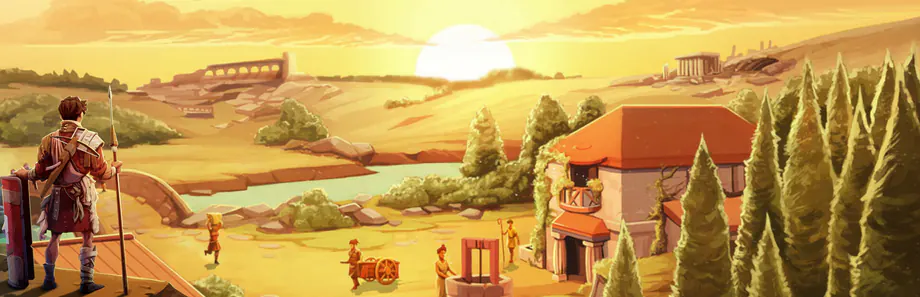
The interactive Romestead tools board above is for repeat decisions: what Core Vessel is used for, where Crystallized Blood belongs, whether Empty Pot should be saved, which recipe station needs an input, which route is safe today, what to carry into a biome, whether the town is ready for Guardian of Minerva or the next boss, which god route fits the blocker, which building should be upgraded or moved, whether the Logistics Tent or Trading Post route is safe, which seed or fishing route supports food, and who in co-op is allowed to spend rare goods.
Start from the Romestead hub if you want every guide in order. Keep this board open during a settlement session when you need boss prep, biome routes, god choices, or co-op roles in one place.
Current-build note: Use this board for item lookup, recipe checks, 1-8 player co-op, biome progression, exploration, combat, crafting, farming, town-building, dungeons, bosses, gods, trade routes, volcanic scouting, Carpenter’s Workshop, Trading Post automation, decoration mode, and inventory sorting. Exact boss drops, recipe inputs, building upgrade costs, move/refund rules, god favor values, and route limits need current-build checks.
Quick Answer
Use the tools board in this order:
| Tool action | What to do now | Open next |
|---|---|---|
| Search an item | Check category, station, source, recipe, known uses, and saved checks before spending | Item Database |
| Search Core Vessel | Store the first copy, confirm Talos Prototype rewards, and check Pontifex gear | Core Vessel |
| Search Crystallized Blood or rare items | Keep quest and boss-adjacent items out of exports until the route is clear | Rare Items |
| Search Radiant Pilum | Store Shaft, Shank, and Tip before checking Sancta Trinita Pilum | Radiant Pilum parts |
| Search Volcanic Ash | Check Clay, water, Concrete Mixer, storage, and University timing | Volcanic Ash route |
| Search Garum or Empty Pot | Protect pots before Beer, Wine, Mead, Olive Oil, Garum, or Bakery routes | Garum and Empty Pot |
| Search a recipe | Filter station, inputs, output category, and known uses before crafting | Romestead Crafting |
| Search boss prep | Check gear, food, clue, save state, route home, and first-copy storage | Romestead Bosses |
| Search building upgrade | Check storage, road spine, footprint, cost, and whether the upgrade solves a blocker | Best Buildings |
| Search move buildings | Fix blocked roads, farms, storage, defenses, and work lanes before expanding | Move Buildings |
| Plan a biome route | Pick one target material, carry list, turn-back rule, and storage plan | Romestead Biomes |
| Plan automation | Test Logistics Tent links, Quarry output, and protected storage before automation moves items | Romestead Automation |
| Plan Trading Post | Confirm unlock/research route, then protect food, first-copy drops, and build goods before exports | Trading Post |
| Check seed or fish route | Decide whether food, recipe, citizen, trade, or boss-prep value is real in your save | Best Seeds |
| Choose a god route | Hold rare offerings until crafting, shrine, and co-op uses are clear | Romestead Gods |
| Assign co-op roles | Name host, builder, gatherer, defender, scout, and loot keeper | Romestead Co-op |
| If today’s blocker is… | Use this part | Next page |
|---|---|---|
| A boss route | Search boss prep | Romestead Bosses |
| A new area | Compare biome carry lists | Romestead Biomes |
| A shrine or offering | Open god planning checks | Romestead Gods |
| An automated trade route | Plan source, destination, protected goods, and route owner | Trading Post |
| A building upgrade | Search upgrade, storage, Carpenter, or material storage | Best Buildings |
| A crop or fish question | Search seed, farm, food, fish, or recipe | Best Seeds |
| A messy group session | Use the co-op role checklist | Romestead Co-op |
| A scattered settlement | Return to layout decisions | Settlement Planner |
The board is intentionally cautious where exact live data is not stable. That is useful, not weak. A wrong boss drop table can waste a night; a good prep route can save the settlement even before every number is known.
What The Tools Board Tracks
| Lane | What it helps with | Why it is worth reopening |
|---|---|---|
| Boss prep | Gear, food, route clue, reward caution, co-op loot rules | Boss attempts can cost time, materials, and town momentum |
| Biomes | Carry list, focus, return rule, next action | A biome push should end with useful materials, not a lost inventory |
| Gods | Shrine placement, offerings, favors, technologies, citizen risk | God choices can shape town direction and spend rare goods |
| Trading Post | Source, destination, protected goods, route owner, save reload | Automation can drain a town if it moves the wrong goods |
| Buildings | Storage, upgrades, move checks, Carpenter lane, and material cleanup | Building mistakes are expensive after the town spreads out |
| Food routes | Seed tests, farm edges, fishing, citizen food, and boss-prep meals | Food pressure decides whether exploration is safe |
| Co-op roles | Host, builder, gatherer, farmer, defender, scout, artisan | More players need clearer rules, not more random errands |
How To Use The Filters
The board is strongest when you search one problem, not every system at once.
| You type | What to look for | Better next action |
|---|---|---|
boss | Gear, clue, reward caution, loot rules | Open Romestead Bosses before spending food and repairs |
biome | Carry list, return rule, first-copy material habits | Open Romestead Biomes and pick one route goal |
shrine or offering | God choice, rare goods, citizen risk | Open Romestead Gods before using the only copy of a material |
co-op | Host reload, role ownership, rare-material approval | Open Romestead Co-op and assign jobs |
food | First-night safety, route supplies, settlement stability | Fix the farm or storage loop before a dangerous route |
upgrade | Building upgrade timing, footprint, storage, and cost checks | Upgrade storage, crafting, and defense before decoration |
move | Road, farm, storage, and defense blockage checks | Move only if the current placement is slowing the whole town |
seed or fish | Food, recipe, citizen, trade, and boss-prep routes | Test a small route before expanding the food plan |
If the search returns more than one lane, that is usually a sign the decision touches several systems. A boss material might be crafting fuel, a shrine offering, and a progression clue at the same time. Store it until those uses are checked.
The First Useful Session
Do this before a serious boss or biome push:
- Save and reload the current settlement.
- Check food, light, storage, and crafting routes.
- Pick one route: boss, biome, god, or settlement repair.
- Mark the co-op roles if friends are online.
- Carry only what supports that route.
- Store first copies of unusual materials when you return.
Romestead has farming and cozy settlement pieces, but the live loop is still a survival town-builder. If the town cannot feed itself, move resources, or survive the night, a boss route is probably too early.
Route Recipes
Use these as short session shapes when you are not sure what to do next.
| Session | Open first | Stop when |
|---|---|---|
| First-night repair | Beginner or settlement guide | Food, light, bed, storage, and crafting are stable |
| Biome scout | Biomes checklist | One target material, clue, or danger read is confirmed |
| Boss prep | Bosses tracker | Gear, food, save state, and return path are ready |
| God decision | Gods planner | Shrine space, offering cost, and favor purpose are clear |
| Co-op reset | Co-op guide | Host, builder, farmer, defender, scout, and rare-spend rule are assigned |
These recipes help because Romestead can pull you in several directions at once. A player can start the night planning a farm, notice a boss clue, pick up a strange material, and then lose track of what the town needed. The tools board keeps the next action tied to one route.
Save-Safe Checks
Mark the checklist before the choice becomes expensive:
| Before you… | Check this |
|---|---|
| Leave for a new biome | Food packed, inventory space open, return time chosen |
| Trigger a boss | Save reload passed, gear prepared, loot rule named |
| Spend a rare good | First copy stored, crafting and shrine uses checked |
| Place shrine space | Roads, storage lanes, farms, and future buildings still have room |
| Start co-op progression | Host is stable, roles are named, group agrees on rare spending |
The saved checklist is deliberately simple. It is there to stop the repeat mistakes that cost the most time: leaving too late, spending first copies, splitting co-op loot, and building permanent town pieces before the route is understood.
When A Tool Should Stop You
The board should stop you when:
| Warning sign | Better move |
|---|---|
| Gear is untested | Run a short combat route before a boss |
| Food is thin | Improve the farm and storage loop first |
| Night route is unclear | Add light, retreat paths, or defense |
| Rare goods are unidentified | Store them until the god or crafting use is clear |
| Co-op players disagree | Pause spending until the group picks a rule |
This is especially important for god choices. Offerings, sacrifices, unique technologies, buildings, upgrades, and Roman god worship are not just flavor buttons in a long save.
What Makes This Different From A Normal Checklist
Romestead’s useful data is still changing during the Early Access window, so a rigid final table would age badly. The board focuses on decisions that stay useful even when exact drops or costs shift:
- Does this route need food, gear, or settlement repair first?
- Is the material safe to spend, or should the first copy stay stored?
- Is the shrine a town plan or just a menu test?
- Are co-op players clear on who owns building, scouting, farming, defense, and rare drops?
- Did the save reload before the risky action?
That is why the board links out to bosses, biomes, gods, settlement, and co-op instead of pretending one page solves the entire game. Use it as the doorway, then open the focused guide that matches the problem in front of you.
Next Pages To Open
FAQ
What tools are useful for Romestead Early Access?
Boss prep, building upgrades, Logistics Tent automation, Quarry and Concrete chains, move-building checks, biome readiness, seed tests, fishing routes, seven-god choice planning, Trading Post routes, and co-op role splits are useful now because they protect real settlement decisions.
Does Romestead have bosses?
Yes. Boss and dungeon progression are part of the game scope, and the current planning board covers seven named boss routes. Exact triggers, drops, and route order should be checked in your save.
How many biomes are in Romestead Early Access?
Steam's Early Access section describes progression across three distinct biomes in the current version, with more biomes planned later.
Should a co-op group use the tools board?
Yes. The saved checklist helps a group agree on host reload, builder ownership, food, defense, scout timing, and rare-material spending before the first serious town.