
Guides
Romestead Gods: Shrines, Offerings, and Favors
Quick Answer
Romestead has seven gods to plan around: Minerva, Ceres, Diana, Mars, Mercury, Venus, and Vulcan. Pick the god that solves today's blocker, store first-copy offerings, and check the altar before spending boss drops, crops, gear, potions, or metals.
God Planner
Plan Shrine, Offerings, Favors, and Unlocks
Hold rare goods until the current build makes a god choice clear, especially in co-op settlements.Check Altar Requirements Before Spending
Use these offering and altar checks to hold rare goods, confirm unlocks, and spend only when the reward solves a town blocker.
- RequirementBuild altar
- PayoffSkill tree access: Tiers 1-2.
- CheckDo not assume later tiers are safe until your altar panel shows the same route.
Finish the visible requirement, then review new offerings before spending rare goods.
altar / gods / sacrifice / skill-tree- RequirementDefeat Owl Boss
- PayoffSkill tree access: Tiers 3-4.
- CheckDo not assume later tiers are safe until your altar panel shows the same route.
Finish the visible requirement, then review new offerings before spending rare goods.
altar / gods / sacrifice / skill-tree- RequirementDefeat Cyclops Boss
- PayoffSkill tree access: Tier 5.
- CheckDo not assume later tiers are safe until your altar panel shows the same route.
Finish the visible requirement, then review new offerings before spending rare goods.
altar / gods / sacrifice / skill-tree- RequirementOffer Guardian's Eye
- PayoffChecks unlocks for Material Storage, Blacksmith, Carpenter, Empty House, Altar.
- CheckIf the altar panel asks for different items or counts, follow your save and keep rare goods protected.
Store first-copy materials, open the altar panel, and spend only when this route solves the next town blocker.
altar / gods / offering / unlock / guardian- RequirementDiscover a god at the altar
- PayoffCheck the altar reward panel before spending more offerings.
- CheckIf the altar panel asks for different items or counts, follow your save and keep rare goods protected.
Store first-copy materials, open the altar panel, and spend only when this route solves the next town blocker.
altar / gods / offering / unlock- RequirementOffer Malformed Satyr Horn
- PayoffReveals the next route or boss location.
- CheckIf the altar panel asks for different items or counts, follow your save and keep rare goods protected.
Store first-copy materials, open the altar panel, and spend only when this route solves the next town blocker.
altar / gods / offering / unlock- RequirementOffer Granite Tooth
- PayoffChecks unlocks for Blacksmith, Carpenter, Altar, Brick Oven.
- CheckIf the altar panel asks for different items or counts, follow your save and keep rare goods protected.
Store first-copy materials, open the altar panel, and spend only when this route solves the next town blocker.
altar / gods / offering / unlock / granite- RequirementOffer Core Vessel
- PayoffChecks unlocks for Blacksmith, Carpenter, Altar, Temple.
- CheckIf the altar panel asks for different items or counts, follow your save and keep rare goods protected.
Store first-copy materials, open the altar panel, and spend only when this route solves the next town blocker.
altar / gods / offering / unlock / core-vessel- RequirementOffer Wheat ×20
- PayoffChecks unlocks for Farmstead.
- CheckIf the altar panel asks for different items or counts, follow your save and keep rare goods protected.
Store first-copy materials, open the altar panel, and spend only when this route solves the next town blocker.
altar / gods / offering / unlock / wheat / farmstead- RequirementOffer Olives ×5 Pine Nuts ×5 Cabbage ×2
- PayoffChecks unlocks for Bakery.
- CheckIf the altar panel asks for different items or counts, follow your save and keep rare goods protected.
Store first-copy materials, open the altar panel, and spend only when this route solves the next town blocker.
altar / gods / offering / unlock / bakery- RequirementOffer Emperor's Salad Mushroom Skewer Bread x5
- PayoffChecks unlocks for Watermill.
- CheckIf the altar panel asks for different items or counts, follow your save and keep rare goods protected.
Store first-copy materials, open the altar panel, and spend only when this route solves the next town blocker.
altar / gods / offering / unlock / watermill- RequirementOffer Scorpion Skewers Moretum and Bread
- PayoffChecks unlocks for Garum Dolium.
- CheckIf the altar panel asks for different items or counts, follow your save and keep rare goods protected.
Store first-copy materials, open the altar panel, and spend only when this route solves the next town blocker.
altar / gods / offering / unlock / garum- RequirementOffer The Moonstring
- PayoffChecks unlocks for Well.
- CheckIf the altar panel asks for different items or counts, follow your save and keep rare goods protected.
Store first-copy materials, open the altar panel, and spend only when this route solves the next town blocker.
altar / gods / offering / unlock- RequirementOffer Sagittarii Bow Bronze Arcuballista Flint Arrow ×500 Bronze Arrow ×200
- PayoffUnlocks new construction: Leatherworker - Level 2
- CheckIf the altar panel asks for different items or counts, follow your save and keep rare goods protected.
Store first-copy materials, open the altar panel, and spend only when this route solves the next town blocker.
altar / gods / offering / unlock- RequirementOffer Crystallized Blood
- PayoffUnlocks new construction: Clay Pit
- CheckIf the altar panel asks for different items or counts, follow your save and keep rare goods protected.
Store first-copy materials, open the altar panel, and spend only when this route solves the next town blocker.
altar / gods / offering / unlock- RequirementOffer Denarius
- PayoffUnlocks new construction: Market
- CheckIf the altar panel asks for different items or counts, follow your save and keep rare goods protected.
Store first-copy materials, open the altar panel, and spend only when this route solves the next town blocker.
altar / gods / offering / unlock- RequirementOffer Traveler's Coin Research Paper
- PayoffUnlocks new construction: University
- CheckIf the altar panel asks for different items or counts, follow your save and keep rare goods protected.
Store first-copy materials, open the altar panel, and spend only when this route solves the next town blocker.
altar / gods / offering / unlock- RequirementOffer Amor Redivivus
- PayoffUnlocks new construction: Beer Dolium
- CheckIf the altar panel asks for different items or counts, follow your save and keep rare goods protected.
Store first-copy materials, open the altar panel, and spend only when this route solves the next town blocker.
altar / gods / offering / unlock- RequirementOffer Grapes x10 Beer x5 Drum Lyre
- PayoffUnlocks new construction: Wine Dolium
- CheckIf the altar panel asks for different items or counts, follow your save and keep rare goods protected.
Store first-copy materials, open the altar panel, and spend only when this route solves the next town blocker.
altar / gods / offering / unlock- RequirementOffer Copper Bar x5
- PayoffUnlocks new construction: Quarry
- CheckIf the altar panel asks for different items or counts, follow your save and keep rare goods protected.
Store first-copy materials, open the altar panel, and spend only when this route solves the next town blocker.
altar / gods / offering / unlock- RequirementOffer Coal x5 Wood Plank x10 Wood Stick x10
- PayoffUnlocks new construction: Automatic Scorpio
- CheckIf the altar panel asks for different items or counts, follow your save and keep rare goods protected.
Store first-copy materials, open the altar panel, and spend only when this route solves the next town blocker.
altar / gods / offering / unlock- RequirementOffer Bronze Helmet Bronze Chestplate Bronze Greaves Bronze Cart
- PayoffChecks unlocks for Blacksmith.
- CheckIf the altar panel asks for different items or counts, follow your save and keep rare goods protected.
Store first-copy materials, open the altar panel, and spend only when this route solves the next town blocker.
altar / gods / offering / unlock- RequirementUse Ceres when Wheat, Farmstead, Bakery, crop scaling, or citizen hunger is the blocker that repeats.
- PayoffFood first
- CheckDo not spend the last offering crop on cooking, trade, or wide field tests before reading the altar count.
Wheat, Olives, Pine Nuts, Cabbage, Mint, Bay Leaf, first seed copies, and food needed for citizens.
ceres / food / wheat / farmstead / bakery / offering- RequirementUse Mars when raids, melee damage, armor pressure, bones, or fixed defense are blocking progress.
- PayoffDefend town
- CheckDo not offer the only copy of a weapon, armor part, or monster material while boss prep is active.
Bones, first weapons, monster drops, armor inputs, Blacksmith goods, repair goods, and war-looking offerings.
mars / defense / armor / blacksmith / automatic-scorpio- RequirementUse Vulcan when Stone, Quarry, walls, Blacksmith output, Clay Pit, or forge upgrades are the bottleneck.
- PayoffBuild and mine
- CheckDo not burn Coal or bars on offerings if tools, walls, or boss gear still need them today.
Coal, Copper Bar, Stone, Clay, Wood Plank, Wood Stick, first metal bars, crafted gear, and wall repair goods.
vulcan / mining / stone / quarry / wall / forge- RequirementUse Mercury when Market stock, trade movement, University progress, travel speed, or route ownership is the blocker.
- PayoffMove surplus
- CheckDo not automate exports while food, seed stock, boss drops, or current build materials sit in reachable storage.
Denarius, Quadrans, Research Paper, rare trade goods, first routeable biome materials, food stock, and boss drops.
mercury / trade / market / travel / university / route- RequirementUse Venus when citizen energy, worker value, happiness, accessories, or town utility matters more than combat upgrades.
- PayoffSupport citizens
- CheckDo not chase utility favors while citizens are hungry, unemployed, or walking through unsafe night paths.
Potions, accessories, Wine, beauty-route goods, housing support, food storage, and citizen-support materials.
venus / workers / citizens / housing / wine / utility- RequirementUse Minerva when Guardian progress, altar restoration, crafting knowledge, or the first boss route is the current blocker.
- PayoffBoss progress
- CheckDo not offer Guardian materials until gear, altar, and first-copy storage pressure are checked.
Guardian's Eye, Guardian's Feather, Guardian's Talon, Feathered gear, wisdom-route items, and early boss loot.
minerva / guardian / boss-progress / wisdom / feathered- RequirementUse Diana when ranged damage, hides, Leatherworker flow, arrows, bow routes, or forest hunting are blocking the next trip.
- PayoffHunt safely
- CheckDo not drain leather into a bow route if armor is the reason boss attempts fail.
Hide, Wool, Leather, Cured Hide, arrows, Guardian Talon, Guardian Feather, first ranged gear, and bow-route inputs.
diana / ranged / hunting / bow / leatherworker / arrowNo matching route check. Clear search, widen filters, or turn off saved-only.
Search Shrine, Offering, And Quest Unlock Routes
Use these rows to protect rare offerings, pick the god route that solves the current blocker, and avoid spending before the altar UI is clear.
Search and save the checks that matter to your current route.
Costs, footprints, workers, upgrades, town roles, and placement cautions.
Bosses, enemies, weaknesses, drop leads, and first-copy storage rules.
Shrines, quest gates, offerings, rare items, and routes that need save confirmation.
- Routealtar and offerings
- RequirementStone x3
- StatFootprint 3 x 3 tiles; Build progress 90; Needs town: No; Tier 1
- PayoffUnlocks quests from the gods.
- ProtectRare offerings, boss drops, and quest materials.
- CheckConfirm exact cost, placement, worker access, and upgrade behavior in your current save before moving stored goods.
Reserve road-connected shrine space and check altar requirements before spending offerings.
building / god / altar / offerings / footprint / cost- Routealtar and offerings
- RequirementStone x5; Quest: The Giant Owl
- StatFootprint 3 x 3 tiles; Build progress 90; Needs town: No; Tier 2
- PayoffGives access to more worship unlocks. Also allows for teleportation between level 2 altars.
- ProtectRare offerings, boss drops, and quest materials.
- CheckConfirm exact cost, placement, worker access, and upgrade behavior in your current save before moving stored goods.
Reserve road-connected shrine space and check altar requirements before spending offerings.
building / god / altar / offerings / level / giant / owl / footprint / cost- Routealtar and offerings
- RequirementStone x3 Clay x2 Brick x6; Quest: Virgil's Poem
- StatFootprint 3 x 3 tiles; Build progress 90; Needs town: No; Tier 3
- PayoffGives access to even more worship unlocks.
- ProtectRare offerings, boss drops, and quest materials.
- CheckConfirm exact cost, placement, worker access, and upgrade behavior in your current save before moving stored goods.
Reserve road-connected shrine space and check altar requirements before spending offerings.
building / god / altar / offerings / level / virgil / poem / footprint / cost- RouteCeres offering route
- RequirementQuest route: Ceres — completing them advances this god's line. Honoring the Soil Fruits of the Harvest Honoring the Craft Honoring the Art Worship unlocks — recommended order Prerequisites come first. Spend Ceres worship points top-to-bottom...
- StatHow to worship Ceres in Romestead: how to discover the god, all 68 items you can offer ranked by worship value, every building, recipe and perk...
- PayoffFavor leads: Tier 1 Knockout Your unarmed attack now does a powerful strike for 100% increased damage, but has a short cooldown before it becomes powerful again. Concussive Blow Thrown objects have a chance to stun...
- ProtectBoss materials, rare offerings, quest items, and co-op spending choices.
- CheckCheck the live altar UI before spending rare offerings or locking in a favor route.
Pick the god route only after the settlement knows whether it needs farming, hunting, combat, trade, building, healing, or smithing help.
god / altar / offering / favor / ceres / completing / them / advances / this / line / honoring / soil- RouteDiana offering route
- RequirementQuest route: Diana — completing them advances this god's line. The Moonstring Hunting Armaments Worship unlocks — recommended order Prerequisites come first. Spend Diana worship points top-to-bottom to open the whole tree ( 17 points total)....
- StatHow to worship Diana in Romestead: how to discover the god, all 140 items you can offer ranked by worship value, every building, recipe and perk...
- PayoffFavor leads: Tier 1 Quick Reloads Your downtime after firing a crossbow is reduced by 50%. Magical Quiver 20% chance to not consume an arrow when firing Tier 2 Rapidus Hitting an enemy with the crossbow...
- ProtectBoss materials, rare offerings, quest items, and co-op spending choices.
- CheckCheck the live altar UI before spending rare offerings or locking in a favor route.
Pick the god route only after the settlement knows whether it needs farming, hunting, combat, trade, building, healing, or smithing help.
god / altar / offering / favor / diana / completing / them / advances / this / line / moonstring / hunting- RouteMars offering route
- RequirementQuest route: Mars — completing them advances this god's line. Sanguis Celeste Declaration of War Worship unlocks — recommended order Prerequisites come first. Spend Mars worship points top-to-bottom to open the whole tree ( 18 points...
- StatHow to worship Mars in Romestead: how to discover the god, all 67 items you can offer ranked by worship value, every building, recipe and perk...
- PayoffFavor leads: Tier 1 Gladius Peritus Sword range is increased by 10% and attack speed is increased by 10% Hasta Lanista Spears have 10% increased range and you move 10% faster while charging the spear. Tier...
- ProtectBoss materials, rare offerings, quest items, and co-op spending choices.
- CheckCheck the live altar UI before spending rare offerings or locking in a favor route.
Pick the god route only after the settlement knows whether it needs farming, hunting, combat, trade, building, healing, or smithing help.
god / altar / offering / favor / mars / completing / them / advances / this / line / sanguis / celeste- RouteMercury offering route
- RequirementQuest route: Mercury — completing them advances this god's line. Art of Trade Significant Pursuit Worship unlocks — recommended order Prerequisites come first. Spend Mercury worship points top-to-bottom to open the whole tree ( 22 points...
- StatHow to worship Mercury in Romestead: how to discover the god, all 114 items you can offer ranked by worship value, every building, recipe and perk...
- PayoffFavor leads: Tier 1 Spell Blade Master Melee attacks have a chance on hit to instantly cast your equipped scroll's uncharged spell for free. Lumen Tier 2 Magicae Gladio Your melee weapon deals bonus 20% damage...
- ProtectBoss materials, rare offerings, quest items, and co-op spending choices.
- CheckCheck the live altar UI before spending rare offerings or locking in a favor route.
Pick the god route only after the settlement knows whether it needs farming, hunting, combat, trade, building, healing, or smithing help.
god / altar / offering / favor / mercury / completing / them / advances / this / line / art / trade- RouteMinerva offering route
- RequirementQuest route: Minerva — completing them advances this god's line. Worshipping the Gods Virgil's Poem Profane Artifice The Malfomed Satyr Horn
- StatEverything Minerva grants in Romestead: 8 combat favors with their effects, and how worship works.
- PayoffFavor leads: Tier 1 Cuniculator Lignator Tier 2 Construction Plan The Construction hit area is increased by 25% and give 25% more progress. Aedificator Adds a special Construction crit area when constructing. If hit, it counts...
- ProtectBoss materials, rare offerings, quest items, and co-op spending choices.
- CheckCheck the live altar UI before spending rare offerings or locking in a favor route.
Pick the god route only after the settlement knows whether it needs farming, hunting, combat, trade, building, healing, or smithing help.
god / altar / offering / favor / minerva / completing / them / advances / this / line / worshipping / gods- RouteVenus offering route
- RequirementQuest route: Venus — completing them advances this god's line. The Scent of Memory In vino veritas Worship unlocks — recommended order Prerequisites come first. Spend Venus worship points top-to-bottom to open the whole tree (...
- StatHow to worship Venus in Romestead: how to discover the god, all 72 items you can offer ranked by worship value, every building, recipe and perk...
- PayoffFavor leads: Tier 1 Volans Pugionem Every 4 dagger attacks shoot out a throwing dagger dealing 110% weapon damage. Power Napper Laying in a bed regenerates your HP. Tier 2 Dagger Technique Increases dagger range by...
- ProtectBoss materials, rare offerings, quest items, and co-op spending choices.
- CheckCheck the live altar UI before spending rare offerings or locking in a favor route.
Pick the god route only after the settlement knows whether it needs farming, hunting, combat, trade, building, healing, or smithing help.
god / altar / offering / favor / venus / completing / them / advances / this / line / scent / memory- RouteVulcan offering route
- RequirementQuest route: Vulcan — completing them advances this god's line. Fueling the Fires The Copper Consistency Proving your worth Worship unlocks — recommended order Prerequisites come first. Spend Vulcan worship points top-to-bottom to open the whole...
- StatHow to worship Vulcan in Romestead: how to discover the god, all 97 items you can offer ranked by worship value, every building, recipe and perk...
- PayoffFavor leads: Tier 1 Earthquake When dashing, you have a 20% chance to leave a trailing earthquake behind you dealing melee damage to any enemies in it. Sledgehammer Adept 10% increased sledgehammer range and 20% increased...
- ProtectBoss materials, rare offerings, quest items, and co-op spending choices.
- CheckCheck the live altar UI before spending rare offerings or locking in a favor route.
Pick the god route only after the settlement knows whether it needs farming, hunting, combat, trade, building, healing, or smithing help.
god / altar / offering / favor / vulcan / completing / them / advances / this / line / fueling / fires- Routestation unlock
- RequirementConcrete x2 Stone x2 Lumber x3
- StatFootprint 3 x 3 tiles; Build progress 180; Needs town: No
- PayoffVulcan Statue: build cost (2x Concrete, 2x Stone, 3x Lumber), 3x3 footprint in Romestead.
- ProtectLast copies of bars, cloth, leather, Clay, Concrete, and rare station inputs.
- CheckConfirm exact cost, placement, worker access, and upgrade behavior in your current save before moving stored goods.
Build or upgrade the station only when the next recipe, gear piece, or material route needs it now.
building / crafting / station / unlock / vulcan / statue / footprint / cost- Routefood chain
- RequirementClay x3 Worship upgrades Higher tiers of Olive Oil Dolium are unlocked by spending worship points in a god's tree, not built directly. Olive Oil Dolium Ceres · 1 p
- StatFootprint 3 x 3 tiles; Build progress 50; Needs town: Yes
- PayoffUsed to create olive oil from olive paste.
- ProtectFood floor, pots, crop inputs, fish, and finished meals.
- CheckConfirm exact cost, placement, worker access, and upgrade behavior in your current save before moving stored goods.
Build only when crop, pot, fish, or storage pressure is ready to support the food chain.
building / food / chain / olive / oil / dolium / footprint / cost- Routenight defense
- RequirementStone x1 Worship upgrades Higher tiers of Stone Wall are unlocked by spending worship points in a god's tree, not built directly. Stone Wall Vulcan · 1 p
- StatFootprint 3 x 1 tiles; Build progress 30; Needs town: No
- PayoffStone Wall: build cost (1x Stone), 3x1 footprint in Romestead.
- ProtectStorage core, food chain, defense lane, and current construction stock.
- CheckConfirm exact cost, placement, worker access, and upgrade behavior in your current save before moving stored goods.
Place it where night pressure reaches storage, farms, or work lanes, then test the defense before expanding the town.
building / defense / night / stone / wall / footprint / cost- RouteMars and boss route
- Requirement1 Defeat Medusa
- StatNPC Rewards Aegis Weapon
- PayoffA blacksmith has warned you of the danger posed by Medusa, hiding somewhere in the desert. Slaying it is no simple challenge due to her stony gaze, a way to protect yourself from her...
- ProtectRequired items, first-copy drops, quest materials, and station unlock inputs.
- CheckIf the quest panel shows different wording, follow your save before spending or traveling.
Treat it as a boss-prep route: upgrade gear, carry food, set a return rule, then store first-copy drops.
quest / medusa / lair / npc / rewards / aegis / weapon / blacksmith / has / warned / you / danger- Routefood and Ceres route
- Requirement1 Construct a Leatherworker 2 Interact with the Food Storage
- StatStory Rewards Barricade Furniture
- PayoffBefore bringing citizens to your town, you must provide a place for them to live, a Food Storage for them to eat, and a place for them to work - like a Leatherworker. It...
- ProtectRequired items, first-copy drops, quest materials, and station unlock inputs.
- CheckIf the quest panel shows different wording, follow your save before spending or traveling.
Check storage, food, road access, and worker jobs before placing the required building.
quest / populating / your / town / story / rewards / barricade / furniture / before / bringing / citizens / you- Routefood and Ceres route
- Requirement1 Offer 20x Wheat
- StatWorld Rewards Farmstead Building
- PayoffMy child, I have awoken in large measure due to your kindness, your devotion has done much but I would ask more of you. To everything a time and season, and the land must...
- ProtectRequired items, first-copy drops, quest materials, and station unlock inputs.
- CheckIf the quest panel shows different wording, follow your save before spending or traveling.
Hold the required offering until the altar UI confirms the exact ask, then spend only if the reward solves the current blocker.
quest / honoring / soil / world / rewards / farmstead / building / child / have / awoken / large / measure- Routefood and Ceres route
- Requirement1 Offer 5x Olives 2 Offer 5x Pine Nuts 3 Offer 2x Cabbage
- StatWorld Rewards Bakery Building
- PayoffYou have done well my child and I would ask for your service once more. I once taught Romans how to cultivate wheat, but many are the treasures that the land shall yield with...
- ProtectRequired items, first-copy drops, quest materials, and station unlock inputs.
- CheckIf the quest panel shows different wording, follow your save before spending or traveling.
Hold the required offering until the altar UI confirms the exact ask, then spend only if the reward solves the current blocker.
quest / fruits / harvest / world / rewards / bakery / building / you / have / done / well / child- Routefood and Ceres route
- Requirement1 Offer Emperor's Salad 2 Offer Mushroom Skewer 3 Offer 5x Bread
- StatWorld Rewards Watermill Building
- PayoffYou have seen to it that the people shall survive, my child, but that is not the same as living. My gifts may be turned into food that is fit for the people, true...
- ProtectRequired items, first-copy drops, quest materials, and station unlock inputs.
- CheckIf the quest panel shows different wording, follow your save before spending or traveling.
Hold the required offering until the altar UI confirms the exact ask, then spend only if the reward solves the current blocker.
quest / honoring / craft / world / rewards / watermill / building / you / have / seen / that / people- Routefood and Ceres route
- Requirement1 Offer 2x Scorpion Skewers 2 Offer 2x Moretum and Bread
- StatWorld Rewards Garum Dolium Building
- PayoffI am glad to call upon you once more, favoured child, now venture into lands blessed by the ash of Vulcan's fires that leave it fertile and ripe. Offer to me the fruits of...
- ProtectRequired items, first-copy drops, quest materials, and station unlock inputs.
- CheckIf the quest panel shows different wording, follow your save before spending or traveling.
Hold the required offering until the altar UI confirms the exact ask, then spend only if the reward solves the current blocker.
quest / honoring / art / world / rewards / garum / dolium / building / glad / call / upon / you- Routefood and Ceres route
- Requirement1 Interact with the Town Core 2 Interact with an Altar
- StatStory
- PayoffIn order to start crafting items, you need to create a town. Interact with the workbench to get started. Interact with both buildings once constructed:
- ProtectRequired items, first-copy drops, quest materials, and station unlock inputs.
- CheckIf the quest panel shows different wording, follow your save before spending or traveling.
Hold the required offering until the altar UI confirms the exact ask, then spend only if the reward solves the current blocker.
quest / town / core / altar / story / order / start / crafting / items / you / need / create- Routefood and Ceres route
- Requirement1 Offer The Moonstring
- StatWorld Kind Fetch quest Rewards Well Building
- PayoffYou've proven yourself a true hunter, you act rather than wait. I have a hunt worthy of you. In a dungeon nearby, the Moonstring is hidden. Part of an artefact crafted by Vulcan's hands....
- ProtectRequired items, first-copy drops, quest materials, and station unlock inputs.
- CheckIf the quest panel shows different wording, follow your save before spending or traveling.
Hold the required offering until the altar UI confirms the exact ask, then spend only if the reward solves the current blocker.
quest / moonstring / world / kind / fetch / rewards / well / building / you / proven / yourself / true- RouteDiana and hunting route
- Requirement1 Offer Sagittarii Bow 2 Offer Bronze Arcuballista 3 Offer 500x Flint Arrow 4 Offer 200x Bronze Arrow
- StatWorld Rewards Leatherworker - Level 2 Building
- PayoffYou have proven you can hunt, but it is a poor hunter who cannot fashion tools worthy of them. Either by your own hand or by that of those who follow you, you must...
- ProtectRequired items, first-copy drops, quest materials, and station unlock inputs.
- CheckIf the quest panel shows different wording, follow your save before spending or traveling.
Hold the required offering until the altar UI confirms the exact ask, then spend only if the reward solves the current blocker.
quest / hunting / armaments / world / rewards / leatherworker / level / building / you / have / proven / can- Routefood and Ceres route
- Requirement1 Equip a Pickaxe 2 Equip a Lumber Axe 3 Equip a Weapon
- StatStory Rewards Wooden Shield Weapon Wooden Bow Weapon Wooden Arcuballista Weapon Flint Arrow Ammunition
- PayoffUse the sticks and the flint shards to craft tools and weapons. The player crafting menu can be found in the inventory view. Equip items with or by dragging and dropping the item into...
- ProtectRequired items, first-copy drops, quest materials, and station unlock inputs.
- CheckIf the quest panel shows different wording, follow your save before spending or traveling.
Keep the station inputs together and craft only after the next unlock or route is visible.
quest / weapons / tools / story / rewards / wooden / shield / weapon / bow / arcuballista / flint / arrow- RouteVulcan and crafting route
- Requirement1 Collect 3x Wood Stick
- StatStory Rewards Flint Pickaxe Pickaxe Flint Axe Axe Flint Gladius Weapon Flint Hasta Weapon
- PayoffYou will also require some Wood Sticks which can be acquired by destroying bushes or skinny trees. They can also be acquired by throwing objects into large trees.
- ProtectRequired items, first-copy drops, quest materials, and station unlock inputs.
- CheckIf the quest panel shows different wording, follow your save before spending or traveling.
Keep the station inputs together and craft only after the next unlock or route is visible.
quest / acquiring / materials / story / rewards / flint / pickaxe / axe / gladius / weapon / hasta / you- RouteMars and boss route
- Requirement1 Offer Crystallized Blood
- StatWorld Kind Fetch quest Rewards Clay Pit Building
- PayoffWarrior! Your offerings strengthen my memories and I have need of you. Long ago I fought with Vulcan, I do not remember why but my blood was shed. Some fell to mortal lands. A...
- ProtectRequired items, first-copy drops, quest materials, and station unlock inputs.
- CheckIf the quest panel shows different wording, follow your save before spending or traveling.
Hold the required offering until the altar UI confirms the exact ask, then spend only if the reward solves the current blocker.
quest / sanguis / celeste / world / kind / fetch / rewards / clay / pit / building / warrior / your- RouteMars and boss route
- Requirement1 Win a raid
- StatWorld Rewards Pottery Building
- PayoffYou've survived, warrior! Now you must seek true conquest, and you must instigate a battle. Use a Declaration of War and emerge victorious, and I shall know you are ready for the campaigns ahead.
- ProtectRequired items, first-copy drops, quest materials, and station unlock inputs.
- CheckIf the quest panel shows different wording, follow your save before spending or traveling.
Use the quest as a route checkpoint, gather only what the panel asks for, and return before spending rare goods.
quest / declaration / war / world / rewards / pottery / building / you / survived / warrior / now / must- Routefood and Ceres route
- Requirement1 Offer Denarius
- StatWorld Rewards Market Building
- PayoffThis is a disaster! People are surviving when they need to be living. We need to fix this and you will help. You can't have Rome without coin, and I need a coin to...
- ProtectRequired items, first-copy drops, quest materials, and station unlock inputs.
- CheckIf the quest panel shows different wording, follow your save before spending or traveling.
Hold the required offering until the altar UI confirms the exact ask, then spend only if the reward solves the current blocker.
quest / art / trade / world / rewards / market / building / this / disaster / people / are / surviving- RouteMercury and trade route
- Requirement1 Offer Traveler's Coin 2 Offer Research Paper
- StatWorld Rewards University Building
- PayoffMoney is valuable. Knowledge is power. You'll need both if you ever want to be safe but you won't get that by waiting. Search, seek, discover, if you keep your eyes open you'll see...
- ProtectRequired items, first-copy drops, quest materials, and station unlock inputs.
- CheckIf the quest panel shows different wording, follow your save before spending or traveling.
Hold the required offering until the altar UI confirms the exact ask, then spend only if the reward solves the current blocker.
quest / significant / pursuit / world / rewards / university / building / money / valuable / knowledge / power / you- RouteMinerva and altar route
- Requirement1 Earn the favor of a god
- StatWorld
- PayoffYou brought me back, but I am a single voice in a pantheon that has fallen silent. If they lost their powers and memories as I did, then perhaps they may be restored as...
- ProtectRequired items, first-copy drops, quest materials, and station unlock inputs.
- CheckIf the quest panel shows different wording, follow your save before spending or traveling.
Hold the required offering until the altar UI confirms the exact ask, then spend only if the reward solves the current blocker.
quest / worshipping / gods / world / you / brought / back / but / single / voice / pantheon / that- RouteMinerva and altar route
- Requirement1 Offer Malformed Satyr Horn
- StatWorld Rewards Pyzifax Map location
- PayoffThe horn that you have found is most peculiar, its malformation is unique. Offer it upon the altar and I am certain I may use it to discover where it has come from. If...
- ProtectRequired items, first-copy drops, quest materials, and station unlock inputs.
- CheckIf the quest panel shows different wording, follow your save before spending or traveling.
Hold the required offering until the altar UI confirms the exact ask, then spend only if the reward solves the current blocker.
quest / malfomed / satyr / horn / world / rewards / pyzifax / map / location / that / you / have- RouteMinerva and altar route
- Requirement1 Offer Guardian's Eye
- StatWorld Rewards Logistics Tent Building Material Storage Building Blacksmith Building Carpenter's Workshop Building Empty House - Level 2 Building Material Storage - Level 2 Building Altar - Level 2 Building Feathered Hood Armor Feathered Armor Armor Feathered Boots Armor Feathered Effigy Consumable Cooked Scorpion Meat Food
- PayoffYou have been asked to slay the Giant Owl that circles above. Once this is done, take one of its eyes and offer it upon an altar. The altar you can make yourself with...
- ProtectRequired items, first-copy drops, quest materials, and station unlock inputs.
- CheckIf the quest panel shows different wording, follow your save before spending or traveling.
Hold the required offering until the altar UI confirms the exact ask, then spend only if the reward solves the current blocker.
quest / giant / owl / world / rewards / logistics / tent / building / material / storage / blacksmith / carpenter- RouteMinerva and altar route
- Requirement1 Offer Granite Tooth
- StatWorld Rewards Brick Oven Building Carpenter's Workshop - Level 2 Building Altar - Level 3 Building Insula Building Tectonic Helmet Armor Tectonic Armor Armor Tectonic Boots Armor Tectonic Maul Weapon Tectonic Arcuballista Weapon Granite Effigy Consumable Declaration of War - The Gorgons War Declaration Salamander Jerky Food Phoenix Wing Food
- PayoffAs my memories return, so do my powers. I sense that an ancient creature long buried has awoken, hidden beneath the desert sands. It is familiar yet I cannot place it, yet even in...
- ProtectRequired items, first-copy drops, quest materials, and station unlock inputs.
- CheckIf the quest panel shows different wording, follow your save before spending or traveling.
Hold the required offering until the altar UI confirms the exact ask, then spend only if the reward solves the current blocker.
quest / virgil / poem / world / rewards / brick / oven / building / carpenter / workshop / level / altar- Routefood and Ceres route
- Requirement1 Offer Core Vessel
- StatWorld Rewards Temple Building Carpenter's Workshop - Level 3 Building Flamen Volcanalis Hood Armor Flamen Volcanalis Robes Armor Flamen Volcanalis Boots Armor Flamen Volcanalis Bow Weapon Malleus Mechanicus Weapon Flamen Volcanalis Spellblade Weapon Declaration of War - The Burning Fallen War Declaration Declaration of War - The Cyclopelli War Declaration
- PayoffI am renewed with every offering, you have my gratitude young mortal. A darkness obscures my vision, hiding in the shadows of the volcano that has burned and scarred the land. Thousands of souls...
- ProtectRequired items, first-copy drops, quest materials, and station unlock inputs.
- CheckIf the quest panel shows different wording, follow your save before spending or traveling.
Hold the required offering until the altar UI confirms the exact ask, then spend only if the reward solves the current blocker.
quest / profane / artifice / world / rewards / temple / building / carpenter / workshop / level / flamen / volcanalis- RouteVulcan and crafting route
- Requirement1 Collect 4x Wood Plank
- StatStory Rewards Workbench Placeable Wood Stick Material
- PayoffWith a Lumber Axe equipped, your attacks can damage trees based on your Lumber Axe Power. Chop down a large tree by attacking it. Place one of the logs on top of its tree...
- ProtectRequired items, first-copy drops, quest materials, and station unlock inputs.
- CheckIf the quest panel shows different wording, follow your save before spending or traveling.
Keep the station inputs together and craft only after the next unlock or route is visible.
quest / obtain / wood / planks / story / rewards / workbench / placeable / stick / material / lumber / axe- Routefood and Ceres route
- Requirement1 Place a Workbench
- StatStory Rewards Campfire Placeable
- PayoffCraft a Workbench Place the workbench on the ground to start constructing your town. To place objects in the world you can either place them in your hotbar, or to begin placing in the...
- ProtectRequired items, first-copy drops, quest materials, and station unlock inputs.
- CheckIf the quest panel shows different wording, follow your save before spending or traveling.
Check storage, food, road access, and worker jobs before placing the required building.
quest / workbench / story / rewards / campfire / placeable / craft / place / ground / start / constructing / your- Routefood and Ceres route
- Requirement1 Collect 6x Flint Shard
- StatStory
- PayoffTo craft your first set of tools you will need Flint Shards. Pick up some Flint with and throw it using the on a Rock to generate some shards. Flint is usually found near...
- ProtectRequired items, first-copy drops, quest materials, and station unlock inputs.
- CheckIf the quest panel shows different wording, follow your save before spending or traveling.
Keep the station inputs together and craft only after the next unlock or route is visible.
quest / acquiring / materials / story / craft / your / first / set / tools / you / will / need- RouteVenus and food route
- Requirement1 Offer Amor Redivivus
- StatWorld Kind Fetch quest Rewards Beer Dolium Building
- PayoffWhile many thought only of their own survival, it was you that saved me from oblivion. I owe you a debt, darling, but I would impose on your generous nature once more. I have...
- ProtectRequired items, first-copy drops, quest materials, and station unlock inputs.
- CheckIf the quest panel shows different wording, follow your save before spending or traveling.
Hold the required offering until the altar UI confirms the exact ask, then spend only if the reward solves the current blocker.
quest / scent / memory / world / kind / fetch / rewards / beer / dolium / building / while / many- RouteVenus and food route
- Requirement1 Offer 10x Grapes 2 Offer 5x Beer 3 Offer Drum 4 Offer Lyre
- StatWorld Rewards Wine Dolium Building
- PayoffWhere there is no wine, there is no love. I would share the former so the latter may blossom, but you must do something for me first. Offer to me grapes from the vine...
- ProtectRequired items, first-copy drops, quest materials, and station unlock inputs.
- CheckIf the quest panel shows different wording, follow your save before spending or traveling.
Hold the required offering until the altar UI confirms the exact ask, then spend only if the reward solves the current blocker.
quest / vino / veritas / world / rewards / wine / dolium / building / where / there / love / would- RouteMars and boss route
- Requirement1 Offer 5x Coal 2 Offer 10x Wood Plank 3 Offer 10x Wood Stick
- StatWorld Rewards Automatic Scorpio Building
- PayoffI am aware but I am still weak, the flame within is smothered and I must burn bright. Offer upon the altar that which shall feed the fire, from its light I shall see...
- ProtectRequired items, first-copy drops, quest materials, and station unlock inputs.
- CheckIf the quest panel shows different wording, follow your save before spending or traveling.
Hold the required offering until the altar UI confirms the exact ask, then spend only if the reward solves the current blocker.
quest / fueling / fires / world / rewards / automatic / scorpio / building / aware / but / still / weak- RouteVulcan and crafting route
- Requirement1 Offer 5x Copper Bar
- StatWorld Rewards Quarry Building
- PayoffI am forged anew with your devotion, but I am incomplete. Much is missing and must be restored, I must remember everything or I will remain flawed. Bring me ingots of copper, shaped by...
- ProtectRequired items, first-copy drops, quest materials, and station unlock inputs.
- CheckIf the quest panel shows different wording, follow your save before spending or traveling.
Hold the required offering until the altar UI confirms the exact ask, then spend only if the reward solves the current blocker.
quest / copper / consistency / world / rewards / quarry / building / forged / anew / your / devotion / but- Routefood and Ceres route
- Requirement1 Offer Bronze Helmet 2 Offer Bronze Chestplate 3 Offer Bronze Greaves 4 Offer Bronze Cart
- StatWorld Rewards Blacksmith - Level 2 Building
- PayoffYou fed the flame, but a flame must have purpose and so must you. The flame can help shape, mould and temper metals. Use the flame and offer me proof of your craft, if...
- ProtectRequired items, first-copy drops, quest materials, and station unlock inputs.
- CheckIf the quest panel shows different wording, follow your save before spending or traveling.
Hold the required offering until the altar UI confirms the exact ask, then spend only if the reward solves the current blocker.
quest / proving / your / worth / world / rewards / blacksmith / level / building / you / fed / flame- Routegear route
- RequirementSearch the full item database before spending.
- StatTier 1; Stack 1; Sell 0 Quadrans; Offering Vulcan + 62.5
- PayoffA simple roman tunic.
- ProtectFirst copy and any stack that could feed a recipe, offering, equipment piece, or food chain.
- CheckUse this as an added lookup row and confirm exact behavior in your save.
Add it to protected storage until the item database, station, offering, or gear route makes the next use clear.
item / armor / civilian / tunic / vulcan- Routegear route
- RequirementSearch the full item database before spending.
- StatTier 1; Stack 1; Sell 0 Quadrans; Offering Vulcan + 52.5
- PayoffSandals — Armor in Romestead.
- ProtectFirst copy and any stack that could feed a recipe, offering, equipment piece, or food chain.
- CheckUse this as an added lookup row and confirm exact behavior in your save.
Add it to protected storage until the item database, station, offering, or gear route makes the next use clear.
item / armor / sandals / vulcan- Routematerial route
- RequirementBeehive route
- StatTier 1; Stack 60; Sell 10 Quadrans; Offering Ceres + 10
- PayoffKnown use: Honey
- ProtectFirst copy and any stack that could feed a recipe, offering, equipment piece, or food chain.
- CheckUse this as an added lookup row and confirm exact behavior in your save.
Add it to protected storage until the item database, station, offering, or gear route makes the next use clear.
item / material / honeycomb / beehive / honey / ceres- Routegear route
- RequirementSearch the full item database before spending.
- StatTier 2; Stack 1; Sell 50 Quadrans; Offering Mercury + 42
- PayoffDecayed Pinecone — Trinket in Romestead, tier 2.
- ProtectFirst copy and any stack that could feed a recipe, offering, equipment piece, or food chain.
- CheckUse this as an added lookup row and confirm exact behavior in your save.
Add it to protected storage until the item database, station, offering, or gear route makes the next use clear.
item / trinket / decayed / pinecone / mercuryNo matching lookup row. Clear search, widen filters, or turn off saved-only.
| God Route | Best For | Action | Caution |
|---|---|---|---|
| Minervawisdom / first boss route | first boss progression | Use Guardian's Eye and first-boss progress to restore early construction and crafting routes. | Store Guardian drops before spending them; Minerva progress can overlap with gear, altar, and recipe checks. |
| Ceresagriculture / food route | food and farming stability | Prioritize Ceres when Wheat, Farmstead, Bakery, crop production, or citizen food is the current blocker. | Ceres objective counts can differ by save state; check your altar before spending the last Wheat, Cabbage, Olives, Pine Nuts, Mint, or Bay Leaf. |
| Dianahunting / nature route | ranged damage and leather routes | Use Diana-style offerings when hunting, hides, wool, bows, leather, or ranged pressure is the blocker. | Do not drain food or hide supplies if the town still needs citizen food and armor basics. |
| Marswar / defense route | melee, armor, and raids | Use Mars when bones, weapons, armor, defensive pressure, or ballista-style town defense becomes the blocker. | War offerings can compete with gear crafting, so store first-copy weapons and monster drops. |
| Mercurytrade / speed route | market, travel, and economy | Use Mercury for Market, trade, travel, speed, University/Trading Post route leads, and resource-flow problems. | Trading Post research is late; protect food and first-copy materials before automating routes. |
| Venuscitizen / beauty route | citizen utility and energy | Use Venus when potions, accessories, happiness, citizen utility, energy, or decoration choices solve the current town problem. | Citizen or beauty routes should not outrank food, storage, and defense if the town is already unstable. |
| Vulcanforge / construction route | mining, walls, and crafting | Use Vulcan when Stone, Quarry, metals, walls, forge upgrades, or construction pressure blocks progression. | Coal, Copper Bar, and crafted gear may be offerings or crafting inputs; check both before spending. |
| Shrine placementshared planning rule | settlement planning | Reserve a visible shrine or temple space near roads, but away from cramped storage lanes. | A shrine area can shape upgrades later, so do not bury it in a throwaway corner. |
| Co-op offering ruleshared save rule | rare-goods spending | Hold rare materials until you understand the god, cost, reward, and group priority in the current build. | Never spend the only copy of an unknown boss material just to test a menu. |
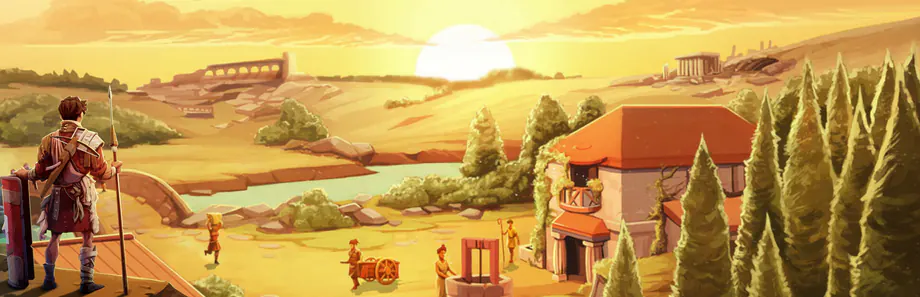
Romestead’s gods are not just decoration. Plan around Minerva, Ceres, Diana, Mars, Mercury, Venus, and Vulcan, with offerings, worship points, blessings, technologies, buildings, and upgrades tied to those routes. That makes every shrine and offering a settlement decision. The planner and altar checks above keep those choices close to the practical questions: where does the shrine go, what can the town afford, which favor solves today’s blocker, what unlock appears next, and who approves the spend in co-op?
Use Romestead Tools if you want the gods planner beside bosses, biomes, and co-op roles.
Last checked: June 8, 2026. The seven-god roster, broad offering categories, altar-level checks, and several unlock routes are usable planning data. Exact worship values, costs, some objective counts, and unlock chains should still be checked at your altar in the current build.
Quick Answer
Treat god choices like progression:
| Step | Good habit |
|---|---|
| Shrine space | Place it near roads, not in the storage lane |
| Offerings | Hold rare first copies until the result is clear |
| Favors | Pick the one that solves food, combat, crafting, citizens, or exploration |
| Technology | Connect the unlock to your next blocker |
| Citizen risk | Save first and decide as a group |
If you cannot explain why a favor helps the town, wait.
Seven God Routes
| God | Use when you need… | Offering direction to check |
|---|---|---|
| Minerva | First-boss progression, wisdom route, early construction or crafting checks | Guardian’s Eye and Guardian route materials |
| Ceres | Food, farming, Farmstead, Bakery, crop growth, citizen food stability | Bread, Bay Leaf, Grapes, Garum, Flour, Honeycomb, Olive Oil, Wheat, seeds, saplings |
| Diana | Hunting, ranged damage, leather, bows, hides, nature-route support | Raw Game Meat, Leather, Cured Hide, Wool, bows, mushrooms, crab meat |
| Mars | Melee combat, armor, raids, defenses, war route pressure | Bone, weapons, armor, spear parts, Spoils of War-style drops |
| Mercury | Trade, speed, Market, travel, economy, later route automation | Cargo, trade goods, market-linked items, route and economy materials |
| Venus | Citizen utility, beauty, energy, potions, accessories, happiness checks | Potions, accessories, Chest, Fine Accessory-style goods |
| Vulcan | Quarry, mining, forge, metals, walls, construction, armor route | Coal, Copper Bar, metals, forged or construction goods |
Use that table as a direction finder, not a final value chart. The safest play is still to open the altar, check the current value, then spend extras after first copies are stored.
God Choice Readiness Score
Before spending at a shrine, score the decision like a town upgrade:
| Check | Bad sign | Good sign |
|---|---|---|
| Shrine space | The shrine blocks storage, roads, or farm work | The shrine sits on a clear road with room to expand |
| Offering cost | You are spending the only copy of a rare item | First copy is stored and extras are available |
| Favor purpose | The reward only sounds powerful | The reward solves food, combat, crafting, citizen, or biome pressure |
| Town stability | Food, light, or housing is already failing | The town can absorb the cost |
| Save state | No backup before risky choices | Save and reload are tested |
| Co-op consent | One player is deciding for the group | The group agreed on the spend |
If a god choice fails more than two of those checks, wait. A delayed offering is usually safer than a permanent-looking mistake in a shared town.
Shrine Placement
Shrines or temples need space, visibility, and access. They should not be placed like a random decoration. A good shrine area:
- Connects to the main road spine.
- Does not block carts or heavy resource movement.
- Leaves room for later god-related buildings.
- Is easy for co-op players to find.
- Sits far enough from storage that it does not confuse work paths.
The settlement should still function if the shrine changes. Do not make the town depend on a shrine layout before you understand the live build.
Shrine Layout Examples
| Layout | Best for | Watch out for |
|---|---|---|
| Roadside shrine | Early settlements that need a visible worship spot | Do not block cart and storage movement |
| Central temple square | Towns with enough open civic space | Leave room for future buildings or decorations |
| Outer sanctuary | Larger towns that want worship away from work lanes | Make sure citizens and co-op players can still find it |
| Temporary test shrine | Learning costs and favor behavior | Move or rebuild once the system is clearer |
A shrine should feel intentional but not fragile. If moving one wall or road breaks your storage path, the shrine is too tangled with the work loop.
Offering Safety
Offerings can be cheap, rare, or dangerous. Use this table before spending:
| Offering type | Safer move |
|---|---|
| Common material | Test only if the reward is clear |
| Rare resource | Store first copy, spend extras later |
| Boss material | Check crafting and progression before offering |
| Food | Make sure the town still has a buffer |
| Citizen-risk choice | Save first and discuss in co-op |
The strongest habit is simple: first copy goes to storage, second copy can become a test.
Offering Decision Table
| You are about to offer… | Ask first | Safer action |
|---|---|---|
| Common wood, stone, fiber, or food | Can the town replace it today? | Offer only after storage has a buffer |
| A new biome material | Have crafting and shrine uses both been checked? | Store first copy, test with extras |
| A boss material | Could it be gear, god, or progression fuel? | Check bosses, crafting, and gods before spending |
| A citizen-risk choice | Is the reward worth a possible town rhythm hit? | Save first and decide slowly |
| A co-op shared resource | Did the group agree? | Pause until the host and builders approve |
Offerings are easier to enjoy when they solve a named problem. If the town is hungry, a combat-looking reward may not be the right first pick even if it looks rare.
Choosing A Favor
Pick a favor based on the town’s actual problem:
| Town problem | Favor direction to consider |
|---|---|
| Food pressure | Farming, harvest, storage, or citizen support |
| Weak combat | Gear, defense, damage, or survivability |
| Slow crafting | Technology, station, or artisan support |
| Biome blocker | Exploration, resource access, or boss prep |
| Citizen instability | Happiness, food, housing, or work support |
Do not choose a god route only because it sounds powerful. In a settlement game, the best upgrade is the one that clears the bottleneck you already have.
Favor Route Examples
| Current blocker | Favor logic |
|---|---|
| Food keeps dipping | Favor routes tied to farming, harvest reliability, citizen support, or storage are easier to justify |
| Boss attempts fail | Combat, armor, damage, food buff, or survivability support matters more than decoration |
| Crafting is slow | Technology, artisan, station, or material-efficiency routes may clear the next gate |
| Exploration feels unsafe | Biome access, route safety, gear, or recovery support can be stronger than raw output |
| Citizens are unstable | Housing, happiness, work rhythm, or food safety may matter more than rare materials |
This is not a fixed tier list because exact values still need current-build checks. It is a decision pattern: name the town’s blocker, then pick the god route that answers it.
Technology And Building Unlocks
Public Romestead material connects gods to unique technologies, buildings, and upgrades. That means a god choice can change your settlement plan. Before you commit:
- Check whether the unlock needs space.
- Check whether it changes work routes or citizen routines.
- Check whether it consumes materials needed for gear.
- Check whether it helps the next biome or boss route.
- Save before adding it to a long-running town.
If the unlock is a building, place it like infrastructure. If the unlock is a passive effect, connect it to a current route so you can judge whether it helped.
Co-op Spending Rules
Before anyone uses a shrine in a shared world, agree on:
| Rule | Why |
|---|---|
| Who can spend rare goods | Prevents accidental loss of boss or biome materials |
| Where first copies go | Protects future crafting and offering checks |
| Which favor the town wants | Keeps progression focused |
| Whether citizen-risk choices are allowed | Avoids surprise losses |
| When to save before testing | Makes rollback possible |
Romestead supports up to 1-8 players, and more players can make spending faster and messier. A simple rule beats a long argument after the item is gone.
Citizen-Risk Choices
Romestead’s public wording includes sacrifice as part of god worship. Treat that as a high-risk choice until you know exactly how it behaves in your build.
| Before a citizen-risk choice | Why |
|---|---|
| Save and reload first | Confirms the save is healthy before a major decision |
| Check food, housing, and work roles | Losing or changing a citizen can affect the town loop |
| Confirm the reward | The trade should solve a real blocker |
| Discuss in co-op | Shared saves need shared consent |
| Watch the town afterward | Some costs show up after the menu closes |
If you are still learning the first settlement, skip citizen-risk choices until the town can survive normal nights, food pressure, and resource routes.
How Gods Connect To Bosses And Biomes
God choices should not sit apart from the rest of the game. They connect to:
| System | Connection |
|---|---|
| Biomes | Rare materials can become offerings or technology gates |
| Bosses | Boss rewards may be crafting parts, shrine materials, or progression clues |
| Crafting | God technologies can change what station or material matters next |
| Settlement layout | Shrine and god buildings need road access and room |
| Co-op | Shared rare goods need clear spending rules |
When a biome run returns with a new material, store it and check both Romestead Biomes and this page. When a boss drops a named part, check Romestead Bosses and this page before offering it.
When To Wait
Waiting is the right move when:
- The offering is the only copy of a new material.
- The town is already low on food or labor.
- The shrine placement would break roads or storage.
- The reward does not solve a current blocker.
- A co-op partner is offline and the resource is shared.
- The choice involves citizen risk and you have not tested save reload.
A god choice should make the settlement clearer. If it makes the save feel harder to understand, pause and gather more information first.
Next Pages To Open
FAQ
Does Romestead have gods?
Yes. Plan around seven Roman gods: Minerva, Ceres, Diana, Mars, Mercury, Venus, and Vulcan.
Should I spend rare materials on god offerings immediately?
No. Store first copies and check the current reward before spending rare goods or boss materials.
Where should I place shrines in Romestead?
Reserve a visible space connected to roads, but do not block storage, crafting, farms, or future defense lanes.
How should co-op groups handle god choices?
Agree on spending rules before offerings. God choices can use rare goods, citizens, or progression materials, so they should not be one-player surprises.